

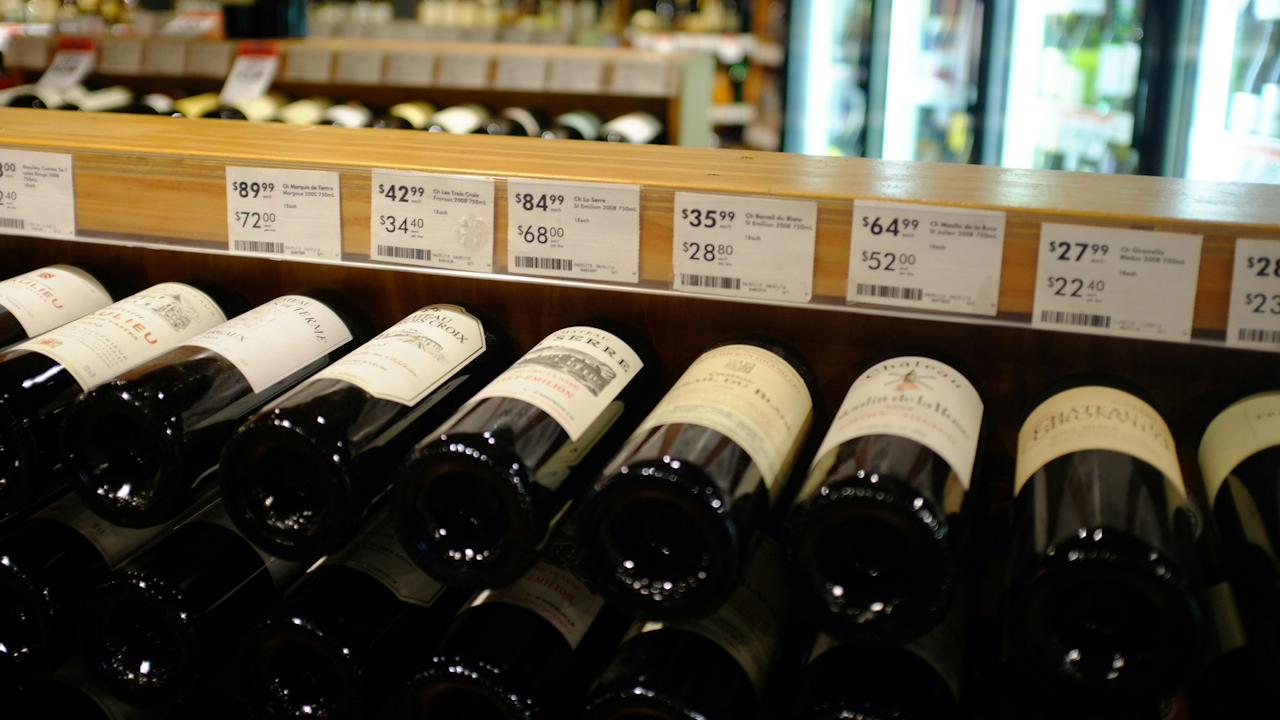
In the world of wine, the price tag often suggests a story of pedigree, rarity, and meticulous craftsmanship. However, any seasoned wine lover knows that the connection between cost and quality is not a straight line. There is a “secret cellar” of affordable wines that consistently punch far above their weight, delivering complexity, balance, and a sense of luxury that belies their humble price. Discovering these gems is one of the great pleasures of wine exploration.
Unpacking the Price Tag: What Makes Wine Expensive?
To find a bottle that tastes expensive for a fraction of the cost, we first need to understand the main drivers of a high price point. It’s often not just about the quality of the juice. Three major factors contribute to a wine’s cost:
- Terroir and Prestige: Wines from globally renowned regions, like Bordeaux, Burgundy, or Napa Valley, carry an inherent premium. The demand for grapes from a specific, famous vineyard can instantly inflate the price, regardless of the individual vintage or producer.
- Time and Oak: Expensive wines often undergo extended aging, sometimes for years, in new, costly French oak barrels. This adds deep, savory flavors like vanilla, baking spice, and cedar, but it’s a time-consuming and capital-intensive process. Producers of expensive wines must wait years before selling, increasing their holding costs.
- Exclusivity and Labor: Hand-picking grapes, rigorous sorting, and low yields per vine all increase labor costs. Limited-production wines or those from small, sought-after producers also command a premium due to scarcity.
The secret to finding great value is seeking out wines that achieve the flavor characteristics of expensive bottles, but circumvent the cost drivers. This means looking to lesser-known regions, alternative grape varieties, and producers focused on quality over brand recognition.
The Flavor Profile of Luxury: What to Look For
An expensive wine, regardless of color, is defined by certain sensory characteristics. When hunting for an affordable alternative, look for descriptions and tasting notes that indicate:
- Complexity: The presence of not just primary fruit flavors, but also secondary (yeast, butter, toast) and tertiary (earth, leather, dried fruit) notes. A simple, one-dimensional wine rarely tastes expensive.
- Balance: A perfect harmony between the four main structural components: tannin (the drying sensation in red wine), acidity (the refreshing zest), alcohol, and fruit. Everything should feel integrated and smooth.
- Texture and Length: A “mouthfeel” that is velvety, round, or silky, giving the wine weight on the palate. A long, lingering finish is a hallmark of high-quality wine.
🗺️ Where to Find the Best Value Wines
The greatest affordable wines come from regions that offer the right combination of favorable climate, quality winemaking, and low land costs.
Red Wines: Depth Without the Dollars
| Region/Variety | Why It Tastes Expensive | Flavor Profile |
| Rioja Reserva (Spain) | Uses time and aging, like expensive Bordeaux, but has lower land costs. | Deep cherry, tobacco, vanilla, and smooth, resolved tannins. A classic “aged red” feel. |
| Bordeaux Blends from Côtes de Bordeaux | Shares the same grapes (Merlot, Cabernet) and winemaking as Grand Cru estates, but from less-famous sub-regions. | Ripe blackcurrant, cedar, and a graphite minerality with firm structure. |
| Carménère (Chile) | Often confused with Merlot, it delivers a rich, full-bodied experience reminiscent of premium reds. | Dark plum, bell pepper, cocoa, and a lush, velvety texture. |
| Beaujolais Crus (France) | Specifically villages like Morgon or Moulin-à-Vent. These are serious, age-worthy wines, not simple Nouveau. | Vibrant cherry and raspberry fruit, earthy undertones, and bright acidity. Can mimic high-end Pinot Noir. |
White Wines: Elegance Without the Extravagance
| Region/Variety | Why It Tastes Expensive | Flavor Profile |
| Muscadet Sèvre et Maine sur Lie (France) | The “sur lie” aging on dead yeast cells adds texture and complexity like high-end white Burgundy. | Zesty citrus, green apple, a refreshing saline/mineral edge, and a creamy mouthfeel. |
| Albariño/Alvarinho (Spain/Portugal) | Its aromatic intensity and crisp acidity rival New World Sauvignon Blanc, but often with more depth. | White peach, honeysuckle, grapefruit zest, and a vibrant, long finish. |
| South African Chenin Blanc | From older vines, this grape can achieve the richness and layered complexity of great white Rhône blends. | Honeyed pear, stone fruit, beeswax, and balanced acidity. |
| Vermentino di Sardegna (Italy) | A distinctly Mediterranean wine that offers bright, mineral complexity. | Lemon peel, almond, distinct herbal notes, and a refreshing, dry finish. |
Sparkling Wine: Fine Bubbles on a Budget
Forget pricey Champagne for your everyday fizz. The same traditional method (secondary fermentation in the bottle) is used in several regions that offer exceptional value.
- Cava Brut Nature (Spain): Made with the same technique as Champagne, but using indigenous grapes like Xarel·lo. Brut Nature means no added sugar, resulting in a clean, elegant, and toasty profile.
- Crémant d’Alsace or Crémant de Loire (France): Excellent alternatives to Champagne from other French regions, often showing lovely notes of brioche, apple, and citrus.
🔑 Your Guide to Value: Shopping Smart
To consistently find affordable wines that taste expensive, adopt a few smart shopping habits:
- Seek Out the “Second Label”: Many world-famous, expensive wineries produce a “second label” or a more accessible bottling. These wines are often made with younger vines or grapes that didn’t quite make the cut for the top cuvée, but still benefit from the producer’s high-quality winemaking standards.
- Befriend Your Local Expert: Skip the mass-market grocery store and shop at a dedicated local wine shop. The staff, often sommeliers or seasoned drinkers, are always on the hunt for wines that over-deliver on value. Tell them the expensive wines you enjoy, and they will suggest an affordable look-alike.
- Explore Emerging Regions: Look for countries or regions that are not yet globally famous, such as Portugal, certain parts of Chile’s coastal regions, or Eastern Europe. As these areas gain recognition, their prices will rise, so now is the time to buy.
- Buy by the Vintner, Not the Vineyard: Focus on winemakers with a reputation for integrity and skill, rather than famous vineyards. A dedicated, quality-focused winemaker can produce excellent wine from less-famous sites, and you will benefit from the lower price of the land.
The pursuit of great wine should be a joy, not a financial burden. By understanding the true drivers of cost and knowing where to look, you can consistently stock your cellar with bottles that offer premium flavor and complexity without the premium price.