

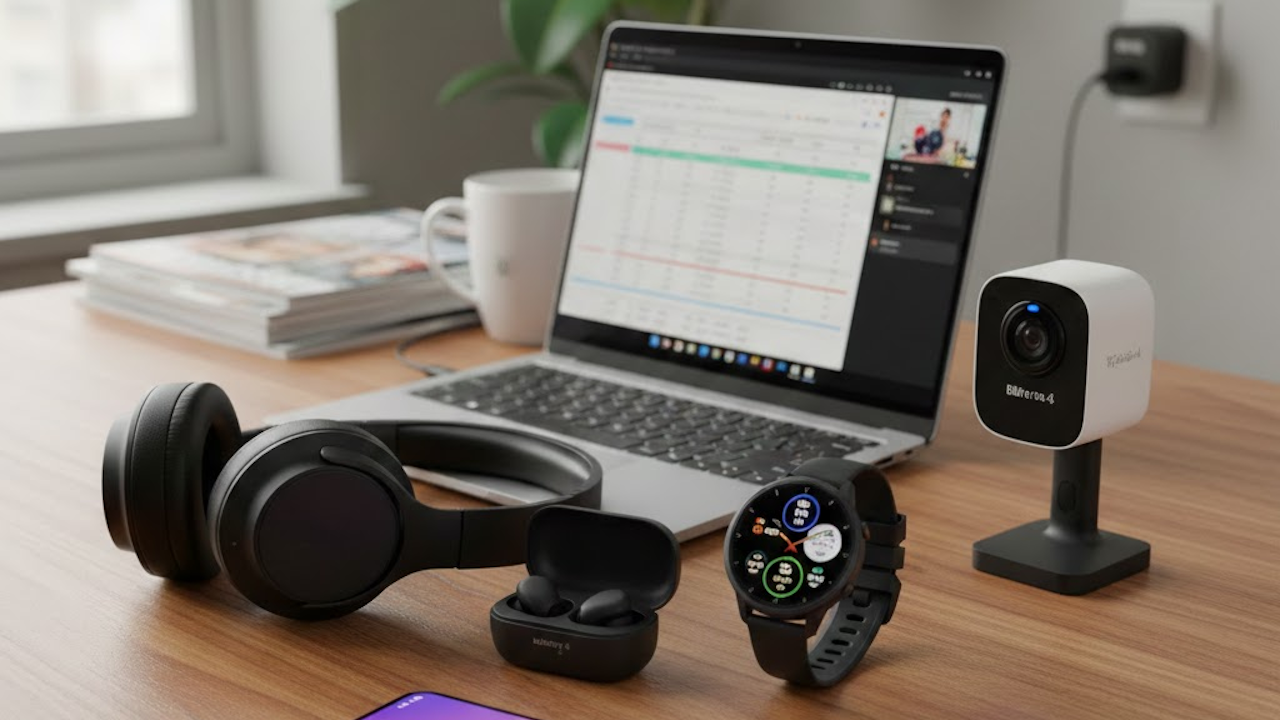
In today’s fast-paced tech landscape, premium gadgets often come with eye-watering price tags that put them out of reach for many consumers. However, manufacturers have increasingly focused on delivering high-end features in budget-friendly devices. From smartphones with flagship-level performance to earbuds boasting advanced noise cancellation and smartwatches with extended battery life, it is now possible to enjoy sophisticated technology without breaking the bank. This article explores a range of affordable gadgets that punch well above their weight, highlighting options under or around $200 to $700 that incorporate features previously reserved for luxury models.
Budget Smartphones That Rival Flagships
Smartphones represent one of the most significant areas where affordability meets premium capabilities. Devices in the mid-range segment now offer processors, cameras, displays, and battery life that compete directly with much more expensive flagships.
The Google Pixel series stands out for its exceptional camera performance and clean software experience. Models like the Pixel 9a or 10a deliver computational photography powered by the same Tensor chips found in higher-end variants, including features such as Night Sight that produce impressive low-light shots. These phones provide long software support, reliable performance for daily tasks, and solid battery life, all at prices around $400 to $550. Users benefit from AI enhancements and a clutter-free Android interface without paying flagship premiums.
Samsung’s Galaxy A series, such as the A37 5G or A17, brings premium design elements like AMOLED displays with high refresh rates, IP-rated durability, and multi-year software updates. These phones often include 120Hz screens, capable multi-camera setups, and large batteries with fast charging, making them versatile daily drivers for around $200 to $500. The ecosystem integration with other Samsung devices adds further value for users already in that world.
Other strong contenders include the OnePlus 13R or similar mid-rangers, which emphasize raw speed with powerful chipsets, 100W+ fast charging, and vibrant LTPO displays. Brands like Nothing (with models such as the Phone 4a Pro), Motorola Moto G56, and Xiaomi/Redmi/POCO devices frequently pack high-resolution cameras, extensive battery capacities, and unique design touches like modular elements or clean software at competitive prices. These options demonstrate that flagship processors, 5G connectivity, and refined builds no longer require spending over $800.
Key advantages in this category include extended software support (often six years or more on select models), versatile photography systems with ultrawide and macro lenses, and efficient batteries that easily last a full day or longer. Shoppers should consider priorities such as camera quality for Pixels, ecosystem fit for Samsung, or charging speed for OnePlus when selecting the best match.
Wireless Earbuds With Premium Audio and Noise Cancellation
True wireless earbuds have evolved dramatically, with budget options now incorporating active noise cancellation (ANC), high-resolution audio codecs, and long battery life that once defined $200-plus models.
Anker Soundcore models, such as the Space A40 or Liberty series, frequently top recommendations for their balance of price and performance. Priced around $50 to $100, these earbuds offer strong ANC that handles low-frequency noises effectively, customizable EQ via companion apps, IP ratings for sweat and water resistance, and battery life exceeding 30 to 40 hours with the case. Features like multipoint Bluetooth pairing and spatial audio enhance usability for commuting, workouts, or calls.
CMF Buds by Nothing and EarFun Air Pro variants deliver Dirac-tuned sound, solid ANC, and extended playback times (often 40+ hours total) for under $100. Users appreciate transparent modes, touch controls, and app-based customizations that rival premium alternatives from Sony or Bose. LDAC codec support on select models ensures higher-quality audio streaming from compatible devices.
Even lower-priced picks like JLab, Soundpeats, or Tozo options bring ANC, bass-heavy or balanced sound profiles, and 20 to 50 hours of total battery at $30 to $50. These make excellent entry points for those testing wireless audio without commitment. Overall, budget earbuds excel in comfort for extended wear, call clarity with AI noise reduction, and features such as wireless charging cases or gaming low-latency modes.
Smartwatches and Fitness Trackers Packed With Advanced Capabilities
Wearables have seen perhaps the most impressive democratization of features. Budget smartwatches now include AMOLED displays, GPS tracking, health sensors, and multi-day battery life.
Amazfit models like the Bip 6, Active 2, or Active Max offer bright AMOLED screens, built-in GPS with maps, over 100 sports modes, sleep and stress tracking, and battery life ranging from 10 to 25 days depending on usage. Prices often fall between $80 and $170, providing exceptional value with features like AI coaching, water resistance, and music storage on some variants.
The CMF Watch 3 Pro from Nothing’s sub-brand impresses with stylish designs, AMOLED panels, gesture controls, Bluetooth calling, and week-plus battery at around $60 to $100. It supports numerous workouts and basic smart notifications without the complexity or short runtime of some full Wear OS devices.
Samsung Galaxy Fit3 or Watch FE, Google Pixel Watch variants (on sale), and Huawei Watch Fit series bring ecosystem-specific perks, ECG or advanced biometrics, and reliable fitness insights at accessible prices. Even entry-level options include heart rate, SpO2, and sleep monitoring with impressive accuracy for the cost.
These devices shine for casual fitness enthusiasts, offering long battery without daily charging, accurate step and heart tracking, and notifications that keep users connected. Runners may prefer models with dual-band GPS for better accuracy.
Other Smart Home and Accessory Gems
Beyond core personal devices, several affordable accessories deliver high-end convenience:
- Power Banks: Ultra-thin options like Xiaomi’s magnetic models or Anker hubs provide fast charging, multiple ports, and compact designs for $30 to $80, often with pass-through charging and safety features.
- Smart Plugs and Lights: Kasa or Govee products enable voice control, scheduling, and automation for under $20 to $50 per unit, transforming basic lamps or appliances into smart devices without hubs.
- Portable Speakers: JBL Go series or similar compact options deliver waterproofing, decent sound, and clip-on portability for around $40, suitable for outdoor use.
- USB-C Hubs and Accessories: Multi-port hubs from Anker expand laptop connectivity with HDMI, USB ports, and card readers at low cost, addressing modern device limitations effectively.
Why These Gadgets Represent Smart Value
The convergence of improved manufacturing, competitive markets, and focused engineering has made high-end features accessible. Processors once exclusive to flagships now power mid-range phones, while sensors and batteries in wearables have miniaturized and become more efficient. Software optimizations further close the gap, with AI features appearing even in budget tiers.
When shopping, prioritize based on needs: camera and software for phones, ANC and fit for earbuds, battery and display for watches. Check for sales, read recent reviews, and verify compatibility with your existing devices. Trade-offs may include slightly less refined builds or fewer niche features, but core performance often matches or exceeds expectations.
In conclusion, affordable gadgets with high-end features empower users to enhance productivity, entertainment, and wellness without financial strain. As technology continues advancing, the line between budget and premium blurs further, making 2026 an excellent time to upgrade intelligently. Explore options from reputable brands, compare specs to your usage patterns, and enjoy sophisticated tech that fits real-world budgets.