

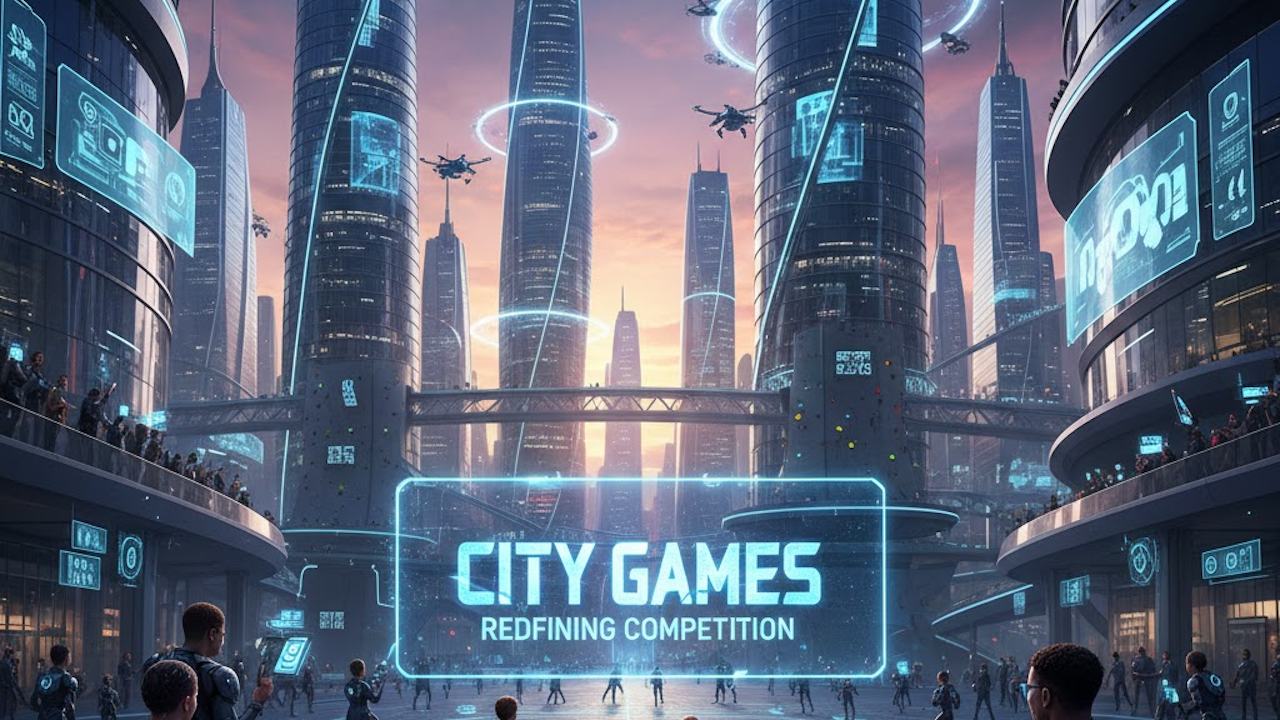
Competition has long been a cornerstone of human society, from ancient Olympic Games held in dedicated arenas to modern professional sports contested in massive stadiums. Yet in recent years, a new paradigm has emerged: city games. These innovative formats transform urban landscapes into dynamic arenas of play, challenge, and rivalry. By moving competition out of isolated venues and into the fabric of everyday city life, they are redefining what it means to compete, who can participate, and how victory is achieved. This shift blends physical prowess, mental agility, technology, and community engagement, creating experiences that are more accessible, immersive, and socially impactful than traditional models.
City games encompass a wide spectrum. On one end are high-level athletic spectacles like the Great CityGames, which bring elite track and field events to city streets. On the other are interactive, app-driven adventures such as scavenger hunts, trivia challenges, and GPS-based missions that turn ordinary neighborhoods into giant board games. In between lie hybrid formats that fuse sport, exploration, and entertainment. Collectively, these initiatives are democratizing competition, fostering local economies, and encouraging healthier urban lifestyles.
The Rise of Urban Athletics: Streets as Stadiums
One of the most visible examples of city games redefining competition is the Great CityGames series in the United Kingdom. Held in Manchester and Newcastle-Gateshead, these events feature world-class athletes competing in sprints, hurdles, jumps, and middle-distance races on temporary tracks laid out in iconic urban locations. Unlike conventional stadium events, spectators stand mere feet from the action, creating an intimate, electric atmosphere.
The format first gained prominence in 2009 when Usain Bolt set a world-best time in the 150-meter dash on a Manchester street track. Such performances proved that elite competition could thrive outside traditional confines. Events incorporate unique elements like the 150-meter straight, which adds excitement and novelty. Portable, certified surfaces ensure records remain valid, demonstrating technological ingenuity that allows athletics to adapt to city environments.
This approach redefines competition by prioritizing accessibility and spectacle. Fans who might never attend a stadium event can watch for free in public spaces. It also integrates with broader city festivals, such as the Great Manchester Run, amplifying community involvement. Athletes benefit too, gaining exposure in vibrant settings that highlight their skills to new audiences. Cities reap rewards through increased tourism, boosted local business, and enhanced civic pride.
Similar trends appear globally. Street athletics events in Europe and Asia, along with concepts like the World Urban Games, emphasize fast-paced, youth-oriented urban sports such as parkour, skateboarding, and 3×3 basketball. These competitions celebrate adaptability and creativity, qualities essential in dense city settings. They shift focus from pure physical dominance to versatile skill sets that mirror real-world urban navigation.
Gamified Exploration: Turning Cities into Playgrounds
Beyond elite sports, digital and participatory city games are exploding in popularity. Platforms like City Games in Grand Rapids, Michigan, transform the entire municipality into an interactive board game. Participants tackle scavenger hunts, riddles, selfie challenges, and trivia tied to local landmarks and events. Free to join, these experiences reward exploration with points, leaderboards, and prizes from local businesses.
Similar offerings from companies such as City Game operate in hundreds of cities worldwide. Players use smartphone apps to follow story-driven routes, solve puzzles, complete photo missions, and learn hidden history. Formats range from self-guided solo adventures to team-based challenges suitable for corporate team-building or family outings. Competition arises naturally through leaderboards, timed tasks, and head-to-head scoring.
These games redefine competition by lowering barriers. Traditional sports often require specialized equipment, training, or selection processes that exclude many. City games welcome everyone regardless of age or fitness level. A retiree might compete in a trivia quest, while teenagers race through GPS checkpoints. Success depends on observation, teamwork, creativity, and local knowledge as much as speed or strength.
Technology plays a pivotal role. GPS integration, real-time scoring, and augmented reality elements create seamless blends of physical movement and digital interaction. Apps adapt difficulty to group size and pace, ensuring inclusivity. Some versions link challenges to current city events, such as themed hunts during concerts or festivals, deepening cultural connections.
Broader Impacts on Urban Life and Society
City games are more than entertainment; they catalyze urban revitalization. By drawing people into underused or overlooked areas, they support small businesses, promote tourism, and encourage foot traffic in downtown districts. In Grand Rapids, for instance, challenges direct players to local shops and events, creating direct economic benefits.
Public health gains are significant. These activities combat sedentary lifestyles by incentivizing walking, exploration, and light physical exertion. In an era when urban populations face rising obesity and mental health challenges, gamified competition makes movement fun and social. Families, friends, and colleagues bond over shared goals, strengthening community ties.
Socially, city games promote inclusivity and diversity. They accommodate different abilities, languages, and interests. Corporate versions enhance teamwork and communication skills in real-world settings. Youth-focused urban sports programs channel energy into positive outlets, reducing idle time and building confidence.
Economically, the model proves scalable. Cities invest in temporary infrastructure or partner with private app developers rather than constructing expensive permanent venues. Revenue streams emerge from sponsorships, tourism packages, merchandise, and premium experiences. Successful examples inspire ongoing events that become annual traditions.
Challenges and Considerations
Despite clear advantages, city games face hurdles. Logistics in busy urban areas require careful planning to minimize disruption to traffic and residents. Safety remains paramount, particularly for street athletics involving high speeds near crowds. Equity issues persist: not everyone owns a smartphone or feels comfortable navigating certain neighborhoods. Organizers must address accessibility, digital divides, and cultural sensitivities.
Environmental impact also warrants attention. Increased foot traffic can strain parks or historic sites, while event setup generates waste. Sustainable practices, such as digital ticketing and partnerships with green initiatives, help mitigate these effects. Balancing commercial interests with public good is essential to maintain community support.
The Future of Competition in Cities
Looking ahead, city games will likely evolve with advancing technology. Artificial intelligence could personalize challenges based on player profiles, while virtual reality might overlay historical scenes onto real streets. Integration with smart city infrastructure could enable larger-scale events with seamless data tracking. Hybrid physical-digital competitions may blur lines further, allowing remote participants to join local teams.
Major global events are already embracing urban formats. The 2026 FIFA World Cup utilizes diverse stadiums and city venues across North America, highlighting adaptability. Olympic-inspired urban sports programs continue expanding, suggesting a future where competition is fluid, multi-sited, and deeply embedded in daily life.
Municipal tournament centers and sports-anchored districts represent another frontier. These flexible facilities host everything from traditional sports to esports and cultural contests under one roof, adapting to changing demands. They position cities as perpetual hubs of competition rather than occasional hosts.
Ultimately, city games redefine competition by making it human-centered. Victory becomes less about isolated excellence and more about connection, discovery, and collective joy. Participants compete not only against others but also against their own limits, while contributing to vibrant urban ecosystems.
In a world increasingly dominated by screens and isolation, these games remind us that the greatest arena is the city itself, alive with possibility. As more municipalities adopt and innovate upon these models, competition will continue evolving from spectacle to participatory experience, enriching lives and reshaping how we live, play, and strive together. The streets are calling, and a new generation of champions is ready to answer.