

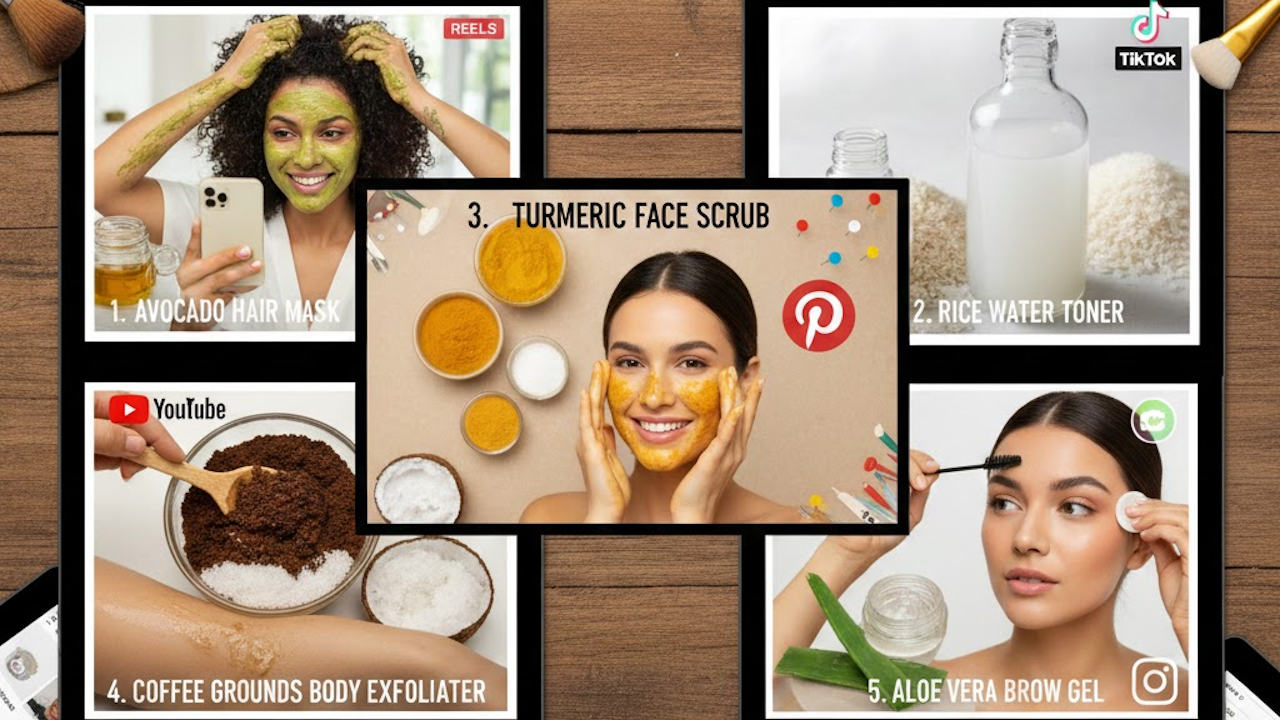
Introduction to DIY Beauty Trends
The rise of DIY beauty trends on social media platforms represents a significant shift in consumer behaviors and attitudes towards personal care. With an increasing desire for natural and customizable beauty solutions, individuals are opting for do-it-yourself methods that not only save money but also provide a sense of satisfaction and ownership over their beauty routines. The growing preference for budget-friendly alternatives to traditional commercial products can be attributed to several factors, including concerns about harmful ingredients, a desire for eco-friendliness, and the aspiration for individualized care.
Social media has played a pivotal role in promoting these DIY beauty trends, allowing users to share innovative techniques, recipes, and tutorials with a vast audience. Platforms like Instagram, TikTok, and Pinterest have become hubs for influencers and everyday users alike to showcase their creations, from homemade face masks to natural hair care solutions. This democratization of beauty information enables a global community to connect, learn, and inspire one another in their pursuit of more sustainable and personalized beauty practices.
The community aspect is important as it fosters a collaborative environment, empowering individuals to experiment and share their successes and failures. Users are no longer passive consumers of beauty products; they are active participants in creating and customizing their beauty routines. This shift towards DIY beauty trends is not just about repurposing ingredients found in the kitchen; it reflects a broader movement towards self-sufficiency, creativity, and a deeper understanding of one’s own unique beauty needs.
In summary, DIY beauty trends have gained considerable traction on social media due to their alignment with consumer values of sustainability, affordability, and personalization. As these trends continue to evolve, they are reshaping the landscape of beauty, encouraging a more conscious and engaged approach to self-care. This emerging paradigm invites individuals to redefine their beauty practices, fostering a sense of community and empowerment in a world that often prioritizes commercialism over authenticity.
At-Home Face Masks: The Rise of Natural Ingredients
In recent years, the popularity of at-home face masks has surged, fueled by social media’s ability to disseminate information rapidly and effectively. Individuals seeking skincare solutions are increasingly turning to DIY face masks made from natural ingredients, recognizing both the benefits and versatility these concoctions provide. Recipes utilizing items such as honey, avocado, oatmeal, and various fruits have become prevalent, with countless tutorials circulating on platforms like Instagram and TikTok.
One of the core advantages of employing organic components in DIY face masks lies in their ability to nourish the skin without the harsh chemicals often found in commercial products. Participants in this beauty trend appreciate the gentleness of natural ingredients, making them suitable for various skin types. For example, honey is celebrated for its moisturizing properties, while oatmeal can soothe irritation, making it ideal for sensitive skin. As consumers become more knowledgeable about their skin’s needs, the process of customizing masks to target specific concerns—such as dryness, acne, or aging—has gained traction.
To safely create an effective DIY face mask, sourcing high-quality ingredients is paramount. Fresh, organic produce not only enhances the efficacy of the final product but also minimizes the risk of allergic reactions. Additionally, individuals are encouraged to conduct patch tests to ascertain tolerance levels before applying a new mixture to their entire faces. Mixing these ingredients often involves straightforward steps, such as mashing fruits or blending elements to achieve a preferred consistency.
Application and removal techniques are equally essential for maximizing results. A gentle application ensures that the mask adheres properly to the skin, while following specific removal guidance helps to avoid irritation. Observing proper hygiene practices while preparing and using these homemade masks enhances the overall experience. Ultimately, the trend of at-home face masks underscores a growing desire for personalized skincare solutions, made easily available through the resources shared online.
Hair Care Hacks: From Hair Oils to Scalp Treatments
In recent years, DIY hair care hacks have taken social media by storm, particularly on platforms like Instagram and TikTok. Users are increasingly seeking natural alternatives to commercial hair products, leading to the rise of homemade hair oils, conditioners, and scalp treatments. These DIY approaches not only promote healthier hair but also empower individuals to customize their hair care routines based on their specific needs.
Homemade hair oils are a favorite among beauty enthusiasts, as they can nourish and moisturize the hair effectively. Ingredients such as coconut oil, argan oil, and olive oil are frequently featured in recipes for hair oils, each offering unique benefits. For instance, coconut oil is known for its ability to penetrate the hair shaft, reducing protein loss and providing deep hydration. Argan oil, rich in antioxidants, helps to tame frizz and adds shine, making it an ideal choice for those with dry or damaged hair. Meanwhile, olive oil is packed with vitamins and can improve scalp health by preventing dryness.
Natural conditioners are another crucial aspect of DIY hair care. Many social media users have turned to kitchen staples like avocado, honey, and yogurt to create conditioning masks. Avocado is celebrated for its high-fat content, which can help restore moisture to the hair. Honey acts as a humectant, drawing moisture into the hair, while yogurt contains proteins that strengthen and repair damaged strands. These ingredients cater to various hair types, providing nourishment tailored to individual needs.
Scalp treatments are also gaining traction, with users exploring options like apple cider vinegar and tea tree oil to promote scalp health. Apple cider vinegar can help balance the scalp’s pH, removing buildup and enhancing shine. Tea tree oil is renowned for its antibacterial properties, making it an effective option for those dealing with dandruff. As these DIY hair care trends continue to flourish, they highlight the growing preference for natural and personalized solutions in beauty regimens.
DIY Nail Art: Creative Designs at Home
In recent years, DIY nail art has garnered significant attention on social media platforms, becoming one of the leading beauty trends among enthusiasts. The availability of tutorials and shared creative designs encourages individuals to experiment and express their artistic talents from the comfort of their own homes. Techniques such as ombre, marbling, and the use of simple nail decals have emerged as popular choices for achieving stunning nail designs that rival professional finishes.
Ombre nails, characterized by a gradient effect, can be created using a few basic tools. To begin, select two complementary nail polish colors. Using a makeup sponge, apply a thin layer of the lighter color to the top half of the sponge and the darker shade to the bottom. Gently dab the sponge onto the nail surface, blending the two colors until achieving a smooth transition. This technique not only allows for customization with various color combinations but also provides a trendy look that is sure to impress.
Marbling is another favored technique for those looking to add a unique flair to their nails. Begin by filling a bowl with warm water and dropping several nail polish colors in a marbled pattern on the surface. Using a toothpick or a pin, swirl the colors together in a creative design. Once satisfied with the outcome, dip your finger into the water at an angle to capture the marbled effect, and remove any excess polish with a small brush. This method can yield striking results with minimal effort.
For a more straightforward approach, nail decals have surged in popularity for their ease of use. Available in various designs and themes, these decals can be applied on dry nails with a top coat to secure them in place. Whether opting for intricate patterns or minimalist designs, one can achieve salon-quality nail art at home without the need for extensive tools or professional assistance.
Ultimately, by harnessing the power of social media for inspiration and tutorials, DIY nail art has become an accessible way for beauty enthusiasts to explore their creativity. With the right tools and an adventurous spirit, anyone can successfully replicate trending nail designs that reflect their personal style.
Green Beauty: Eco-Friendly Practices and Ingredients
The shift towards sustainable beauty practices, commonly referred to as “green beauty,” has gained significant traction on social media platforms. This movement advocates for the use of eco-friendly ingredients and the reduction of waste in beauty routines. Consumers are becoming increasingly aware of the environmental impact associated with conventional beauty products, leading to a growing interest in DIY alternatives that are both effective and sustainable.
DIY beauty recipes are at the forefront of this trend, with homemade deodorants, exfoliants, and skincare products becoming popular among eco-conscious individuals. These formulations often employ natural ingredients, such as baking soda, essential oils, and coconut oil, which not only minimize harmful chemicals but also provide effective results. For instance, homemade deodorants can be crafted using a mixture of baking soda and shea butter, offering a sustainable alternative to traditional antiperspirants laden with synthetic additives. Similarly, sugar or coffee grounds mixed with olive oil can serve as a gentle yet effective exfoliant, promoting healthy skin while reducing plastic waste from store-bought scrubs.
Social media plays a crucial role in enhancing the visibility of green beauty practices. Platforms like Instagram and TikTok have fostered a vibrant community where users share their DIY recipes, tips, and personal experiences. Influencers and beauty enthusiasts alike contribute to this conversation, emphasizing the importance of sustainability in the beauty industry. By showcasing the ease and affordability of creating homemade beauty products, they inspire their followers to adopt eco-friendly practices and make informed choices about the products they use. The use of hashtags related to green beauty enables users to connect, share, and discover a wealth of resources and information that further supports this conscientious approach to skincare.
In conclusion, the rise of green beauty represents a significant shift in consumer attitudes towards sustainability. As awareness grows, the commitment to eco-friendly practices and ingredients strengthens, offering a promising direction for the beauty industry as it moves toward a more sustainable future.
The Role of Social Media Influencers in DIY Beauty
Social media influencers play a pivotal role in shaping contemporary DIY beauty trends, significantly impacting the way these trends are perceived and adopted by various audiences. With platforms like Instagram, YouTube, and TikTok at their disposal, influencers harness the power of visual storytelling to demonstrate a wide array of DIY beauty techniques. By showcasing step-by-step tutorials, they offer viewers a first-hand look at how to recreate the latest beauty hacks, thus demystifying complex procedures and making them accessible to the general public.
The authenticity of influencer-led content is one of the primary reasons for their influence in the DIY beauty space. Many influencers share personal experiences and successes with DIY routines, fostering a sense of credibility and relatability. This transparency allows followers to connect with the influencers on a personal level, making them more likely to trust their recommendations for DIY beauty products. As influencers create content detailing their beauty journeys, they contribute to the cultivation of a community centered around shared interests in beauty and self-care.
Moreover, influencer engagement goes beyond just tutorials. Influencers often interact with their audiences through Q&A sessions, polls, and live demonstrations, allowing for real-time feedback and discussions. This direct communication enhances the sense of community, encouraging fans to share their own experiences, tips, and results from following the influencer’s advice. This dynamic interaction cultivates a supportive environment that further promotes the DIY beauty movement, as followers become active participants rather than mere observers.
Ultimately, the role of social media influencers in DIY beauty cannot be overstated. Through their authentic content and community engagement, they are not only promoting trends but also shaping consumer perceptions, making DIY beauty a prominent aspect of contemporary beauty culture. Their continued influence will likely pave the way for even more innovative beauty practices in the future.
Challenges and Considerations in DIY Beauty
Engaging in DIY beauty practices has become increasingly popular, fueled by social media platforms that showcase a myriad of innovative and creative ideas. However, it is crucial to address several challenges and safety considerations that individuals should keep in mind while experimenting with these beauty trends. One of the primary concerns is skin sensitivity, which can vary greatly from person to person. Natural ingredients, while often perceived as safe, can still trigger adverse reactions. For this reason, it is essential to conduct patch tests prior to using any DIY product extensively. This involves applying a small amount of the mixture to a discreet area of the skin and waiting 24 hours to determine if any irritation occurs.
In addition to skin sensitivity, the risk of allergic reactions must also be taken into account. Some individuals may have allergies to certain natural ingredients such as essential oils, fruits, or herbs. Therefore, it is vital to research ingredients thoroughly and avoid using materials that a person is not familiar with or has had prior reactions to. Detailed knowledge of the constituents can help ensure that the DIY beauty routine not only enhances appearance but also safeguards health.
Moreover, different skin types require tailored solutions. What works for one person’s skin may not necessarily be suitable for another. Understanding one’s individual beauty needs is paramount. This means considering factors such as skin type, existing conditions, and personal preferences when selecting or creating DIY products. By taking these precautions and doing adequate research, individuals can enjoy the benefits of DIY beauty while minimizing potential risks.
Expert Opinions: Insights from Beauty Professionals
In recent years, the surge of DIY beauty trends on social media has prompted considerable discussion among beauty professionals, including dermatologists and cosmetologists. Many experts recognize the appeal of homemade beauty products, often driven by the desire for natural, affordable alternatives to commercial products. However, professionals emphasize the importance of understanding the efficacy and safety of these DIY concoctions.
According to Dr. Jane Smith, a dermatologist with over a decade of experience, “While some homemade beauty recipes can deliver benefits, it’s crucial to ensure that the ingredients used are safe for skin application. Not all natural ingredients are necessarily harmless; for example, citrus-based products can cause photosensitivity, leading to skin irritation.” Most dermatologists recommend conducting patch tests before using any new DIY formulas to prevent adverse reactions.
Moreover, licensed cosmetologist Emma Johnson highlights the need for precision in DIY skincare. “DIY beauty can be effective, but it requires careful selection and measurement of ingredients to achieve consistent results,” she advises. Professionals often recommend recipes that include widely known, skin-friendly components such as honey, aloe vera, and coconut oil, which have recognized hydrating and soothing properties. However, they caution against using ingredients that lack scientific backing or those that could potentially harm the skin.
In addition to careful selection of ingredients, beauty experts emphasize the importance of hygiene. “Maintaining a clean environment and using sterilized tools is essential when creating homemade beauty products,” points out Dr. Sarah Lee, another dermatologist. “This not only helps ensure the safety of the application but also maximizes the product’s longevity.” Ultimately, while DIY beauty trends continue to thrive, educating oneself on best practices and seeking professional advice can enhance the experience, offering both enjoyment and safety in exploring these creative avenues.
Conclusion: The Future of DIY Beauty Trends
As we have explored throughout this blog post, DIY beauty trends have taken social media by storm, with a variety of innovative and creative approaches emerging to redefine personal care routines. From at-home skincare treatments to personalized makeup formulations, these trends reflect a growing desire for self-expression and empowerment within the beauty community. Consumers are keen to adopt these practices, driven by a blend of cost-effectiveness, customization, and sustainability.
The lifespan of these trends can be influenced by various factors including technological advancements and shifting consumer preferences. With the rise of beauty tech, we anticipate a surge in gadgets and apps designed specifically for DIY beauty enthusiasts. For instance, devices that analyze skin conditions or customized formulations could revolutionize the way individuals create their beauty products at home. This not only enhances the user experience but also increases the potential for effective results, encouraging more people to embrace DIY beauty.
Moreover, as consumers become increasingly eco-conscious, the DIY beauty movement aligns with their preference for sustainable practices. The potential to use natural, organic ingredients sourced from local suppliers can reduce carbon footprints significantly compared to traditional, mass-produced beauty products. The continuation of this ethos may shape future trends and encourage further innovation in the industry.
In this vibrant community, sharing personal DIY experiences can foster connections and inspire others to embark on similar journeys. Engaging discussions around techniques, ingredient choices, and outcomes will undoubtedly contribute to a thriving exchange of ideas. As social media continues to play a pivotal role in shaping these trends, it is essential for enthusiasts to stay connected and share their stories. Ultimately, the future of DIY beauty trends appears bright, with endless possibilities waiting to be discovered.
Call to Action: Share Your DIY Beauty Journey
The rise of DIY beauty trends on social media has transformed the way individuals engage with their personal care routines. With numerous platforms available for sharing creative endeavors, it has become easier than ever to participate in the vibrant conversation surrounding DIY beauty. We encourage you to join this community and share your unique creations with others. Document your beauty projects, whether it’s a homemade skincare product or a custom lip gloss, and showcase your innovative spirit.
To expand your reach and connect with fellow beauty enthusiasts, consider using relevant hashtags when posting your creations. Hashtags such as #DIYBeauty, #HomemadeSkincare, and #BeautyOnABudget can help your content gain visibility among those who appreciate the art of beauty crafting. Engaging with these hashtags also allows you to explore and draw inspiration from a plethora of ideas shared by others. By participating in this way, not only do you contribute to the community, but you also can discover new techniques and products that revitalize your beauty routine.
It is essential to actively engage with beauty communities online. Platforms dedicated to DIY beauty often foster a sense of camaraderie, enabling individuals to exchange tips, tricks, and personal experiences. Commenting on posts, joining group discussions, and sharing constructive feedback can enhance your connections within these communities, leading to valuable friendships and collaborations. Remember, your voice matters; sharing your story could inspire others to embark on their own DIY beauty journeys.
Embrace your creativity and express your individuality through your beauty endeavors. By raising awareness of your personal projects and engaging with others, you contribute to an inclusive beauty culture that celebrates diversity. Seize the opportunity to showcase your talent and passion for beauty through social media, and who knows, your DIY beauty creation may just spark the next trending topic!