

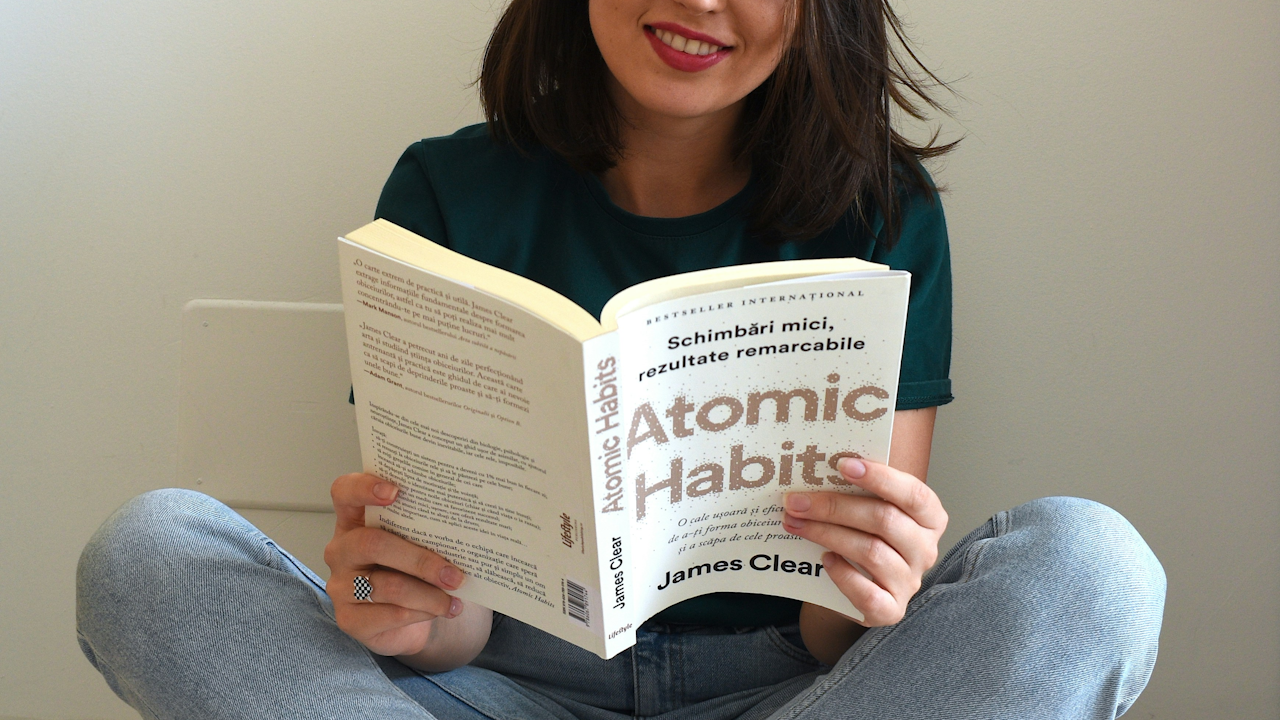
In a fast-paced world filled with overwhelming goals and ambitious resolutions, true transformation often begins with the smallest steps. Micro-habits are those effortless daily actions that demand little time or willpower yet compound over weeks, months, and years into profound shifts in health, mindset, productivity, and overall well-being. Unlike grand overhauls that frequently lead to burnout and abandonment, these tiny practices build momentum gradually. They rewire your brain through consistent repetition, foster a sense of achievement, and create sustainable progress without the pressure of perfection. Research in behavioral psychology highlights how such incremental changes activate reward pathways and reduce resistance, making long-term success far more attainable than sporadic big efforts. By adopting just a few of these micro-habits, you can experience clearer thinking, stronger relationships, better physical vitality, and a deeper sense of control over your life. The following ten practices, each taking only minutes per day, have the power to reshape your trajectory when performed consistently.
1. Drink a glass of water first thing in the morning.
Start your day by consuming a full glass of room-temperature water immediately upon waking, before coffee or breakfast. This simple ritual rehydrates your body after hours of sleep-induced fluid loss and kick-starts your metabolism. Mild dehydration upon rising can contribute to fatigue, brain fog, and reduced mental performance, but addressing it right away sharpens focus and elevates energy levels throughout the morning. Studies indicate that proper early hydration supports cognitive functions like memory and mood while aiding digestion and preventing headaches. To implement it effortlessly, keep a glass or bottle by your bedside the night before so the action becomes automatic. Over time, this habit compounds into better skin health, sustained energy, and even slight weight management benefits as it curbs unnecessary snacking driven by thirst mistaken for hunger. Within weeks, many people notice improved alertness and fewer afternoon slumps, setting a foundation for healthier choices all day long.
2. Make your bed right after waking up.
Take two minutes each morning to straighten your sheets, fluff your pillows, and tidy your bedding neatly. This act creates an immediate sense of order and accomplishment that carries into the rest of your day. It serves as a keystone habit, signaling to your mind that you are capable of completing tasks and maintaining discipline. The ripple effect often extends to other areas of organization, reducing mental clutter and promoting calmness. Naval leaders and productivity experts have long praised this practice for building resilience and a proactive mindset, noting how it fosters a productive start that influences work and personal routines. To make it stick, pair it with your existing wake-up sequence, such as right after brushing your teeth. In the long run, this micro-habit cultivates self-confidence and better sleep hygiene because returning to a made bed at night feels rewarding. People who adopt it report lower stress levels and greater overall life satisfaction as small wins accumulate into a more structured existence.
3. Practice five minutes of mindfulness or breathing exercises.
Set aside a brief window, perhaps right after your morning water or before bed, to sit quietly and focus on your breath or engage in simple mindfulness. Try cyclic sighing, which involves two quick inhales through the nose followed by a long exhale through the mouth, or basic deep breathing. This short session calms the nervous system, lowers anxiety, and enhances emotional regulation without requiring any special tools or training. University research demonstrates that even brief daily breathing practices boost feelings of energy, joy, and peace while improving focus and processing speed by reducing mental distractions. It also supports brain health by mitigating chronic stress that otherwise impairs memory and decision-making. Begin with a timer on your phone and use a quiet corner or app reminder if helpful. Consistency leads to measurable gains in resilience, better sleep quality, and heightened presence during daily interactions. Over months, practitioners often experience reduced reactivity to stressors and a more positive outlook that permeates work, relationships, and self-perception.
4. Commit to reading at least ten pages of a book each day.
Choose a physical book or e-reader and dedicate a fixed time, such as during your commute or before sleep, to absorb ten pages or roughly fifteen minutes of reading. This micro-habit expands knowledge incrementally, sharpens vocabulary, and stimulates empathy through diverse perspectives. Unlike scrolling on devices, focused reading reduces stress significantly and builds neural connections that enhance creativity and problem-solving. The compounding nature means you finish dozens of books annually, accelerating personal growth and professional insights without feeling burdensome. To integrate it seamlessly, place your book on a visible spot like your nightstand or bag. Track progress in a simple note to maintain motivation. Long-term adopters report improved concentration, greater life satisfaction, and even better sleep as reading replaces screen time. This practice transforms idle moments into opportunities for lifelong learning and intellectual fulfillment.
5. Write down three things you are grateful for.
Each evening or morning, jot three specific items of gratitude in a notebook or on your phone, ranging from a good meal to a supportive conversation. This quick exercise shifts your focus from lacks to abundances, rewiring your brain toward optimism through repeated positive reinforcement. Psychological studies link regular gratitude practice to lower levels of depression and anxiety, improved sleep, stronger immune function, and even potential longevity benefits via reduced inflammation. It fosters resilience by building emotional buffers against setbacks and encourages more proactive behaviors like increased physical activity. Make it effortless by linking it to brushing your teeth or another evening routine. Specificity matters, so avoid vague entries and emphasize details for deeper impact. Over time, this habit cultivates a mindset of abundance that improves relationships, boosts motivation at work, and elevates overall happiness as you begin noticing more positives in everyday life.
6. Take a ten-minute walk every day.
Incorporate a short stroll, ideally outdoors or after a meal, into your schedule without aiming for intense exercise. This gentle movement stabilizes blood sugar, enhances cardiovascular health, and clears mental fog through increased blood flow to the brain. Research from large-scale analyses shows that such brief daily walks correlate with extended lifespan, better mood via endorphin release, and reduced risks of chronic conditions like diabetes that harm cognitive function. It also combats sedentary effects by breaking up prolonged sitting periods. Start small by walking during a work break or after dinner to pair it with an existing habit. No equipment or gym membership is needed, making consistency high. In the long term, this practice builds stamina, supports weight management, and improves sleep while fostering creativity during reflective movement. Many experience heightened energy and a calmer disposition as the habit reinforces a more active lifestyle naturally.
7. Floss your teeth every evening.
Spend two minutes before bedtime flossing thoroughly to remove plaque between teeth. Far beyond oral hygiene, this micro-habit lowers systemic inflammation and reduces risks associated with gum disease, including stroke and heart issues. Longitudinal studies tracking thousands of adults reveal that consistent flossers enjoy significantly lower rates of ischemic stroke, preserving brain health and cognitive abilities over decades. It also prevents costly dental problems and contributes to fresher breath and confidence in social settings. Keep floss by your sink and make it the final step in your nighttime routine for automatic integration. Though it feels minor initially, the cumulative effect includes fewer health complications and a stronger sense of self-care discipline. Adopters often notice broader benefits like better eating habits from improved mouth health and an overall commitment to preventive wellness.
8. Follow the two-minute rule for quick tasks.
Whenever you encounter a task that takes less than two minutes, complete it immediately rather than postponing. This includes replying to a short email, hanging up clothes, or washing a dish. The rule combats procrastination by eliminating decision fatigue and building a bias toward action that snowballs into larger productivity. Behavioral experts emphasize how it reduces mental backlog and creates an environment of order, freeing cognitive resources for important work. To apply it, scan your surroundings or to-do list throughout the day and act without delay on qualifying items. Over weeks, this habit diminishes overwhelm, heightens efficiency, and reinforces an identity of reliability. Long-term results include cleaner spaces, faster goal progress, and less stress from accumulated small burdens, ultimately leading to higher achievement in personal and professional spheres.
9. Declutter or tidy one small area daily.
Pick one limited spot, such as a drawer, countertop section, or digital folder, and organize or remove one item from it each day. This micro-action prevents clutter buildup that contributes to mental fatigue and decision overload. A tidy environment promotes clearer thinking and reduces anxiety by signaling control and calm. It also trains focus and discipline without requiring marathon cleaning sessions. Link the habit to a trigger like your morning coffee or evening wind-down. Start with visible areas for quick wins that motivate continuation. As months pass, your living and working spaces become consistently organized, enhancing creativity, efficiency, and peace of mind. The practice extends to digital life, improving file access and reducing virtual distractions for sustained productivity gains.
10. Perform a brief evening reflection and plan for tomorrow.
Spend two to five minutes before sleep noting one win from the day and outlining three priorities for the next. This reflection solidifies learning, reinforces positive behaviors, and primes your subconscious for focused action. It improves memory consolidation and sleep quality while cultivating a growth mindset through acknowledgment of progress. Research on journaling and planning shows benefits for goal attainment, reduced worry, and enhanced problem-solving. Use a dedicated notebook or app to keep it structured and brief. Pair it with gratitude if desired for added emotional boost. In the long run, this habit sharpens decision-making, boosts confidence through visible advancement, and aligns daily efforts with bigger aspirations, leading to accelerated personal development and fulfillment.
These micro-habits may appear insignificant at first glance, yet their power lies in consistency and compounding. When practiced together or even selectively, they create synergistic effects across physical vitality, mental clarity, emotional balance, and purposeful action. Begin with one or two that resonate most, track your adherence for thirty days to build momentum, and adjust as needed without self-judgment. The key is starting small enough that resistance fades, allowing identity-level changes to emerge where you see yourself as someone who follows through reliably. Over a year, the cumulative impact can rival that of major life overhauls, delivering improved health, stronger relationships, sharper focus, and a profound sense of empowerment. Embrace these practices today, and witness how tiny daily investments yield a transformed life tomorrow and beyond.