

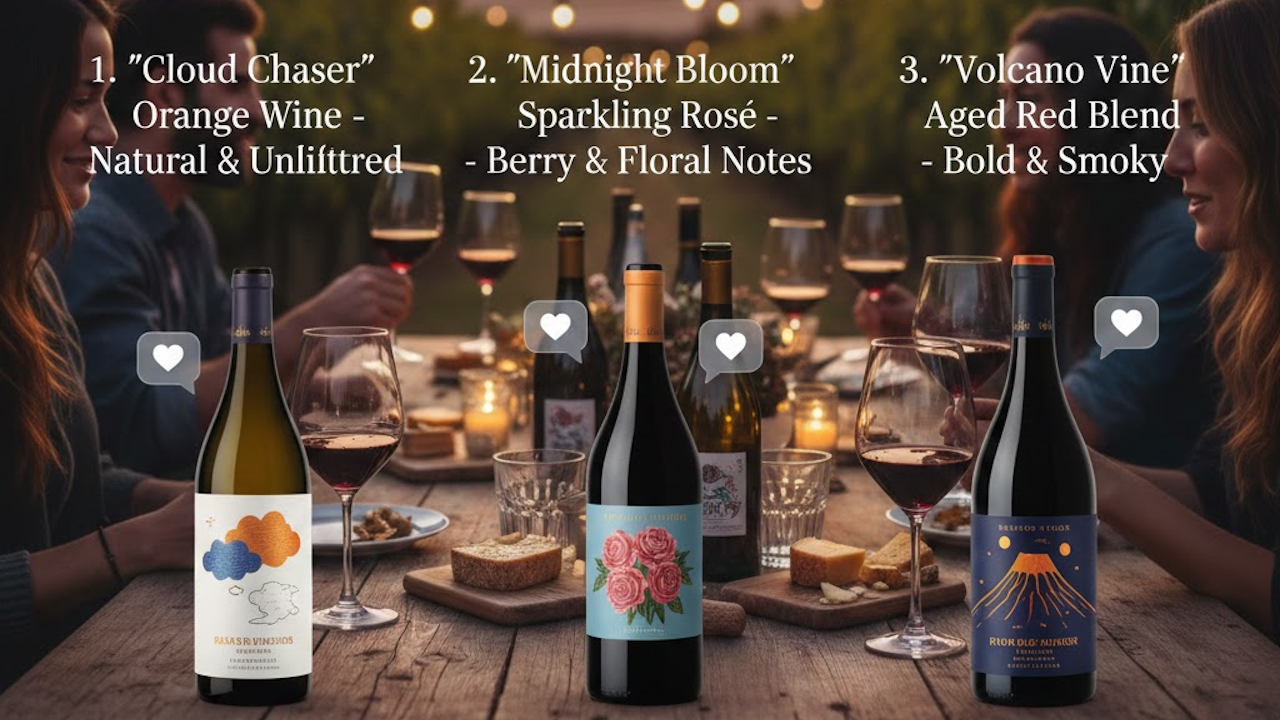
The world of wine has always moved in cycles of fashion and discovery, but the mid-2020s have accelerated that rhythm in ways few could have predicted a decade earlier. Social media, climate shifts, rising prices for classic bottles, and a collective desire for more intentional drinking have combined to create a vibrant new landscape. In 2026, the bottles generating the most excitement are not always the ones with the highest price tags or the most famous names. Instead, they are wines that tell clear stories of place, offer real drinkability, and often arrive with a sense of discovery that feels personal. These are the viral vintages and styles that have captured attention on platforms like TikTok and Instagram while also earning serious respect from sommeliers and collectors. Here is a closer look at the currents shaping what people are pouring right now, along with specific bottles and regions worth seeking out.
Social media has become one of the most powerful forces in wine discovery. Short videos of uncorking, tasting, and pairing have turned previously obscure producers into household names among younger drinkers. One clear example is Cava Vives Ambros from Spain. This family-run producer from the Montferri area has seen its bottles appear repeatedly in user-generated content, with influencers and everyday drinkers filming the pop of the cork, the lively bubbles, and the approachable, food-friendly character of the wine. The brand’s organic practices and award-winning reserves have helped it stand out in a crowded sparkling category. Similar organic traction has lifted other smaller producers whose owners or fans share vineyard footage, bottling days, and casual tastings. The result is a democratization of discovery: a wine that once needed years of critical praise can now find an audience overnight if it looks and tastes compelling on camera.
This social energy sits alongside a broader shift toward intentional drinking. Many consumers are choosing to open fewer bottles but spend more carefully on each one. Rising costs of living, a focus on wellbeing, and simply busier lives have encouraged people to prioritize quality, freshness, and genuine expression of place over sheer volume. Small growers who farm thoughtfully and make wines with balance and personality have benefited most. South African Chenin Blanc from producers who emphasize texture and savory notes, Southwest French reds with bright fruit and moderate alcohol, and Greek whites and reds built on indigenous varieties all fit this mood. These wines reward attention without demanding formality. They feel current because they match how people actually want to drink in 2026.
Orange wine has completed its journey from niche curiosity to established category. Once confined to natural wine bars and experimental lists, skin-contact whites now appear on mainstream restaurant programs and retail shelves with growing confidence. The style offers tannin and structure without the weight of many reds, plus a savory complexity that pairs well with autumn and winter cooking. Approachable examples have driven much of the popularity. Gulp Hablo Orange from Spain delivers fresh, light, gulpable character at an accessible price. Field Recordings Skins from California brings bright California fruit with enough texture to feel interesting. Italian bottlings such as Quarticello Le Mole Malvasia and the more serious Denavolo Dinavolino show the aromatic and layered possibilities of the style. These wines succeed because they satisfy both the adventurous drinker seeking something new and the red-wine lover looking for structure without heaviness. In 2026, orange wine feels less like a trend and more like a permanent option that has found its seasonal rhythm.
Sparkling wine continues to expand far beyond Champagne. High prices and a desire for more everyday drinkability have pushed drinkers toward alternatives that still deliver celebration and quality. English sparkling has reached a new level of consistency and recognition. Producers working with traditional method techniques on chalk and greensand soils are releasing vintage and non-vintage wines that rival finer Champagnes in precision while often offering better value. Names such as Gusbourne, Nyetimber, Ridgeview, and Chapel Down appear regularly on recommendation lists, with recent strong vintages showing citrus, orchard fruit, and fine mousse. Spanish Cava has also reinvented itself through grower producers focused on indigenous grapes and longer aging. Beyond these, Crémant from the Loire, Burgundy, and Alsace, as well as dry Pet-Nat styles and even sparkling reds, provide lighter, more playful options. The common thread is identity: these wines taste of their place rather than attempting to imitate Champagne, and that authenticity has become part of their appeal.
Lighter reds and the practice of chilling red wine year-round form another major current. Warmer growing seasons and a shift toward vegetable-forward and lighter meals have made heavy, high-alcohol reds less appealing for many occasions. Producers in cooler sites and those working with naturally lighter varieties have responded by emphasizing freshness, acidity, and moderate alcohol. Gamay from Beaujolais, Cabernet Franc from the Loire, Pinot Noir from cooler German or Austrian sites, and certain Sicilian Nerello Mascalese blends all shine when served with a slight chill. The practice softens tannins, sharpens aromatics, and makes the wine feel more refreshing without sacrificing character. Bottles such as those from producers working in the Loire or with Carignan in South Africa demonstrate how delicious this approach can be. In warmer months the style feels obvious; in cooler weather it still offers brightness that many richer reds lack.
Indigenous grapes and emerging regions have gained real momentum. Drinkers increasingly seek distinctive flavors and cultural stories rather than familiar international varieties grown everywhere. Portugal’s local grapes outside the classic Port and Douro zones, Southwest French varieties such as Négrette and Fer Servadou, Greek Assyrtiko and Xinomavro, and Croatian coastal reds all deliver unique profiles at prices that still feel accessible. Among regions generating particular excitement, Mount Etna in Sicily stands out. The volcanic soils, high elevations, and artisanal producers working by hand have created a wave of distinctive reds from Nerello Mascalese and mineral whites from Carricante. These wines often show smoky, savory, and precise fruit character that rewards both immediate drinking and short-term aging. The Swartland in South Africa continues its avant-garde reputation with old-vine Chenin Blanc and Syrah that emphasize texture and saline notes over overt fruit. Crete in Greece is experiencing a renaissance driven by high-altitude old vines and varieties such as Vidiano and Liatiko. Basque Txakoli offers salty, crisp whites that make excellent alternatives to more expensive coastal wines. English still wines and sparkling continue their rise. These regions succeed because they offer discovery without requiring collectors’ budgets.
Even classic regions have become sources of value and excitement in 2026. Bordeaux has seen a shift toward more elegant styles alongside accumulated inventory from recent years of softer demand. The 2022 vintage is widely regarded as one of the strongest in recent memory, delivering concentrated yet balanced wines. Older back vintages with a decade of age are appearing at prices that once seemed impossible for the quality level. Piedmont’s 2021 Barolo and Barbaresco releases continue to offer long-term potential at relatively approachable prices compared with Burgundy. These opportunities allow drinkers to experience established excellence without the financial barriers that have grown in recent years.
Low- and no-alcohol wines have moved from novelty to permanent category. Improved production methods now focus on preserving mouthfeel, acidity, and balance rather than simply removing alcohol and accepting thin results. While not every bottle succeeds, the better examples from dedicated producers provide genuine options for times when lower alcohol is preferred. This category reflects a broader cultural willingness to match wine choices to specific moments rather than defaulting to full-strength bottles every time.
Taken together, these trends point toward a more diverse, accessible, and personal wine culture. The viral vintages of 2026 are those that reward curiosity: orange wines with grip and savor, English and grower sparkling that feel celebratory yet distinct, lighter reds that welcome a chill, volcanic Etna bottlings that taste of their dramatic landscape, and carefully chosen classics that finally offer better value. The common qualities are freshness, clear sense of place, and drinkability that fits contemporary life.
Seeking these wines does not require abandoning favorites. It simply means expanding the range of what feels exciting to open. A bottle of approachable Spanish orange wine on a weeknight, an English sparkling for a small celebration, a chilled Gamay with a simple meal, or a well-priced Bordeaux from a strong recent vintage can all deliver pleasure without pretension. The best discoveries often come from following the energy of the moment while trusting one’s own palate. In a year defined by intentional choices and social sharing, the most rewarding approach is to taste widely, share what resonates, and keep exploring the many regions and styles that are thriving right now. The viral vintages of today may become the everyday favorites of tomorrow, provided drinkers remain open to the new expressions arriving from both unexpected and classic places.