

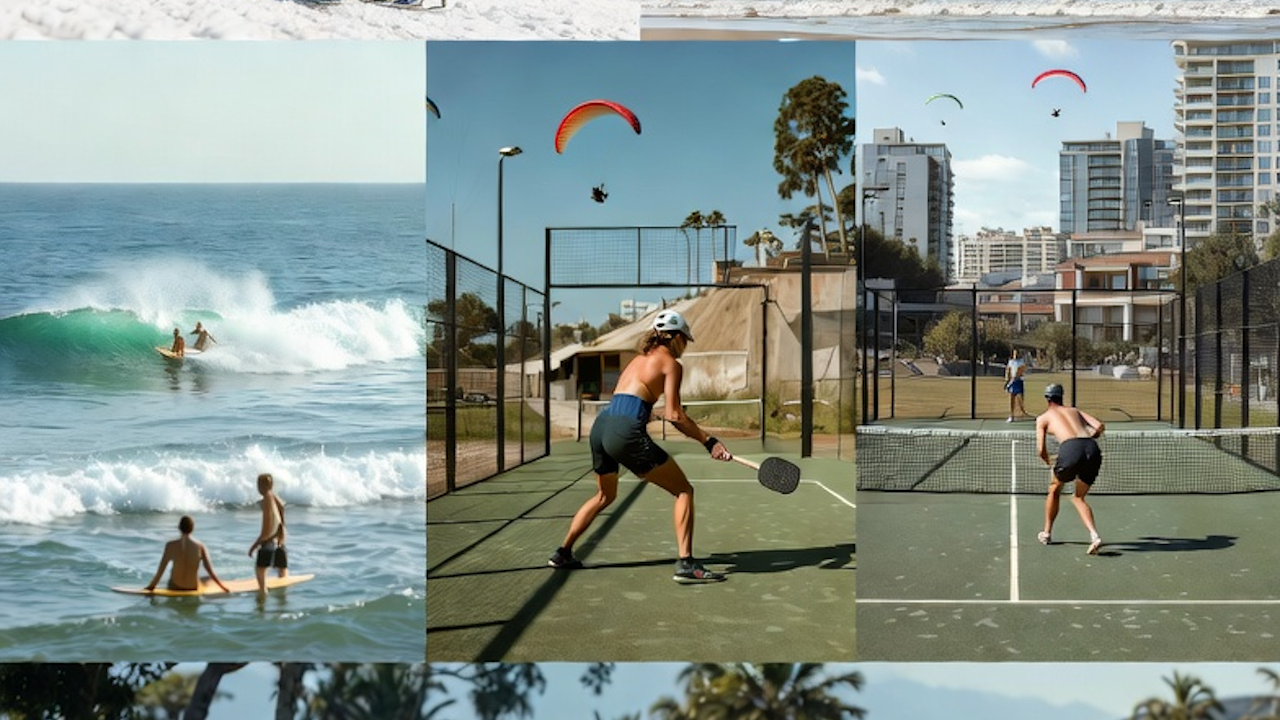
In 2026, wild sports activities have surged in popularity, reshaping how people seek adventure, challenge themselves, and connect with nature. From daring endurance races across harsh deserts to high-speed motorsports on dirt tracks and adrenaline-fueled aerial exploits, these pursuits are no longer niche hobbies for a handful of risk-takers. They have become mainstream phenomena, driven by younger generations craving authentic experiences over passive entertainment. Pinterest highlighted “darecations” as a top trend, with searches for adventure tourism rising sharply. Insurance providers report massive increases in policies for sports travel, signaling a broader shift toward physical tests in stunning natural settings.
This boom reflects deeper cultural changes. Millennials and Gen Z, often called Zillennials in this context, gravitate toward activities that combine skill, endurance, and spectacle. Social media amplifies the appeal, with athletes sharing raw footage of triumphs and failures. Economic factors play a role too, as the adventure tourism sector grows rapidly and outdoor apparel markets expand. In 2026, wild sports deliver not just thrills but a sense of accomplishment in an increasingly digital world.
The Endurance Revolution: Ultramarathons and Multi-Day Challenges
Endurance events stand at the forefront of this movement. Ultramarathons and multi-stage races push human limits in ways traditional marathons cannot match. The Marathon des Sables, celebrating its 40th edition in 2026, remains iconic. Runners cover roughly 251 kilometers over six days through the Sahara Desert, battling shifting dunes, extreme heat, and self-sufficiency demands. Similar events now span Namibia, Jordan, and other rugged locales, attracting amateurs alongside elites.
The Barkley Marathons in Tennessee earn their fearsome reputation as “The Race That Eats Its Young.” This unmarked, navigation-only ordeal through brutal terrain sees few finishers, blending physical punishment with mental fortitude. In Europe, the Ultra Trail de Mont Blanc covers 171 kilometers across three countries in the Alps. Newer twists include the World’s Deepest Marathon in a Swedish zinc mine and plans for high-altitude versions in places like Bolivia.
These races appeal because they test resilience in wild environments. Participants train rigorously, often incorporating hiking, mountaineering, and specialized nutrition. The growth ties into broader trends: sports insurance uptake for trekking and marathon travel has jumped dramatically. Events like these foster community, with shared suffering creating lasting bonds. In 2026, ultrarunning transcends sport, becoming a lifestyle for those seeking meaning through discomfort.
Hyrox workouts and military-style calisthenics gain traction too, blending functional fitness with competitive formats accessible to wider audiences. These prepare athletes for bigger challenges while offering standalone excitement.
Motorsports Go Wild: SuperMotocross and Electric Dirt Bikes
Motorsports deliver noise, speed, and dirt in ways that captivate younger fans. SuperMotocross (SMX) emerges as a standout, blending Supercross’s technical indoor precision with Motocross’s raw outdoor endurance. The series features dozens of races over months, culminating in a world championship. It resonates with Zillennials through engaging content, athlete personalities, and crossover appeal with fashion and lifestyle brands.
Stars like Jett Lawrence dominate tracks and social feeds, drawing massive followings. Manufacturers flock to the sport, with multiple OEMs competing in 2026. Electric dirt bikes surge in popularity, offering sustainable thrills and broadening access. Search trends show strong growth for these machines, aligning with eco-conscious adventure seekers.
Lawn mower racing and other quirky motorized events add fun variety, while simulation racing bridges virtual and real worlds. These activities thrive on spectacle: roaring engines, massive jumps, and close competition create shareable moments that fuel further interest.
Aerial Adventures: From Paragliding to Wingsuits
Taking to the skies provides unmatched perspectives and rushes. Paragliding in places like Pokhara, Nepal, or the Swiss Alps combines flight with breathtaking scenery. Tandem options lower barriers for beginners, while experienced pilots tackle longer cross-country journeys. Nepal’s adventure scene thrives with paragliding, ultralight flights, and more, set against Himalayan backdrops.
Wingsuit flying pushes extremes, with pilots achieving high speeds and distances in suits that mimic bird flight. Records continue to fall, inspiring new participants despite inherent risks. Bungee jumping and skydiving remain gateways, with iconic spots like New Zealand’s Queenstown or India’s Rishikesh offering high platforms and bridges.
Volcano surfing on Nicaragua’s Cerro Negro stands out as uniquely wild. Participants hike an active volcano then board or toboggan down its ash slopes at high speeds. Such activities blend natural wonder with physical demand, defining darecation appeal.
Red Bull events like X-Alps highlight hike-and-fly formats, combining trekking with paragliding across vast distances. These showcase human potential and strategic decision-making under pressure.
Water and Terrain-Based Thrills
Rivers and oceans host their share of wild action. White-water rafting in Rishikesh or Norway’s Sjoa River delivers teamwork and excitement through rapids. Canyoning and gorge walking involve scrambling, jumping, and swimming through narrow passages, gaining popularity for their immersive nature.
Surfing, wing surfing, and kitesurfing evolve with technology, making them more accessible. Snorkeling booms due to eco-tourism interest, though adventurers seek bigger challenges like high diving or wake surfing competitions.
Mountain destinations like Huesca in Spain earn global acclaim for barranquismo (canyoning), via ferrata routes, and rafting. Patagonia, Iceland, and Utah’s Moab offer glacier hikes, ice climbing, and desert technical terrain. Multi-sport hubs such as Queenstown allow visitors to mix bungy, jet boating, and heli-hiking in single trips.
Freeride skiing and snowboarding head toward Olympic inclusion by 2030, with 2026 seeing continued growth in backcountry and big-mountain disciplines.
Why Wild Sports Dominate 2026
Several factors converge. Social media turns participants into content creators, inspiring others. Improved gear, from e-bikes to advanced safety equipment, reduces barriers while maintaining thrills. Travel trends favor experiences over relaxation, with adventure tourism valued in the hundreds of billions and projected for strong growth.
Health and wellness intersect here too. These activities build physical and mental toughness, countering sedentary lifestyles. Corporate team-building incorporates outdoor challenges like kayaking or ropes courses, strengthening bonds through shared adversity.
Risk management evolves with better training, insurance, and technology such as GPS trackers and apps for route planning. Yet the core allure remains: confronting nature’s power and one’s own limits.
Challenges persist, including environmental impact and safety concerns. Responsible operators emphasize sustainability, from low-impact events to conservation-focused tours. Participants increasingly prioritize eco-friendly practices.
The Future of Wild Pursuits
As 2026 unfolds, wild sports activities show no signs of slowing. Hybrid events, tech integration, and global accessibility will likely expand participation. Whether conquering a desert ultra, racing dirt bikes, or soaring above mountains, these pursuits offer irreplaceable rewards: stories forged in effort, landscapes etched in memory, and personal growth earned through challenge.
For those ready to step outside comfort zones, 2026 presents unparalleled opportunities. Research destinations, train appropriately, and embrace the wild. The world awaits, full of trails, tracks, and skies ready to be explored.