

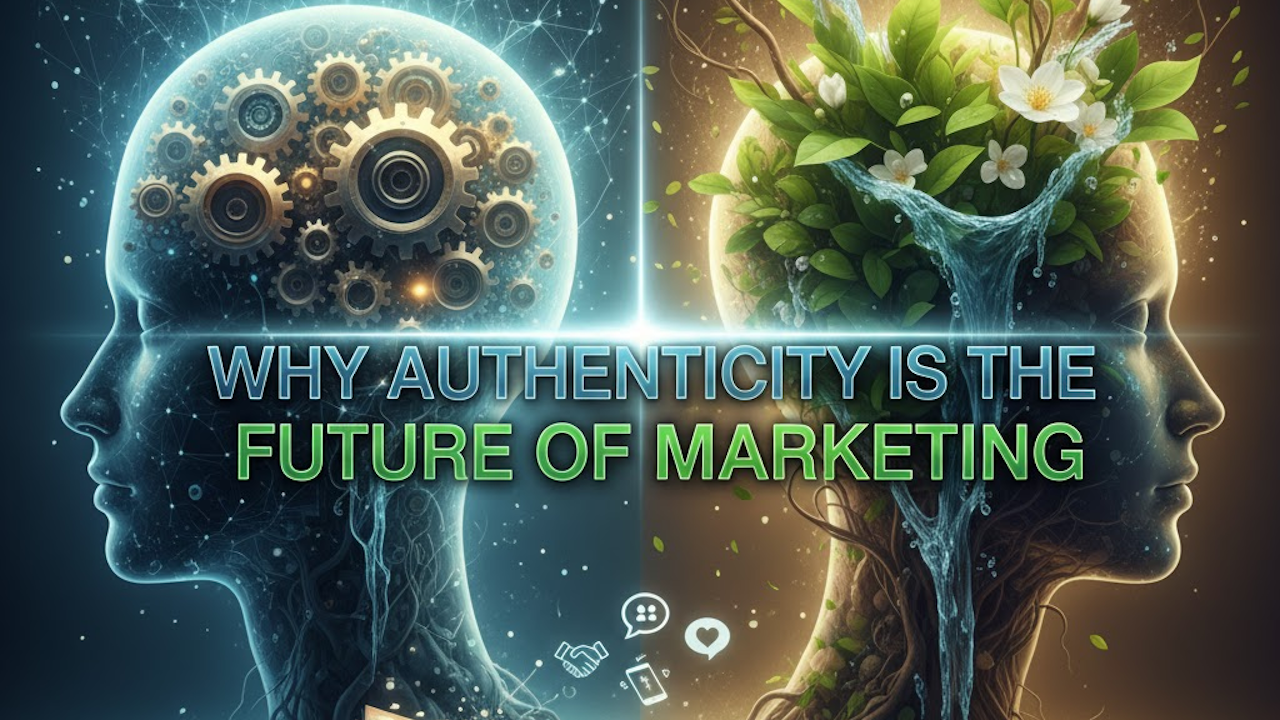
In an era where consumers are bombarded with countless advertisements every day, traditional marketing tactics are losing their effectiveness. Glossy campaigns, polished celebrity endorsements, and scripted messages often feel disconnected from reality. Instead, a new priority has emerged: authenticity. Brands that embrace genuine communication, transparent practices, and real human connections are gaining ground. This shift is not a temporary trend but a fundamental change in how businesses must operate to thrive. Authenticity has become the cornerstone of successful marketing strategies moving forward.
The Evolution of Marketing and the Authenticity Gap
Marketing has undergone significant transformations over the decades. In the mid-20th century, television and print ads dominated with aspirational imagery and bold claims. Brands positioned products as solutions to idealized lifestyles. The internet era introduced targeted digital ads, data-driven personalization, and social media platforms that allowed for direct consumer interaction. Yet, this abundance of information has also bred widespread skepticism.
Consumers today are more informed and discerning than ever. They can research products instantly, read reviews from real users, and spot inconsistencies in brand messaging. Studies consistently show that a large percentage of people distrust traditional advertising. They crave honesty over hype. When brands attempt to manufacture relatability through overly produced content, it backfires, creating what experts call an “authenticity gap.”
This gap widened during major global events like the economic recessions and public health crises of recent years. People turned inward, valuing reliability and shared values. Brands that responded with opportunistic messaging faced backlash, while those that stayed true to their core principles built stronger bonds. The future belongs to those who close this gap by prioritizing realness.
Consumer Demand for Transparency and Trust
At the heart of the authenticity movement is a fundamental human need for trust. In a world filled with misinformation and corporate scandals, consumers seek brands they can believe in. Transparency is no longer optional; it is expected. This includes openly sharing supply chain details, admitting mistakes, and aligning actions with stated values.
For instance, when a company faces a product issue, the authentic response involves quick acknowledgment, clear communication, and meaningful remedies. Hiding problems or issuing vague statements erodes confidence. On the other hand, brands that own their shortcomings often emerge with enhanced reputations. This approach fosters emotional connections that transactional marketing cannot achieve.
Younger generations, particularly Millennials and Gen Z, drive much of this demand. These groups grew up with social media and have witnessed the rise and fall of inauthentic influencers and campaigns. They prioritize brands that demonstrate social responsibility, environmental stewardship, and ethical labor practices. Purchasing decisions are increasingly tied to personal identity and values alignment. A brand that preaches sustainability but sources materials irresponsibly risks exposure and boycotts.
Data from consumer surveys reinforces this. High percentages of buyers report they are willing to pay more for products from authentic brands. Loyalty stems not just from quality but from a sense of partnership and shared purpose. In this landscape, authenticity drives long-term customer retention and word-of-mouth advocacy, which remains one of the most powerful marketing tools.
The Role of Social Media and User-Generated Content
Social media platforms have accelerated the need for authenticity. These channels allow for real-time interactions, where polished corporate speak stands out negatively. Users scroll through feeds filled with unfiltered moments, behind-the-scenes glimpses, and honest opinions. Brands that mimic this style succeed by humanizing their presence.
Influencer marketing provides a clear example. Early influencers built audiences through genuine sharing, but as the space professionalized, many shifted to sponsored content that felt forced. Audiences noticed and disengaged. Successful influencers and brands now emphasize partnerships rooted in actual product use and personal endorsement. Content that shows real results, imperfections included, resonates more deeply.
User-generated content further amplifies authenticity. When customers share their experiences organically, it carries more weight than brand-produced material. Companies that encourage and feature such content without heavy editing tap into credible voices. This strategy reduces production costs while increasing engagement and trust.
However, authenticity on social media requires consistency. A brand cannot post relatable memes one day and ignore customer complaints the next. Every interaction contributes to the overall perception. Platforms reward genuine engagement with algorithmic boosts, creating a virtuous cycle for authentic players.
Psychological and Cultural Drivers
From a psychological perspective, authenticity satisfies deep-seated needs for connection and belonging. Humans are wired to detect deception, a survival mechanism that extends to modern consumer behavior. When a brand feels real, it triggers positive emotional responses, including loyalty and advocacy.
Culturally, there has been a broader rejection of performative consumerism. Movements focused on minimalism, mental health awareness, and anti-corporate sentiment highlight this. People want brands that reflect their complexities rather than perfect facades. This cultural shift pressures companies to move beyond surface-level diversity initiatives or cause-related marketing toward embedded, verifiable commitments.
Employees also play a crucial role. Internal authenticity matters as much as external messaging. Companies with strong, value-driven cultures produce teams that naturally communicate genuineness to customers. In contrast, mismatched internal realities often leak through public channels, damaging credibility.
Real-World Examples of Authenticity in Action
Several brands illustrate the power of this approach. Patagonia stands out for its environmental activism and willingness to discourage overconsumption. The company has sued governments over land protection and promoted repair programs for its products. This stance aligns with its mission and attracts dedicated customers who value the consistency.
Another example is Dove with its long-running Campaign for Real Beauty. By featuring everyday women instead of models and addressing body image issues honestly, Dove differentiated itself in the beauty industry. The campaign sparked conversations and built emotional loyalty that transcended product sales.
Smaller businesses also benefit. Local artisans and direct-to-consumer brands leverage storytelling about their origins, processes, and challenges. These narratives create personal connections that large corporations struggle to replicate without deliberate effort.
Conversely, failures highlight the risks. Brands caught in greenwashing scandals or those that abruptly change messaging to chase trends suffer reputational damage. A food company claiming natural ingredients while using artificial additives faces swift online criticism. Such incidents underscore that authenticity cannot be faked long-term.
Challenges in Pursuing Authentic Marketing
Despite its advantages, implementing authenticity presents challenges. It requires vulnerability that many corporate structures resist. Leadership must commit to transparency, which can expose weaknesses or invite scrutiny.
Balancing authenticity with scalability is another hurdle. As companies grow, maintaining a consistent genuine voice across global markets and large teams becomes complex. Cultural differences may interpret the same message variably.
Measurement also poses difficulties. While metrics like engagement rates and sentiment analysis help, the true impact of authenticity often appears in qualitative feedback and sustained sales growth. Short-term pressures from shareholders can tempt companies to revert to conventional tactics.
Additionally, overemphasizing authenticity can lead to “performative authenticity,” where brands try too hard to appear genuine, resulting in the opposite effect. The key is integration into core operations rather than as a marketing overlay.
Strategies for Building Authentic Marketing
Organizations can adopt several practical strategies to embrace authenticity.
First, define and live core values. Conduct internal audits to ensure practices align with public statements. Involve employees at all levels in this process for broader buy-in.
Second, prioritize storytelling based on reality. Share origin stories, employee experiences, customer journeys, and even failures. Use various formats including videos, blogs, and live sessions to convey humanity.
Third, engage directly with audiences. Respond to comments, host Q&A sessions, and incorporate feedback into product development. This two-way communication builds community.
Fourth, collaborate with credible partners. Choose influencers and organizations whose values match organically. Avoid one-off campaigns that lack depth.
Fifth, invest in transparency tools. Publish annual impact reports, open supply chain data, and use third-party certifications where relevant. Technology like blockchain can verify claims in certain industries.
Sixth, train teams on authentic communication. Marketing departments should focus on empathy and active listening rather than persuasion alone.
Finally, measure success holistically. Track not only immediate conversions but also brand sentiment, repeat purchase rates, and employee satisfaction as indicators of authentic culture.
Future Trends Shaping Authentic Marketing
Looking ahead, several trends will reinforce authenticity as the dominant paradigm.
Artificial intelligence and personalization will make generic content easier to produce, heightening the value of human elements that AI cannot replicate convincingly. Brands that blend technology with genuine voices will stand out.
Sustainability and ethical considerations will deepen. Consumers will demand proof of commitments through verifiable actions and data.
The creator economy will evolve toward micro-influencers and niche communities where authenticity thrives due to closer relationships.
Regulatory environments may also mandate greater transparency, particularly around data privacy, advertising claims, and environmental impact. Companies proactive in authenticity will navigate these changes more smoothly.
Virtual and augmented reality experiences could allow consumers to engage with brands in immersive ways, but success will depend on how real and trustworthy those experiences feel.
Conclusion
Authenticity is not merely a marketing buzzword; it represents an essential evolution in business-consumer relationships. In a saturated marketplace, genuine brands cut through noise by building trust, fostering loyalty, and creating meaningful connections. Those that prioritize transparency, align actions with words, and embrace human imperfection position themselves for sustained success.
The transition demands courage and commitment from leadership. It requires viewing customers as partners rather than targets. While challenges exist, the rewards in terms of differentiation, resilience, and growth are substantial.
As consumers continue to seek substance over spectacle, authenticity will define winners and losers. Brands that invest in it today will shape the marketing landscape of tomorrow. The future is not about louder messages but truer ones. Companies ready to be real will not only survive but lead in this new era.