

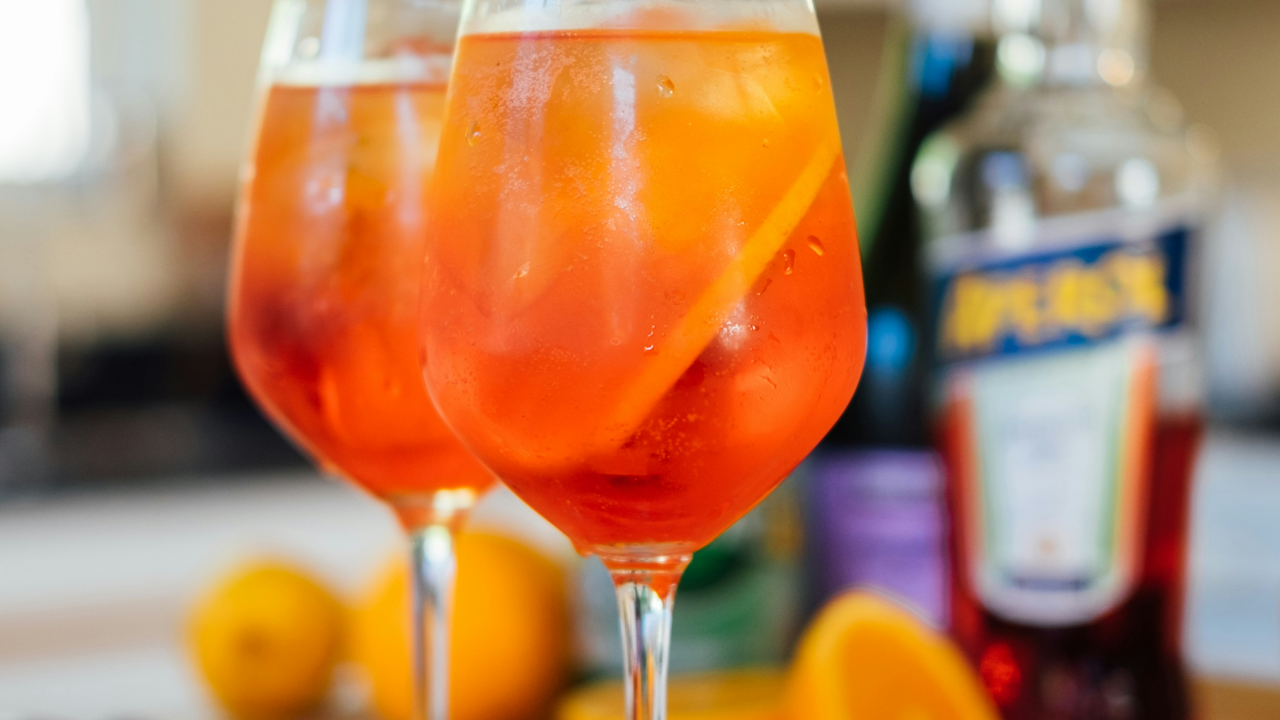
Orange wine occupies a curious place in the modern wine world. It sits somewhere between the familiar categories of white, red, and rosé, yet it is distinct from all of them. With its striking amber to deep orange hues and bold, textured flavors, orange wine has moved from niche natural-wine circles into broader conversation among sommeliers, enthusiasts, and even casual drinkers. But what exactly is it, where did it come from, and why has it gained such attention in recent years?
Defining Orange Wine
At its core, orange wine is white wine made with extended skin contact. Winemakers take white grape varieties, crush them, and then leave the juice in contact with the grape skins during fermentation and sometimes afterward. This process is the same technique used for red wines, where skins impart color, tannins, and flavor compounds. In white wines, by contrast, the skins are usually removed quickly after pressing to keep the wine pale and crisp.
The result is a wine that ranges in color from pale golden-orange to rich amber or even copper. The name “orange wine” is something of a marketing convenience; the color does not come from oranges but from the pigments in the grape skins. Some producers and experts prefer the term “skin-contact wine” or “amber wine” because it more accurately describes the method and avoids confusion.
The skin-contact process extracts tannins, phenolics, and other compounds that give orange wines their distinctive mouthfeel and longevity. These wines often have a grippy, astringent texture reminiscent of red wine but with the aromatic lift of white grapes. They can age remarkably well, sometimes developing complex oxidative notes over time.
A Brief History
The technique behind orange wine is ancient. Archaeological evidence suggests that winemaking with skin contact dates back thousands of years in regions like Georgia, where traditional qvevri (large clay amphorae) were used to ferment grapes. In these vessels, white grapes such as Rkatsiteli were fermented on their skins for months, buried underground to maintain stable temperatures. The resulting wines were stored and aged in the same amphorae, developing deep colors and robust structures suited to the local climate and food culture.
Similar practices existed in other parts of the ancient world, including parts of Italy, Slovenia, and the Caucasus. For centuries, however, this style fell out of favor in much of Europe as modern winemaking emphasized clarity, freshness, and consistency. Stainless steel tanks, temperature control, and early pressing became the norm for white wines, especially after the mid-20th century.
The modern revival of orange wine is often traced to the late 1990s and early 2000s. Winemakers in Friuli-Venezia Giulia in northeastern Italy and in neighboring Slovenia began experimenting with longer skin macerations on white grapes such as Ribolla Gialla, Malvasia, and Pinot Grigio. Figures like Josko Gravner and Stanko Radikon played pivotal roles. Gravner, inspired by ancient methods after visiting Georgia, started using qvevri and minimal intervention techniques. Their wines were initially polarizing—some critics found them cloudy, tannic, or overly funky—but they attracted a dedicated following among those seeking authenticity and complexity.
From there, the style spread. Producers in Italy’s Alto Adige, Austria’s Styria, and various regions in France, Spain, California, and Australia began producing skin-contact whites. Georgia itself experienced a renaissance, with both traditional and innovative winemakers exporting qvevri wines globally. By the 2010s, orange wine had become a staple on wine lists in trendy restaurants and natural wine bars in cities like New York, London, and Tokyo.
How Orange Wine Is Made
The production of orange wine varies widely depending on the winemaker’s philosophy, but several elements are common.
Grapes are harvested, usually by hand in smaller operations. After destemming and crushing, the must (juice, skins, seeds, and sometimes stems) goes into fermentation vessels. These can be stainless steel, concrete, wooden barrels, or traditional clay qvevri. Fermentation often occurs with native yeasts rather than commercial ones, aligning with low-intervention approaches popular among orange wine producers.
Skin contact time is the defining variable. It can last from a few days to several months. Shorter macerations produce lighter, more approachable wines with subtle color and softer tannins. Longer periods yield deeper hues, more pronounced structure, and intense flavors. During this time, the wine is sometimes punched down or pumped over to extract more from the skins, though many natural producers prefer gentle or no intervention, allowing the cap of skins to remain largely undisturbed.
After fermentation, the wine may be pressed off the skins or left in contact longer for aging. Many orange wines see little or no added sulfur dioxide, which contributes to their sometimes cloudy appearance and potential for bottle variation. Filtration and fining are often avoided to preserve texture and character.
The choice of grape variety matters. Skin-thick varieties like Ribolla Gialla, Friulano, or Georgian Rkatsiteli hold up well to extended maceration. International varieties such as Chardonnay, Sauvignon Blanc, or Pinot Gris are also used, often producing surprising results when treated this way.
Flavor Profiles and Characteristics
Orange wines defy simple description because they vary so much. Some are bright and refreshing with notes of citrus peel, dried apricot, and herbs. Others are richer, with flavors of hazelnut, bruised apple, tea leaves, saffron, or even tobacco. The tannins can range from barely perceptible to quite firm, creating a grippy sensation on the palate.
Common tasting notes include:
- Stone fruit and dried fruit (apricot, peach, quince)
- Herbal and floral elements (chamomile, fennel, rose)
- Nutty and oxidative tones (walnut, almond, hay)
- Spices and earth (ginger, turmeric, wet leaves)
- A savory, almost salty minerality in some examples
Because of the skin contact, these wines often have more body than typical whites and can stand up to foods that might overwhelm them. Their structure also makes them suitable for aging. Well-made examples can evolve positively for a decade or more, developing tertiary aromas of honey, leather, and resin.
One challenge for newcomers is variability. Orange wines are less standardized than conventional whites or reds. A bottle from one producer might be crystal clear and elegant, while another is hazy and wild. This unpredictability is part of the appeal for fans but can frustrate those expecting consistency.
Why the Surge in Popularity?
Several factors explain orange wine’s rise. The broader natural wine movement has championed minimal-intervention techniques, and orange wine fits neatly into that ethos. Consumers increasingly seek wines that tell a story, reflect terroir, and avoid industrial production methods.
Social media and wine influencers have amplified its visual appeal. The striking color makes for attractive glass pours and bottle shots. Restaurants and bars have embraced orange wines as versatile by-the-glass options that pair well with diverse cuisines, from Mediterranean to Asian fusion.
Sommeliers appreciate their food-friendliness. The combination of acidity, tannins, and aromatic intensity allows orange wines to complement dishes that challenge traditional pairings. Think roasted vegetables, aged cheeses, spicy curries, or even grilled meats where a light red might feel too heavy and a standard white too delicate.
Climate and viticulture trends also play a role. As winemakers look for resilient varieties and techniques that express freshness in warmer conditions, skin contact offers one tool among many. It can add complexity without relying solely on oak or high alcohol.
Critics and gatekeepers have had mixed reactions. Some traditional wine publications initially dismissed orange wines as trendy gimmicks or flawed. Over time, more have come to recognize high-quality examples as legitimate expressions of craftsmanship. Competitions and guides now include categories or mentions of skin-contact wines.
Notable Regions and Producers
Georgia remains the spiritual home. Wines fermented in qvevri from producers like Pheasant’s Tears or Iago’s Wine showcase the traditional style—often unfiltered, earthy, and deeply flavored.
In Italy, Friuli and its Collio and Colli Orientali subzones are synonymous with orange wine. Gravner, Radikon, and producers like Ronco del Gelso or Edi Kante have set benchmarks. Further south, some Tuscan and Sicilian winemakers experiment with the style.
Slovenia’s Brda region shares a similar history and climate with Friuli. Producers there often work with Rebula (the local name for Ribolla) to create elegant amber wines.
Other areas worth exploring include:
- Austria’s Styria for Sauvignon Blanc and Muscat skin-contact wines
- France’s Jura or Loire for experimental examples
- California and Oregon, where innovative winemakers blend New World fruit with old techniques
- South Africa and Australia for emerging, value-driven options
Pairing and Serving Suggestions
Orange wines reward thoughtful serving. Many benefit from a slight chill—around 55 to 60 degrees Fahrenheit—rather than ice-cold white temperatures. This brings out their aromatics without muting the texture.
Food pairings are broad:
- With vegetables: Try them with roasted root vegetables, mushrooms, or squash dishes.
- With cheese: They shine alongside nutty, aged cheeses or funky blues.
- With spice: The tannins and acidity cut through heat in Indian, Thai, or Mexican cuisine.
- With seafood: Richer orange wines can handle oily fish or shellfish preparations.
- With pasta: Creamy or tomato-based sauces work well.
Experimentation is encouraged. Because orange wines straddle white and red characteristics, they often succeed where conventional choices fall short.
Challenges and Criticisms
Not everyone is convinced. Detractors point to inconsistency, higher fault rates in low-sulfur examples, and what they see as excessive trendiness. Some orange wines can taste overly oxidative or bitter if poorly made. The higher prices commanded by cult producers also draw skepticism.
Production can be risky. Extended skin contact increases the chance of microbial issues if hygiene is not meticulous. In warmer climates, controlling fermentation becomes more difficult without technology that some natural producers reject.
There is also ongoing debate about labeling. “Orange wine” is not a legally protected term, so consumers must rely on producer transparency and retailer knowledge.
The Future of Orange Wine
Orange wine appears here to stay, though it will likely remain a smaller category compared to mainstream whites and reds. As consumers become more adventurous, producers will continue refining the style—balancing tradition with modern expectations for stability and approachability.
Some winemakers are blending skin-contact and traditional methods, creating hybrid wines that appeal to a wider audience. Others push boundaries with unusual grape varieties or extreme maceration times.
Education will play a key role. More wine shops and restaurants are training staff to explain orange wines effectively, demystifying their production and flavor. Tastings and classes focused on skin-contact styles help convert skeptics.
Ultimately, orange wine represents a return to older ways of thinking about wine: less as a polished beverage and more as a living expression of place, grape, and process. It challenges preconceptions about what white wine “should” be and invites drinkers to engage more deeply with their glass.
Whether you approach your first bottle with curiosity or caution, orange wine offers something different in a crowded market. Its vivid color catches the eye, its texture engages the palate, and its history connects us to ancient traditions. In a world of standardized wines, that combination has real staying power. The next time you see an amber pour, consider giving it a try. You might discover a new favorite.