

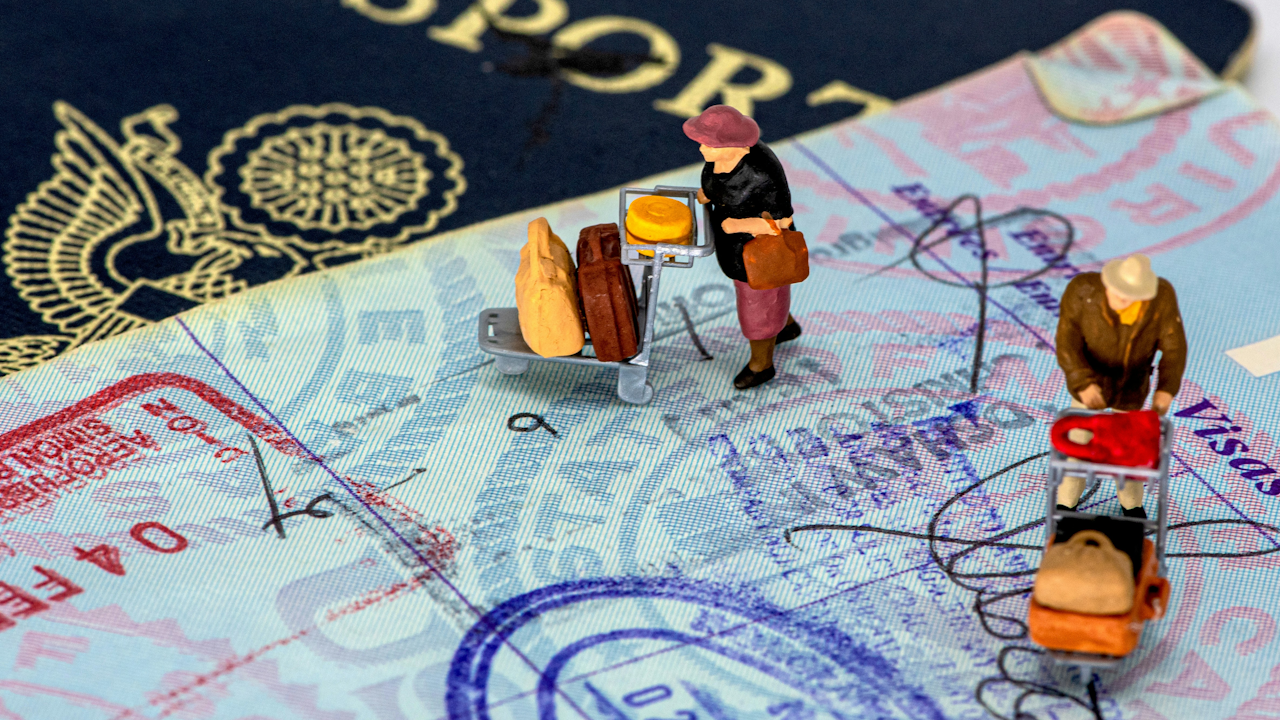
Losing your passport while traveling in a foreign country ranks among the most stressful experiences any traveler can face. It instantly disrupts your plans, raises security concerns, and leaves you feeling vulnerable far from home. Yet this situation happens more often than many people realize, whether through theft, misplacement in a busy airport, or simple forgetfulness at a hotel. The good news is that governments around the world have established clear procedures to help citizens in exactly these circumstances. With prompt action and the right information, most people regain the ability to travel home or continue their journey within days rather than weeks. This comprehensive guide walks through every stage of the recovery process, from the first moments of panic to safe return, and includes practical tips drawn from official consular practices worldwide.
The very first priority is to remain calm and assess the situation thoroughly. Take a deep breath and retrace your recent movements step by step. Check pockets, bags, hotel safes, vehicle glove compartments, and any public spots you visited recently such as restaurants, taxis, or tourist attractions. Sometimes what feels like a loss turns out to be a simple misplacement. If you were carrying the passport in a wallet or daypack, review whether anything else disappeared at the same time. This quick inventory helps determine whether the document was simply left behind or stolen, which in turn shapes the next actions you take. Notify any travel companions or family members right away so they can support you and avoid unnecessary worry.
Once you confirm the passport is truly gone, the next essential move involves local authorities. Head to the nearest police station as soon as possible, ideally within the first 24 hours. File an official police report detailing the circumstances of the loss or theft. Provide as much information as you can recall, including the passport number if you know it, the date and location of disappearance, and descriptions of any suspects if theft seems likely. Request multiple copies of the report because you will need them later for insurance claims, embassy applications, and possibly airline or border officials. In many countries the police process is straightforward and may require only basic identification such as a driver’s license or hotel receipt. Even if the local language presents a barrier, most stations have translators or English-speaking staff available for tourists. This police document serves as critical proof that you acted responsibly and helps protect against identity theft.
With the police report in hand, your immediate focus shifts to your home government. Every country maintains embassies or consulates abroad precisely to assist citizens in emergencies like this one. Locate the nearest diplomatic mission for your nationality through a quick online search on your phone or by asking hotel staff. Official government websites list contact numbers, addresses, and emergency hotlines that operate 24 hours a day. For example, citizens of the United States can find locations at usembassy.gov, while British travelers use gov.uk and Australians check smartraveller.gov.au. Call or visit the embassy without delay. Explain your situation clearly and request an appointment at the consular section. Many embassies prioritize passport emergencies and can often schedule you for the same day or the next morning.
At this stage you should also report the loss directly to your national passport authority if possible. Several governments allow online reporting that instantly invalidates the missing document and prevents criminals from using it. This step adds an extra layer of protection against fraud. Keep any confirmation emails or reference numbers you receive because consular officers will ask for them during your application.
When you arrive at the embassy or consulate, the staff will guide you through the replacement process. Be prepared to fill out standard application forms specific to lost or stolen passports. You will need to prove your identity and citizenship. Helpful supporting documents include a photocopy of the missing passport’s information page that you wisely made before departure, a birth certificate, driver’s license, or any other government-issued photo identification. If you lack all of these, the consular officers can often verify your details through their databases using your name, date of birth, and passport number. Two recent passport-sized photographs are usually required, and many embassies have on-site photo services or nearby shops that provide them quickly.
The type of replacement document you receive depends on your travel timeline and the embassy’s capabilities. In urgent cases where you must fly home soon, officials can issue a limited-validity emergency passport or temporary travel document valid only for direct return to your home country. These emergency papers are often ready within hours or by the following business day. If your itinerary allows more time, you may qualify for a full-validity replacement passport processed in a few days to a couple of weeks. Processing times vary by location and demand, so always share your exact departure plans with the consular staff. They will accommodate urgent flights whenever possible and can sometimes expedite the paperwork.
Fees apply for all replacement passports, and you should confirm the exact amount and accepted payment methods in advance. Most embassies accept credit cards, but some require cash in local currency or specific forms of payment. If you have no money because the passport was stolen along with your wallet, explain the situation. Consular officers can often coordinate with family back home to arrange wire transfers or emergency loans through trusted channels. In extreme cases they may help you obtain limited funds to cover basic needs until you can travel.
While handling the passport replacement, do not overlook other practical matters that can compound the crisis. If credit cards or debit cards disappeared with the passport, contact your banks immediately using the 24-hour emergency numbers printed on your cards or stored in your phone. Request cancellations and new cards sent to a secure address. Notify your travel insurance provider as well because many policies include assistance hotlines that connect you directly to embassy services and provide guidance throughout the ordeal. Inform family or friends at home so they can help coordinate logistics such as booking new flights or shipping documents.
Airlines and border officials understand passport loss situations but require clear documentation. When you book replacement travel, explain the emergency passport and show the police report plus any temporary travel document. Most carriers will accept these with advance notice. If you planned to visit additional countries after the loss, check entry requirements carefully because some nations will not admit travelers holding only an emergency document. In such cases you may need to return home first and obtain a new full passport before continuing.
Travel insurance plays a surprisingly helpful role in these scenarios even though it cannot issue a new passport itself. Comprehensive policies often include emergency assistance services that arrange embassy appointments, translate documents, and advise on local procedures. If the loss forces you to extend your stay or cancel prepaid activities, certain plans reimburse those extra hotel nights, meals, or missed excursions as long as you file a claim with the police report and embassy confirmation. Review your policy wording before departure so you know exactly what support is available. Even basic credit-card travel insurance sometimes covers related expenses, so check those benefits too.
Certain situations require extra attention and slight adjustments to the standard process. If you lose your passport in a country without an embassy or consulate for your nationality, contact the nearest mission in a neighboring nation or ask your home government to direct you to an honorary consul or partner country that can assist. Remote areas or islands may involve longer travel to reach diplomatic help, so factor transportation costs and time into your plans. Families traveling with children face added paperwork because minors usually need both parents’ consent forms or court documents in some cases. Dual citizens should know which passport they were using for the trip because replacement follows the issuing country’s rules. Finally, if the passport contained visas or entry stamps critical for ongoing travel, mention this detail early because embassies can sometimes provide letters explaining the loss to foreign immigration officials.
Once you receive your replacement document and complete any necessary return travel, take one final administrative step back home. Follow up with your national passport office to confirm the old document remains canceled and to apply for any permanent replacement if the emergency version was only temporary. Keep all receipts and reports because insurance claims or future applications may reference them.
Prevention remains far easier than recovery, and experienced travelers adopt simple habits that dramatically reduce the risk of loss. Make several photocopies and digital scans of your passport’s main page before leaving home. Store physical copies in separate luggage pieces and upload encrypted digital versions to a secure cloud service accessible from any device. Use hotel safes or body-worn money belts for daily carry, and never leave the passport unattended in vehicles or public spaces. Register your trip with your government’s traveler program, such as the Smart Traveler Enrollment Program for Americans, because this allows embassies to locate you quickly during emergencies. Consider purchasing a passport protection pouch or tracker device for added peace of mind. Finally, travel with a second form of photo identification whenever possible so you retain some proof of identity even if the worst occurs.
Losing a passport abroad tests your resourcefulness, yet thousands of travelers navigate this challenge successfully every year and return home with stronger stories to tell. By acting quickly, gathering the right documents, and leaning on consular support plus insurance assistance, you transform a potential disaster into a manageable inconvenience. Preparation before departure and calm execution in the moment make all the difference. Safe travels ahead, and may your next journey keep that precious document securely in your possession throughout.