

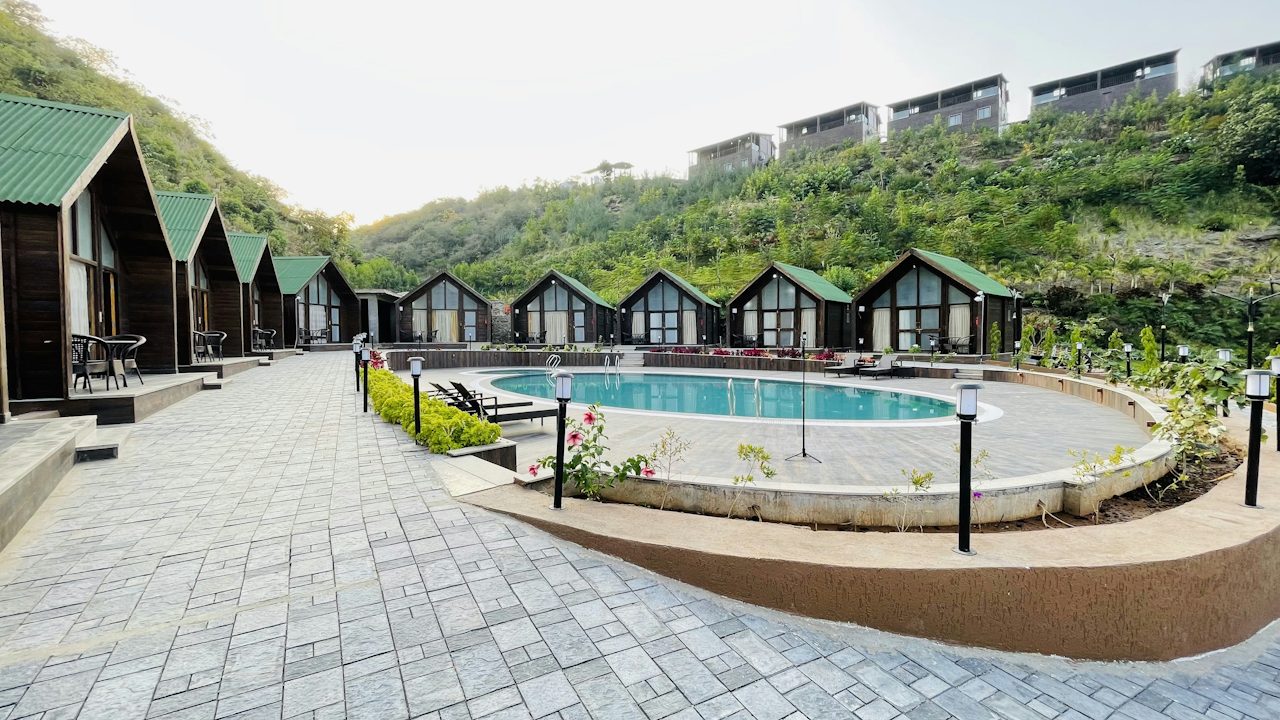
Wellness tourism has emerged as one of the fastest growing sectors in the global travel industry. It focuses on proactive pursuit of health and well being through physical, mental, and spiritual practices. Unlike traditional vacations centered on sightseeing or relaxation alone, wellness tourism emphasizes transformative experiences that nurture both mind and body. Retreats form the cornerstone of this movement, offering structured programs in serene environments designed to help participants recharge, heal, and return home with lasting tools for healthier living.
The concept of wellness tourism draws from ancient traditions where travel for health was common. Historical examples include Roman baths, Greek asclepieia, and pilgrimage routes in Asia that combined spiritual reflection with physical exertion. In modern times, the industry gained momentum in the late 20th century as rising stress levels, awareness of mental health, and interest in preventive medicine converged. Today, wellness tourism generates hundreds of billions of dollars annually and continues to expand as travelers seek more meaningful journeys.
The Rise of Mind Body Retreats
Retreats dedicated to mind and body wellness address the interconnected nature of physical health and mental clarity. Participants often arrive feeling depleted by demanding careers, family responsibilities, or urban lifestyles. A well designed retreat provides an opportunity to step away from daily distractions and focus inward.
These programs typically last from a few days to several weeks. They combine elements such as guided meditation, yoga sessions, nutritional counseling, spa therapies, nature immersion, and educational workshops. The goal extends beyond temporary relaxation to equipping guests with sustainable habits they can maintain at home.
Many retreats operate on the principle of holistic integration. Rather than treating symptoms in isolation, they address root causes through comprehensive approaches. For instance, a participant struggling with anxiety might engage in breathwork to calm the nervous system, practice mindful movement to release stored tension, and learn about anti inflammatory diets to support brain health.
Key Benefits for the Mind
Mental wellness forms a central pillar of these retreats. Chronic stress contributes to numerous health issues, including weakened immunity, sleep disturbances, and mood disorders. Retreat environments promote nervous system regulation through several evidence based practices.
Meditation and mindfulness sessions teach participants to observe thoughts without judgment, reducing rumination and enhancing emotional resilience. Studies consistently show that regular meditation can decrease activity in the amygdala, the brain region associated with fear responses, while strengthening prefrontal cortex functions linked to decision making and focus.
Digital detox policies, common in many retreats, help restore attention spans eroded by constant connectivity. Without notifications and screens, guests report improved sleep quality, deeper interpersonal connections during group activities, and greater appreciation for present moment experiences.
Journaling workshops and reflective practices encourage processing of emotions and identification of personal values. Many participants leave with clearer life goals and reduced feelings of overwhelm. Cognitive behavioral tools introduced in group settings provide frameworks for managing negative thought patterns long after the retreat ends.
Physical Renewal and Healing
The body benefits equally from retreat experiences. Movement practices such as yoga, tai chi, and qigong improve flexibility, strength, and balance while promoting body awareness. These disciplines also enhance circulation and support lymphatic drainage, contributing to detoxification processes.
Nutritional components play a vital role. Most retreats feature chef prepared meals using fresh, seasonal ingredients with minimal processing. Plant forward menus rich in antioxidants, healthy fats, and fiber help reduce inflammation and stabilize energy levels. Cooking classes and nutrition seminars demystify healthy eating, making it accessible beyond the retreat bubble.
Spa and bodywork therapies address accumulated physical tension. Massage modalities ranging from deep tissue to gentle lymphatic drainage release muscle knots and improve range of motion. Hydrotherapy treatments, including saunas, steam rooms, and contrast baths, support circulation and recovery. Some retreats incorporate specialized offerings like sound healing or acupuncture to target specific concerns.
Nature immersion activities contribute significantly to physical wellness. Forest bathing, hiking, or swimming in natural bodies of water expose participants to phytoncides and negative ions that research links to reduced blood pressure, boosted immune function, and elevated mood.
Popular Types of Wellness Retreats
Wellness retreats come in various formats to suit different needs and preferences.
Yoga and Meditation Retreats emphasize stillness and mindful movement. These often take place in scenic locations with dedicated practice halls. Daily schedules might include multiple yoga classes, silent meditation periods, and philosophy discussions. Teachers from different lineages share techniques suitable for beginners and advanced practitioners alike.
Detox and Cleansing Retreats focus on elimination of toxins through juice fasting, raw food diets, colon hydrotherapy, and supportive supplements. These programs require medical screening and close supervision to ensure safety. Participants often report increased mental clarity and renewed vitality after completion, though results vary based on individual health status.
Adventure Wellness Retreats combine physical challenges with mindfulness. Examples include hiking expeditions through mountains, surfing camps with yoga components, or cycling tours with recovery sessions. These appeal to active individuals who want to push physical limits while developing mental toughness.
Spa Focused Luxury Retreats prioritize pampering alongside wellness education. High end properties offer extensive treatment menus, private villas, and gourmet healthy cuisine. While more expensive, they provide exceptional service and beautiful surroundings that enhance the restorative experience.
Spiritual or Transformational Retreats delve deeper into personal growth. These may include breathwork ceremonies, shamanic practices, or vision quests guided by experienced facilitators. Participants explore purpose, relationships, and life transitions in supportive community settings.
Destination Hotspots Around the World
Certain regions have developed strong reputations for wellness tourism.
Bali, Indonesia stands out with its lush rice terraces, Hindu spiritual traditions, and vibrant yoga community. Ubud serves as a hub for countless retreats offering everything from week long yoga immerses to extended teacher trainings. The island’s emphasis on balance between body, mind, and spirit aligns perfectly with wellness principles.
Costa Rica attracts nature lovers with its rainforests, volcanoes, and beaches. Eco lodges integrate wellness programs with environmental education. Visitors practice yoga overlooking the ocean, participate in canopy tours, and learn about sustainable living.
India remains a birthplace of many wellness traditions. Rishikesh along the Ganges River draws serious yoga practitioners, while Ayurvedic centers in Kerala offer authentic panchakarma treatments lasting several weeks.
European destinations provide sophisticated options. Switzerland and Austria feature alpine retreats with clean air and thermal springs. Italy combines wellness with cultural immersion through Mediterranean diet programs and vineyard based yoga sessions.
The United States offers diversity from California wellness centers emphasizing holistic nutrition to Sedona, Arizona with its reputed energy vortexes and red rock landscapes. Hawaii provides tropical settings for ocean based therapies and cultural reconnection with native practices.
What to Expect During a Typical Retreat
Daily schedules at wellness retreats maintain structure while allowing flexibility. Mornings often begin with gentle movement or meditation as the sun rises. Breakfast follows, featuring nutrient dense options. Structured activities fill the day, interspersed with free time for rest or personal exploration.
Accommodations range from simple shared rooms to luxury suites, depending on the retreat’s price point. Most properties maintain quiet hours to support restorative sleep. Group sizes vary, with smaller cohorts fostering deeper connections.
Facilitators include certified yoga instructors, meditation teachers, nutritionists, therapists, and sometimes medical professionals. Quality retreats conduct thorough intake processes to customize experiences and ensure safety.
Challenges may arise as participants confront habits or emotions previously avoided. Skilled staff provide support during these moments, helping transform discomfort into growth opportunities.
Choosing the Right Retreat
Selecting an appropriate program requires thoughtful consideration. Start by clarifying personal goals. Are you seeking stress relief, physical fitness, spiritual awakening, or creative renewal? Different retreats excel in different areas.
Budget plays an important role. Prices range from a few hundred dollars for basic programs to thousands for luxury experiences. Factor in travel costs, as many desirable locations require significant flights.
Read reviews carefully and verify instructor credentials. Reputable retreats provide detailed itineraries, staff biographies, and transparent cancellation policies. Consider group composition, as age ranges and demographics can influence the atmosphere.
Health considerations matter. Those with medical conditions should consult healthcare providers before booking intensive programs. Vegan, gluten free, or other dietary needs should be communicated in advance.
Current Trends in Wellness Tourism
The industry continues evolving. Technology integration appears in some retreats through biofeedback devices or apps that track sleep and stress markers, though many maintain device free policies. Personalized genetic testing and biomarker analysis help tailor nutrition and fitness recommendations.
Sustainability has become central. Eco conscious retreats use renewable energy, organic gardens, and zero waste practices. Travelers increasingly seek properties that support local communities through fair wages and cultural preservation.
Mental health focus has intensified following global events of recent years. Programs addressing burnout, grief, and anxiety attract professionals needing structured support. Corporate wellness retreats help companies invest in employee well being.
Inclusivity improvements appear across the sector. Retreats now offer adaptive practices for different abilities, body positive environments, and programs welcoming diverse cultural backgrounds and LGBTQ+ participants.
Long Term Impact and Integration
The true value of a wellness retreat reveals itself after returning home. Participants often describe lasting changes in sleep patterns, eating habits, exercise consistency, and stress management. Many maintain connections with fellow attendees, creating accountability networks.
Successful integration involves realistic goal setting. Rather than attempting dramatic lifestyle overhauls, small consistent practices yield better results. Morning meditation, regular movement breaks, or mindful eating can compound over time.
Some retreats provide follow up support through online communities, coaching sessions, or alumni events. These resources help sustain momentum when daily pressures resume.
Conclusion
Wellness tourism through mind and body retreats represents more than a travel trend. It offers a pathway to deeper self understanding and improved quality of life in an increasingly complex world. By investing time and resources in these experiences, individuals honor their fundamental need for balance and renewal.
As the industry matures, it will likely continue adapting to emerging health insights and traveler preferences. For those ready to embark on such a journey, the potential rewards include not only immediate relaxation but profound shifts in how they inhabit their bodies and navigate their minds.
Whether seeking a gentle introduction through a weekend getaway or committing to an immersive multi week program, wellness retreats provide space for transformation. In caring for mind and body together, participants often discover renewed capacity for joy, connection, and purposeful living that extends far beyond the retreat itself.