

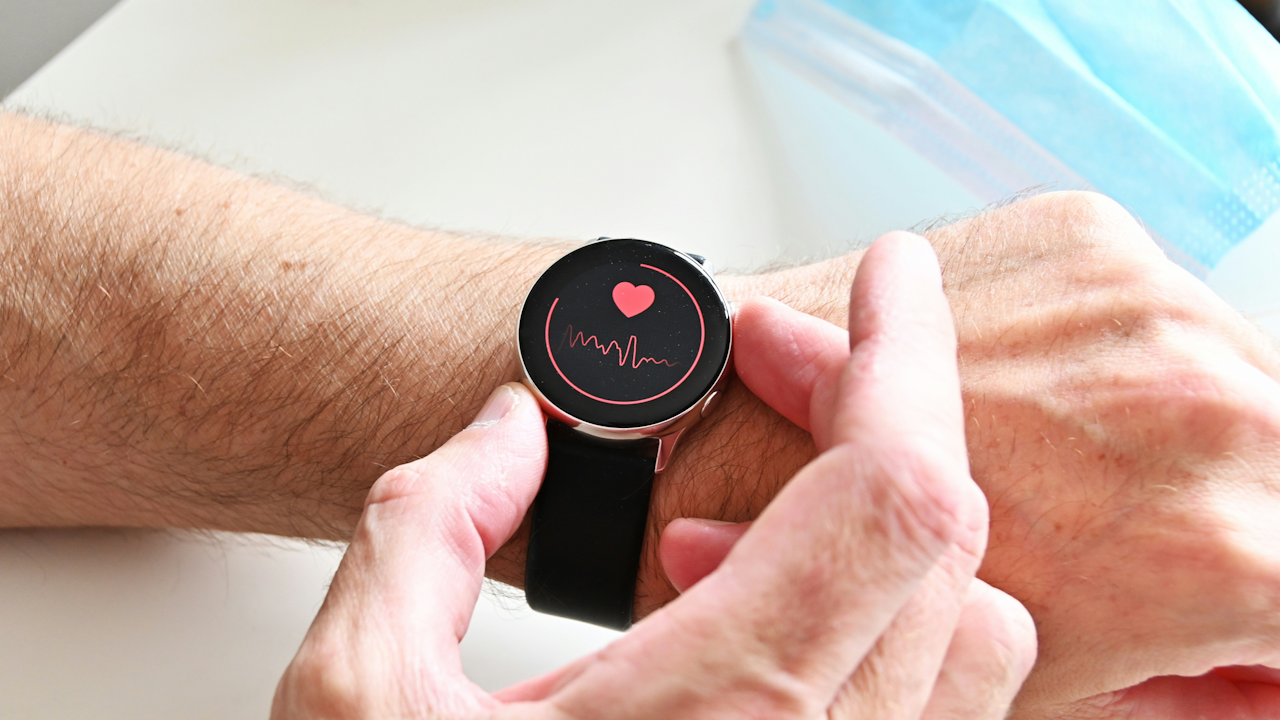
In today’s fast paced world, staying attuned to the inner workings of the human body has never been more accessible or precise. Wearable health technology has transformed from niche gadgets into everyday companions that continuously track physiological data, offering real time insights into heart function, sleep patterns, metabolic activity, and more. These devices empower individuals to shift from reactive healthcare to proactive wellness management. By placing advanced sensors directly on the skin or integrated into clothing, wearables deliver a steady stream of information that was once confined to clinical settings. As the market expands rapidly toward projected values exceeding 180 billion dollars by 2030, driven by sensor innovations and artificial intelligence, these tools are reshaping how people understand and care for their bodies.
The roots of wearable health monitoring trace back decades, laying the foundation for today’s sophisticated systems. The journey began in earnest in 1949 when American biophysicist Norman Holter invented the first portable device capable of recording heart activity outside a hospital, known as the Holter monitor. This bulky apparatus marked an early step toward ambulatory health tracking. By the 1970s and 1980s, rudimentary digital watches and early fitness tools emerged, but the true acceleration occurred in the early 2010s with the launch of consumer focused fitness trackers. Fitbit’s initial step counter in 2010 popularized the idea of quantifying daily movement, while the rise of smartphones enabled wireless data syncing and app based analysis. The 2010s saw the introduction of smartwatches like the Apple Watch in 2015, which added heart rate monitoring and electrocardiogram capabilities. Over the following decade, form factors diversified into rings, patches, and even smart clothing. By the mid 2020s, regulatory approvals from bodies like the Food and Drug Administration elevated many devices from lifestyle accessories to medical grade tools, incorporating features such as continuous glucose tracking without needles in some models and predictive alerts for heart irregularities.
At the core of wearable health tech lies a suite of miniaturized sensors that capture biological signals with remarkable accuracy. Photoplethysmography, or PPG, uses light to measure blood volume changes and derive heart rate and oxygen saturation levels. Electrocardiogram sensors detect electrical heart activity for rhythm analysis. Accelerometers and gyroscopes track movement, posture, and activity intensity, while temperature sensors monitor skin or core body heat fluctuations. Advanced models now incorporate bioimpedance analysis for estimating body composition and hydration, as well as optical or electrochemical sensors for interstitial glucose levels in continuous monitoring patches. Respiratory rate comes from chest expansion detection or derived algorithms, and stress indicators arise from heart rate variability calculations. Many devices also analyze sweat composition for electrolytes or metabolites, pushing non invasive boundaries further. Artificial intelligence processes this raw data in the cloud or on device, filtering noise, identifying patterns, and generating personalized scores for recovery, readiness, or risk. Battery life has improved dramatically, with some bands lasting weeks on a single charge through efficient low energy Bluetooth connections to smartphones.
Wearable devices come in diverse forms to suit different lifestyles and monitoring needs. Smartwatches remain the most popular category, offering a familiar wrist based interface with touchscreens for instant feedback. They combine fitness tracking with communication features and advanced health modules. Fitness bands provide a slimmer, more affordable alternative focused purely on metrics without distractions. Smart rings deliver discreet, 24 hour monitoring in a jewelry like package, ideal for those who prefer minimal bulk during sleep or workouts. Wearable patches adhere directly to the skin for targeted data collection, such as multi day electrocardiogram recording or glucose sensing. Emerging options include clothing embedded sensors in shirts or socks for seamless integration and even ear based devices for brain wave or balance tracking. Each form factor balances comfort, battery endurance, and data depth, with users often combining multiple types for comprehensive coverage.
These technologies monitor an impressive array of bodily functions, turning the human form into a data rich ecosystem. Cardiovascular health leads the way, with continuous heart rate tracking, irregular rhythm notifications, and on demand electrocardiograms that can flag potential atrial fibrillation. Blood oxygen saturation, or SpO2, helps detect respiratory issues or altitude effects, while cuffless blood pressure estimation in select models uses pulse wave analysis for trend monitoring. Metabolic insights arrive through continuous glucose monitors that track blood sugar fluctuations in interstitial fluid, aiding diabetes management and even general metabolic awareness for non diabetic users seeking dietary optimization. Sleep analysis goes beyond basic duration to break down stages, including deep, light, and rapid eye movement phases, while factoring in disruptions from movement or temperature. Activity metrics encompass steps, calories, intensity zones, and recovery scores based on heart rate variability. Additional parameters include skin temperature for illness detection, hydration estimates via bioimpedance, and even fertility or menstrual cycle tracking through temperature and hormone related signals. In 2026, some devices incorporate AI driven metabolic scores or fatigue predictions by cross referencing multiple inputs.
The practical applications of wearable health tech extend far beyond personal fitness, delivering tangible benefits across populations. For healthy individuals, these devices foster better habits by providing immediate feedback on activity levels or sleep quality, motivating consistent exercise and mindful routines. Chronic disease patients gain the most, with remote monitoring reducing hospital visits for conditions like heart failure or diabetes. Doctors receive alerts for concerning trends, enabling earlier interventions and personalized treatment adjustments. Elderly users benefit from fall detection and vital sign oversight, promoting independent living with peace of mind for caregivers. Athletes optimize training through recovery insights, avoiding overtraining injuries. During public health events, aggregated anonymized data has supported population level trend analysis. Overall, wearables enhance patient engagement by making health data visible and actionable, leading to improved adherence to medication or lifestyle changes and potentially lowering long term healthcare costs through prevention.
Several standout devices dominate the landscape in 2026, each excelling in specific areas. The Apple Watch series integrates deeply with iOS ecosystems, offering advanced electrocardiogram capabilities, blood oxygen monitoring, and emerging hypertension notifications alongside robust fitness tools. Garmin models cater to serious athletes with detailed training analysis, long battery life, and multi sport tracking. The Oura Ring provides unobtrusive sleep and recovery metrics, emphasizing longevity and readiness scores without a screen. Whoop bands focus on strain and recovery for performance enthusiasts, now with medical grade electrocardiogram features following regulatory clearances. Fitbit devices, including newer screenless options like the Air, deliver affordable all day tracking with seamless Google app integration and optional AI coaching. Continuous glucose systems such as Dexcom G7 or Abbott Libre models offer needle free or minimally invasive options with improved accuracy for metabolic health. Hybrid patches like VitalPatch deliver hospital level multi vital monitoring in a disposable format for clinical or home use. Users select based on priorities such as ecosystem compatibility, form factor, or specialized metrics.
Despite their promise, wearable health technologies face notable challenges that users and developers must address. Accuracy remains a primary concern, as consumer grade sensors can vary with skin tone, movement artifacts, or environmental factors, sometimes falling short of clinical standards unless FDA cleared for specific uses. Battery constraints persist for power hungry features, though rapid charging and energy efficient designs mitigate this. Data privacy emerges as a critical issue, with sensitive health information transmitted to apps and clouds raising risks of breaches or unauthorized sharing. Overwhelming users with constant notifications or complex metrics can lead to anxiety or decision fatigue rather than empowerment. Accessibility gaps exist, as high end devices may exclude lower income groups or those without compatible smartphones. Integration with electronic health records for seamless physician review lags in many systems. Equity concerns arise when algorithms trained on limited demographic data produce biased outputs for diverse populations. Addressing these requires ongoing sensor refinement, transparent data policies, and broader regulatory frameworks.
Looking ahead, the future of wearable health tech appears poised for even deeper integration and intelligence. Artificial intelligence will drive predictive capabilities, forecasting potential issues like impending illness or cardiac events days in advance by analyzing longitudinal patterns. Non invasive sensors will expand to monitor additional biomarkers through sweat, tears, or breath analysis, reducing reliance on any skin penetration. Flexible electronics and e textiles will enable clothing that feels like ordinary apparel yet tracks comprehensive vitals continuously. Battery advancements, perhaps through body heat harvesting or wireless charging, will support month long operation. Interoperability standards will allow data from multiple devices to flow into unified health platforms, benefiting both consumers and clinicians. Specialized wearables for mental health, such as stress or mood indicators via electrodermal activity, or women’s health metrics like perimenopause symptom tracking, will proliferate. As costs decrease and global adoption grows, these technologies could democratize advanced monitoring, particularly in underserved regions through remote care models. Ethical considerations around data ownership and algorithmic fairness will shape responsible development.
In conclusion, wearable health technology has matured into an indispensable tool for monitoring the body with unprecedented detail and convenience. From humble origins in portable heart recorders to today’s AI enhanced ecosystems of watches, rings, and patches, these devices bridge the gap between personal awareness and clinical precision. They promote prevention, support chronic care, and inspire healthier daily choices while presenting solvable hurdles in accuracy, privacy, and access. As innovations continue to unfold, the ultimate value lies not just in the data collected but in how individuals and healthcare systems translate those insights into meaningful action. Embracing wearable tech thoughtfully can lead to longer, more vibrant lives, with the body no longer a mystery but a well understood partner in wellness. By staying informed and selective, users can harness this evolution to monitor, understand, and optimize their health like never before.