

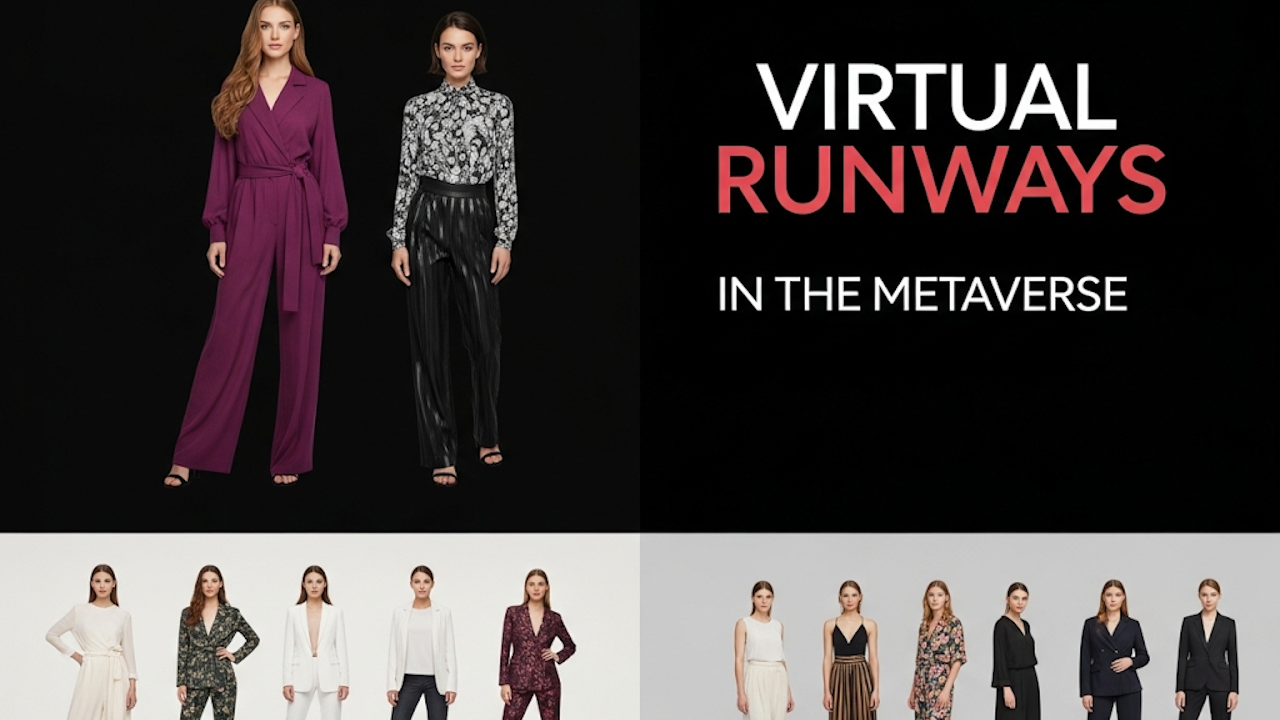
The fashion industry has long thrived on spectacle, exclusivity, and the power of visual storytelling. From the ornate halls of Paris Fashion Week to the bustling streets of New York, traditional runway shows have served as platforms for designers to showcase creativity, set trends, and connect with audiences. Yet in recent years, a profound shift has occurred. The rise of the metaverse has introduced virtual runways, transforming how fashion is presented, experienced, and consumed. These digital events allow brands to reach global audiences without physical constraints, blending technology with haute couture in ways once confined to science fiction.
The concept of virtual fashion shows gained significant traction during the global disruptions of the early 2020s. When physical gatherings became limited, designers turned to digital alternatives. What began as necessity evolved into opportunity. Today, virtual runways represent more than backups for in-person events. They stand as innovative frontiers where avatars strut across impossible landscapes, garments defy gravity, and spectators interact in real time from anywhere in the world.
This article explores the emergence, mechanics, impact, and future of virtual runways in the metaverse. It examines how this technology reshapes the fashion ecosystem for designers, consumers, and the broader cultural landscape.
The Evolution of Fashion Presentations
Fashion shows have evolved dramatically over decades. Early 20th century presentations were intimate affairs held in salons. By the 1960s and 1970s, they became grand theatrical productions. The 1990s and 2000s brought celebrity front rows and live streaming. Each era built upon the last, expanding reach while maintaining core elements of physical presence.
The metaverse era marks the next leap. Virtual environments enable experiences impossible in the real world. A model might walk through a floating garden suspended in digital clouds, or garments could change colors based on viewer preferences. This evolution did not happen overnight. Early experiments included simple 3D renderings shared online. Advances in virtual reality, augmented reality, and blockchain technology accelerated progress.
Platforms such as Decentraland, Roblox, and Spatial.io emerged as hosts for these events. Brands recognized the potential for engagement beyond passive viewing. In virtual spaces, attendees can purchase digital items instantly, customize avatars, or even influence show elements through polls and interactions.
Major milestones illustrate this growth. In 2020, several luxury houses hosted digital presentations during pandemic lockdowns. Gucci presented immersive experiences in Roblox. Other brands followed with events in Minecraft or custom-built worlds. By 2022 and 2023, dedicated virtual fashion weeks appeared, drawing millions of participants. These events featured collaborations between traditional designers and digital artists, creating hybrid collections that existed solely in virtual form.
Key Technologies Powering Virtual Runways
Several core technologies make virtual runways possible. At the foundation lies 3D modeling software. Tools like Blender, Maya, and specialized fashion programs allow designers to create garments with precise details, textures, and animations. These digital assets must account for how fabric drapes, moves with the body, and interacts with lighting in simulated environments.
Blockchain and non-fungible tokens (NFTs) add another layer. Digital clothing can be owned, traded, and authenticated through NFTs. This creates scarcity and value in virtual wardrobes. A limited-edition digital jacket might sell for thousands of dollars, granting the owner status within metaverse communities. Wearers can then display these items on their avatars across different platforms.
Rendering engines and real-time graphics power the visual experience. Game engines such as Unity and Unreal Engine handle complex scenes with thousands of avatars viewing the same show simultaneously. High-fidelity simulations ensure smooth animations and responsive interactions.
Accessibility features expand participation. Virtual reality headsets offer immersive views, while web-based platforms allow entry via standard browsers. Artificial intelligence assists in generating variations of designs or personalizing experiences for individual users.
Connectivity remains crucial. 5G networks and cloud computing reduce latency, ensuring that global audiences experience shows without significant delays. Motion capture technology records real-world movements and translates them to digital models, bridging physical and virtual realms.
Prominent Platforms and Brand Initiatives
Multiple platforms host virtual fashion events, each with distinct characteristics. Decentraland operates as a decentralized virtual world where users own land and create experiences. Fashion shows here often feel like exclusive parties in digital districts. Brands build permanent storefronts alongside temporary runway venues.
Roblox attracts younger demographics with its user-generated content model. Fashion brands collaborate with Roblox creators to develop branded experiences. Events on this platform frequently incorporate gamification, such as challenges where participants earn virtual items by attending shows.
Other environments include The Sandbox, Horizon Worlds by Meta, and custom platforms developed by individual brands. Some luxury houses prefer fully branded metaverses that control every aspect of the user journey.
Notable examples highlight the diversity of approaches. In one landmark event, a major fashion house staged a show set in a futuristic Tokyo, complete with neon lights and flying vehicles. Attendees received digital goodie bags containing exclusive NFTs. Another brand recreated its iconic flagship store in virtual form, allowing seamless transitions from runway viewing to shopping.
Digital-native designers have also risen to prominence. Creators who specialize in metaverse fashion bring fresh perspectives unburdened by traditional production constraints. They experiment with impossible silhouettes, dynamic patterns, and sustainable alternatives to physical materials.
Economic and Cultural Impacts
Virtual runways offer substantial economic advantages. Traditional fashion shows require enormous budgets for venues, travel, models, and logistics. Digital alternatives reduce these costs significantly while potentially increasing revenue through new channels.
Brands can monetize events directly. Ticketed entry, virtual merchandise sales, and sponsorships create multiple income streams. Data collected during shows provides insights into consumer preferences, enabling more targeted future collections.
Sustainability emerges as another key benefit. The fashion industry faces criticism for environmental impact. Virtual garments eliminate the need for physical production during the presentation phase. While physical collections remain important, hybrid models allow brands to test concepts digitally before committing resources.
Cultural shifts accompany these changes. Virtual runways democratize access to fashion. Anyone with an internet connection can attend events previously restricted to industry insiders and wealthy elites. This broader participation fosters diversity of perspectives and influences.
Social aspects thrive in these spaces. Friends can attend shows together regardless of geographic location. Interactive features encourage conversation and community building. Fashion becomes less about passive observation and more about shared experiences.
Challenges Facing Virtual Fashion
Despite the promise, significant challenges persist. Technical barriers limit widespread adoption. Not everyone possesses the hardware or reliable internet required for optimal experiences. Older demographics may feel less comfortable navigating virtual environments.
Intellectual property concerns arise frequently. Digital designs can be copied more easily than physical ones, though blockchain helps address authentication. Standards for protecting virtual creations continue to develop.
The digital divide raises equity questions. While virtual events increase accessibility in some ways, they may exclude those without technology access. Bridging this gap requires thoughtful initiatives from both industry and governments.
Skepticism exists regarding the depth of virtual experiences. Some critics argue that digital shows lack the tactile and atmospheric qualities of physical events. The energy of a live audience, the scent of fabrics, and the immediacy of in-person interactions remain difficult to replicate fully.
Environmental impact of digital infrastructure deserves consideration. Data centers powering metaverse platforms consume significant energy. Responsible development must account for these factors to ensure virtual fashion aligns with sustainability goals.
Case Studies of Successful Implementations
Examining specific examples reveals best practices and lessons learned. One prominent luxury brand hosted a multi-platform event spanning several virtual worlds. Participants could choose different viewing experiences, from first-person avatar perspectives to spectator modes. The show incorporated live music performances by virtual artists and concluded with interactive shopping sessions.
A streetwear label targeted younger audiences through a gaming platform. The runway integrated gameplay elements where attendees completed missions to unlock exclusive digital drops. This approach boosted engagement metrics and drove substantial sales of both virtual and physical merchandise.
A collaborative event between multiple brands created a shared virtual fashion week. Different houses presented collections in interconnected venues, encouraging cross-pollination of audiences. Attendees moved freely between shows, discovering new designers along the way.
These cases demonstrate the importance of audience understanding. Successful virtual runways tailor experiences to platform strengths and target demographics rather than simply replicating physical formats.
The Role of Creators and Influencers
Digital fashion creators play increasingly important roles. Influencers with strong metaverse presences help bridge traditional and virtual audiences. Their expertise in avatar styling and platform navigation adds authenticity to events.
Emerging talents find opportunities unavailable in conventional fashion systems. Virtual runways have lower barriers to entry, allowing independent designers to showcase work globally without massive upfront investments.
Education initiatives support this growth. Online courses teach digital garment construction, metaverse event planning, and related skills. Universities and specialized programs prepare the next generation of fashion professionals for hybrid careers.
Future Directions and Innovations
Looking ahead, several trends suggest continued evolution. Integration of artificial intelligence could generate dynamic shows that adapt in real time to audience reactions. Predictive algorithms might suggest personalized garment variations during events.
Augmented reality will likely blend virtual and physical experiences more seamlessly. Users could view digital collections overlaid on real-world environments or try virtual outfits in their actual spaces.
Cross-reality events may become standard. Hybrid formats could combine physical runways with virtual extensions, allowing simultaneous participation across realms.
Sustainability-focused innovations might emphasize circular digital economies where garments are recycled or repurposed within virtual ecosystems.
Interoperability between platforms represents another frontier. Standards that allow seamless movement of digital assets across different metaverses would enhance user experiences and economic opportunities.
Broader industry implications extend beyond fashion. Virtual runways could influence other sectors, from automotive design showcases to architectural presentations. The lessons learned in digital fashion presentations apply to many creative fields.
Conclusion
Virtual runways in the metaverse represent more than technological novelty. They embody a fundamental rethinking of how fashion communicates, creates value, and builds community. While challenges remain, the potential benefits in accessibility, creativity, and sustainability make this development significant for the industry’s future.
As technology advances and cultural attitudes shift, virtual fashion shows will likely become integral rather than supplementary. Traditional elements will persist, but the boundaries between physical and digital will continue to blur. The most successful brands will embrace both worlds, using virtual runways to enhance rather than replace their heritage.
The fashion industry has always adapted to societal and technological changes. Virtual runways continue this tradition, offering new canvases for expression and connection. In these digital spaces, the runway extends infinitely, limited only by imagination and innovation. The future of fashion may well be defined not by what we wear in the physical world alone, but by how we present ourselves across all realities.