

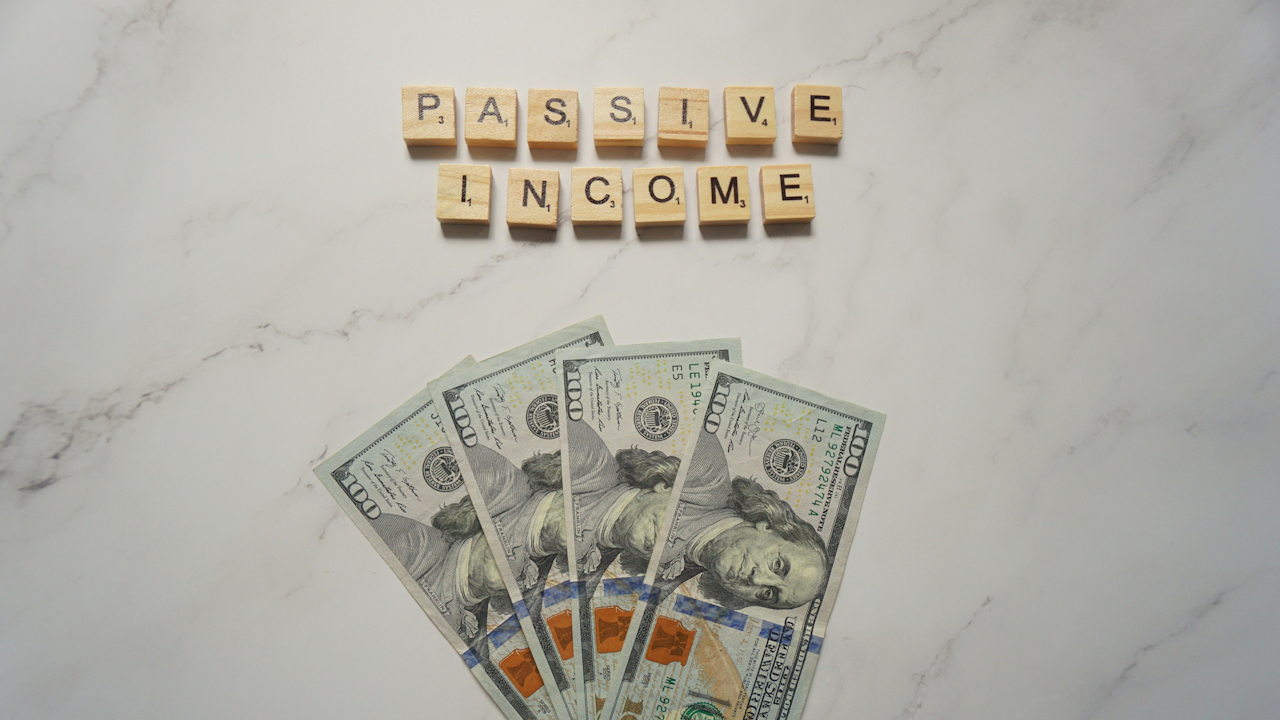
Passive income represents earnings generated with minimal ongoing effort after an initial investment of time, money, or both. Unlike a traditional salary that demands daily hours, these streams allow money to flow from assets or creations that operate somewhat independently. In 2026, economic conditions feature moderating interest rates, steady stock markets, and expanding digital platforms. These factors create opportunities for individuals at various experience levels and capital amounts to build supplemental or primary income sources.
True passivity remains rare. Most strategies require upfront work and occasional maintenance such as monitoring investments or updating content. Yet viable approaches reward patience and smart planning with compounding growth over years. This article explores realistic strategies drawn from current market realities. It covers low risk options, investment based methods, real estate plays, digital creations, and alternative avenues. Each section includes how the strategy functions, potential returns based on 2026 data, steps to begin, risks, and practical tips. Diversification across several streams often yields the strongest results while mitigating downsides.
Understanding the Foundations of Passive Income
Before diving into specifics, consider core principles that apply across strategies. Start with an emergency fund covering six months of expenses in liquid accounts. This safety net prevents forced sales during market dips. Educate yourself through free resources like brokerage tutorials or library books on personal finance. Track taxes carefully because passive income often faces different rules such as qualified dividend taxation at lower rates than ordinary income. Inflation erodes purchasing power so prioritize strategies that outpace the roughly 2 to 3 percent annual rate seen recently.
Set realistic expectations. A $10,000 investment at 5 percent annual yield produces $500 yearly before taxes. Scaling requires either larger capital or multiple streams. Many successful builders begin part time while maintaining full time jobs. Consistency in execution separates modest side earnings from life changing wealth.
Low Effort Financial Accounts and Fixed Income Options
High yield savings accounts offer one of the simplest entry points. Banks and online institutions pay competitive annual percentage yields on deposits. As of late February 2026, top rates reach up to 5.00 percent APY though many solid options hover between 4.00 and 4.50 percent. These exceed the national average of around 0.60 percent. Funds remain accessible with no lockup periods in most cases and deposits stay FDIC insured up to $250,000 per account.
To start, compare rates on aggregator sites then open an account online. Transfer money from a traditional bank. Some accounts impose minimum balances or direct deposit requirements for the highest yields but many require as little as $1 or $100. Earnings compound monthly or daily depending on the provider. A $50,000 balance at 4.50 percent generates about $2,250 annually with zero ongoing work beyond occasional rate checks every few months as the Federal Reserve adjusts policy.
Risks stay minimal. Rates can decline if economic conditions shift though they adjust gradually. Opportunity cost arises if stocks outperform during bull markets. This strategy suits beginners building capital or anyone prioritizing safety and liquidity.
Certificates of deposit provide slightly higher fixed rates in exchange for committing funds for a set term ranging from three months to five years. Current top CD rates align closely with high yield savings at 4 to 5 percent for shorter terms. Purchase through a bank or brokerage then receive interest payments periodically or at maturity. Laddering involves buying multiple CDs with staggered maturities to maintain some liquidity.
For example, allocate $20,000 across four CDs maturing every six months. Reinvest matured principal at prevailing rates. Early withdrawal penalties apply so only use money not needed soon. This method locks in yields against potential rate drops and remains fully insured. Potential returns mirror savings accounts but with predictability. Ideal for short term goals like a home down payment or vacation fund.
Bonds and bond funds deliver steady interest from loans to governments or corporations. Treasury bonds carry virtually no default risk while corporate or municipal varieties offer higher yields. In 2026, 10 year Treasury yields sit near 4.3 percent. Bond index funds or exchange traded funds provide diversification across hundreds of issues with low fees. Buy through any brokerage account and hold for coupon payments.
Bond ladders stagger maturities to reduce reinvestment risk. This setup creates a reliable income stream suitable for retirees. Risks include interest rate rises that lower existing bond values if sold early though holding to maturity avoids losses. Credit risk affects non Treasury bonds. Overall these vehicles balance safety with moderate returns and require almost no daily attention after purchase.
Dividend Investing in Stocks and Funds
Dividend paying stocks distribute portions of company profits to shareholders typically quarterly. Focus on dividend aristocrats or kings that have raised payouts for 25 or 50 consecutive years. These firms often operate in stable sectors like consumer goods or utilities. The broad S&P 500 yields about 1.14 percent in early 2026 but targeted selections or funds push yields to 3 to 6 percent or higher.
Exchange traded funds tracking high dividend indexes simplify entry. One popular fund holds dozens of established payers and delivers around 4 percent yield with automatic diversification. Invest $100,000 to generate roughly $4,000 yearly in dividends. Many brokerages allow automatic reinvestment to compound shares over time.
Steps to begin include opening a brokerage account, researching via free screeners for payout ratios below 60 percent to ensure sustainability, and purchasing shares or fund units. Set dividend alerts for quarterly deposits. Monitor annual reports for any payout cuts though aristocrats rarely reduce them.
Risks encompass stock price volatility and sector specific downturns. Dividends are never guaranteed though history favors consistent payers. Taxes apply at qualified rates of 0 to 20 percent depending on income bracket. This strategy scales beautifully with larger portfolios and pairs well with index fund growth for total returns exceeding 8 percent historically.
Real Estate Investments Without Daily Management
Rental properties traditionally provide strong cash flow but demand oversight. To achieve greater passivity hire a professional property manager who handles tenants, repairs, and collections for 8 to 12 percent of rent. Buy single family homes, duplexes, or small multifamily buildings in growing areas. Positive cash flow occurs when monthly rent exceeds mortgage, taxes, insurance, and maintenance costs by at least 20 percent after vacancies.
In 2026 multifamily markets stabilize with moderating interest rates. A $300,000 property with 20 percent down might rent for $2,200 monthly and net $400 to $800 after expenses and management fees. Appreciation adds long term gains. Start by analyzing local markets through real estate websites, securing financing with good credit, and interviewing managers. House hacking by living in one unit while renting others reduces personal housing costs during ramp up.
Risks include unexpected repairs, tenant issues, or market slumps affecting occupancy. Leverage amplifies both gains and losses. This avenue requires substantial capital but builds equity steadily.
Real estate investment trusts trade like stocks and own portfolios of properties. They must distribute at least 90 percent of taxable income as dividends yielding typically 4 to 6 percent in 2026. Publicly traded REITs focus on commercial, residential, or data centers. Buy shares through brokerages with no property management involved. Specialized REIT exchange traded funds spread risk further.
Crowdfunded real estate platforms allow investments as low as $500 or $1,000 into individual deals or diversified funds. These pool capital for apartment complexes or commercial projects with projected annual returns of 7 to 12 percent through dividends and appreciation. Platforms perform due diligence though liquidity remains limited with lockup periods of one to five years.
Both REITs and crowdfunding democratize access to real estate. Risks involve interest rate sensitivity and economic slowdowns hitting occupancy. Diversify across property types and regions. These options suit investors seeking exposure without direct ownership headaches.
Creating and Selling Digital Products
Digital products such as ebooks, printables, templates, or online courses generate sales repeatedly after one time creation. Platforms like Amazon Kindle, Etsy, Gumroad, or Teachable handle delivery and payments automatically. Topics with evergreen demand include personal finance tips, productivity planners, recipe collections, or skill based tutorials.
Develop content using free or low cost tools then price items between $5 and $97. A well marketed course on a platform like Udemy can earn $1,000 to $10,000 monthly once established though averages start lower. Top creators build email lists or use social media for promotion. Passive phase begins after launch with occasional updates for relevance.
To launch, identify expertise or research niches via keyword tools, create high quality material, optimize listings with strong titles and descriptions, and drive initial traffic through content marketing or paid ads. Scale by bundling products or creating memberships.
Risks center on market saturation and platform algorithm changes. Marketing effort remains necessary for visibility though organic growth compounds. This strategy requires creativity and upfront time but minimal capital often under $500. Returns scale with audience size and product variety making it accessible for side hustlers.
Affiliate Marketing and Content Sites
Affiliate marketing involves promoting products through unique links and earning commissions on resulting sales. Build a blog, newsletter, or social profile around a niche such as fitness gear or software tools. Join networks like Amazon Associates, ClickBank, or ShareASale offering 3 to 30 percent commissions.
A site generating 10,000 monthly visitors might earn $500 to $5,000 passively once content ranks in search engines. Evergreen articles continue driving traffic years later. Focus on helpful reviews or guides that solve problems.
Steps include choosing a domain, setting up a website on WordPress, producing 20 to 50 articles optimized for search, disclosing affiliations ethically, and tracking performance with free analytics. Automation tools handle email sequences.
Risks include policy changes by affiliate programs or search engines reducing traffic. Building authority takes 6 to 24 months. Yet established sites sell for multiples of annual earnings providing an exit strategy. Combine with digital products for higher conversion rates.
Video content on YouTube or similar platforms monetizes through ads, memberships, and sponsorships. Upload consistent videos on timeless topics then let the algorithm recommend them indefinitely. Faceless channels using stock footage or animations reduce on camera demands.
Potential earnings vary widely but channels with 100,000 subscribers often clear several thousand monthly from ads alone. Initial effort involves scripting, editing, and SEO tagging. Once momentum builds passive views accumulate.
Risks involve changing algorithms and demonetization for certain topics. This avenue rewards creativity and persistence.
Alternative and Niche Strategies
Peer to peer lending platforms connect borrowers with individual lenders. Invest as little as $25 per loan across hundreds to spread risk. Historical average returns sit near 5.3 percent though 2026 platforms report similar figures after defaults. Automation features reinvest payments automatically.
Select loans based on credit scores and diversify by industry. Monitor through app dashboards. Risks include borrower defaults especially in recessions though platforms offer secondary markets for liquidity. Higher yields than savings accounts make this appealing for moderate risk tolerance.
Vending machines or ATMs placed in high traffic locations like offices or apartments generate cash sales with restocking visits once or twice monthly. Machines cost $3,000 to $6,000 each. Prime spots yield $300 to several thousand monthly per unit after product costs. Secure locations through owner agreements then source wholesale supplies.
This requires physical effort but remains far less than a full business. Scale by adding units over time. Risks encompass vandalism, location changes, or competition. Research demand carefully.
Renting underutilized assets such as parking spots, spare rooms, or even cars via specialized apps provides straightforward income. Urban parking spaces fetch $200 to $400 monthly. Whole home short term rentals through major platforms can net thousands but involve more management unless outsourced.
Car advertising wraps vehicles with company ads for $100 to $400 monthly based on mileage. Low ongoing involvement suits commuters.
These leverage existing possessions with minimal new capital.
Other Considerations Including Annuities and Crypto
Fixed annuities from insurers convert lump sums into guaranteed monthly payments for life or a set period. In 2026 they appeal to retirees seeking predictability though rates depend on age and prevailing interest. Shop multiple providers and understand fees.
Crypto staking locks coins to support blockchain networks earning rewards of 2 to 10 percent APY depending on asset. Volatility remains high so limit exposure to 5 percent of portfolio. Use reputable exchanges with insurance.
Print on demand designs on apparel or merchandise through services that handle printing and shipping. Create graphics once then earn on every sale.
Diversification and Risk Management
No single strategy guarantees success. Allocate across categories such as 40 percent financial accounts, 30 percent equities and dividends, 20 percent real estate proxies, and 10 percent digital or alternatives. Rebalance annually. Inflation protection favors assets like real estate or stocks over pure cash equivalents.
Common pitfalls include chasing high yields without understanding risks, neglecting taxes or legal compliance such as business licenses for rentals, and underestimating maintenance time. Scams proliferate in crypto and vending so verify everything. Start small to test waters before committing large sums.
Seek professional advice from financial planners or accountants tailored to personal situation. Compound interest works magic over decades. A consistent $500 monthly contribution to a 7 percent yielding portfolio grows substantially by retirement.
Conclusion
Viable passive income strategies in 2026 empower individuals to reclaim time while growing wealth. From parking savings in high yield accounts to crafting digital empires or investing in dividend payers and real estate trusts, options match nearly every budget and skill set. Success demands initial discipline, ongoing learning, and realistic timelines. Begin today with one approachable method then layer additional streams. Over years these efforts compound into financial resilience and freedom. The journey rewards those who act thoughtfully and persistently.