

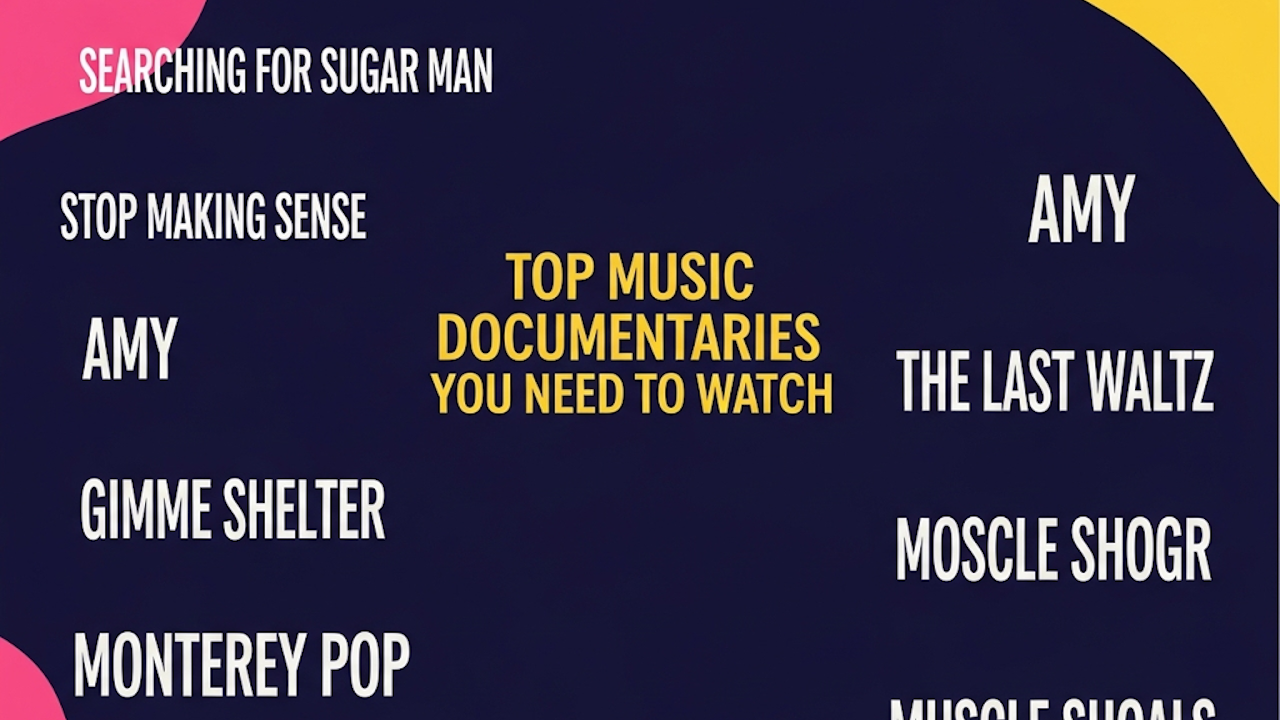
Music documentaries offer a unique window into the creative process, the highs and lows of fame, the cultural impact of songs, and the raw humanity behind legendary artists and scenes. They capture moments that studio albums and live shows alone cannot convey, revealing the struggles, triumphs, rivalries, and innovations that shape music history. Whether you are a casual listener or a dedicated fan, these films provide context, inspiration, and often profound emotional resonance. Here is a curated selection of top music documentaries you need to watch, spanning genres, eras, and styles. Each one stands out for its storytelling, archival footage, or intimate access.
Gimme Shelter (1970)
Directed by Albert and David Maysles along with Charlotte Zwerin, this documentary follows the Rolling Stones on their 1969 US tour, culminating in the disastrous Altamont Free Concert. What begins as a celebration of rock music and counterculture turns into a stark portrayal of its darker side when violence erupts involving the Hells Angels. The film masterfully balances electrifying performances with behind-the-scenes tension, including the infamous stabbing incident. It serves as both a concert film and a cautionary tale about the end of the 1960s idealism. Its cinema verite style influenced countless documentaries that followed, making it essential viewing for understanding the era’s complexities.
Dont Look Back (1967)
D.A. Pennebaker’s groundbreaking film chronicles Bob Dylan’s 1965 tour of England during his transition from folk to electric rock. Shot in a fly-on-the-wall manner, it captures Dylan at his most charismatic and combative, sparring with journalists and performing classics like “The Times They Are A-Changin’.” The famous opening sequence with cue cards for “Subterranean Homesick Blues” has become iconic. This documentary redefined the music doc genre by prioritizing candid moments over polished narration, offering insight into Dylan’s genius and the pressures of sudden fame.
The Last Waltz (1978)
Martin Scorsese directs this legendary concert film documenting The Band’s farewell performance in 1976. Featuring guest appearances from Bob Dylan, Neil Young, Joni Mitchell, Van Morrison, and others, it showcases masterful performances of roots rock classics. The cinematography and editing elevate it beyond a simple recording, creating an emotional narrative about camaraderie, aging, and the passage of time in music. Many consider it the greatest concert film ever made due to its warmth, energy, and star power.
Searching for Sugar Man (2012)
This Oscar-winning documentary directed by Malik Bendjelloul uncovers the mysterious story of Sixto Rodriguez, a Detroit musician whose albums flopped in the US but became hugely influential in South Africa during apartheid. The film follows fans and investigators as they search for the artist, presumed dead, only to discover a humble, working-class hero. Its themes of overlooked talent, cultural impact, and redemption make it uplifting and surprising. The soundtrack revives Rodriguez’s folk-rock songs, turning the film into a celebration of music’s global reach.
Amy (2015)
Asif Kapadia’s intimate portrait of Amy Winehouse uses archival footage, home videos, and interviews to trace her rise to fame and tragic decline. The film avoids sensationalism, instead focusing on her extraordinary talent as a singer-songwriter and the pressures of celebrity, addiction, and media scrutiny. Her voice and lyrics shine through, making the documentary both heartbreaking and appreciative of her artistry in jazz, soul, and R&B. It won an Oscar and set a high standard for modern music biopics.
Buena Vista Social Club (1999)
Wim Wenders directs this film about aging Cuban musicians rediscovered by producer Ry Cooder. The documentary follows the recording sessions and subsequent concerts in Havana and New York, highlighting veterans like Compay Segundo and Ibrahim Ferrer. It captures the joy of traditional Cuban son music while touching on themes of political isolation and cultural revival. The film’s warm, humanistic approach and infectious rhythms have made it a landmark in world music documentaries.
Anvil! The Story of Anvil (2008)
Sacha Gervasi’s film follows the Canadian heavy metal band Anvil as they persist decades after their peak, facing obscurity, financial struggles, and personal challenges. Blending humor and pathos, it portrays the unwavering dedication of musicians Lips and Robb Reiner. The documentary resonates with anyone who has pursued a dream against odds, offering laughs, poignant moments, and killer metal performances. It inspired a wave of similar underdog stories in music docs.
20 Feet from Stardom (2013)
This Oscar-winning film directed by Morgan Neville shines a light on backup singers who have contributed to countless hits but remained largely unknown. Featuring artists like Darlene Love, Merry Clayton, and Lisa Fischer, it explores their talents, frustrations, and occasional breakthroughs into the spotlight. The documentary celebrates unsung heroes of the music industry while questioning fame and recognition. Interviews with stars like Bruce Springsteen and Sting add depth.
The Beatles: Get Back (2021)
Peter Jackson’s expansive documentary series revisits the January 1969 recording sessions for what became the album Let It Be. Using restored footage from over 60 hours of film and 150 hours of audio, it reveals the band’s creative process, tensions, and eventual reconciliation as they write and rehearse songs like “Get Back” and “Let It Be.” Far from the contentious narrative of prior accounts, it portrays camaraderie and joy in the studio. Music fans gain rare insight into songwriting and collaboration.
Dig! (2004)
Ondi Timoner’s film contrasts the careers of two Portland bands, The Dandy Warhols and The Brian Jonestown Massacre, over several years. It captures ambition, rivalry, ego clashes, and the chaos of the indie rock scene in the late 1990s and early 2000s. With direct access to both groups, the documentary blends comedy and tragedy, highlighting how personality and circumstance shape success. Its raw energy and unfiltered look at band dynamics make it compelling.
What Happened, Miss Simone? (2015)
Liz Garbus directs this Netflix documentary on Nina Simone, drawing from her own words, performances, and personal archives. It traces her evolution from classical pianist to civil rights activist and soul-jazz icon, addressing her struggles with mental health and industry exploitation. The film balances her powerful stage presence with vulnerable offstage moments, offering a nuanced view of a complex artist whose music intersected with social change.
It Might Get Loud (2008)
Davis Guggenheim brings together three generations of guitarists: Jimmy Page of Led Zeppelin, The Edge of U2, and Jack White. They discuss their instruments, influences, and techniques while jamming together. The documentary explores the emotional and technical sides of guitar playing through personal stories and archival clips. Its conversational style and focus on creativity make it inspiring for musicians and fans alike.
Summer of Soul (2021)
Questlove directs this vibrant account of the 1969 Harlem Cultural Festival, often called “Black Woodstock.” It features performances by Stevie Wonder, Nina Simone, Sly and the Family Stone, and others, set against the backdrop of civil rights and cultural pride. Restored footage reveals a landmark event overlooked by mainstream history. The film’s energy and historical context make it both entertaining and educational.
No Direction Home (2005)
Martin Scorsese’s documentary on Bob Dylan covers his early career up to 1966, combining interviews with Dylan and contemporaries alongside rare footage. It delves into his folk roots, electric shift, and the controversies that followed. The film’s depth and Scorsese’s storytelling craft provide profound insight into artistic evolution and cultural upheaval.
Standing in the Shadows of Motown (2002)
This film honors the Funk Brothers, the unsung session musicians behind Motown’s greatest hits. It combines interviews, reenactments, and live performances with stars like Joan Osborne to showcase their grooves and stories. The documentary highlights the collaborative spirit of Detroit’s music scene and the technical brilliance that powered classics by The Supremes, Marvin Gaye, and others.
Decline of Western Civilization (1981)
Penelope Spheeris’s raw documentary captures the early 1980s Los Angeles punk scene through bands like X, Black Flag, and Fear. It features energetic live footage and candid interviews that reveal the rebellion, humor, and frustrations of youth subculture. As the first in a trilogy, it serves as a time capsule of punk’s DIY ethos and societal discontent.
Runnin’ Down a Dream (2007)
Peter Bogdanovich’s four-hour epic traces Tom Petty and the Heartbreakers’ career from their Florida origins to stadium-filling success. Extensive interviews and archival material cover hits, lineup changes, and personal reflections. Its length allows for thorough exploration of longevity in rock music and the bonds within a band.
The Devil and Daniel Johnston (2005)
Jeff Feuerzeig’s film profiles outsider artist Daniel Johnston, whose lo-fi songs and drawings gained cult status despite his struggles with bipolar disorder. Blending animation, home videos, and interviews, it portrays the intersection of creativity and mental illness with empathy. The documentary highlights Johnston’s influence on artists like Kurt Cobain.
Monterey Pop (1968)
D.A. Pennebaker documents the 1967 Monterey International Pop Festival, featuring breakthrough sets by Jimi Hendrix (who famously set his guitar on fire), Janis Joplin, The Who, and Otis Redding. As one of the first major rock festival films, it captures the Summer of Love’s optimism and musical innovation.
Hip-Hop Evolution (2016 onward)
This Netflix series traces hip-hop’s history from its Bronx origins through key eras and artists. Episodes cover pioneers, regional scenes, and cultural shifts with interviews and archival footage. Its comprehensive approach makes it invaluable for understanding rap’s development as a global force.
These documentaries represent a rich cross-section of music’s story, from rock legends and folk icons to hip-hop pioneers and world music revivalists. They entertain while educating, often prompting viewers to revisit albums or discover new artists. Start with any that align with your tastes, and you will likely find yourself exploring further into the vast world of music filmmaking. Whether focusing on triumph, tragedy, or the everyday grind of creation, each film underscores music’s power to connect, challenge, and endure.