

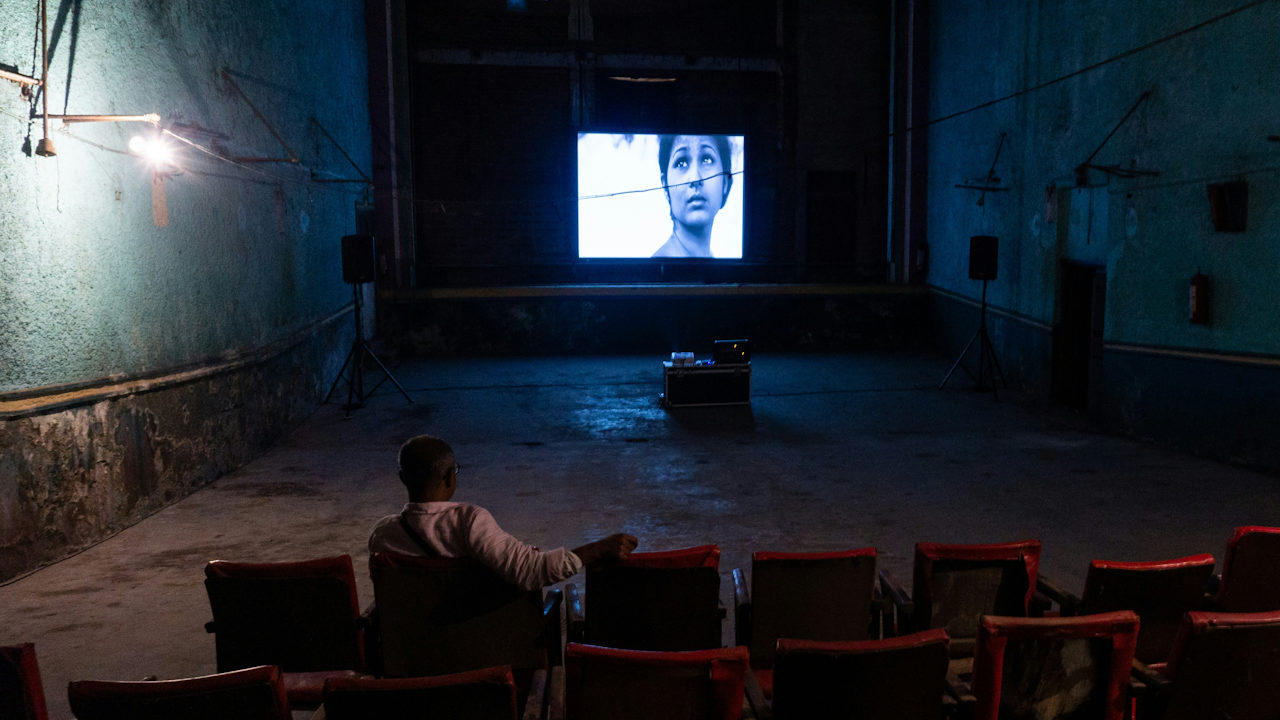
Movies have served as a powerful lens through which society views complex human experiences, and mental health stands out as one of the most frequently explored yet often misunderstood topics on screen. From the silent era to contemporary blockbusters, filmmakers have depicted characters struggling with psychological conditions in ways that range from deeply empathetic to wildly inaccurate. These portrayals do more than entertain. They shape public perceptions, influence stigma levels, and sometimes even affect how people seek help in real life. This article examines the ways cinema has handled mental health over time, highlighting common patterns, notable examples, criticisms, and the evolving balance between dramatic storytelling and responsible representation.
The history of mental health in film traces back to the earliest days of cinema, when psychological themes often served as vehicles for horror, mystery, or moral lessons. In the 1920s, German Expressionist works such as The Cabinet of Dr. Caligari presented mental instability through distorted sets and unreliable narrators, framing asylum life as a nightmarish realm of control and delusion. This approach treated mental illness primarily as a plot device rather than a human reality. By the 1940s and 1950s, post-World War II interest in psychoanalysis led to films like Spellbound, directed by Alfred Hitchcock, which romanticized therapy sessions and dream analysis as pathways to quick resolution. These early depictions rarely consulted mental health experts and instead prioritized visual flair and suspense over clinical accuracy.
The 1960s and 1970s marked a shift toward more socially conscious storytelling. Alfred Hitchcock’s Psycho (1960) introduced Norman Bates, whose dissociative behaviors became synonymous in popular culture with dangerous unpredictability. Though the film drew from real criminal cases, it conflated dissociative identity disorder with violence in a manner that experts later criticized as misleading. One Flew Over the Cuckoo’s Nest (1975), adapted from Ken Kesey’s novel, offered a sharper critique of psychiatric institutions. It portrayed electroconvulsive therapy and lobotomies as tools of oppression rather than treatment, resonating with the anti-psychiatry movement of the era. The film earned widespread acclaim and multiple Academy Awards, yet some mental health advocates argued it overlooked the benefits of certain institutional practices for those who genuinely needed structured care.
As cinema entered the 1980s and 1990s, portrayals grew more varied but continued to rely on familiar formulas. Films often cast mental illness as either a source of comic relief or a marker of villainy. By the turn of the millennium, a wave of biopics and character-driven dramas attempted greater nuance. A Beautiful Mind (2001) followed mathematician John Nash’s experiences with schizophrenia, blending hallucinations with moments of triumph. Girl, Interrupted (1999) explored borderline personality disorder through the lens of a young woman’s institutional stay in the 1960s. These movies humanized their protagonists and highlighted recovery journeys, yet they also faced scrutiny for condensing complex conditions into tidy arcs that emphasized genius or youthful rebellion over everyday struggles.
Common tropes have persisted across decades, often prioritizing entertainment value over fidelity to lived experience. One recurring pattern links mental illness directly to violence. Characters experiencing psychosis or personality disorders frequently appear as perpetrators of harm, reinforcing the false notion that psychological conditions inevitably lead to danger. Research examining the top-grossing films of 2022 found that 72 percent of characters shown with a mental health condition engaged in violence, a significant increase from earlier studies. Another trope involves the “miracle cure,” in which therapy, medication, or a single insightful conversation resolves deep-seated issues within the runtime of a feature film. This simplification ignores the chronic nature of many conditions and the trial-and-error process of real treatment. Romanticization presents mental health struggles as fuel for creativity or artistic brilliance, as seen in tales of tortured geniuses or eccentric heroes. Such narratives can inspire empathy but also imply that suffering is a necessary price for exceptional talent, which does not reflect the reality for most people.
Specific disorders receive uneven treatment on screen. Depression and anxiety often appear in relatable, character-driven stories that show isolation, rumination, or panic attacks. Films like Silver Linings Playbook (2012) depict bipolar disorder with humor and romance while acknowledging the messiness of mood swings and medication management. The result feels grounded and hopeful without sugarcoating setbacks. Schizophrenia, however, tends toward more dramatic renderings. Visual hallucinations dominate the frame, as in A Beautiful Mind, where the audience shares the protagonist’s delusions before a reveal. While effective cinematically, this approach can exaggerate the prevalence and nature of hallucinations, which vary widely in real life. Post-traumatic stress disorder surfaces frequently in war dramas such as The Hurt Locker (2008) or American Sniper (2014), capturing hypervigilance and flashbacks with visceral intensity. Yet these films sometimes frame recovery as a solitary triumph rather than a collaborative process involving professional support.
Dissociative identity disorder remains one of the most misrepresented conditions. Psycho and later Split (2016) portray multiple personalities as fractured, dangerous entities capable of extreme acts. Experts note that the disorder, when it occurs, rarely involves violent alternate identities and stems from severe childhood trauma rather than sudden personality splits. Autism spectrum portrayals, once limited to savant stereotypes in Rain Man (1988), have slowly diversified, though many still emphasize exceptional abilities over the full spectrum of challenges and strengths. Eating disorders and obsessive-compulsive disorder receive sporadic attention, often reduced to visible symptoms like restrictive eating or compulsive rituals without exploring underlying emotional drivers.
Critics and researchers have long documented the consequences of these patterns. When films underrepresent mental health conditions relative to their prevalence in the general population, audiences receive a skewed picture. Studies of top films from recent years show that fewer than three percent of speaking characters exhibit any mental health condition, despite roughly one in five adults experiencing such issues annually. This scarcity means that when portrayals do appear, they carry outsized influence. Negative depictions correlate with increased public stigma, reduced willingness to seek treatment, and heightened fear of those living with conditions. Positive portrayals, by contrast, can foster understanding and encourage conversations. Films that consult mental health professionals during production or feature authentic recovery narratives tend to promote more accurate attitudes.
Case studies illustrate both the pitfalls and potential of cinematic handling. Joker (2019) sparked intense debate upon release. The film traces Arthur Fleck’s descent amid social neglect and untreated symptoms, raising questions about societal responsibility for mental health crises. Some praised its unflinching look at isolation and inadequate support systems. Others argued it inadvertently glamorized violence by tying it too closely to psychological decline without sufficient context or counterbalance. In contrast, Inside Out (2015) and its sequel offered an accessible, metaphorical exploration of emotions through animated characters inside a young girl’s mind. By personifying joy, sadness, anger, and anxiety, the films normalized emotional complexity for younger audiences and demonstrated how feelings work together rather than warring against one another.
Recent years have shown tentative progress toward more responsible storytelling. Increased mental health awareness following global events has prompted filmmakers to incorporate sensitivity readers and consultants more frequently. Some 2025 releases, such as Steve, focus on depression and anxiety in everyday settings without sensational twists, emphasizing the gradual process of seeking help and the importance of supportive relationships. Coming-of-age stories like Year One (2025) address campus mental health struggles with emotional honesty, reflecting a broader cultural shift toward viewing psychological challenges as universal rather than exceptional. Streaming platforms have also expanded opportunities for diverse narratives, allowing longer formats to explore conditions with greater depth than traditional two-hour features.
Despite these advances, challenges remain. Many films still default to outdated language, labeling characters as “crazy” or “psycho” for dramatic effect. Institutional portrayals often emphasize abuse or inefficiency without acknowledging modern, evidence-based care. Representation across demographics lags as well. Stories centered on women or people of color frequently frame mental health through lenses of hysteria or cultural stereotypes rather than universal human experience. Global cinema, including Bollywood and other regional industries, sometimes mirrors Hollywood’s patterns of incompetence among mental health professionals or ethical lapses in treatment.
The societal impact of these portrayals extends beyond the theater. Audiences draw conclusions about real-world mental health from what they see on screen, particularly when personal experience is limited. Positive examples can reduce isolation by showing characters who manage conditions while maintaining relationships and careers. Negative ones can discourage disclosure or treatment by associating illness with inevitable tragedy or moral failing. Organizations focused on mental health advocacy continue to call for greater accuracy, urging filmmakers to depict therapy as collaborative and effective rather than punitive or miraculous.
Looking ahead, the trajectory depends on continued collaboration between creators and experts. As audiences demand authenticity amid rising mental health literacy, films have an opportunity to normalize conversations, highlight resilience, and challenge stigma without sacrificing compelling narratives. Accuracy alone may not suffice; artistic choices must also consider emotional resonance and broader messaging. When done thoughtfully, cinema can transform from a source of distortion into a catalyst for empathy and understanding.
In the end, movies reflect the era that produces them. Their handling of mental health reveals evolving societal attitudes toward vulnerability, treatment, and humanity itself. By moving beyond stereotypes toward multifaceted stories grounded in real experiences, filmmakers can contribute meaningfully to a culture that treats psychological well-being with the seriousness and compassion it deserves. The screen will always dramatize life, yet it need not distort the truths that matter most.