

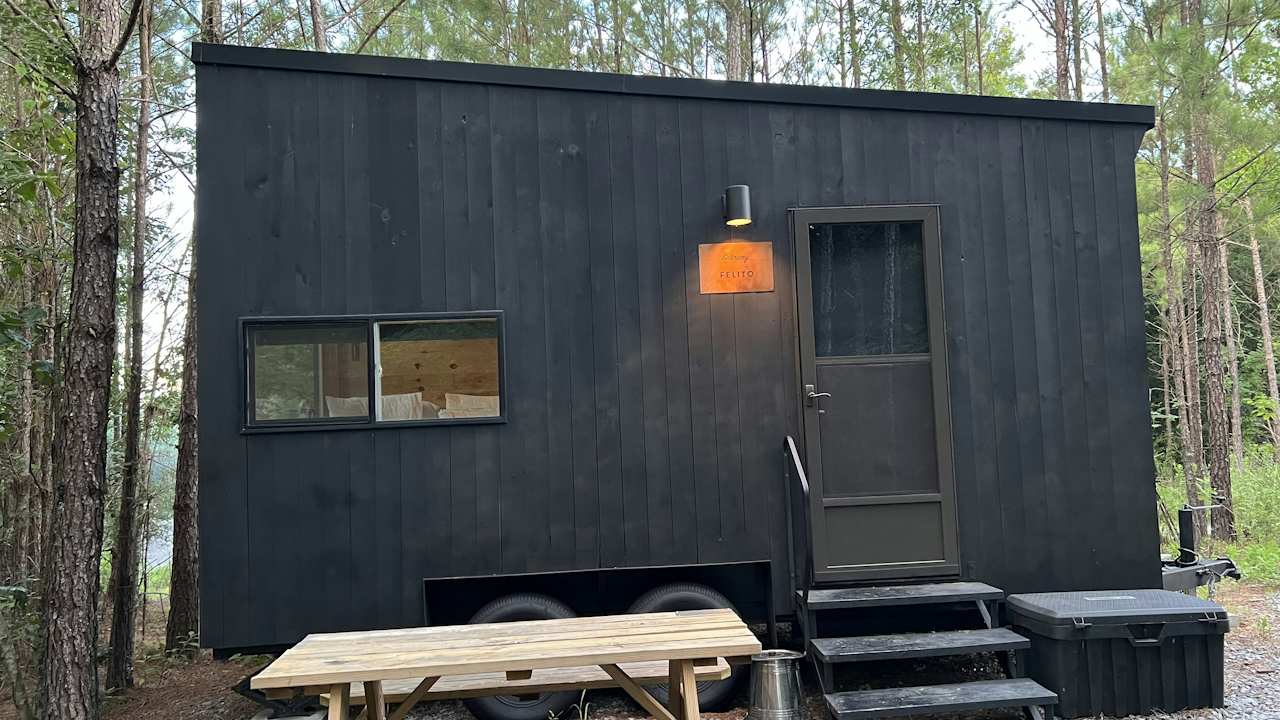
In an era of escalating housing costs, environmental concerns, and a growing desire for simplicity, tiny homes have emerged as a compelling alternative to traditional housing. These compact dwellings, typically under 400 square feet, challenge the notion that bigger is always better. Instead, they promote the idea of living large through intentional design, reduced consumption, and a focus on what truly matters. This article explores the world of tiny homes, from their historical roots to modern trends, benefits, challenges, and everything in between.
The tiny home movement represents more than just smaller buildings. It embodies a shift in values toward minimalism, sustainability, and financial freedom. As average American homes ballooned in size from around 1,780 square feet in the late 1970s to over 2,600 square feet in recent years, a counterculture arose. People began questioning the need for excess space filled with possessions they rarely used. Tiny homes offer a practical response to these questions, proving that comfort and functionality do not require vast square footage.
A Brief History of Tiny Living
The concept of small-scale living is not new. Historical precedents include Thoreau’s cabin at Walden Pond in the 1850s, where simple living in nature fostered deeper reflection. In the early 20th century, architects and designers experimented with compact forms, influenced by modernist principles that emphasized efficiency and form following function.
The modern tiny house movement gained momentum in the late 1990s and early 2000s. Figures like Jay Shafer played pivotal roles by founding companies such as Tumbleweed Tiny House and promoting mobile small homes. Books and blogs in the mid-1990s and onward highlighted designs and construction options, inspiring DIY enthusiasts. The Great Recession of 2007 to 2009 accelerated interest, as economic pressures made traditional homeownership seem unattainable for many. Affordability and environmental appeal drew people in, turning tiny homes from niche curiosities into a recognizable lifestyle choice.
Today, the movement has spread globally. What began primarily in North America now influences housing discussions worldwide, with communities and builders adapting the principles to local needs and cultures.
Financial Advantages: Affordability and Freedom
One of the strongest draws of tiny homes is their economic appeal. The average price of a tiny home hovers around 67,000 dollars, making it about 87 percent cheaper than a conventional house. Construction costs per square foot can vary, but overall expenses remain far lower due to reduced material needs.
Many tiny home owners enjoy mortgage-free living. Surveys indicate that a significant portion, around 68 percent, own their homes outright. This freedom from large debts allows greater financial flexibility, including more savings, travel, or pursuit of passions. Lower utility bills follow naturally from smaller spaces that require less heating, cooling, and electricity. Maintenance and repair costs also decrease, freeing up time and money.
For first-time buyers or those in high-cost areas, tiny homes provide an entry point into property ownership. About 86 percent of Americans view them as a solid option for young buyers facing inventory shortages and high interest rates. Additionally, 65 percent consider purchasing one amid current market conditions.
Beyond purchase price, ongoing savings accumulate. Insurance premiums tend to be lower, and the minimalist lifestyle discourages unnecessary spending on furnishings or gadgets. Owners often report reduced credit card debt and higher savings rates compared to average homeowners.
Environmental Benefits: Smaller Footprint, Bigger Impact
Tiny homes align closely with sustainability goals. Their compact size means fewer building materials, which translates to less resource extraction, manufacturing energy, and transportation emissions. A tiny home might use only a fraction of the materials required for a standard house exceeding 2,000 square feet.
Energy consumption drops dramatically. Tiny homes can use about 7 percent of the energy of a traditional dwelling, leading to 45 percent lower overall energy use on average. Carbon emissions follow suit, with estimates showing tiny homes producing around 2,000 pounds of CO2 annually versus 28,000 pounds for larger homes. This represents a roughly 36 percent reduction in greenhouse impact.
Many tiny home designs incorporate eco-friendly features such as solar panels, composting toilets, rainwater collection, and recycled or sustainable materials like reclaimed wood. These elements further minimize environmental harm. Land use efficiency improves too, especially when tiny homes cluster in communities or serve as accessory dwelling units on existing properties.
By encouraging fewer possessions and more mindful consumption, residents often extend these benefits beyond the home itself. The lifestyle promotes repairing items rather than replacing them and choosing quality over quantity.
Lifestyle Perks: Simplicity and Intentional Living
Living in a tiny home fosters a deliberate approach to daily life. With limited space, every item must serve a purpose or bring joy. This leads to decluttering and a focus on experiences over material goods. Cleaning becomes quick, often taking just an hour or two even for thorough sessions. Many owners spend more time outdoors, pursuing hobbies or connecting with nature.
Mobility stands out as another advantage. Tiny homes on wheels allow owners to relocate easily, whether for work, adventure, or changing scenery. This flexibility appeals particularly to younger generations, with Gen Z and Millennials showing high interest levels around 75 percent.
Design creativity shines in these small spaces. Loft beds, fold-down furniture, multi-functional areas, and clever storage solutions maximize usability. Large windows and thoughtful layouts create an open, airy feel despite the square footage constraints. For couples, families, or singles, these homes can feel surprisingly spacious when well planned.
Communities of tiny home dwellers often form supportive networks. Shared resources, potlucks, and collaborative projects enhance social connections while maintaining individual privacy.
Design Innovations and Real-World Examples
Tiny home designs vary widely, from rustic cabins to sleek modern structures. Common layouts include lofts for sleeping, combined living-kitchen areas, and compact bathrooms with wet rooms or showers. Materials range from traditional wood to advanced composites, with an emphasis on durability in limited space.
Some homes feature expandable sections that increase living area when parked. Others integrate smart technology for lighting, climate control, and security, making small spaces highly efficient. Off-grid models with solar power and composting systems attract those seeking complete independence.
Notable examples include custom builds costing under 30,000 dollars that feel luxurious through smart detailing. Treehouse-inspired designs nestle into natural settings, while A-frame styles offer quick construction and charm. Urban adaptations turn shipping containers or backyard units into functional living quarters.
Builders continue innovating with modular components, better insulation for all climates, and universal design principles for accessibility.
Challenges and Potential Drawbacks
Despite the appeal, tiny home living presents hurdles. Space limitations can feel confining over time, especially for families or those who host guests frequently. Storage requires meticulous organization, and certain activities like hobbies needing equipment may prove difficult.
Legal and zoning issues create significant barriers. Many municipalities impose minimum square footage requirements for dwellings, classifying tiny homes as recreational vehicles rather than permanent residences. This restricts where and how long one can live in them. Parking or placing a tiny home often involves navigating complex regulations, with risks of eviction or fines in unsupportive areas.
Some owners report difficulties with resale due to a smaller buyer pool. Financing can be tricky, as traditional mortgages rarely apply, leading to personal loans or higher interest rates. In extreme weather, smaller structures may need extra reinforcement for safety.
Not everyone thrives in minimalism. Transitions from larger homes can involve emotional adjustments to parting with belongings. Isolation might occur if communities lack nearby amenities.
Legal Landscape and Community Developments
Zoning reforms progress slowly in some regions. Certain cities have legalized accessory dwelling units or tiny home villages to address housing shortages. Advocacy groups push for updated building codes that recognize tiny homes as viable options for low-income housing, seniors, or disaster relief.
Tiny home communities provide shared infrastructure like utilities and common areas, easing individual burdens. These developments offer social benefits while complying better with local rules.
Current Trends and Future Outlook
The tiny homes market shows steady growth. Projections estimate the global market expanding significantly, with North America leading. Interest remains high, driven by affordability needs and lifestyle preferences.
Trends include integration of smart home features, greater emphasis on sustainability, and hybrid models that combine tiny principles with larger community living. Rental tiny homes and vacation units gain popularity, allowing people to test the lifestyle without full commitment.
As remote work rises, mobile tiny homes suit digital nomads. Aging populations explore them as downsizing solutions with universal design. Climate-conscious consumers drive demand for low-impact builds.
Challenges like regulatory hurdles persist, but growing awareness and successful case studies may spur broader acceptance.
Conclusion: Is Tiny Living Right for You?
Tiny homes exemplify living large in small spaces by prioritizing quality, freedom, and purpose over excess. They offer financial relief, environmental stewardship, and a simpler way of life that resonates in a complex world. Yet they demand compromise, adaptability, and careful planning around practical realities.
For some, a tiny home becomes the perfect sanctuary. For others, it serves as a stepping stone or temporary choice. Prospective residents should visit existing homes, speak with owners, and assess personal needs honestly. With thoughtful consideration, tiny living can unlock opportunities for richer experiences within a smaller footprint.
Whether as a full-time residence, vacation retreat, or innovative housing solution, tiny homes continue to inspire. They remind us that true abundance often comes not from more space, but from making the most of what we have. As housing challenges mount globally, these small wonders may play an increasingly important role in shaping sustainable, accessible futures.