

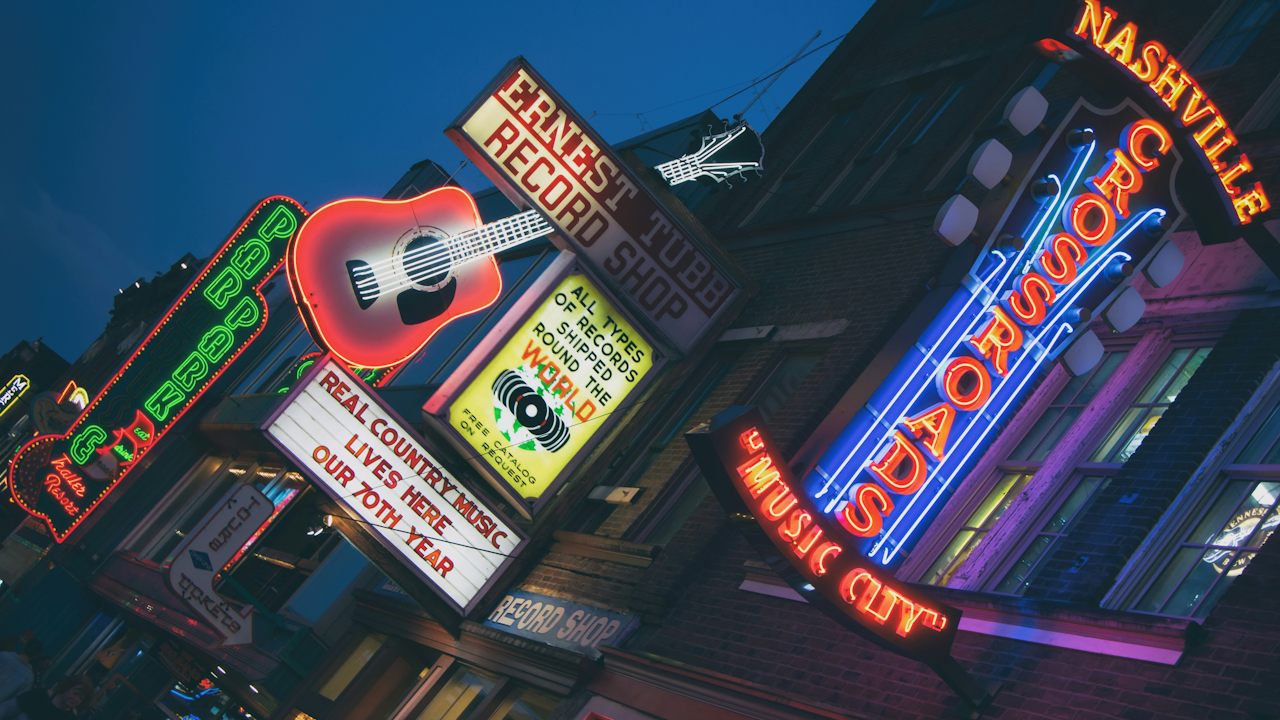
In the dim glow of a basement club in Memphis or a neon-lit multi-level haven in San Francisco, something electric is stirring once again. Crowds pack into spaces that hold just a few hundred people, not thousands. Local bands trade sets with visiting acts who have chosen the intimate stage over arena tours. Conversations flow easily between songs, and the air hums with the kind of shared energy that streaming playlists can never replicate. After years of dominance by global algorithms, blockbuster festivals, and polished major-label releases, local music scenes are experiencing a genuine resurgence. Cities across the United States and beyond are rediscovering their sonic identities, fueled by a post-pandemic hunger for community, affordable live experiences, and authentic cultural connection. This is not nostalgia for some bygone era. It is a forward-moving revival, where small venues, DIY collectives, and city-specific sounds are reclaiming their place at the heart of how we experience music.
To understand this comeback, it helps to recall how local scenes shaped music history in the first place. From the blues clubs of Chicago to the jazz joints of New Orleans, cities have long served as crucibles for innovation. Think of Seattle in the early 1990s, where grunge emerged from rain-soaked garages and small clubs like the Crocodile Cafe, or Manchester in the 1980s, where the Hacienda nightclub birthed acid house and indie rock anthems that defined a generation. These scenes thrived because they were rooted in place. Musicians drew inspiration from local culture, economic realities, and the everyday rhythms of urban life. Record labels scouted talent in these hotbeds, and fans built lifelong loyalties around hometown heroes. The music carried the flavor of its origin: the raw urgency of Detroit techno, the soulful swing of Memphis R&B, the experimental edge of New York’s downtown experimentalists. Local scenes were not side notes. They were the main event, driving cultural shifts that rippled outward to the world.
That model began to erode in the early 2000s. The rise of digital streaming platforms like Spotify and Apple Music shifted the economics of music consumption. Playlists favored universal appeal over regional quirks, rewarding songs that could travel seamlessly across borders rather than those tied to a specific city’s vibe. Major labels consolidated power, focusing resources on a handful of superstar acts capable of filling stadiums and dominating global charts. Touring became more expensive and logistically complex, with radius clauses from big festivals often preventing artists from playing smaller local dates. Independent venues struggled with rising rents, noise complaints from gentrifying neighborhoods, and competition from corporate promoters. Then came the COVID-19 pandemic, which delivered what many feared was a knockout blow. Venues shuttered for months or years. Live music evaporated overnight. Musicians pivoted to livestreams and bedroom recordings, but the soul of the scene, the sweaty, unpredictable magic of a packed room, felt lost. Many predicted the death of local music as we knew it. Yet the opposite happened. In the aftermath, a quiet but powerful rebound began.
The drivers of this revival are as varied as the cities themselves, but several threads run through them all. First and foremost is the deep human need for connection after prolonged isolation. During lockdowns, people spent unprecedented amounts of time online, with studies showing nearly half of Gen Z logging ten hours or more daily on screens. The result was widespread loneliness and a craving for real-world interaction. Small venues stepped in as oases. Tickets there typically range from ten to fifty dollars, far more accessible than the triple-digit prices for arena shows plagued by resale markups. Fans return week after week, recognizing familiar faces and forming bonds that extend beyond the music. Venue owners and promoters who banded together during the crisis through organizations like the National Independent Venue Association, founded in 2020, carried that spirit of collaboration forward. They began viewing one another as partners rather than rivals, sharing resources and audiences to keep local ecosystems alive.
Technology, once seen as the enemy of localism, has ironically become an ally. Social media and platforms like TikTok and Bandcamp allow artists to build direct fanbases without relying on major labels or national radio. A bedroom producer in Portland can drop a track that resonates with listeners in the same neighborhood, sparking house shows and DIY events. Streaming has democratized discovery, enabling fans to rabbit-hole into hyper-local sounds that algorithms might otherwise overlook. At the same time, a broader cultural shift toward authenticity has taken hold. In an era of polished influencer culture and corporate entertainment, people seek the raw, unfiltered energy of live performance. Indie artists report that small venues treat them with respect and genuine care, reaffirming why they create. As British singer Nadine Shah has noted, these spaces feed musicians well, treat them as people, and remind them that they make music for those who truly love it. Even established acts like Bob Dylan have incorporated intimate club dates into recent tours, seeking the personal connection that large stages cannot provide.
Economic factors play a role too. Cities recognize that vibrant local music scenes drive tourism, support surrounding businesses like bars and restaurants, and boost overall civic pride. Post-pandemic recovery efforts have included policy pushes for independent venues, from tax incentives to noise ordinance reforms. Meanwhile, the live music industry as a whole has entered what some call a golden age, with tours breaking records and attendance surging. But the growth is not only in the big leagues. It is happening at the grassroots level, where DIY spaces in warehouses, church basements, and repurposed storefronts fill gaps left by closures. These venues prioritize all-ages access, genre experimentation, and community support, often hosting benefits or open mics that nurture emerging talent. The result is a more diverse, participatory scene that resists the homogenization of mainstream platforms.
Nowhere is this revival more tangible than in specific cities that have leaned into their heritage while adapting to the present. Take Memphis, long known as a hit factory for blues, rock and roll, R&B, soul, and hip-hop. The city’s legacy stretches back to Sun Records and the Overton Park Shell, where Elvis Presley’s 1954 performance of “That’s All Right, Mama” ignited rock and roll. Icons like B.B. King, Otis Redding, and Isaac Hayes recorded at legendary studios such as Stax and Hi Records. Despite an exodus of talent to Nashville and Atlanta in later decades, Memphis refused to fade. In 2026, the Overton Park Shell celebrates its 90th anniversary with a free concert series and a mobile “Shell on Wheels” stage that brings performances directly to neighborhoods like North Memphis and Orange Mound. New infrastructure is accelerating the momentum. Live Nation’s 30,000-square-foot Satellite Music Hall is set to open near the Shell, while the 4,500-seat Grind City Amphitheater in Uptown aims to lure major tours that once bypassed the city. Festivals like Mempho Music Fest and the Riverbeat Festival, which drew over 60,000 attendees in its first two years with headliners ranging from the reunited Fugees to Jelly Roll, have restored energy to the riverfront. Local initiatives such as the Stax Music Academy nurture rising stars across genres, including hip-hop, R&B, and LGBTQ+ voices in a city that is more than 60 percent Black. As one promoter put it, Memphis punches above its weight class, and the scene is accelerating at a remarkable rate. Challenges remain, including venue gaps and economic pressures, but the raw authenticity of the city’s musical DNA continues to draw artists and fans alike.
San Francisco offers another compelling case. Once a countercultural mecca with a thriving underground scene, the city faced a cultural dip amid tech-driven gentrification and pandemic fallout. Enter Music City San Francisco, a twenty-million-dollar, five-level neon-lit complex off Polk Street that opened as a full-blown artist ecosystem. Conceived by lifelong musician and North Beach native Rudy Colombini, the space includes multiple performance rooms for nightly shows, plug-and-play rehearsal studios, a podcasting and streaming command center, a restaurant and bar, an art gallery, affordable hostel rooms for touring musicians, and even the San Francisco Music Hall of Fame. It is more than a venue. It is a creative accelerator designed to remove barriers for local talent by providing mentorship, housing, education, paid performance opportunities, and global reach through live streaming. Colombini envisioned it as the support system he wished he had as a young artist: affordable space to create, perform, grow, and live. In his words, the project emerged from heartbreak over the city’s fading underground spirit, but the timing could not be better. Post-pandemic, San Francisco is undergoing a cultural reset with physical and emotional room for new voices. People crave real connection, and music delivers it powerfully. Music City aims to bring the underground back, loud and global, while fostering a permanent home base for the next wave of Bay Area talent. It is already spurring FOMO-driven tourism and inspiring a rebirth of genre-bending, gritty sounds that once defined the city.
Portland, Oregon, illustrates the revival’s messier, more resilient side. The city’s indie and DIY scene has weathered venue closures and shifting demographics, including younger generations drinking less alcohol and spending more time at home. Yet optimism persists. New small venues like the all-ages Off Beat, the listening room Mono Space, and the hardcore-focused High Limit Room have opened, filling voids alongside revived spots such as Bunk Bar. Promoters and city officials are pushing policy changes through groups like MusicPortland, including an independent music city office to advocate for commercial music ecosystems. A new festival called Soundscape Northwest is positioning itself as a regional SXSW equivalent, with multiple venues, a creative conference, and citywide events aimed at economic recovery and urban renewal in Southeast Portland. Local bands report stronger community turnout at intimate shows, with familiar faces building networks through consistent attendance. The scene’s transience, long a feature of Portland’s creative life, now feels like renewal rather than loss. Similar patterns appear in other hubs. In the Twin Cities, new intimate spaces such as Berlin and Cloudland have joined established institutions like First Avenue, which booked 1,200 shows across its venues in 2023, matching pre-pandemic volume. Austin continues to live up to its Live Music Capital moniker, with eclectic neighborhoods hosting everything from outlaw country to experimental indie. Los Angeles and Seattle sustain thriving DIY undergrounds in basements and warehouses, where queer and trans artists, punks, and experimentalists find safe, participatory spaces that mainstream industries often overlook.
These examples point to a broader truth: local scenes are not relics of the analog past. They are adaptive, community-driven engines that respond to cultural needs. As festivals grow larger and streaming catalogs swell, the counterbalance of hyper-local experiences becomes more valuable. Small venues foster diversity by welcoming genre crossovers that corporate playlists rarely allow. They support emerging artists who might never crack national algorithms but who build loyal hometown followings. And they strengthen cities economically and socially by turning neighborhoods into destinations and giving residents a stake in their cultural fabric.
Looking ahead, the momentum shows no signs of slowing. More cities are investing in music as infrastructure, from policy reforms to venue preservation funds. Artists are prioritizing direct-to-fan models, releasing music independently and touring regionally first. Fans, weary of digital overload, continue seeking the irreplaceable thrill of collective presence in a room where the sound is too loud and the connection too real to ignore. Of course, challenges persist. Rising costs, housing pressures, and the lingering effects of economic uncertainty could stall progress in some places. Yet the post-pandemic era has proven that when local scenes are threatened, communities rally in ways that feel organic and enduring.
The sound of cities is returning, louder and more vibrant than before. It echoes in the chatter before a set begins, in the feedback from a guitar amp in a repurposed church, and in the applause that lingers long after the last note fades. These scenes remind us that music is not merely content to be consumed alone through earbuds. It is a living, breathing force shaped by place and people. In reclaiming their local sounds, cities are not just reviving the past. They are building a more connected, creative future, one intimate gig at a time.