

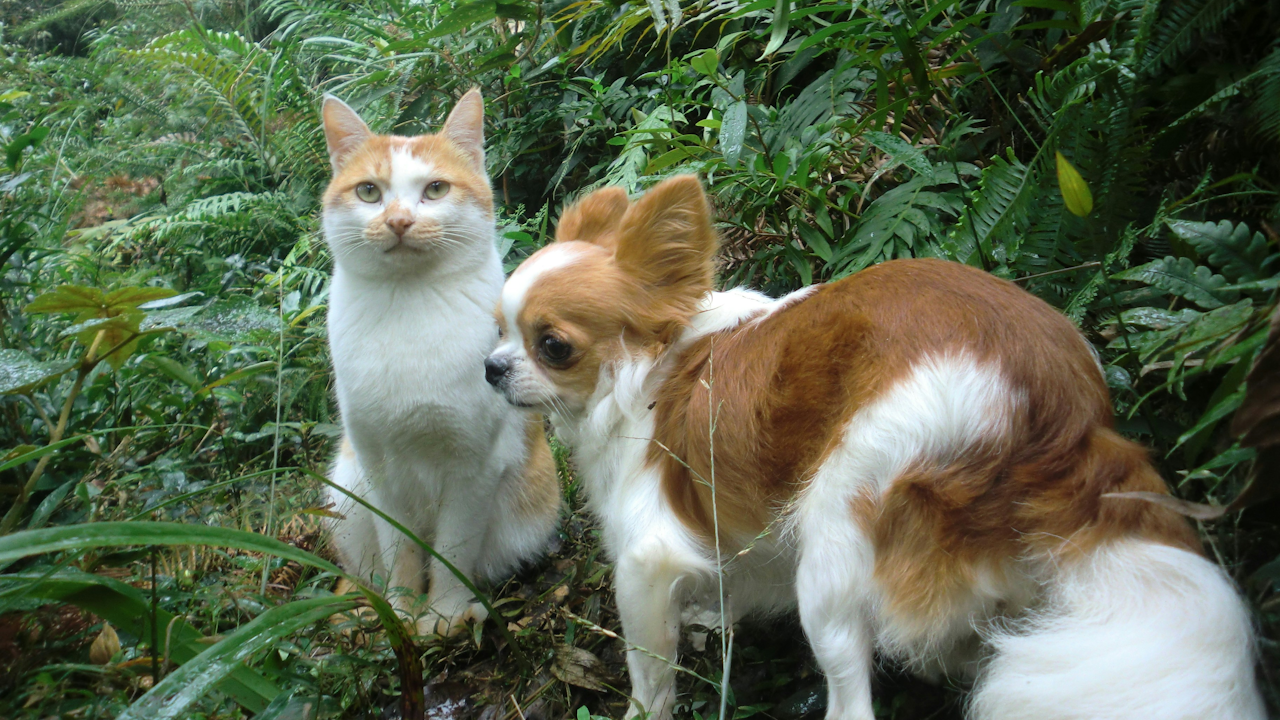
When most people picture a loyal companion animal, dogs and cats immediately come to mind. These traditional pets offer affection, playfulness, and emotional support in familiar ways. Yet a growing number of pet owners discover profound bonds with creatures far outside the ordinary. Unusual pets such as hedgehogs, ferrets, sugar gliders, chinchillas, miniature pot-bellied pigs, bearded dragons, fancy rats, and ball pythons prove that companionship transcends species stereotypes. These animals deliver unique personalities, surprising loyalty, and genuine emotional connections once their specific needs receive proper attention.
Owners of these less conventional pets often report reduced stress, increased daily engagement, and a sense of wonder that standard pets rarely match. What makes them surprisingly great companions lies in their intelligence, adaptability to human routines, and capacity for individual relationships. They challenge preconceptions: a spiny ball of quills turns out cuddly at heart, a scaly reptile learns to recognize its owner, and a tiny marsupial rides in a shirt pocket like a living accessory. Of course, success requires research, commitment, and realistic expectations about care. This article explores eight standout examples, highlighting why each defies its unusual reputation to become a cherished household member.
The Hedgehog: Quiet Charm in a Spiny Package
Hedgehogs rank among the most unexpectedly endearing small pets. Native to parts of Europe, Asia, and Africa, the African pygmy hedgehog variety dominates the pet trade because of its compact size and manageable temperament. At first glance, their quills suggest a prickly, standoffish nature. In reality, many hedgehogs relax into gentle, curious companions after a short adjustment period.
Hedgehogs bond through consistent, patient handling. They learn to recognize voices and scents, often unrolling from a defensive ball to explore a lap or shoulder. Their nocturnal habits suit night owls; owners enjoy late-evening play sessions where the hedgehog snuffles around a safe room or runs on a wheel. Despite their solitary wild lifestyle, pet hedgehogs thrive on human interaction and display distinct personalities ranging from bold explorers to shy observers.
Care involves a warm enclosure with hiding spots, a solid-wheel exercise device, and a diet heavy in high-protein insect-based kibble supplemented by occasional mealworms or vegetables. Lifespans reach four to six years with good nutrition and veterinary checkups from an exotic-animal specialist. Potential drawbacks include sensitivity to cold and a tendency to nibble if startled, yet these pale against the rewards. Hedgehog owners frequently describe the animal as a living stress ball that promotes mindfulness through its quiet routines and gradual trust-building. One owner might note how their hedgehog’s soft grunts during belly rubs create a calming evening ritual unmatched by noisier pets.
The Ferret: Energetic Mischief with Enduring Loyalty
Ferrets bring the playful chaos of a puppy combined with the independence of a kitten into homes willing to embrace their high-energy lifestyle. Descended from polecats, these long, slender mustelids possess boundless curiosity and a talent for turning ordinary rooms into obstacle courses. Their surprising companion qualities emerge through intense social bonds; ferrets often follow owners room to room, solicit games of chase, and even learn tricks such as fetching or using a litter box.
Ferrets require ferret-proofed spaces because they squeeze into tiny gaps and chew cords or rubber items. Daily playtime outside the cage prevents boredom and supports their muscular, flexible bodies. Diet focuses on high-protein, low-carbohydrate commercial ferret food, as their carnivorous digestive systems process plant matter poorly. Average lifespans span five to seven years, though attentive care can extend that range.
The companionship payoff arrives in their affectionate greetings and sleep cuddles. Ferrets form tight family units and treat trusted humans as part of the pack. They display emotions openly through dance-like war dances when excited or gentle nips that signal play invitations. While their musky scent demands regular bathing and cage cleaning, many owners view the upkeep as worthwhile for the laughter and engagement these pets provide. Families with older children especially appreciate ferrets’ interactive nature, which fosters responsibility and joy in equal measure.
Sugar Gliders: Pocket-Sized Marsupials That Form Lifelong Ties
Sugar gliders captivate with their gliding membranes, large eyes, and vocal chirps that resemble tiny birds. These Australian marsupials live up to 12 to 15 years in captivity and develop deep attachments when kept in small groups or bonded carefully with humans. Their companion status shines through nightly bonding sessions where they ride on shoulders, tuck into pockets, or glide short distances on command.
Social needs rank high; solitary gliders often suffer depression, so pairs or trios work best alongside human time. Diet combines specialized nectar mixes, insects, and fresh produce to mimic their wild foraging. Enclosures must feature vertical height for climbing and gliding, plus secure branches and pouches for daytime rest.
Despite initial shyness, hand-raised or properly socialized gliders greet owners with enthusiastic barking and grooming behaviors. Their small size suits apartment living, yet their intelligence demands enrichment toys and mental stimulation. Owners report therapeutic benefits from the routine of evening interactions, which encourage consistent schedules and reduce loneliness. Sugar gliders surprise skeptics by proving that exotic appearance and genuine emotional reciprocity can coexist in a creature no larger than a hamster.
Chinchillas: Fluffy Night Owls with Soft Hearts
Chinchillas originated in the Andes Mountains and now charm pet enthusiasts with impossibly soft fur, playful leaps, and dust-bath antics. These rodents live 10 to 15 years or longer and reward patient owners with interactive personalities once trust builds. They hop, climb, and investigate with a gentle curiosity that feels almost conversational.
Companionship develops through supervised play in chinchilla-proofed rooms and daily dust baths that keep their coats pristine. Diets center on hay, pellets, and limited treats to prevent dental overgrowth, a common issue in the species. Nocturnal by nature, chinchillas align well with evening-focused households.
Their affectionate side appears in shoulder rides, gentle nibbles on fingers during bonding, and excited popcorn jumps when happy. Chinchillas tolerate handling better than many small rodents and rarely bite unless frightened. The sensory pleasure of stroking their dense fur combined with their clean habits and minimal odor makes them ideal for allergy-conscious homes. Owners often cite the calming effect of watching a chinchilla methodically dust bathe or rearrange cage toys as a meditative daily highlight.
Miniature Pot-Bellied Pigs: Intelligent Giants with Dog-Like Devotion
Miniature pot-bellied pigs shatter stereotypes about farm animals by demonstrating cognitive abilities comparable to young children. These compact pigs, bred smaller than commercial varieties, weigh 50 to 150 pounds at maturity and live 12 to 20 years. They house-train quickly, learn commands, and form profound attachments that mirror canine loyalty.
Pigs crave mental stimulation through puzzle toys, walks on leashes, and rooting activities in safe outdoor areas or indoor digging boxes. Diets must stay low in calories to avoid obesity; specialized pellets, vegetables, and limited fruits work best. Space requirements exceed those of most small pets, yet many owners convert backyards into pig-friendly zones with shelters and enrichment.
The surprising companion element lies in pigs’ emotional intelligence. They recognize family members, seek belly rubs, and even comfort owners during stressful moments. Playful nudges and grunts convey clear communication. While stubborn streaks exist, positive reinforcement training yields impressive results. Pig owners frequently describe their pets as family anchors who bring structure, laughter, and unconditional acceptance to daily life.
Bearded Dragons: Docile Reptiles That Recognize Their People
Bearded dragons from Australia have surged in popularity because of their calm demeanor and interactive habits. These lizards reach two feet in length and live five to ten years under proper conditions. They tolerate handling, bask under heat lamps while perched on shoulders, and display unique behaviors such as arm waving or head bobbing that signal mood and recognition.
Enclosures need UVB lighting, temperature gradients, and varied substrates for natural digging. Diets blend insects, leafy greens, and occasional fruits. Bearded dragons thrive on routine and often approach the front of their habitat when owners enter the room.
Companionship emerges in their relaxed posture during petting sessions and their apparent enjoyment of observation time with humans. Unlike many reptiles, bearded dragons rarely show aggression and adapt well to family environments. Their low-maintenance feeding schedule and striking appearance provide visual and emotional satisfaction without constant demands. Reptile enthusiasts praise the meditative quality of watching a bearded dragon hunt crickets or lounge contentedly as a form of stress relief.
Fancy Rats: Tiny Social Geniuses with Big Hearts
Fancy rats, selectively bred from wild Norway rats for temperament, rank as some of the most underrated companion animals. They live two to three years yet pack remarkable intelligence and affection into that span. Rats learn their names, navigate mazes, and perform tricks with enthusiasm. They groom owners’ hands, cuddle in laps, and seek out company throughout the day.
Social housing in same-sex pairs or small groups prevents loneliness, and spacious cages with hammocks and tunnels support their active minds. Diets include commercial rat blocks supplemented by fresh produce and proteins. Their clean grooming habits produce minimal odor when enclosures stay maintained.
The bond forms rapidly; rats display joy through bruxing (tooth grinding) and eye-boggling when content. Owners report that rats alleviate anxiety by offering constant, nonjudgmental presence and playful interactions. Despite cultural biases, fancy rats prove loyal, trainable, and emotionally attuned in ways that rival larger mammals.
Ball Pythons: Gentle Serpents That Offer Calm Presence
Ball pythons, native to Africa, coil into tight balls when stressed but reveal placid, handleable personalities in captive settings. Lifespans reach 20 to 30 years, rewarding long-term dedication. These snakes move deliberately, explore enclosures with quiet curiosity, and accept regular handling once acclimated.
Simple care includes secure enclosures with hides, appropriate heat gradients, and frozen-thawed rodent meals every one to two weeks. Their nocturnal schedule suits quiet households.
Companionship manifests in their tolerance of touch and the soothing routine of weekly weigh-ins or enclosure maintenance. Many owners find the snake’s slow movements and focused gaze meditative, reducing screen-time stress. Ball pythons challenge assumptions about reptiles by demonstrating individual preferences for certain handlers and environments.
Choosing and Caring for an Unusual Companion
Selecting an unusual pet demands honest self-assessment. Consider lifestyle, living space, travel frequency, and willingness to locate exotic veterinarians. Local laws vary; some regions restrict hedgehogs, sugar gliders, or ferrets, so verification precedes purchase. Budget for specialized equipment, ongoing food, and potential health issues that require experienced care.
Ethical sourcing matters. Adopt from reputable rescues or breeders who prioritize welfare over profit. Avoid impulse buys at pet stores where animals may lack proper socialization. Preparation includes reading species-specific guides, joining online communities for advice, and setting up habitats before bringing the animal home.
Each of these pets offers rewards proportional to the effort invested. Their unusual traits become strengths: a hedgehog’s quietness aids focus work, a ferret’s energy motivates exercise, a pig’s intelligence sparks training sessions, and a snake’s calm presence encourages mindfulness. Over time, the bond deepens into something irreplaceable.
In conclusion, unusual pets expand the definition of companionship beyond fur and four legs. They introduce fresh perspectives, demand thoughtful care, and deliver loyalty that surprises even seasoned animal lovers. Anyone open to learning a new species’ language may discover a lifelong friend in the most unexpected form. Responsible ownership transforms initial curiosity into lasting connection, proving that great companions come in all shapes, sizes, and scales.