

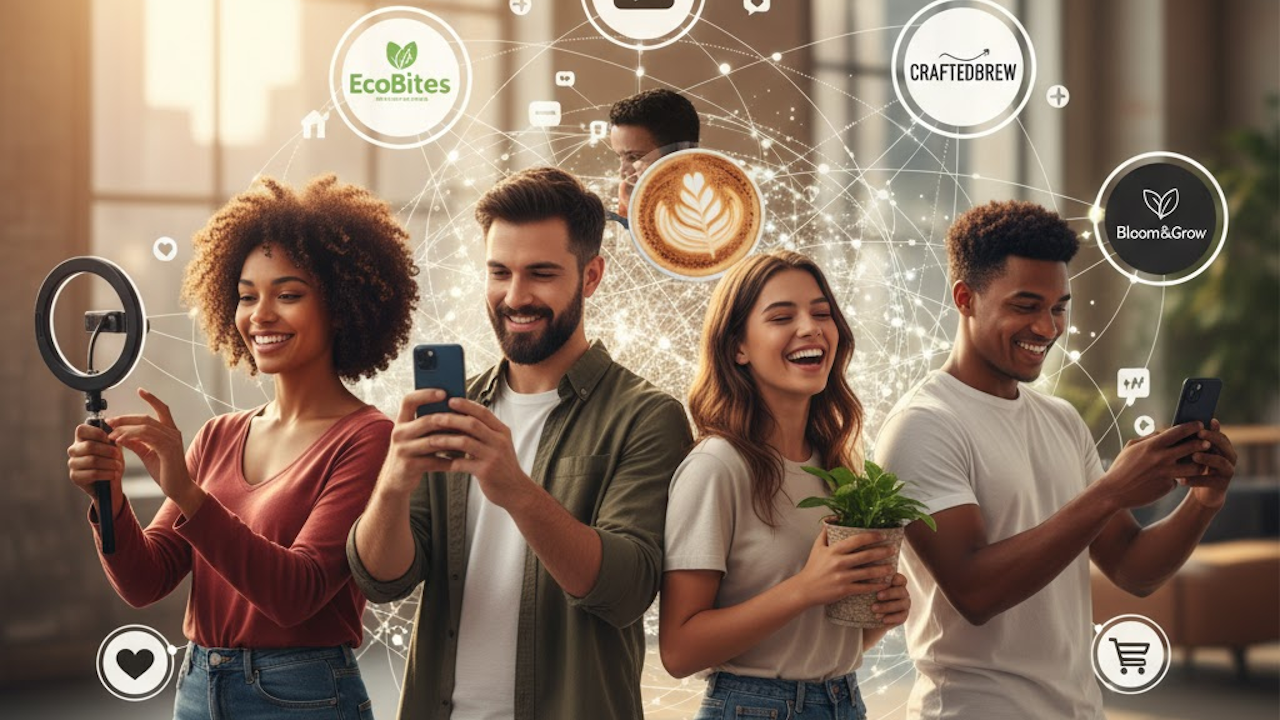
In the evolving landscape of digital marketing, a significant shift has occurred away from the dominance of celebrities and large scale social media personalities toward a more intimate and targeted approach. Micro-influencers, typically defined as content creators with follower counts ranging from 10,000 to 100,000, have emerged as powerful players in brand promotion and consumer engagement. Their ascent reflects broader changes in how people consume media, build trust, and make purchasing decisions in an era saturated with advertising. This article explores the origins, drivers, advantages, challenges, real world applications, and future prospects of micro-influencers in marketing strategies.
The concept of influence in marketing is not new. Historically, brands relied on celebrity endorsements to lend credibility and aspirational appeal to their products. However, the explosion of social media platforms in the early 2010s democratized content creation and shifted power dynamics. What began with bloggers and early YouTubers evolved into a structured influencer economy. By the mid 2010s, the term micro-influencer gained traction as marketers recognized the value in niche audiences over mass appeal. Unlike macro-influencers with hundreds of thousands or millions of followers, micro-influencers maintain a sense of authenticity and community that resonates deeply with their followers.
This transition accelerated as consumers grew weary of polished, distant celebrity promotions. Data indicates that audiences perceive micro-influencers as more relatable and trustworthy. They often share personal stories, everyday experiences, and genuine opinions, fostering a connection that feels like a conversation with a knowledgeable friend rather than a sales pitch from a superstar. This perception has driven brands to allocate more resources toward these smaller creators, marking a pivotal change in digital advertising tactics.
Several key factors have fueled the rise of micro-influencers. First, the algorithm changes on platforms like Instagram, TikTok, and YouTube have prioritized engagement over sheer follower count. Content that sparks comments, shares, and meaningful interactions performs better, and micro-influencers excel here. Their smaller audiences allow for more personalized responses and community building, leading to engagement rates that can be three to four times higher than those of larger influencers.
Second, economic considerations play a major role. Collaborating with micro-influencers is significantly more cost effective. While a macro-influencer might command tens of thousands of dollars per post, micro-influencers often work for a fraction of that, sometimes between a few hundred to a couple of thousand dollars. This lower barrier enables brands, including small and medium sized businesses, to experiment with campaigns without massive budgets. Reports show that micro-influencers can deliver comparable or superior results at 60 percent lower costs.
Third, the demand for authenticity in a post-pandemic world has amplified their appeal. Consumers seek recommendations from people who seem like them, facing similar challenges and celebrating similar victories. Micro-influencers often operate within specific niches such as sustainable fashion, home fitness, plant based cooking, or tech gadgets for everyday users. This specialization builds expertise and loyalty that broad appeal influencers struggle to match.
The benefits for brands partnering with micro-influencers are multifaceted. Higher engagement translates to better conversion rates. Followers of micro-influencers are more likely to trust endorsements and take action, whether that means clicking a link, making a purchase, or trying a new product. Studies highlight that these creators drive stronger community responses and long term brand affinity.
Another advantage lies in targeted reach. A micro-influencer in the outdoor adventure space, for example, connects directly with enthusiasts who are prime customers for hiking gear or eco friendly apparel. This precision reduces wasted impressions and improves return on investment. Brands can also scale efforts by working with multiple micro-influencers simultaneously, creating a network effect that mimics broader reach while retaining niche authenticity.
Diversity and inclusion benefit as well. The micro-influencer space includes voices from varied backgrounds, ages, ethnicities, and lifestyles that larger influencer pools may overlook. This allows brands to connect with underrepresented audiences in meaningful ways, enhancing cultural relevance and social responsibility.
Real world examples illustrate the effectiveness of micro-influencer strategies. Consider the case of Iceland Foods, a UK supermarket chain that shifted from celebrity endorsements to partnering with 50 micro-influencer parents. The campaign focused on everyday family meals and resulted in a dramatic increase in public approval ratings, from around 10 percent to 70 percent, along with strong video retention and sales growth.
Glossier, the minimalist beauty brand, built much of its success through micro-influencer and customer ambassador programs. By turning loyal fans into content creators who shared personal stories and product uses, the brand generated substantial organic social content and achieved a valuation in the billions. Their approach emphasized genuine integration rather than forced promotions.
Daniel Wellington, the watch company, distributed free products and discount codes to thousands of micro-influencers early on. This grassroots effort contributed to explosive revenue growth of over 200 percent in a short period and helped build a massive Instagram following from a modest base.
In the travel sector, Airalo collaborated with micro-influencers on TikTok to promote its eSIM services. Ten creators generated millions of views, high engagement, and cost effective app installs by sharing practical travel tips and experiences.
Pet food brand I and Love and You worked with hundreds of micro pet influencers, producing content that reached millions and drove significant engagements through relatable lifestyle posts.
These successes demonstrate how micro-influencers can deliver tangible business outcomes across industries.
Despite the advantages, challenges exist in the micro-influencer ecosystem. One primary concern is limited reach compared to macro-influencers. A single post from a creator with 50,000 followers will not match the exposure of one from a million follower account. Brands must often coordinate multiple partnerships to achieve scale, which increases logistical complexity.
Management and quality control pose additional hurdles. Working with numerous individuals requires clear communication, contract management, and performance tracking. Not all micro-influencers possess professional experience, which can lead to inconsistencies in content quality, adherence to brand guidelines, or meeting deadlines. Brands need robust processes to vet partners and maintain standards.
Authenticity risks remain. As more creators enter paid partnerships, some audiences detect overly commercialized content, potentially eroding trust. Excessive promotions that do not align with an influencer’s usual style can damage credibility for both the creator and the brand.
Measurement of success can also be tricky. While engagement metrics are strong, attributing direct sales or long term loyalty requires sophisticated tracking tools like unique discount codes, affiliate links, or advanced analytics. Fraud, such as inflated follower counts through bots, affects the space, though micro-influencers generally face less scrutiny than larger ones.
From the influencer perspective, challenges include inconsistent income, the pressure to constantly produce content, and the blurred line between personal and professional life. Many micro-influencers view their work as a full time job but struggle with recognition as legitimate professionals. Building sustainable careers demands business skills in addition to creative talents.
Looking ahead, the trajectory for micro-influencers appears robust. Projections for the influencer marketing industry point to continued growth, with global spending approaching or exceeding 30 billion dollars in the coming years. Micro and nano-influencers are expected to capture a larger share as brands prioritize return on investment and genuine connections.
Emerging trends include greater integration of artificial intelligence for matching brands with suitable creators, more focus on video and short form content on platforms like TikTok and Reels, and expanded use in emerging markets. Localized campaigns using regional micro-influencers will likely rise as consumers value culturally relevant endorsements.
Sustainability and social impact niches may see particular growth, with creators advocating for ethical practices influencing consumer behavior. Long term ambassador programs, rather than one off posts, could become standard, fostering deeper brand-creator relationships.
Regulatory developments around disclosure and transparency will shape practices. Clear labeling of sponsored content remains essential to maintain trust. Platforms may introduce new tools to facilitate fair compensation and performance measurement.
For brands, success in this space requires a strategic mindset. Identifying the right micro-influencers involves more than follower counts. Alignment in values, audience demographics, and content style is crucial. Tools for discovery, analytics, and campaign management continue to evolve, making partnerships more efficient.
Businesses should approach collaborations as relationships rather than transactions. Providing creative freedom while offering clear guidelines often yields the best content. Compensation should reflect effort and results, potentially including product gifting, affiliate commissions, or performance bonuses.
Testing small campaigns before scaling allows refinement of approaches. Monitoring not just vanity metrics but actual business impacts ensures accountability.
In conclusion, the rise of micro-influencers represents a maturation of digital marketing toward more human centered, efficient, and effective strategies. They bridge the gap between brands and consumers in ways that larger influencers often cannot, delivering authenticity, engagement, and results at accessible costs. While challenges persist, their advantages position them as a cornerstone of modern advertising. As technology and consumer expectations evolve, micro-influencers will likely play an even more prominent role, empowering smaller voices to drive significant cultural and commercial impact. Brands that embrace this shift stand to build stronger, more loyal communities in an increasingly fragmented media world.