

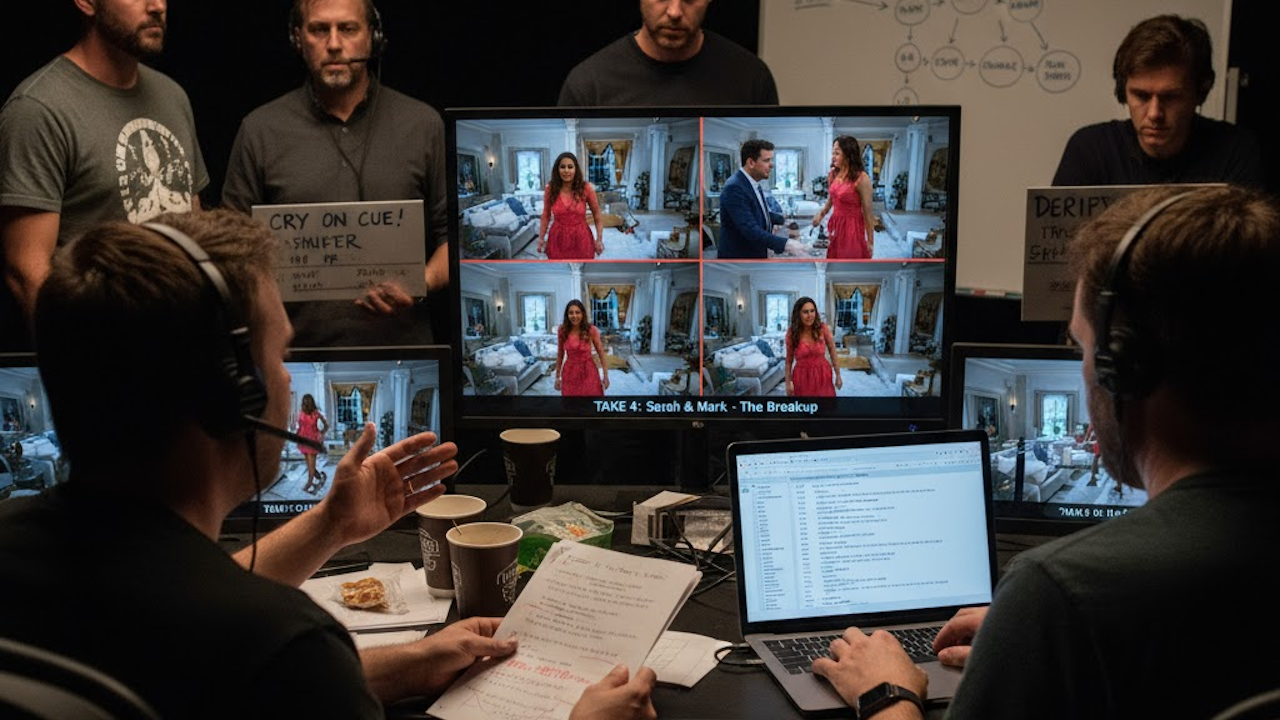
Reality television has long captivated audiences with the promise of unfiltered glimpses into the lives of everyday people or celebrities navigating dramatic situations. Shows like Survivor, The Bachelor, Keeping Up with the Kardashians, and Jersey Shore market themselves as authentic slices of reality. Yet behind the polished episodes lies a heavily orchestrated process. Producers, editors, and entire production teams shape raw footage into compelling narratives. While not every moment follows a traditional script with exact dialogue, the genre relies on extensive manipulation to heighten drama, create story arcs, and maintain viewer engagement. This article explores the multifaceted ways reality TV is crafted behind the scenes.
The Foundation: Casting and Pre-Production Planning
The scripting process begins long before cameras roll. Producers do not simply film random events. They carefully select participants who fit desired archetypes and dynamics. Casting calls seek individuals with strong personalities, compelling backstories, or existing conflicts that can fuel drama. Auditions often include interviews where potential cast members reveal vulnerabilities or interpersonal tensions that producers can exploit.
Once selected, participants enter controlled environments. Producers design living situations, challenges, and daily schedules to encourage specific interactions. On dating shows, for instance, producers may guide contestants toward certain pairings or conversations. In competition formats like Survivor, challenges and eliminations follow planned structures, even if outcomes depend partly on participant choices. Storyboards and shooting scripts outline potential episode flows, not word-for-word dialogue but key events, emotional beats, and conflict points.
Alcohol often plays a role in loosening inhibitions. Producers provide drinks strategically to amplify emotions and prompt outbursts. Confidentiality agreements, or NDAs, bind participants, preventing them from disclosing production tactics for years. This secrecy helps maintain the illusion of spontaneity.
On-Set Manipulation: Guiding the “Reality”
During filming, producers actively intervene to steer events. They rarely hand out full scripts, but they set up scenarios and prompt behaviors. Field producers might pull contestants aside for “confessionals” or diary room sessions, using leading questions to elicit desired soundbites. Phrases like “Tell us more about how angry Stacy made you last night” plant ideas and shape narratives.
Staged or re-shot scenes are common. Participants might repeat actions or conversations multiple times from different angles to give editors options. One former participant described re-doing a four-minute segment for hours until it met production standards. Situations that might not occur naturally are manufactured. On Dance Moms, the iconic pyramid ranking existed only for the cameras, created by producers to generate tension.
Producers also exploit real relationships while amplifying them. They encourage arguments by isolating individuals or feeding selective information. In some cases, they whisper suggestions or create artificial conflicts. Shows like The Hills faced accusations of bribing cast members or fabricating storylines that leaked to tabloids for added buzz.
Participants often feel pressured to perform. The constant presence of cameras and crew influences behavior. Some describe being steered into storylines that do not reflect their true feelings, all in service of entertainment. Crew members handle logistics invisibly, from microphone changes to set adjustments, while keeping the focus on the cast.
The Power of Post-Production: Editing Creates the Story
The most significant scripting happens in the editing room. Hundreds or thousands of hours of footage are condensed into episodic narratives. Editors and story producers craft heroes, villains, and romantic arcs from disparate moments. This process involves several key techniques.
Frankenbiting (or Frankenstein editing) stitches together words and sentences from different times and contexts to form new statements. A contestant might appear to say something inflammatory by combining unrelated clips. One Joe Millionaire participant claimed editors combined her words from multiple days to imply an event that never happened. Similar accusations plagued The Hills, where audio from separate calls was merged to create confessions.
Reaction Shots and Cutaways build drama. An innocent facial expression or unrelated glance can be inserted to suggest shock, anger, or approval. These shots, sometimes captured during unrelated moments, transform mundane events into tense confrontations. Dramatic music swells at key points, or silence heightens unease, guiding viewer emotions.
Selective Omission plays a huge role. Boring or contradictory footage ends up on the cutting room floor. Positive interactions or resolutions that undermine conflict arcs disappear. Editors extend pauses, use slow motion, or add sound effects to amplify moments. Interview bites, filmed separately, provide context or narration that frames events in a producer-chosen light.
Timeline manipulation further distorts reality. Events from different days or weeks appear sequential. A yawn during downtime might open a date segment to imply boredom. On The Simple Life, Paris Hilton and Nicole Richie reportedly stayed in hotels for most of the season despite the “roughing it” premise.
Notable Examples Across Popular Shows
Many iconic reality programs illustrate these techniques. Jersey Shore reportedly used loose scripts outlining actions like “get drunk, flirt, start fight, gossip.” Participants followed broad plot points rather than exact lines.
Pawn Stars and similar shopping or expertise shows stage customer interactions. Items and negotiations are often pre-arranged for camera appeal, even if the shop itself is legitimate.
Competition shows like The Biggest Loser have drawn scrutiny for editing weight loss timelines and manipulating contestant conditions. Dating series frequently compress or rearrange relationships to fit episode structures.
The Bachelor franchise uses producer-guided conversations and selective editing to build or destroy connections. Contestants have spoken about being encouraged to pursue certain storylines or having footage twisted in post-production.
Even seemingly wholesome formats face manipulation. Producers on home renovation or lifestyle shows may stage “surprises” or conflicts to sustain interest across episodes.
The Human Cost and Viewer Impact
Participants often suffer from the gap between portrayed and actual experiences. The intense filming schedule, isolation, and emotional manipulation lead to stress, anxiety, and damaged reputations. Many sign contracts limiting their ability to speak out, and the edited versions can haunt them long after production ends. Some reality stars have publicly called out producers for creating false narratives that affected their personal lives.
Viewers consume these shows with varying awareness. The entertainment value comes from the heightened drama, but the illusion of reality influences perceptions of relationships, success, and conflict resolution. Critics argue this blurs lines between truth and fiction, contributing to cynicism about media.
Networks defend the practices as necessary for storytelling. Reality TV is cheaper to produce than scripted dramas because it avoids unions for writers and actors in the traditional sense. High ratings justify the methods. Yet shows like UnREAL, a scripted drama about reality production, have highlighted the ethical gray areas, including exploitation and deception.
Why the Illusion Persists
Reality TV thrives because audiences crave authenticity mixed with escapism. The genre evolved from early documentary-style programs into a multi-billion-dollar industry by perfecting the balance between real emotions and manufactured spectacle. Advances in editing technology and 24-hour filming make manipulation more seamless.
Producers continue refining techniques while facing occasional backlash. Some shows now include disclaimers or behind-the-scenes features acknowledging production elements. Still, the core promise of “unscripted” drama remains a powerful draw.
In the end, reality television represents a collaborative performance. Participants bring genuine personalities, but producers, crews, and editors transform those raw materials into binge-worthy entertainment. Understanding these behind-the-scenes processes allows viewers to appreciate the craft while approaching the content with informed skepticism. The next time a dramatic confrontation unfolds on screen, remember the layers of planning, prompting, and polishing that made it possible. The reality on television is rarely as straightforward as it appears.