

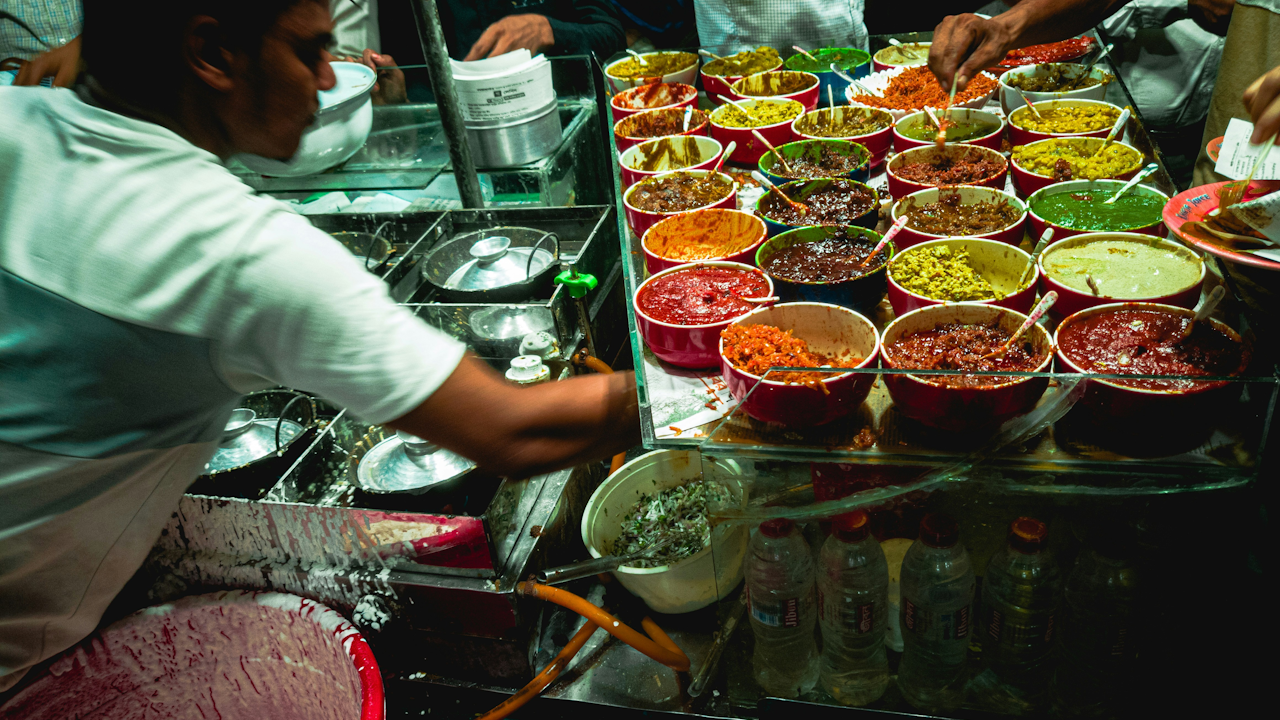
Fusion food represents the blending of culinary traditions from two or more distinct cultures into new dishes that create unique flavors and experiences. This phenomenon has gained remarkable momentum in recent decades transforming restaurant menus home kitchens and global food discourse. What began as occasional experiments by adventurous chefs has evolved into a widespread cultural movement reflecting broader shifts in society technology and human interaction. This article explores the historical roots modern drivers prominent examples economic and social impacts challenges and the likely future trajectory of fusion food cultures.
Historical Foundations of Culinary Blending
Culinary fusion is not a recent invention. Throughout history trade migration and conquest have led to the exchange of ingredients and cooking techniques. The Silk Road facilitated the movement of spices herbs and cooking methods between Asia Europe and the Middle East. Pepper from India cinnamon from Sri Lanka and ginger from Southeast Asia found their way into European cuisines fundamentally altering local dishes.
Colonialism played a significant role in early fusions. In the Americas European settlers combined their traditions with indigenous ingredients such as tomatoes corn and chili peppers creating what we now recognize as foundational elements of Latin American and North American cooking. The Spanish introduction of pork and rice to the Philippines merged with local flavors to produce dishes like adobo. In the Caribbean African enslaved people brought okra and yams which blended with European and indigenous elements to form creole cuisines.
During the 19th and 20th centuries waves of immigration further accelerated these exchanges. Chinese immigrants in the United States adapted their cooking to available ingredients and American tastes resulting in dishes like chop suey and General Tso’s chicken. Italian American cuisine emerged with adaptations such as spaghetti and meatballs which differ notably from traditional Italian versions. These early fusions often arose from necessity and adaptation rather than deliberate innovation but they laid the groundwork for more intentional blending in later eras.
The Modern Surge in Fusion Trends
Several interconnected factors have propelled fusion food into the mainstream since the late 20th century. Globalization stands out as a primary driver. Improved transportation and supply chains have made once exotic ingredients readily available worldwide. A consumer in London can now easily purchase lemongrass gochujang or quinoa without much difficulty.
Immigration patterns have also contributed substantially. As people move across borders they bring their culinary heritage while adapting to new environments. Second generation immigrants often experiment with combining their ancestral foods with local favorites creating hybrid dishes that appeal to diverse palates. In cities with large immigrant populations such as New York Los Angeles and London ethnic enclaves serve as laboratories for culinary innovation.
Travel and cultural exchange have amplified this trend. Tourists returning from abroad seek to recreate memorable meals leading to increased demand for authentic yet accessible versions of foreign cuisines. Meanwhile exposure to international food through travel inspires chefs to incorporate global elements into their repertoires.
Technology and media have played transformative roles. Television shows like Iron Chef and Top Chef popularized the idea of creative ingredient combinations. Social media platforms such as Instagram and TikTok allow home cooks and professional chefs alike to share fusion creations instantly reaching millions of viewers. A single viral video of a sushi burrito or kimchi quesadilla can spark widespread interest and imitation. Food delivery apps further democratize access to these hybrid offerings making them part of everyday dining options.
Celebrity chefs have been instrumental in elevating fusion from niche experiments to celebrated cuisine. Figures like Wolfgang Puck with his famous smoked salmon pizza at Spago in the 1980s helped legitimize the approach. Later innovators such as Roy Choi with his Kogi food truck in Los Angeles introduced Korean Mexican tacos to a broad audience. In the United Kingdom chefs like Heston Blumenthal have pushed boundaries with scientific approaches to fusion while in Asia figures like Nobu Matsuhisa blended Japanese and Peruvian elements to create a global empire.
Regional Examples of Fusion Innovation
Fusion manifests differently across the globe reflecting local ingredients histories and demographics. In the United States one of the most dynamic arenas for fusion the diversity of immigrant communities fuels constant creativity. Tex Mex cuisine itself a longstanding fusion of Mexican and American Southwestern traditions has inspired further hybrids. Korean tacos featuring bulgogi marinated beef in corn tortillas topped with kimchi slaw and sriracha exemplify this cross pollination. Sushi burritos wrap sushi ingredients in large nori sheets with rice and fillings like spicy tuna or tempura shrimp offering a portable meal that merges Japanese and Mexican formats.
In major cities Peruvian Japanese Nikkei cuisine has gained prominence. Japanese immigrants to Peru in the late 19th and early 20th centuries adapted their techniques to local seafood and produce. Dishes like tiradito a thin sliced fish preparation similar to ceviche but with Japanese influences and lomo saltado a stir fry combining Peruvian beef with Chinese style wok techniques showcase this heritage. Restaurants specializing in Nikkei cuisine now appear in New York Tokyo and Madrid bringing these flavors to international audiences.
Europe has its own vibrant fusion scenes. In the United Kingdom Indian British cuisine often called Anglo Indian has deep roots. Chicken tikka masala widely regarded as a British national dish consists of tandoori chicken in a creamy tomato sauce invented to suit local preferences. Modern iterations include Indian pizza with naan crusts and curry toppings or fusion Scotch eggs incorporating spiced lamb. French Vietnamese cuisine in Paris reflects colonial history with dishes like banh mi sandwiches that combine French baguettes with Vietnamese herbs pickled vegetables and meats.
In Asia fusion takes forms that blend neighboring traditions or incorporate Western elements. In Singapore and Malaysia the concept of Peranakan or Nyonya cuisine represents a longstanding fusion of Chinese Malay and Indonesian influences evident in dishes like laksa a spicy coconut noodle soup. Contemporary chefs experiment with Thai Mexican tacos or Japanese Italian pastas featuring miso carbonara. In India Chinese Indian or Indo Chinese food has become immensely popular with items like chili chicken and hakka noodles adapted to Indian spice levels and tastes.
Australia and New Zealand with their multicultural populations have embraced Asian fusion heavily. Modern Australian cuisine often features Pacific Rim influences such as kangaroo with Asian marinades or seafood plates combining local produce with Japanese or Thai techniques. These examples illustrate how fusion adapts to regional contexts while maintaining core principles of creativity and harmony in flavors.
Economic and Social Impacts
The rise of fusion food cultures carries significant economic implications. It creates new market opportunities for restaurants food trucks and packaged products. Fusion concepts often command premium prices due to their novelty and perceived sophistication. The global ethnic food market has expanded rapidly with fusion items driving growth in both casual and fine dining segments.
Small businesses benefit particularly. Immigrant entrepreneurs can leverage fusion to make their offerings more approachable to mainstream customers while preserving elements of their heritage. Food halls and markets in cities worldwide dedicate spaces to fusion vendors fostering entrepreneurship and cultural exchange.
Socially fusion promotes cross cultural understanding. Sharing a meal transcends language barriers and builds connections. When people enjoy a dish that combines elements from multiple heritages they engage with those cultures in an accessible way. This can reduce prejudices and encourage appreciation for diversity. Educational aspects emerge as well with restaurants and cookbooks explaining the origins and stories behind fused dishes.
Public health dimensions also come into play. Fusion can encourage healthier eating by incorporating nutrient dense ingredients from various traditions such as adding quinoa or kale to traditionally heavy dishes or using spices with known anti inflammatory properties. However challenges arise when fusion versions increase sugar salt or fat content to appeal to broader tastes potentially undermining nutritional benefits.
Challenges and Criticisms
Despite its popularity fusion food faces notable criticisms. One common concern involves cultural appropriation. Detractors argue that when chefs from outside a culture adapt traditional recipes without proper respect or understanding they dilute or commodify sacred elements. For instance the use of sacred indigenous ingredients in trendy bowls without acknowledgment of their cultural significance can spark backlash.
Authenticity debates frequently surface. Purists maintain that certain cuisines should remain true to their origins rather than being altered for commercial appeal. This tension between tradition and innovation creates ongoing discussions within culinary communities. Some fusions succeed brilliantly while others result in muddled flavors that satisfy no one.
Practical challenges include sourcing consistent high quality ingredients across cultures. Supply chain disruptions can affect availability and consistency. Training kitchen staff in multiple techniques requires time and resources. Regulatory hurdles such as food safety standards for novel preparations can complicate operations.
Environmental considerations add another layer. While fusion can promote sustainable local sourcing when done thoughtfully the global demand for exotic ingredients increases transportation emissions and pressure on ecosystems. Chefs and consumers increasingly seek fusions that prioritize seasonality and minimal waste to address these issues.
The Future of Fusion Food Cultures
Looking ahead fusion food appears poised for continued evolution. Advances in food science and technology will enable more sophisticated combinations. Molecular gastronomy techniques allow chefs to deconstruct and reconstruct traditional elements in novel ways such as spherified sauces or foams that blend unexpected flavors.
Climate change and sustainability concerns will shape future fusions. As certain ingredients become scarce due to environmental shifts chefs will innovate with alternatives creating new hybrids. Plant based fusions are likely to proliferate as consumers seek vegetarian or vegan options that draw from global traditions.
Digital technology will further democratize fusion. Artificial intelligence tools may suggest ingredient pairings or generate recipes based on vast databases of culinary knowledge. Virtual cooking classes and online communities will facilitate knowledge sharing across borders allowing amateur cooks to experiment freely.
Demographic shifts will influence directions as younger generations with fluid cultural identities seek foods that reflect their multifaceted backgrounds. Global events such as migrations due to conflict or economic opportunity will introduce new fusion possibilities.
In professional spheres fine dining will likely continue pushing boundaries while casual dining normalizes fusion as everyday fare. Expect more regional specialties to gain international recognition through fusion adaptations making them accessible worldwide.
Conclusion
The rise of fusion food cultures encapsulates the dynamic nature of human society in an interconnected world. From ancient trade routes to modern social media platforms the blending of culinary traditions mirrors broader patterns of exchange adaptation and creativity. While challenges related to authenticity and sustainability persist the overall movement enriches lives through novel tastes shared experiences and economic vitality.
As borders become more permeable both physically and digitally fusion will remain a vital force in gastronomy. It celebrates diversity not by erasing differences but by weaving them into harmonious new forms. For home cooks professional chefs and diners alike embracing fusion offers an invitation to explore appreciate and contribute to the ever evolving tapestry of global food culture. The kitchen has always been a site of innovation and in the age of fusion it stands as a powerful symbol of human ingenuity and connection.