

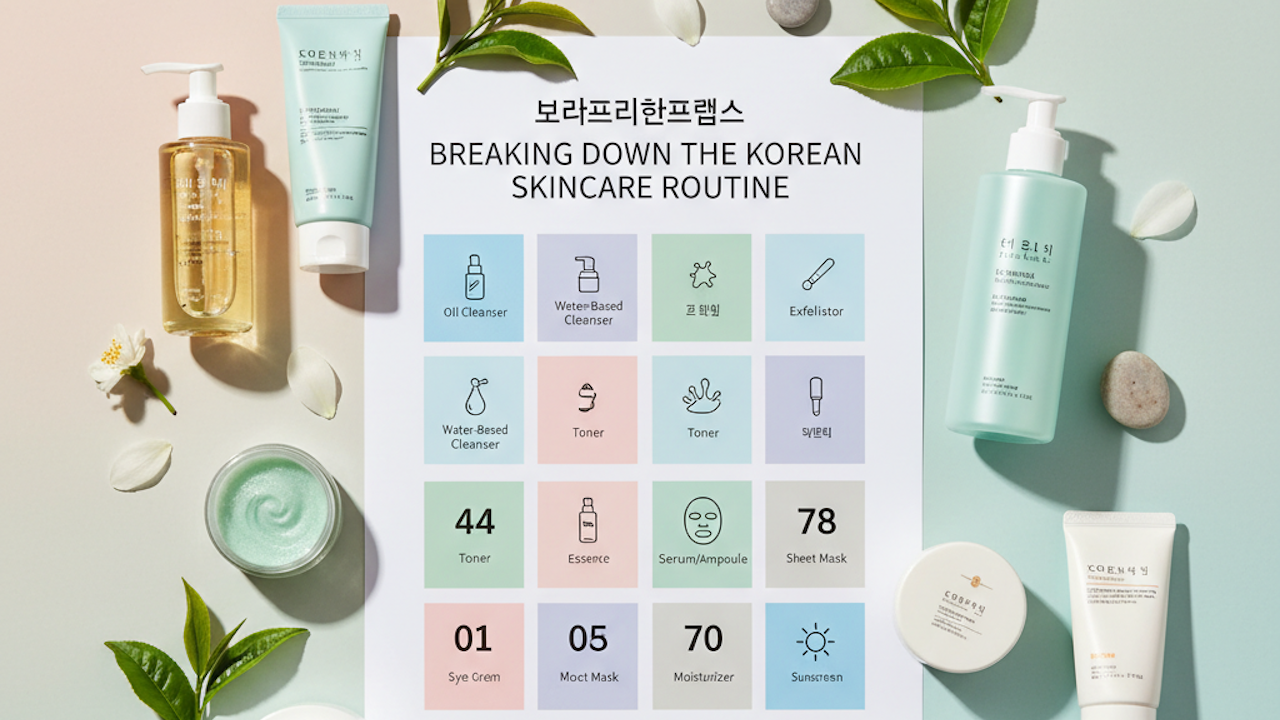
Korean skincare, often referred to as K-beauty, has captured global attention for its emphasis on achieving healthy, glowing skin through consistent, multi-step care. Known for the pursuit of “glass skin” – a translucent, dewy, and smooth complexion – this approach prioritizes hydration, gentle ingredients, prevention, and layering lightweight textures from thinnest to thickest. While the famous 10-step routine might seem elaborate, it is flexible and adaptable to individual needs, skin types, and lifestyles. Many people simplify it to five or six core steps while still reaping significant benefits.
This article provides a comprehensive breakdown of the traditional Korean skincare routine, its history and philosophy, each step in detail, key ingredients, benefits, potential adaptations for beginners, common mistakes, and practical tips for incorporating it into daily life.
The Origins and Philosophy of K-Beauty Skincare
Korean skincare traditions date back centuries, rooted in ancient practices from the Three Kingdoms era and evolving through the Joseon period, where pale, clear skin symbolized nobility and health. Natural ingredients like rice water, ginseng, and herbal extracts formed the foundation of early rituals. Modern K-beauty emerged in the late 20th and early 21st centuries as South Korea invested heavily in innovation, research, and beauty technology. The industry blended traditional hanbang (herbal medicine) wisdom with advanced formulations, fermentation techniques, and cutting-edge delivery systems.
The philosophy differs markedly from some Western approaches that focus on quick fixes or aggressive treatments. K-beauty emphasizes skin barrier health, long-term prevention, and hydration as the cornerstone of beautiful skin. Products are typically gentle, pH-balanced, and formulated with high concentrations of active yet soothing ingredients. The multi-step routine allows for targeted treatment of concerns like dryness, dullness, uneven tone, and fine lines while building resilience against environmental stressors. This preventive mindset has contributed to the global popularity of K-beauty, with exports growing significantly over the years.
The Classic 10-Step Korean Skincare Routine
The 10-step routine is often presented as a guideline rather than a strict mandate. Morning and evening routines vary, with sunscreen being essential during the day and richer treatments favored at night. Steps are performed in order of lightest to heaviest consistency to ensure optimal absorption.
Step 1: Oil-Based Cleanser (Double Cleansing – First Part) Double cleansing is a hallmark of Korean skincare. The first cleanse uses an oil-based cleanser or balm to dissolve makeup, sunscreen, sebum, and other oil-soluble impurities. Gentle massage with clean hands emulsifies the product when mixed with water, allowing it to rinse away without stripping the skin. Popular options include cleansing oils with rice bran, olive, or camellia oil. This step is crucial for preventing clogged pores and preparing the skin for subsequent products.
Step 2: Water-Based Cleanser (Double Cleansing – Second Part) Follow with a gentle, pH-balanced foaming or gel cleanser to remove any remaining water-soluble dirt, sweat, or residue from the oil cleanse. Look for formulas with mild surfactants that do not disrupt the skin barrier. This second cleanse ensures thorough purification while maintaining hydration. Many prefer low-pH cleansers (around 5.5) to avoid tightness or dryness.
Step 3: Exfoliation Exfoliation removes dead skin cells to promote smoother texture and better absorption of later products. In Korean routines, this is typically done two to three times per week, not daily, to avoid irritation. Options include chemical exfoliants with AHAs (like glycolic or lactic acid) or BHAs (salicylic acid) for gentle resurfacing, or mild physical scrubs. Enzyme-based exfoliators are also favored for their mildness. Over-exfoliation is a common pitfall, so listen to your skin.
Step 4: Toner Toners in K-beauty are hydrating rather than astringent. They balance the skin’s pH after cleansing, remove any lingering impurities, and prepare the skin for better absorption of subsequent layers. Apply by patting with hands or using a cotton pad. Hydrating toners often contain ingredients like hyaluronic acid, centella asiatica, or rice extracts to soothe and plump the skin.
Step 5: Essence Essences are lightweight, watery treatments unique to Korean skincare. They deliver intense hydration and active ingredients deep into the skin. Often described as more concentrated than toners but lighter than serums, essences help create that dewy base. Common examples include fermented essences or those with snail mucin, which support skin repair and moisture retention. Pat gently until absorbed.
Step 6: Serum or Ampoule This is the targeted treatment step. Serums and ampoules are highly concentrated formulas addressing specific concerns such as brightening (vitamin C, niacinamide, tranexamic acid), anti-aging (peptides, bakuchiol), acne (salicylic acid), or soothing (centella). Ampoules are even more potent, often used for short periods or as boosters. Apply a few drops and pat in. Layering multiple serums is possible if textures allow, starting with the thinnest.
Step 7: Sheet Mask Sheet masks provide a burst of hydration and nutrients in a convenient, single-use format. Used one to three times a week, often in the evening, they create an occlusive environment for better ingredient penetration. Leave on for 15 to 20 minutes, then pat in the remaining essence. Variants target different needs: hydrating, brightening, calming, or firming. This step is beloved for its relaxing, spa-like ritual.
Step 8: Eye Cream The delicate under-eye area requires specialized care. Eye creams are richer and formulated to address fine lines, puffiness, dark circles, and dryness. Apply gently with your ring finger using a tapping motion. Ingredients like peptides, caffeine, or centella are common. This step can sometimes be combined with the moisturizer phase.
Step 9: Moisturizer Lock in all previous layers with a moisturizer suited to your skin type. Creams, lotions, or gels provide a protective barrier and seal in hydration. Night creams are often richer with nourishing oils or ceramides. This step is vital for maintaining skin barrier integrity and preventing transepidermal water loss.
Step 10: Sunscreen (Morning Only) Broad-spectrum SPF 30 or higher is non-negotiable in Korean routines. Daytime sunscreen protects against UV damage, which is a primary cause of premature aging and hyperpigmentation. Lightweight, non-greasy formulas with added skincare benefits (like niacinamide or antioxidants) are popular. Reapply every two hours when outdoors. At night, replace this with a richer sleeping pack or overnight mask if desired.
Key Ingredients That Power K-Beauty
Korean formulations shine due to innovative and traditional ingredients:
- Centella Asiatica (Cica): Soothes irritation, strengthens the barrier, and promotes healing. Ideal for sensitive or acne-prone skin.
- Snail Mucin: Provides hydration, boosts collagen, and aids regeneration. Popular in essences and serums.
- Niacinamide: Brightens, minimizes pores, regulates oil, and strengthens the barrier.
- Rice Water/Extracts: Hydrates, brightens, and soothes. A traditional staple.
- Mugwort: Calms inflammation and has antibacterial properties.
- Hyaluronic Acid: Draws and holds moisture for plump skin.
- Green Tea and Ginseng: Antioxidant-rich for protection and vitality.
Fermentation technology enhances ingredient bioavailability, making products more effective.
Benefits of the Korean Skincare Approach
Consistent practice often leads to improved hydration, smoother texture, brighter tone, fewer breakouts, and a stronger skin barrier. The focus on layering hydration helps combat environmental damage and supports long-term skin health. Many users report a natural glow without heavy makeup. The ritualistic nature also encourages mindfulness and self-care.
Adapting the Routine for Beginners and Different Skin Types
Not everyone needs all 10 steps daily. Beginners should start with cleansing, toning, essence/serum, moisturizing, and sunscreen, then gradually add others. Customize based on skin type: oily skin benefits from lightweight gels and mattifying ingredients; dry skin thrives with richer creams and oils; sensitive skin prioritizes soothing agents like centella. Consider lifestyle, climate, and specific concerns. Patch testing new products is essential.
Common Mistakes to Avoid
- Skipping sunscreen or double cleansing.
- Using too many actives at once, leading to irritation.
- Applying products in the wrong order or too much product.
- Ignoring skin type or seasonal changes.
- Over-exfoliating or neglecting consistency.
Start slowly, observe how your skin responds, and adjust accordingly. Consulting a dermatologist for persistent issues is advisable.
Practical Tips for Success
- Pat, do not rub, to minimize irritation.
- Allow 30 to 60 seconds between layers for absorption.
- Store products properly and check expiration dates.
- Incorporate facial massage during application to boost circulation.
- Stay consistent; results often appear after weeks of regular use.
- Pair with a healthy diet, adequate sleep, and hydration for optimal outcomes.
The Korean skincare routine represents more than just products – it is a holistic commitment to skin health through gentle, thoughtful care. Whether you adopt the full 10 steps or a streamlined version, the principles of hydration, protection, and personalization can transform your complexion over time. Embrace the process, experiment mindfully, and enjoy the journey toward healthier, more radiant skin.