

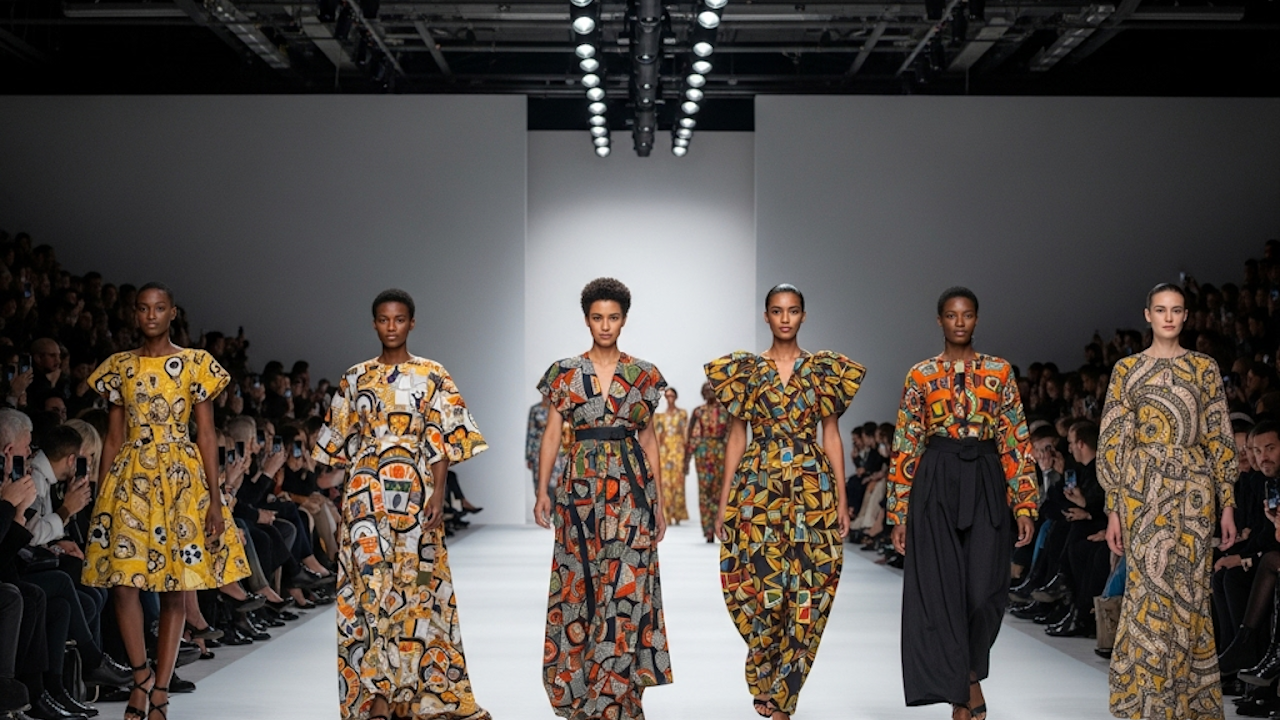
In the spring of 2026, as models glided down the runways of London and Milan Fashion Weeks, something profound shifted in the global fashion narrative. No longer confined to the margins or presented as exotic novelties, Afrocentric designs commanded center stage with unapologetic authority. Collections drew from ancestral archives, migrant histories, and pre-colonial craftsmanship while embracing contemporary silhouettes and sustainable innovation. This was not mere inclusion; it marked the ascent of African and diasporic voices as architects of the future of fashion. Afrocentric fashion, rooted in the vibrant textiles, patterns, and philosophies of the African continent and its diaspora, has transitioned from cultural expression to a dominant force on international catwalks. Its rise reflects broader movements toward representation, economic empowerment, and a reevaluation of what constitutes luxury in an increasingly interconnected world.
To understand this phenomenon, one must trace its foundations to the rich tapestry of African sartorial traditions. Long before European fashion houses dominated the scene, African societies cultivated sophisticated systems of dress that communicated status, identity, and cosmology. In West Africa, the woven kente cloth of the Ashanti and Ewe peoples symbolized royalty and wisdom, while mudcloth from Mali’s Bamana people told stories through geometric symbols hand-painted with fermented mud. Nigeria’s adire, a resist-dyed indigo fabric, and the vibrant wax prints known as Ankara, originally introduced via Dutch trade but ingeniously adapted and claimed by African markets, became emblems of resilience and creativity. These materials were never static; they evolved through trade routes across the Sahara and Indian Ocean, blending with Islamic, European, and indigenous influences. The mid-20th century independence movements amplified their power. Leaders like Ghana’s Kwame Nkrumah donned kente to assert Pan-African pride, inspiring a generation of designers who fused tradition with modernity. By the 1970s and 1980s, diaspora communities in the United States and Europe, fueled by the Black Power and civil rights eras, adopted Afrocentric aesthetics as acts of resistance and celebration. Yet mainstream global runways largely overlooked these contributions, often reducing them to seasonal trends or appropriative motifs in collections by Western brands.
The turning point arrived in the early 21st century, propelled by a new wave of visionary African designers who refused to wait for invitations to the world’s most prestigious platforms. Thebe Magugu, a South African talent, emerged as a pioneer when he became the first African designer to win the LVMH Prize in 2019. His work, characterized by meticulous tailoring infused with South African cultural references, has graced red carpets on stars like Lupita Nyong’o. Magugu’s collections explore themes of identity and discard, blending archival research with forward-thinking design. Similarly, Cameroonian-born Imane Ayissi has secured a permanent spot on the official Paris haute couture schedule, presenting elegant gowns that marry Parisian refinement with African textiles and beadwork. His runway presentations celebrate the continent’s diversity, using vibrant colors and sculptural forms to challenge Eurocentric ideals of beauty. In Nigeria, Lisa Folawiyo has built an international following by reimagining Ankara prints in contemporary silhouettes, while Kenneth Ize has gained acclaim for his handwoven fabrics sourced from local artisans, showcased at major fashion weeks and worn by global influencers.
These designers paved the way for a broader cohort that has redefined runways in recent seasons. At London Fashion Week’s Autumn/Winter 2026 presentations, Tolu Coker captivated audiences with her collection titled “Survivor’s Remorse,” which delved into migrant memories and social mobility through cinched waists and sharp pleating that evoked both childhood school uniforms and professional authority. Foday Dumbuya of Labrum London transformed textiles into living archives of migration, incorporating Japanese indigo denim etched with passport stamps alongside wool outerwear embroidered with Sierra Leonean scenes. In Milan, designers like Tokyo James embraced chaotic deconstruction with architectural leather forms, while Bubu Ogisi of I Am Isigo reclaimed pre-colonial techniques such as chainmail forging to treat the body as a canvas for spiritual technology. These shows signaled a decisive break from past eras of tokenistic representation. As one observer noted during the 2026 season, African designers were no longer “discovered” by the industry; they asserted narrative sovereignty, drawing on historical documents and technical mastery to infuse high fashion with soul amid a digital age often criticized for lacking depth.
Afrocentric fashion’s elements are as distinctive as they are adaptable. Bold geometric patterns, earthy tones juxtaposed with electric hues, and voluminous silhouettes dominate the aesthetic. Fabrics like raffia, sourced sustainably from regions across the continent, appear in fringed coats and structured jackets, as seen in collaborations that have reached international audiences. Designers prioritize craftsmanship that honors communal labor traditions, often employing artisans in textile clusters to create pieces that resist fast fashion’s disposability. Sustainability emerges as a core principle, with natural fibers and upcycled materials aligning perfectly with global demands for ethical production. In 2026, trends toward “quiet luxury” reinterpreted African prints in muted palettes of cream, sage, and chocolate, proving that heritage need not shout to command attention. Voluminous sleeves and layered ensembles further blend tradition with modernity, offering wearers versatility from runway glamour to everyday elegance.
The momentum owes much to socio-political shifts and high-profile endorsements. The Black Lives Matter movement of the 2020s heightened calls for diversity in fashion, prompting major weeks in Paris, Milan, New York, and London to amplify underrepresented voices. Celebrities have played a pivotal role in mainstreaming these designs. Beyoncé has championed brands like Loza Maléombho and Tongoro, while Naomi Campbell has walked in shows featuring Deola Sagoe and supported Senegalese labels. Alicia Keys and others have integrated Afrocentric pieces into their wardrobes, creating viral moments that translate cultural pride into commercial success. Platforms such as Lagos Fashion Week, which celebrated its 15th anniversary in 2025, have served as launchpads, showcasing talents like Orange Culture and fostering street style that mixes Ankara with global trends. Initiatives like Africa Fashion Up in Paris, which in 2025 selected finalists from over 300 applicants including Nigerian and Cameroonian labels, provide mentorship and visibility. The result is a feedback loop: greater representation inspires young designers across the continent, where over 30 fashion weeks now operate annually, nurturing ecosystems in Nigeria, South Africa, Kenya, and beyond.
Economically, the rise carries profound implications. Africa’s fashion industry, valued at around 31 billion dollars and driven by a youthful population, is poised for exponential growth. Projections from reports indicate demand for African haute couture could surge by 42 percent by 2033, fueled by e-commerce and a global appetite for authentic storytelling. Brands have secured placements in major retailers and red-carpet events, from Met Gala appearances to Golden Globes. Yet this ascent is not without hurdles. Designers face chronic underfunding, inadequate infrastructure, and high import duties on materials despite the continent’s cotton production in dozens of countries. Intra-African trade barriers and competition from cheap imports complicate scaling. Cultural appropriation remains a sensitive issue, as Western brands sometimes borrow motifs without crediting origins or compensating communities. Nevertheless, opportunities abound through policy reforms, such as textile clusters and reduced tariffs for locally produced goods, alongside digital tools that connect artisans directly to global markets.
Looking ahead, the trajectory of Afrocentric fashion on global runways appears unstoppable. The 2026 collections highlighted a maturation: from bold prints to refined fusions of heritage and futurism, including 3D-printed elements and virtual presentations that expand accessibility. Designers are exploring gender fluidity, as in reimagined agbada tunics, and environmental consciousness through organic dyes and zero-waste techniques. As institutions like the Fédération de la Haute Couture et de la Mode express optimism for independent African houses to stand alongside European giants, the narrative evolves from periphery to powerhouse. This is more than a trend; it represents a reclamation of agency in an industry long shaped by colonial legacies.
In conclusion, the rise of Afrocentric fashion on global runways embodies a cultural renaissance that enriches the entire fashion ecosystem. It challenges outdated hierarchies, celebrates diversity as strength, and offers a blueprint for sustainable, story-driven creativity. From the bustling ateliers of Lagos to the storied halls of Paris, African designers are not just participating; they are leading. As the world increasingly seeks connection in a fragmented era, these designs weave threads of history, innovation, and pride into garments that transcend borders. The runways have spoken, and their message is clear: the future of fashion is vibrantly, unapologetically Afrocentric.