

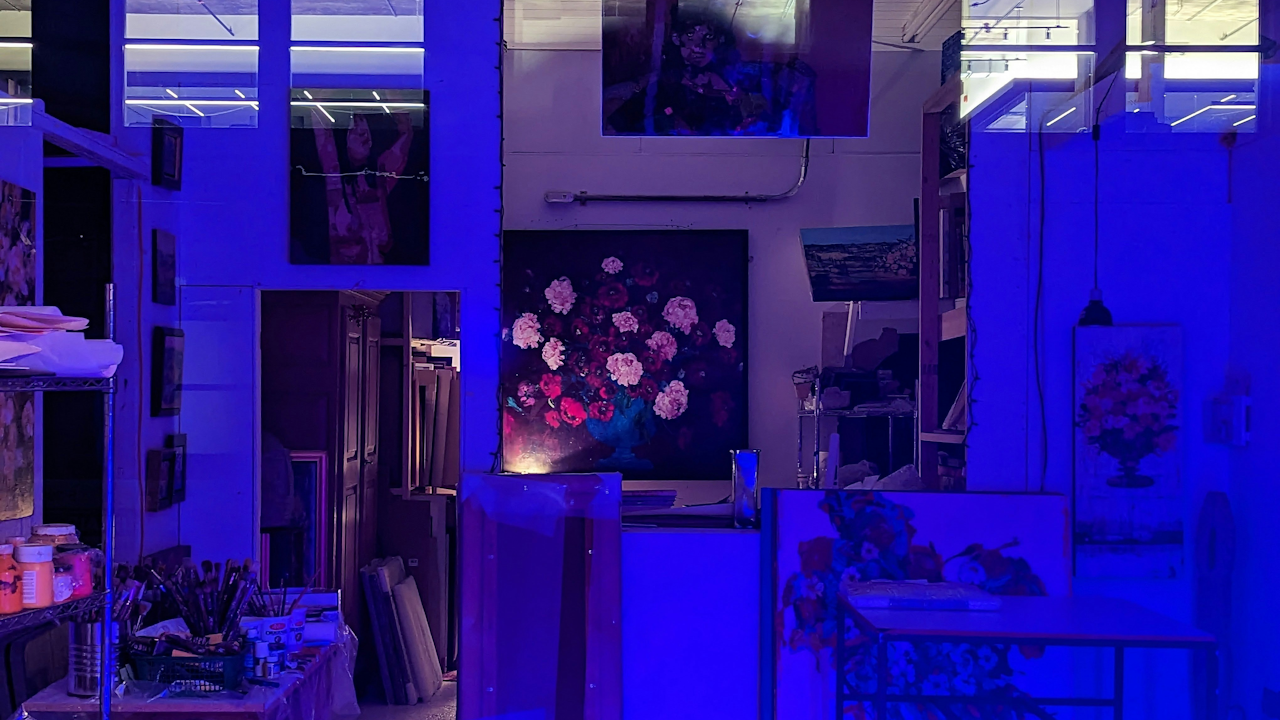
Color has always served as one of the most powerful tools in an artist’s arsenal. Beyond mere decoration, color choices in paintings shape emotional responses, direct attention, and communicate deeper meanings that often transcend language. The psychology behind these selections draws from both universal human responses to hues and culturally conditioned interpretations. This article explores how renowned artists have harnessed color to evoke specific feelings, tell stories, and influence viewers on a subconscious level.
Understanding color psychology begins with basic principles established through scientific study. Research in fields such as environmental psychology and neuroscience shows that colors affect heart rate, blood pressure, and mood. Warm colors like red, orange, and yellow tend to energize and stimulate, while cool tones such as blue, green, and purple often calm or introspect. These reactions stem from evolutionary associations. Red recalls blood and fire, signaling alertness or danger. Blue connects to clear skies and water, suggesting tranquility. Artists intuitively or deliberately tap into these associations to heighten the impact of their work.
Historical periods reveal distinct approaches to color rooted in available pigments, cultural values, and artistic goals. In ancient times, pigments were limited and expensive, making their use symbolic. By the Renaissance, advancements in oil painting allowed greater subtlety and blending. The 19th and 20th centuries brought synthetic pigments and bolder experimentation, aligning with movements that prioritized emotion and abstraction. Throughout these eras, masters selected palettes not only for realism but to manipulate viewer psychology.
Renaissance and Baroque Masters
Leonardo da Vinci’s “Mona Lisa” employs a restrained, earthy palette dominated by soft browns, muted greens, and subtle blues. The background landscape fades into hazy tones through sfumato, a technique of gradual blending. This creates a sense of mystery and psychological depth. The cool, subdued colors encourage prolonged contemplation, mirroring the enigmatic expression of the subject. Viewers report feelings of calm intrigue rather than immediate excitement. Da Vinci understood that desaturated hues invite personal projection, allowing the audience to infuse their own emotions into the ambiguous smile.
In contrast, Michelangelo’s work in the Sistine Chapel ceiling features vibrant reds, golds, and deep blues. The “Creation of Adam” uses a bright, skin-toned palette for the figures against a expansive blue sky. Red accents in drapery and the touch between divine and human hands generate a sense of dynamic energy and spiritual connection. Warm colors here evoke vitality and divine power, psychologically reinforcing themes of creation and humanity’s central role. Baroque artists like Caravaggio amplified this drama through chiaroscuro, extreme light-dark contrasts often paired with rich crimson and ochre. In “The Calling of Saint Matthew,” deep shadows punctuated by golden light and warm flesh tones create tension and revelation. The psychological effect pulls viewers into the scene, evoking awe mixed with unease as darkness represents moral uncertainty.
Peter Paul Rubens favored lush, saturated colors in his mythological and allegorical works. Vibrant pinks, golds, and blues in pieces like “The Rape of the Daughters of Leucippus” convey movement, sensuality, and abundance. These warm dominant hues stimulate excitement and admiration for the physical form, aligning with Baroque emphasis on emotion over restraint. Rubens’ choices reflect an understanding that bold color saturation heightens sensory engagement, making viewers feel the vitality of the depicted moment.
Impressionism and Post-Impressionism
The Impressionists revolutionized color by painting outdoors and prioritizing light’s fleeting effects. Claude Monet’s “Impression, Sunrise” uses pale blues, oranges, and grays to capture harbor mist at dawn. The muted yet contrasting warm-cool interplay creates a sense of tranquility and transience. Psychologically, these soft tones induce relaxation while the broken brushwork encourages active visual participation. Viewers feel immersed in atmosphere rather than detached observers.
Vincent van Gogh pushed color psychology further into emotional territory. “The Starry Night” swirls with intense blues, yellows, and blacks. Deep cobalt blues dominate the sky, evoking vastness and melancholy, while bright yellow stars and moon inject hope and energy. Van Gogh associated yellow with sunlight, friendship, and spiritual awakening, using it to counterbalance the isolating blues. Art historians note that such vibrant contrasts mirror his inner turmoil and longing for connection. The painting’s color scheme creates a dynamic tension that viewers describe as both soothing and restless, perfectly capturing psychological complexity.
In “Sunflowers,” Van Gogh employed brilliant yellows against teal backgrounds. Yellow here symbolizes gratitude and life force. The repeated use of this hue in series produced for his friend Paul Gauguin reveals an intentional psychological strategy to convey warmth and optimism during personal struggles. Post-Impressionists like Paul Cezanne used structured color planes in works such as “Mont Sainte-Victoire.” Earthy greens, blues, and ochres build form through color relationships rather than outlines. This approach engages the viewer’s perceptual psychology, forcing the eye to construct depth and stability from color modulation.
Expressionism and Emotional Intensity
Edvard Munch’s “The Scream” employs fiery oranges, reds, and swirling blues to externalize anxiety. The blood-red sky and sickly green head contrast sharply with dark blues and blacks in the landscape. Red and orange trigger alarm responses, while the distorted blue figure suggests isolation within chaos. Munch deliberately chose these colors to represent a universal “scream” of existential dread. Psychological studies confirm that such high-contrast, warm-dominant palettes elevate arousal and discomfort, mirroring the painting’s theme.
Wassily Kandinsky, a pioneer of abstract art, developed theories linking colors directly to emotions and spirituality. In “Composition VII,” explosive yellows, reds, and blues create visual cacophony. Kandinsky believed yellow was aggressive and advancing, blue receding and calming, with red embodying vitality. His choices aimed to evoke synesthetic responses where color produces musical or emotional sensations. Viewers often report heightened energy or spiritual elevation when engaging with these works, validating his psychological framework.
Pablo Picasso’s “Guernica” stands as a stark exception to vibrant color use. Executed almost entirely in blacks, whites, and grays, the monochrome palette amplifies horror and universality. During the Spanish Civil War bombing depicted, Picasso avoided color to focus on raw form and emotion. Grayscale psychologically suggests newsreel footage or memory, creating detachment that paradoxically intensifies the anti-war message. The absence of color forces attention onto distorted figures and symbolic elements like the weeping mother or broken sword, evoking grief without distraction.
Modern and Contemporary Approaches
Mark Rothko’s color field paintings demonstrate profound psychological manipulation through large blocks of hue. In works like “Orange and Yellow,” soft-edged rectangles of warm color envelop the viewer. Rothko sought to induce transcendent emotional states. Research on his pieces shows they can lower blood pressure in some observers while causing unease in others, depending on personal associations. The scale and purity of color bypass intellectual analysis, striking directly at subconscious responses.
Jackson Pollock’s drip paintings, though seemingly chaotic, use color strategically. In “Number 1A, 1948,” blacks, whites, silvers, and touches of red and yellow create rhythmic energy. The limited yet contrasting palette generates movement and depth. Psychologically, the all-over composition and color accents encourage scanning and discovery, mirroring abstract expressionist goals of conveying the artist’s unconscious mind.
Contemporary artists continue this tradition with greater awareness of color theory. Banksy’s street art often employs stark reds against monochrome backgrounds for urgency, as in works highlighting social issues. The red pops psychologically, demanding attention like a warning signal.
Cultural and Individual Variations
Color perception is not entirely universal. Cultural context shapes responses. In Western traditions, white signifies purity while in some Eastern cultures it represents mourning. Red denotes luck in China but danger in many Western contexts. Artists like Frida Kahlo incorporated vibrant Mexican folk colors, using intense pinks, greens, and golds in self-portraits to express pain, resilience, and cultural identity. Her “The Two Fridas” contrasts white European dress with colorful traditional attire, using color to explore dual heritage and emotional states.
Individual psychology also influences reception. Personal experiences, memories, and even disorders like color blindness alter interpretations. Synesthetes may experience colors as sounds or tastes, deepening engagement with certain palettes. Artists such as Georgia O’Keeffe used sensual pinks, reds, and soft greens in magnified flower paintings to evoke intimacy and femininity. These choices tap into associations with nature and the body, creating psychological resonance that varies by viewer gender and background.
Scientific Insights and Artist Intent
Modern neuroscience supports these artistic choices. Functional MRI studies reveal that viewing certain colors activates specific brain regions. Warm colors light up areas linked to arousal, while cool tones engage calming pathways. Artists like Henri Matisse understood this intuitively. In “The Dance,” saturated reds and blues against green create joyful rhythm. The primary colors generate immediate, childlike pleasure responses.
Color temperature also plays a role. Advancing warm colors appear closer, while receding cool colors suggest distance. This principle guides composition and emotional pacing. In Johannes Vermeer’s “Girl with a Pearl Earring,” the cool blue-yellow turban against warm skin tones creates focal tension and intimacy.
Conclusion
The psychology of color in famous paintings reveals art’s capacity to shape human experience at its most fundamental level. From da Vinci’s subtle gradations to Van Gogh’s emotional explosions and Picasso’s somber restraint, masters have selected hues to mirror inner worlds and provoke reactions. These choices transcend aesthetics, tapping into evolutionary wiring, cultural conditioning, and personal memory.
As viewers, recognizing these mechanisms deepens appreciation. A painting’s power often lies not just in subject matter but in the silent language of color that speaks directly to emotion. In an increasingly digital age dominated by bright screens, the thoughtful color strategies of historical masters remind us of art’s enduring ability to move, disturb, and heal the human psyche. Future artists will undoubtedly build upon this rich legacy, continuing to explore how pigment and perception intertwine to create meaning.