

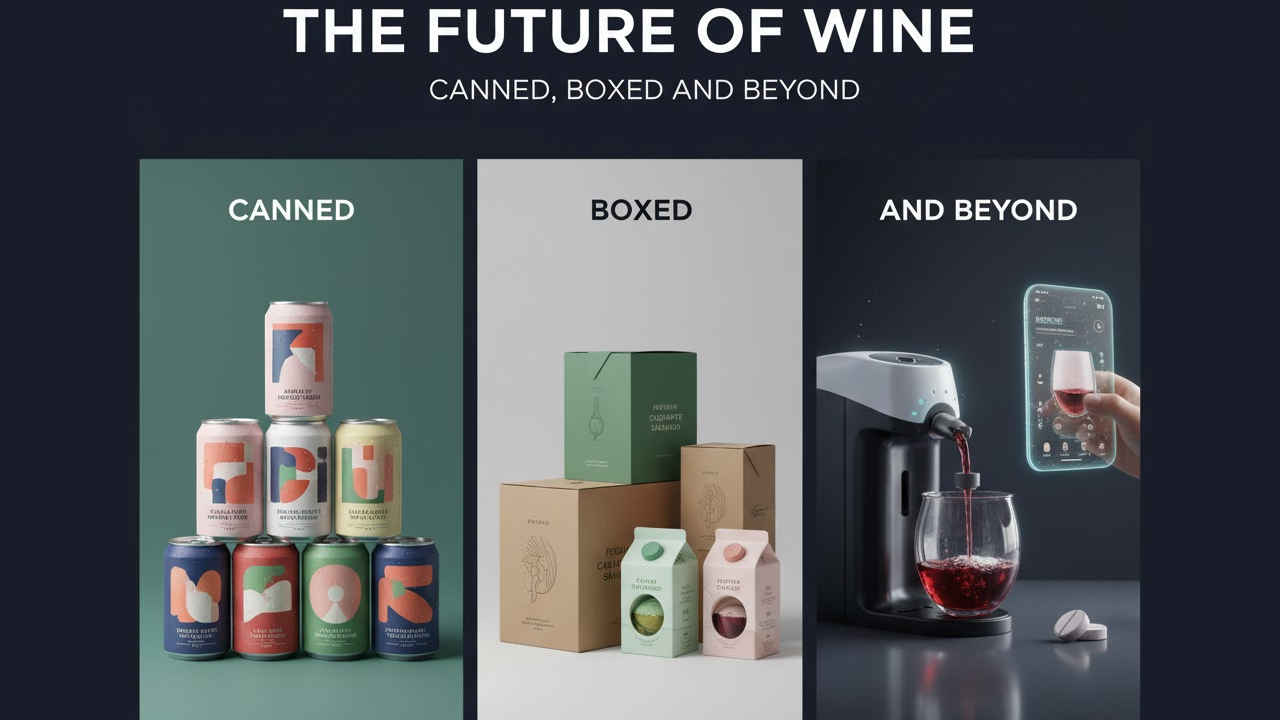
Wine has long been synonymous with tradition. The heavy glass bottle, the satisfying pop of a cork, and the promise of complex flavors developing over years have shaped its identity for centuries. Yet the wine world is changing rapidly. Consumer habits, environmental pressures, demographic shifts, and economic realities are pushing the industry toward formats that prioritize convenience, sustainability, and accessibility without sacrificing the pleasure of a good glass of wine. Canned wine and boxed wine have moved from niche experiments to serious growth categories. Beyond these, a wave of innovative packaging promises to further redefine how, when, and where people enjoy wine.
This evolution does not signal the end of the glass bottle. It expands the occasions and audiences for wine while addressing real limitations of traditional packaging. Most wine is consumed young, within months or a couple of years of bottling, rather than after decades of aging. For the vast majority of bottles opened on a Tuesday night or brought to a picnic, alternative formats offer compelling advantages in portability, freshness after opening, reduced waste, and lower environmental impact. The future of wine lies in thoughtful diversity of formats that meet people where they are.
The Weight of Tradition: Why Glass Faces Pressure
Glass bottles remain the gold standard for prestige, aging potential, and perceived quality. They are inert, protecting wine from oxygen and light when paired with quality closures, and they carry an unmistakable sense of occasion. However, they come with significant drawbacks in a modern context.
A standard 750ml glass wine bottle weighs roughly 500 grams empty. When filled and shipped, this adds substantial cost and carbon emissions, especially for wines traveling long distances. Breakage risk makes glass impractical for many outdoor settings, travel, festivals, beaches, poolsides, and casual gatherings where glass is often banned for safety reasons. Once opened, most bottles last only a few days before oxidation affects flavor, leading to waste for solo drinkers or small households. Production and transportation of glass also contribute heavily to the wine industry’s overall carbon footprint.
These issues have become more acute amid rising consumer awareness of sustainability and shifting priorities among younger drinkers. Millennials now represent a larger share of wine consumers than Baby Boomers in some markets, while Gen Z shows growing interest despite entering legal drinking age more slowly. These groups often favor lighter, more casual experiences, value environmental claims, and seek formats that fit active lifestyles rather than formal rituals. At the same time, overall wine volumes in some mature markets have faced pressure, with premiumization helping value but leaving room for formats that deliver better per-glass economics and reduced waste.
Canned Wine: Portability Meets Modern Life
Canned wine has emerged as one of the most dynamic segments in the industry. What began as a curiosity has become a legitimate growth driver, particularly in North America. Reports show the global canned wine market expanding at double-digit CAGRs, with projections indicating it could reach well over $20 billion by the early 2030s in some forecasts, fueled by strong demand for convenient, single-serve options.
The appeal is straightforward. Aluminum cans are lightweight, unbreakable, quick to chill, and highly recyclable. They require no special tools to open and travel easily in coolers, backpacks, or carry-ons. A standard 250ml or 375ml can delivers a perfect single serving or two, ideal for picnics, concerts, hikes, boat trips, or simply enjoying a glass without committing to a full bottle. Sparkling wines, rosés, and spritz-style wines perform especially well in cans because they suit immediate consumption and benefit from the format’s ability to maintain freshness.
Quality has improved dramatically. Early canned wines sometimes suffered from metallic notes or perceptions of being lower tier, but better liners, winemaking adjustments for the format, and premium producers entering the space have changed that. Today, respected wineries offer everything from crisp Oregon Pinot Gris and California Cabernet to fun, fruit-forward options and high-quality sparkling wines in cans. Non-alcoholic canned wine is among the fastest-growing sub-segments, aligning with broader wellness trends and moderation movements.
Consumer research consistently shows younger drinkers are more open to canned formats. They view them as practical rather than pretentious, and the vibrant, colorful can designs often feel more approachable and Instagrammable than traditional labels. For events and on-premise settings where glass is restricted, cans open entirely new occasions for wine. Retail multi-packs make them convenient for stocking up without the weight or risk of bottles.
Challenges remain. Some traditionalists still associate cans with lower quality, and the format is generally not suited for wines intended for long-term cellaring. Shelf life in cans is typically strong for one to two years when stored properly, but perception lags behind reality in certain demographics. Nevertheless, as more high-quality examples succeed and sustainability messaging highlights aluminum’s recyclability and lower transport emissions compared with glass, acceptance continues to broaden. Canned wine is not replacing bottles; it is claiming space for casual, active, and spontaneous consumption that glass struggles to serve.
Boxed Wine: Sustainability and Value Redefined
Boxed wine, or bag-in-box, has undergone one of the most significant image transformations in the industry. Once synonymous with cheap, low-quality jug wine, premium and mid-tier boxed formats are now gaining meaningful traction and helping stabilize parts of the off-premise market. The global bag-in-box wine market has shown steady growth, with projections pointing to continued expansion driven by convenience and environmental benefits.
The technical advantages are substantial. A typical 3-liter box contains the equivalent of four standard bottles yet weighs far less and takes up less space. The inner bladder collapses as wine is dispensed, preventing oxygen from entering and keeping the remaining wine fresh for four to six weeks or longer after opening, compared with just a few days for a recorked bottle. This dramatically reduces waste for households that do not finish a bottle quickly. Per-glass cost is significantly lower, delivering strong value without sacrificing quality in well-made examples.
Sustainability stands out as a major strength. Studies and lifecycle analyses frequently rank bag-in-box among the lowest-carbon single-use wine packaging options, with carbon footprints per liter dramatically lower than glass, sometimes by a factor of five or more when accounting for production, transport, and end-of-life. The cardboard outer box is widely recyclable, and the format’s efficiency in shipping and storage further reduces emissions. For environmentally conscious consumers, this is a tangible benefit that resonates when communicated clearly.
Premiumization has been key to changing perceptions. Producers are putting high-quality, sometimes organic or single-vineyard wines into boxes, including varietals that appeal to discerning drinkers. Italian producers and others have successfully positioned premium boxed wines as practical elegance rather than compromise. Retail data shows strength in the higher price tiers of boxed wine, proving that consumers will pay for quality when the format delivers clear functional benefits like extended freshness and value.
Boxed wine excels for home consumption, parties, and regular drinking where a full bottle might go to waste. It also suits restaurants and catering looking to reduce costs and spoilage. Challenges include lingering stigma in some circles, bulkier storage compared with slim bottles, and less suitability for gifting or formal presentation. Marketing and education are helping overcome these hurdles, with brands emphasizing the quality inside and the practical, planet-friendly advantages.
Beyond Cans and Boxes: The Expanding Frontier of Formats
The innovation does not stop at cans and traditional boxes. A broader ecosystem of alternative packaging is gaining ground, each suited to specific needs and further advancing sustainability and convenience goals.
Lightweight PET (polyethylene terephthalate) bottles, including recycled rPET versions, offer a direct 750ml alternative to glass. They are significantly lighter, unbreakable, and lower in transport emissions while protecting wine from light. Some designs are stackable or flat for even greater shipping efficiency. Paper-based bottles and Tetra Pak-style cartons provide another low-carbon option, with manufacturing footprints substantially smaller than glass and good recyclability profiles in many regions. These formats work well for fresh, young wines meant for near-term drinking.
Flexible pouches represent an ultra-portable extreme. Lightweight and nearly unbreakable, they suit on-the-go consumption and have found success in markets like Australia with formats such as magnum-sized pouches. Kegs and draft systems, including reusable or lightweight options, serve on-premise and large-format needs, keeping wine fresh for months by minimizing oxygen exposure and reducing single-use packaging waste.
Refillable and closed-loop systems are emerging as higher-ambition solutions. Some involve durable bottles that consumers return for refilling, or pouch-based refill models that pair with premium reusable containers. These approaches aim for near-zero waste over multiple cycles and appeal to consumers seeking circular economy options.
Other experiments include aluminum bottles that mimic traditional shapes, plant-based compostable containers, and hybrid designs. Smart packaging elements, such as QR codes linking to detailed provenance, tasting notes, or sustainability data, add value across formats by enhancing transparency and consumer engagement.
These options share common themes: reduced weight and emissions, better protection against waste, and designs optimized for real-world use rather than ceremony alone. They perform best for wines consumed soon after purchase, which describes the overwhelming majority of wine sold today. For the small percentage of wines built for decades of aging, glass will likely remain dominant.
Consumer Shifts, Sustainability, and Industry Adaptation
Underlying all these developments are deeper changes in who drinks wine and why. Health-conscious moderation, including low- and no-alcohol options (many of which thrive in cans and boxes), continues to grow. Sustainability is no longer a niche concern; when carbon footprint information is provided, consumer preference for alternative packaging rises noticeably. Convenience for busy, mobile lifestyles favors single-serve and portable formats.
Wineries and retailers are responding by diversifying portfolios. Many now offer the same or similar wines across multiple formats to capture different occasions and price points. Fresh, aromatic styles (whites, rosés, light reds, sparklers) tend to translate especially well to alternatives, while powerful, structured reds may stay more bottle-focused for now. Direct-to-consumer and e-commerce channels favor lighter, more shippable formats. Retailers are allocating more shelf space and running education campaigns to normalize these options.
Challenges to widespread adoption include cultural inertia, the need for continued quality improvements and transparent communication, and infrastructure issues such as recycling streams for multi-material formats. Older consumers and traditional trade channels may remain slower to embrace change. However, as successful examples multiply and environmental regulations tighten, the momentum favors formats that deliver measurable benefits.
Looking Ahead: A More Inclusive and Responsible Wine World
By the early 2030s and beyond, expect alternative packaging to represent a much larger share of everyday wine consumption. Canned wine will likely solidify its place for casual and on-the-go occasions, with more premium and non-alcoholic entries. Boxed wine will continue its premium ascent, becoming a default choice for value-conscious, low-waste households. Emerging formats like advanced PET, paper-based solutions, and refillable systems will carve out niches based on specific use cases and regional infrastructure.
Glass bottles will endure and even thrive for ultra-premium, collectible, and long-aging wines where tradition and ceremony add genuine value. The most successful producers will offer thoughtful multi-format strategies rather than forcing one size to fit all. The overall wine category may stabilize or grow in value terms through better matching of product to occasion, reduced waste, and broader accessibility, even as per-capita volume in some markets faces headwinds.
Ultimately, the future of wine is not about abandoning heritage but about expanding it. Canned, boxed, and innovative formats make wine more practical, more sustainable, and more welcoming to new generations of drinkers. They reduce environmental impact while preserving the fundamental joy of sharing a well-made wine with friends, family, or simply oneself at the end of a long day. As consumers increasingly vote with their wallets for formats that align with their values and lifestyles, the industry that adapts thoughtfully will thrive. Wine’s story is still being written, and the next chapters promise greater diversity, responsibility, and relevance than ever before.