

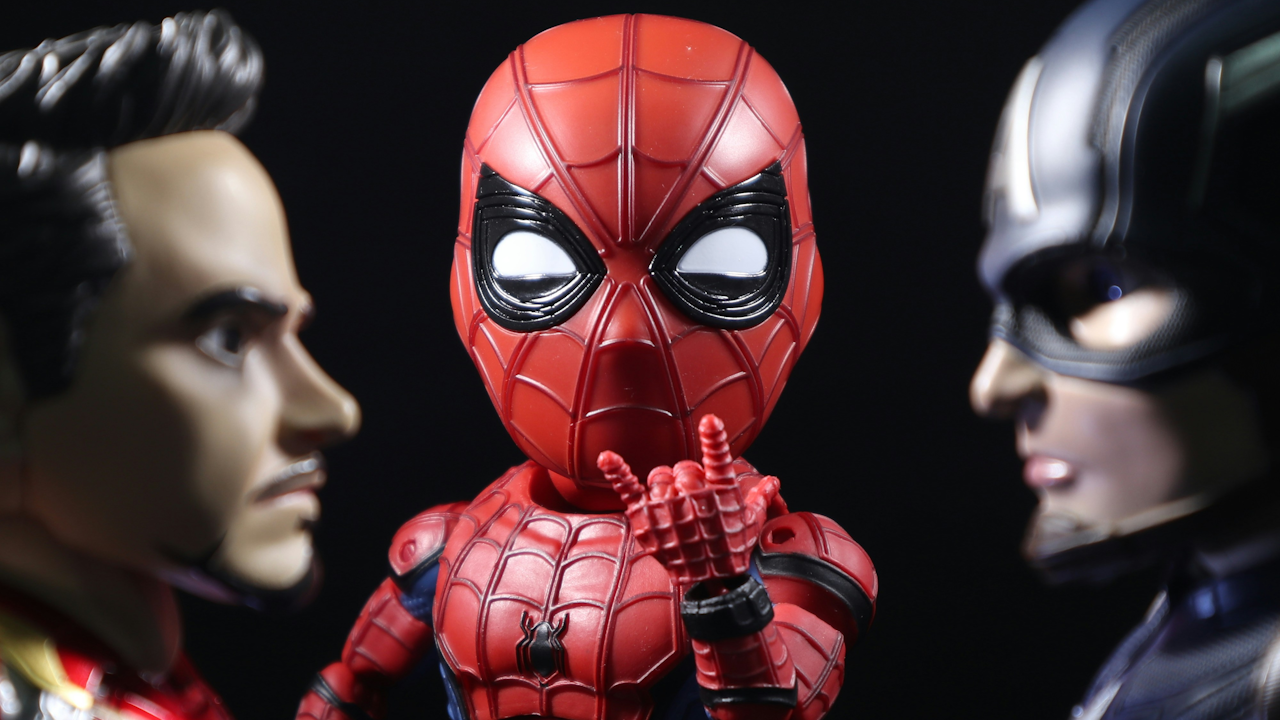
Superhero fatigue has become one of the defining phrases in contemporary entertainment discourse. Once a niche complaint among comic book enthusiasts, it now describes a widespread audience weariness toward the endless stream of caped crusaders dominating screens both big and small. By 2026, the phenomenon has evolved from occasional grumbling to a measurable industry challenge, evident in softening box office returns and shifting viewer preferences. Yet its roots stretch back decades, intertwined with the rise, peak, and eventual overextension of the genre. Understanding this evolution requires tracing how superheroes transitioned from escapist pulp to cultural juggernaut, only to confront the consequences of their own success.
The superhero genre began not in film but in the pages of comic books during the Great Depression. Superman debuted in Action Comics number 1 in 1938, created by Jerry Siegel and Joe Shuster as a symbol of hope amid economic despair. Batman followed in 1939, offering a darker vigilante counterpoint. These characters embodied American ideals of justice and resilience, resonating through World War II and into the postwar era. The Golden Age of comics gave way to the Silver Age in the 1950s and 1960s, introducing more nuanced heroes like Spider-Man and the X-Men, who grappled with personal flaws and social issues such as prejudice and identity. Television offered early adaptations, including the campy Batman series of the 1960s starring Adam West, but live-action films remained rare until the late 1970s.
The cinematic breakthrough arrived with Richard Donner’s Superman in 1978, starring Christopher Reeve. Marketed with the tagline “You will believe a man can fly,” the film blended earnest heroism with practical effects and earned critical acclaim alongside strong ticket sales. It spawned sequels and established a template for earnest, larger-than-life storytelling. Tim Burton’s Batman in 1989 then injected gothic darkness and commercial blockbuster energy, grossing over 400 million dollars worldwide and proving superheroes could anchor major studio events. The 1990s saw further experimentation, including Joel Schumacher’s lighter Batman installments and the poorly received Superman Returns in 2006, but the genre remained sporadic rather than dominant.
The true modern renaissance ignited in the early 2000s. Bryan Singer’s X-Men in 2000 grounded mutants in real-world allegory, treating prejudice and outsider status with seriousness while delivering spectacular action. Sam Raimi’s Spider-Man in 2002 amplified this approach with relatable teenage angst and web-slinging spectacle, becoming a massive hit that demonstrated broad appeal beyond core comic fans. These films proved superheroes could sustain franchises while appealing to mainstream audiences. Marvel, facing financial troubles, licensed its characters aggressively, but the pivotal shift occurred in 2008 when Iron Man, directed by Jon Favreau and starring Robert Downey Jr., launched the Marvel Cinematic Universe. Built on interconnected storytelling across standalone films, the MCU emphasized character arcs, witty banter, and escalating stakes. It was a calculated risk that paid off spectacularly, culminating in The Avengers in 2012 and building momentum through Phase Three.
By the late 2010s, the MCU had redefined blockbuster cinema. Avengers: Infinity War in 2018 and Avengers: Endgame in 2019 represented the zenith. Endgame alone grossed nearly 2.8 billion dollars, becoming one of the highest-earning films ever and providing a satisfying conclusion to a decade-long saga involving dozens of characters. DC Comics attempted to mirror this with the DC Extended Universe, launching with Man of Steel in 2013 under Zack Snyder’s vision of mythic, brooding heroes. While films like Wonder Woman in 2017 succeeded on their own terms, the DCEU struggled with tonal inconsistencies and rushed connectivity, never achieving the seamless cohesion of Marvel’s output. Together, these universes flooded theaters with releases, often two or three per year, supplemented by television spin-offs on networks and streaming platforms.
The cracks in this empire began appearing shortly after Endgame. Phase Four of the MCU introduced a multiverse saga alongside an unprecedented slate of Disney Plus series such as WandaVision, The Falcon and the Winter Soldier, and Loki. These shows expanded the lore but demanded significant viewer investment, turning casual enjoyment into something resembling homework. Audiences who once flocked to theaters for self-contained adventures now faced a web of references, post-credits teases, and narrative threads spanning multiple media. Quality varied widely; some entries like Shang-Chi and the Legend of the Ten Rings in 2021 delivered fresh perspectives, but others felt formulaic, relying on quippy dialogue, massive CGI battles, and diminishing emotional stakes after the Infinity Saga’s universe-altering climax. Critics and fans alike noted repetition: origin stories recycled with minor variations, villain motivations that blurred together, and a reliance on visual effects over substantive plotting.
DC encountered parallel difficulties. The Flash in 2023, intended as a multiverse reset, underperformed despite high expectations and the presence of Michael Keaton reprising his Batman role. Aquaman and the Lost Kingdom that same year also fell short, signaling broader audience disinterest. By 2023, the term “superhero fatigue” had entered mainstream lexicon as a catch-all explanation for declining returns. Some analysts argued it was not genuine exhaustion but rather the result of mediocre output; hits like Joker in 2019 and The Batman in 2022 proved that strong, standalone storytelling could still captivate when decoupled from sprawling universes.
The post-pandemic period accelerated the trend. Streaming habits fostered during lockdowns made theater visits feel less essential for anything short of an event film. Marvel’s Ant-Man and the Wasp: Quantumania in 2023 opened strongly but dropped sharply, while The Marvels later that year became the lowest-grossing MCU entry to date. These outcomes reflected deeper issues: rushed production schedules leading to reshoots, inconsistent visual effects, and narratives that prioritized setup for future installments over immediate satisfaction. Oversaturation compounded the problem. Between 2018 and 2023, Marvel alone released more than a dozen films and nearly as many series, while DC and Sony’s Spider-Man universe added further entries. Viewers grew weary of the connective tissue that once excited them, now perceiving it as obligatory viewing rather than rewarding payoff.
By 2025, the fatigue had become quantifiable at the box office. Marvel released Captain America: Brave New World and Thunderbolts, both of which landed in the 400 million dollar range worldwide despite sizable budgets and established casts. The Fantastic Four: First Steps fared somewhat better but still represented a steep second-weekend decline compared to earlier MCU peaks. DC’s Superman, directed by James Gunn as the launch of a rebooted DC Universe, earned positive reviews and around 600 million dollars but failed to reach the 700 million dollar threshold that had become routine for major superhero releases since 2011. For the first time in over a decade outside the COVID era, no superhero blockbuster crossed that benchmark globally. Second-week ticket sales plummeted across the board, with drops as steep as 66 percent for some titles.
Several interlocking factors explain this evolution. First and foremost is sheer volume. The genre shifted from occasional prestige events to a near-constant pipeline, mirroring television procedural overload rather than cinematic rarity. Audiences no longer felt urgency to see every release when previews and social media provided constant exposure. Second, narrative repetition eroded novelty. The classic three-act structure of hero’s journey, mentor guidance, and climactic team-up battle became predictable, especially when stakes felt artificially inflated through multiverse gimmicks. Third, the demand for lore mastery alienated casual viewers. Post-Endgame projects often required familiarity with multiple prior entries and streaming exclusives, transforming entertainment into a commitment. Fourth, production quality suffered under pressure. Tight schedules and corporate mandates led to visible compromises in writing and effects. Finally, broader cultural shifts played a role. Post-2020 audiences sought originality and emotional authenticity amid real-world uncertainties, favoring horror, drama, or non-franchise spectacles over another cape-and-cowl spectacle.
Studios have responded with measured adjustments rather than wholesale abandonment. Marvel has slowed its output, emphasizing quality control and fewer simultaneous projects. James Gunn, now overseeing both Marvel and DC in different capacities, has advocated for focused storytelling and reduced interconnectivity where it does not serve the narrative. DC’s new universe under Gunn prioritizes distinct voices and standalone potential, as seen in the 2025 Superman reboot. Sony continues its Spider-Man adjacent films with varying success, while independent or auteur-driven takes like the earlier Joker entries demonstrate viability outside the big two publishers. Some analysts note that “fatigue” is less about the genre itself and more about execution; when a film delivers fresh characters or subversive tone, such as Deadpool and Wolverine in 2024, it can still dominate.
Culturally, superhero fatigue mirrors larger societal dynamics. During economic hardship or uncertainty, as in the 1930s or post-9/11 years, heroes symbolized aspiration and control. The 2010s boom aligned with a period of technological optimism and franchise comfort. Yet prolonged exposure has dulled that magic, turning icons into commodities. Social media amplifies discourse, with viral clips and memes accelerating both hype and backlash. Younger generations, raised on streaming abundance, exhibit shorter attention spans for serialized commitment. This does not signal the genre’s death but its maturation into a more selective presence.
Looking toward 2026 and beyond, the industry appears poised for recalibration. Marvel’s Avengers: Doomsday and other tentpoles will test whether large-scale crossovers can recapture magic without alienating holdouts. DC plans Supergirl: Woman of Tomorrow and additional entries in its rebooted slate. Studios have publicly committed to fewer releases per year, investing in better scripts and creative freedom. This evolution echoes historical cycles in other genres, such as Westerns or disaster films, which waxed and waned without vanishing. Superhero stories retain inherent appeal: moral clarity, spectacle, and wish fulfillment remain potent. The challenge lies in delivering them with originality rather than obligation.
In conclusion, the evolution of superhero fatigue traces a classic arc of innovation, dominance, excess, and adaptation. What began as rare cinematic miracles became an industrial assembly line, thrilling millions before straining their patience. By 2026, the genre stands at a crossroads, not extinct but evolving toward sustainability. Audiences have not abandoned superheroes entirely; they have simply grown discerning. Studios that prioritize compelling stories over quantity will likely thrive, while those chasing past formulas risk further disillusionment. The cape may have lost some luster, but the underlying human desire for heroes endures, ready to be reimagined for a new era.