

In the spring of 2026, the global music scene pulses with energy from three distinct yet interconnected forces: hyperpop, drill, and Afrobeats. These genres have moved beyond niche appeal to command streaming playlists, festival lineups, and cultural conversations across continents. Their dominance stems from a perfect storm of digital accessibility, cross-cultural fusions, and a generation hungry for sounds that feel both innovative and visceral. Hyperpop delivers chaotic maximalism born from the internet, drill offers raw street intensity that has evolved into global variants, and Afrobeats brings infectious African rhythms that have conquered charts worldwide. Together, they reflect a post-genre era where borders dissolve and listeners crave music that mirrors the fragmented yet vibrant digital age.
Hyperpop emerged in the late 2010s as a rebellious offspring of experimental electronic music and exaggerated pop sensibilities. Pioneered by figures associated with the PC Music collective and producers like SOPHIE and A. G. Cook, the genre thrives on distortion, high-pitched vocals, glitchy production, and relentless energy. Tracks layer sugary melodies over abrasive synths, rapid tempo shifts, and samples that feel pulled from a fever dream. It rejects minimalism in favor of sensory overload, often incorporating elements of vaporwave, trance, and noise. By 2026, hyperpop has shed any lingering underground stigma to infiltrate mainstream club aesthetics and TikTok algorithms. Its appeal lies in how it captures the attention economy of short-form video platforms, where chaotic drops and meme-ready hooks spread virally among Gen Z and younger audiences.
What makes hyperpop dominate right now is its adaptability and maximalist ethos. Producers lean into granular synthesis and AI-assisted tools to create tracks that blend folk snippets with distorted anthems or R&B grooves with glitchcore frenzy. Playlists titled Hyperpop 2026 Hits dominate Apple Music and Spotify, featuring rising acts who push boundaries further. Artists such as Adela bring bold, subversive electropop with brazen visuals and dance routines that echo Y2K provocation while updating it for the current moment. Nate Sib fuses hyper-infused rap with contemporary pop, creating hypnotic tracks that feel futuristic yet accessible. Slayyyter continues reshaping synth-driven sounds with polished production that resonates in club spaces, while others like glaive and underscores maintain the genre’s core glitchy spirit. Even established pop figures experiment with hyperpop textures, leading to hybrid hits that top festival stages.
The genre’s cultural footprint extends beyond sound. Hyperpop aligns with a youth culture that values irony, queerness, and digital-native expression. Its visuals often pair frenetic music videos with bold fashion and surreal aesthetics, fueling social media trends. In 2026, hyperpop chaos drives club nights worldwide, where DJs drop high-energy sets that mix it with electronic and bass elements. Beatmaking trends highlight its collision with lo-fi and pluggnb, resulting in maximalist productions that start intimate and explode into distorted climaxes. This versatility ensures hyperpop remains influential, even as it borrows from and lends to other styles. It represents escapism through overload, a sonic antidote to mundane daily life in an always-online world.
Drill, by contrast, channels intensity rooted in real-world grit but has expanded into sophisticated global forms. Originating in Chicago’s South Side in the early 2010s with pioneers like Chief Keef, drill music featured sparse, sinister beats, heavy 808s, rapid hi-hats, and lyrics that depicted street life with unflinching detail. The sound spread to the UK, where it morphed into a faster, more melodic variant influenced by grime, and then to New York, birthing NYC drill with its own aggressive edge. By 2026, drill dominates hip-hop subgenres and urban playlists, evolving through regional adaptations and fusions that keep it fresh.
The genre’s current reign comes from its emotional authenticity and streaming power. UK drill playlists for 2026 feature Central Cee blending melodic flows with drill’s signature menace, while French and US variants incorporate artists like Gazo and Ziak for cross-Atlantic energy. In the United States, NYC drill has shifted toward “sexy drill,” a lighter evolution led by producers like Cash Cobain. This substyle incorporates R&B samples, Jersey club rhythms, and themes of romance, money, and fun rather than pure violence, resonating with younger listeners seeking escapism without constant darkness. Tracks from acts such as Esdeekid and others in Chicago or Philly maintain the raw drill core, but the genre overall has hybridized with trap, cloud rap, and even Afrobeats elements to create Afro-drill hybrids that appear in viral mixes.
Drill’s dominance is evident in how it permeates workout playlists, gaming soundtracks, and rap predictions for the year. It offers catharsis through its ominous production, allowing artists to narrate struggles or triumphs in ways that connect globally. Social media amplifies this, with freestyle videos and challenges turning local scenes into international phenomena. Despite debates around its lyrical content, drill has matured into a platform for storytelling that reflects urban realities while adapting to party demands. Its minimal yet pounding beats make it ideal for remixes and collaborations, ensuring it anchors hip-hop’s ongoing evolution in 2026.
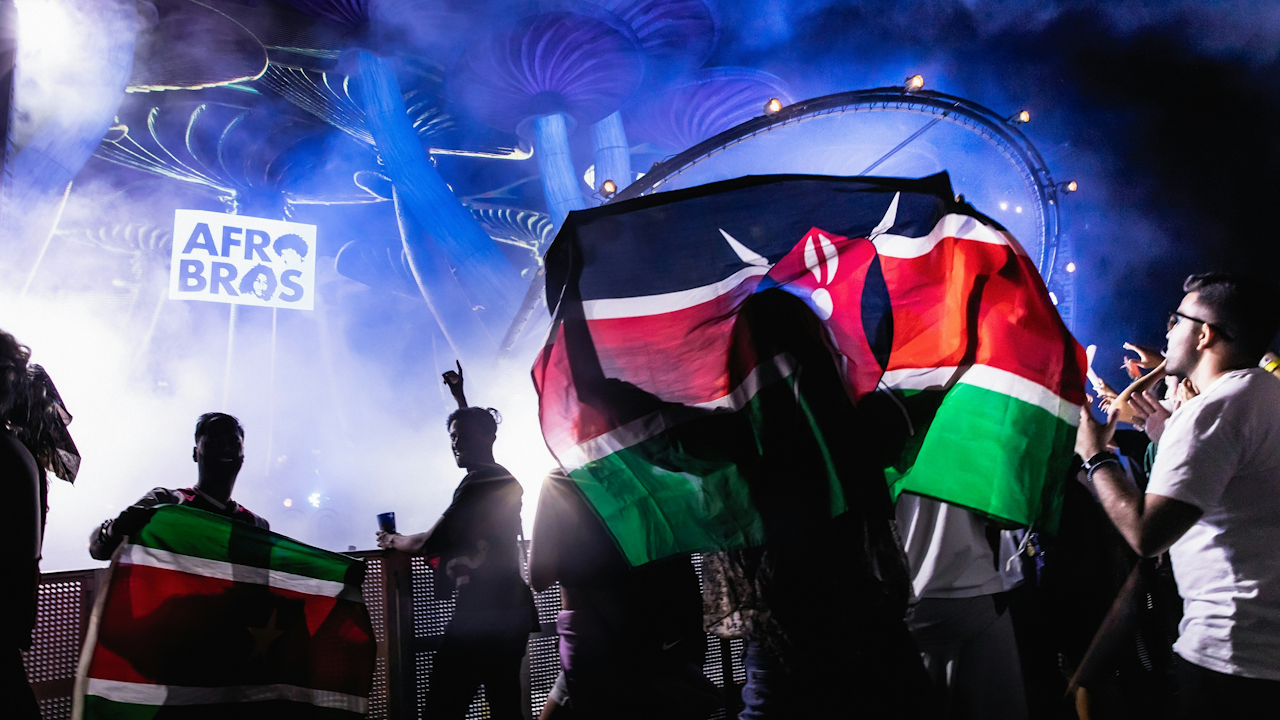
Afrobeats stands as perhaps the most unstoppable force among the three, exploding from Nigerian roots into a worldwide phenomenon. Building on Fela Kuti’s Afrobeat legacy, the genre fuses highlife, hip-hop, R&B, dancehall, and traditional percussion into upbeat, syncopated grooves. Heavy basslines, log drums, shakers, and call-and-response vocals create dancefloor anthems that prioritize joy and movement. In 2026, Afrobeats commands Billboard’s U.S. Afrobeats Songs chart, Spotify global playlists, and year-end rankings, with artists achieving billions of streams.
Its surge traces to strategic diaspora networks, streaming platforms, and superstar collaborations. Core figures like Burna Boy, Wizkid, and Davido have long bridged Africa with the West, but a new wave including Rema, Tems, Ayra Starr, Asake, Omah Lay, and Tyla has accelerated mainstream takeover. Tracks such as Rema’s high-energy releases or Tems’ soulful collaborations top charts consistently, while fusions like Afro-drill or Afrobeats-infused house appear in viral TikTok dances and party mixes. Billboard data shows Afrobeats tracks holding top spots week after week, with artists like Tyla achieving crossover success that blends the genre with pop and dancehall.
Afrobeats dominates because it feels universal yet culturally specific. Its rhythms encourage communal celebration, making it perfect for summer anthems, workouts, and global festivals. In an era of borderless listening, listeners from Lagos to London to Los Angeles embrace its infectious energy without needing translation. Producers experiment with electronic fusions, Amapiano influences, and even hyperpop textures, creating subgenres like Afro-house or Krio Fusion that expand the sound. African music overall leads streaming growth, with Afrobeats as the flagship, driven by youthful audiences seeking vibrant escapism post-pandemic.
The true power of these genres emerges in their intersections. Hyperpop’s glitchy maximalism slips into drill beats for experimental rap tracks, while Afrobeats percussion energizes hyperpop drops or softens drill’s edges into Afro-drill hybrids. Producers in 2026 routinely blend these elements, resulting in songs that top multiple charts simultaneously. TikTok serves as the great accelerator, where a hyperpop hook might pair with an Afrobeats dance challenge or a drill freestyle goes viral alongside global rhythms. Streaming services amplify this through algorithmic curation, pushing hybrid playlists that expose millions to unfamiliar sounds.
This convergence signals broader industry shifts. Globalization has democratized music creation, with affordable tools and AI assistance enabling artists from any background to experiment. Younger listeners reject rigid genre labels, favoring vibes that mix intensity, joy, and innovation. These three genres thrive in that environment: hyperpop for digital natives craving chaos, drill for those needing raw expression, and Afrobeats for collective uplift. Their dominance influences fashion, with bold hyperpop aesthetics, streetwear tied to drill culture, and vibrant prints from Afrobeats visuals shaping trends. Festivals book lineups heavy on these sounds, and major labels scout talent across continents to capitalize on the momentum.
Looking ahead, the influence shows no signs of waning. Hyperpop may evolve into even wilder fusions with rock or metal revivals, drill could deepen its melodic explorations while retaining street credibility, and Afrobeats will likely spawn more pan-African hybrids that incorporate emerging sounds from across the continent. All three benefit from a music ecosystem that rewards virality, cultural authenticity, and emotional connection. In 2026, they do not merely dominate charts. They define how a generation hears the world: fragmented yet unified, intense yet celebratory, local yet planetary.
As streaming numbers climb and cultural conversations center on these sounds, one truth stands clear. Hyperpop, drill, and Afrobeats are not fleeting trends. They represent the soundtrack of a connected, restless era, where music crosses oceans instantaneously and reshapes identities along the way. Listeners turning to playlists or live sets will find these genres at the forefront, delivering the energy, narrative depth, and rhythmic fire that make the present moment feel electric. The future of music sounds like this: bold, boundary-pushing, and impossible to ignore.