

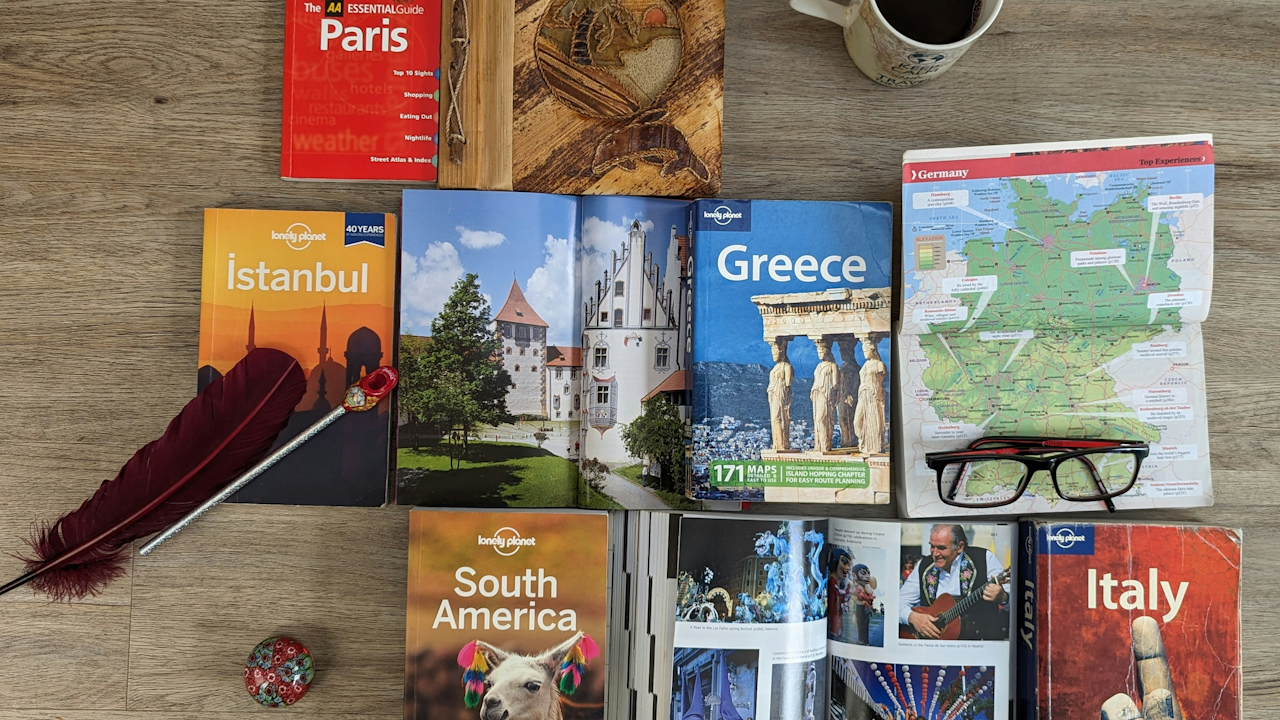
Solo travel abroad offers a unique blend of freedom, self-discovery, and adventure. Unlike group trips where plans must accommodate multiple preferences, traveling alone lets you set your own pace, explore your interests deeply, and step outside your comfort zone. This comprehensive guide covers every aspect of planning a successful solo trip abroad, from initial ideas to post-trip reflection. Whether you are a first-time traveler or a seasoned explorer, these steps will help you prepare thoroughly and enjoy the experience safely.
Why Choose Solo Travel?
Solo travel provides unparalleled personal growth. You learn to rely on yourself, make decisions independently, and build confidence in navigating unfamiliar environments. Many solo travelers report increased self-awareness, improved problem-solving skills, and a greater appreciation for different cultures.
It also allows flexibility. You can linger at a museum for hours, change plans on a whim, or skip tourist traps for hidden gems. Socially, solo travel often leads to more interactions with locals and other travelers because you appear approachable without a group.
However, it requires careful planning. Isolation, safety concerns, and higher per-person costs are common challenges. Addressing these upfront turns potential drawbacks into manageable aspects of the journey.
Choosing Your Destination
Selecting the right destination forms the foundation of your trip. Consider your interests, experience level, and goals. First-time solo travelers might prefer destinations with strong infrastructure, English speakers, and welcoming cultures, such as Japan, Thailand, Portugal, or Canada.
Research factors like climate, political stability, and local events. Use reliable sources to check current conditions. For example, avoid areas with active travel advisories unless you have specific reasons and high preparedness.
Think about seasonality. Visiting during shoulder seasons often means fewer crowds and lower prices while still enjoying good weather. Balance popular attractions with off-the-beaten-path options to maximize your experience.
Create a shortlist of three to five destinations. Compare them based on visa requirements, flight availability, cost of living, and safety for solo travelers. Tools like government travel websites and traveler forums provide valuable insights.
Setting a Realistic Budget
Budgeting determines the scope and duration of your trip. Solo travel can be more expensive than group travel because you cover single supplements for accommodations and activities. However, strategic choices keep costs manageable.
Break down expenses into categories:
- Transportation (flights, trains, local transit)
- Accommodation
- Food and drinks
- Activities and entrance fees
- Insurance and visas
- Miscellaneous (SIM cards, laundry, souvenirs)
Estimate daily costs for your destination. Cities like Bangkok or Lisbon allow comfortable travel on $50-80 per day, while places like Zurich or Sydney require $150 or more. Add a 20 percent buffer for unexpected expenses.
Track expenses with apps before and during the trip. Book major elements like flights early for savings. Consider budget airlines, but factor in baggage fees and potential delays.
For longer trips, explore work-exchange programs or slower travel to reduce daily costs. Prioritize experiences over luxury when funds are limited.
Research and Preparation
Thorough research prevents surprises. Start several months in advance, especially for international travel.
Learn basic phrases in the local language. Even simple greetings build rapport and show respect. Download translation apps and offline dictionaries.
Study cultural norms, customs, and taboos. What is acceptable in one country may offend in another. Read books or watch documentaries about the destination.
Understand local laws. Some countries have strict rules on photography, dress codes, or public behavior. Research common scams targeting tourists.
Join online communities of solo travelers for destination-specific advice. Connect with locals through language exchange apps before departure.
Create a digital folder with important documents: passport copy, insurance policy, emergency contacts, and booking confirmations. Share your itinerary with a trusted person at home.
Visas, Passports, and Documentation
Valid travel documents are essential. Check passport validity. Many countries require at least six months of validity beyond your planned return date.
Apply for visas well in advance. Some nations offer visa-free entry for short stays, while others require applications through embassies or online systems. Use official government websites to avoid scams.
Prepare copies of all documents in physical and digital formats. Consider an international driving permit if you plan to rent vehicles.
Register with your country’s embassy or consulate program for travelers. This helps in emergencies.
Health and Safety Preparations
Prioritize health. Schedule a pre-trip medical checkup. Discuss vaccinations for your destination, such as hepatitis, typhoid, or rabies depending on activities.
Purchase comprehensive travel insurance that covers medical evacuation, trip cancellation, and personal belongings. Read policy details carefully, especially for adventure activities.
Pack a basic first-aid kit with medications for common issues like diarrhea, allergies, or pain. Bring copies of prescriptions.
For safety, research common risks. Solo female travelers should check women-specific advice. Use ride-sharing apps with tracking, avoid walking alone at night in unfamiliar areas, and trust your instincts.
Stay aware of your surroundings. Limit alcohol consumption in new places. Keep valuables secure and use hotel safes.
Emergency numbers and embassy contacts should be saved in your phone. Consider a portable charger and offline maps.
Packing Strategically
Pack light to maintain mobility. A carry-on sized backpack or suitcase works for most trips. Follow the rule of mixing and matching clothing items.
Essentials include:
- Comfortable walking shoes
- Versatile clothing suitable for weather and cultural expectations
- Travel adapter and power bank
- Reusable water bottle
- Toiletries in travel sizes
- Copies of documents
- Snacks for long journeys
Use packing cubes for organization. Check weather forecasts closer to departure and adjust accordingly. Leave space for souvenirs or items acquired during the trip.
Avoid overpacking. You can often buy forgotten items locally, which also supports the economy.
Booking Transportation
Book international flights early for better prices. Compare multiple booking sites and set price alerts.
For internal travel, trains often provide scenic and comfortable options. Budget airlines work well for short hops but check restrictions.
Local transportation varies. Research metro systems, buses, or taxis. Download apps for real-time information.
Consider overnight travel to save on accommodation while maximizing time.
Choosing Accommodation
Solo travelers have many options. Hostels foster social connections but may lack privacy. Hotels offer comfort and security features like 24-hour reception.
Private apartments through reputable platforms provide home-like experiences. Look for places with good reviews focusing on solo traveler safety.
Location matters greatly. Choose areas central to attractions but safe at all times. Read recent reviews mentioning solo experiences.
Book the first few nights in advance. Once settled, you can extend stays or move based on how you feel.
Creating an Itinerary
A flexible itinerary balances structure and spontaneity. List must-see attractions and group them by area to minimize travel time.
Include downtime for rest and reflection. Solo travel can be tiring, so avoid overscheduling.
Use apps for mapping routes and estimating times. Build in buffer days for relaxation or unexpected opportunities.
Consider joining day tours or group activities for specific experiences while maintaining overall independence.
Managing Money and Finances Abroad
Use a combination of payment methods. Notify your bank of travel plans to avoid card blocks.
Carry a small amount of local currency upon arrival. Use ATMs for withdrawals, choosing ones inside banks when possible.
Enable mobile banking and set up alerts. Consider a secondary card as backup.
Track exchange rates and fees. Avoid airport currency exchanges due to poor rates.
Technology and Connectivity
Stay connected without dependency. Get an international SIM card or eSIM upon arrival for data.
Download offline maps, translation tools, and entertainment. Backup important information to the cloud.
Use a VPN for secure public Wi-Fi connections. Limit sharing real-time locations for safety.
Cultural Etiquette and Respect
Respect local customs to enrich your experience and avoid issues. Learn appropriate greetings, dress codes, and dining etiquette.
Observe before participating. Support local businesses and learn about sustainable tourism practices.
Be open-minded. Solo travel provides opportunities to challenge personal biases and expand perspectives.
During the Trip: Practical Tips
Establish routines that support well-being. Eat regular meals, stay hydrated, and get enough sleep.
Journal your experiences. Photography can capture memories but avoid letting it distract from being present.
Engage with locals thoughtfully. Ask questions and listen actively.
Stay flexible. Some of the best moments come from unplanned detours.
Overcoming Common Challenges
Loneliness affects many solo travelers. Combat it by joining local events, classes, or co-working spaces.
Language barriers can frustrate. Patience and humor help bridge gaps.
Safety incidents, though rare with preparation, require calm responses. Know emergency protocols.
Homesickness passes with time. Connect with loved ones strategically rather than constantly.
Sustainable and Responsible Solo Travel
Minimize environmental impact. Use public transport, avoid single-use plastics, and choose eco-friendly accommodations.
Respect communities. Learn about overtourism issues and visit responsibly.
Support ethical practices. Research animal experiences or tours before participating.
Returning Home and Reflection
Plan your return thoughtfully. Schedule buffer time before resuming work or routines.
Reflect on your journey. What did you learn? How have you changed?
Organize photos and notes while memories are fresh. Share stories selectively to inspire others.
Conclusion
Planning a solo trip abroad demands effort, but the rewards justify it. With careful preparation across research, safety, budgeting, and mindset, you create an empowering adventure. Embrace uncertainty as part of the process. Each solo trip builds skills and memories that last a lifetime. Start small if needed, but take that first step. The world awaits your independent exploration, and you will return with stories, growth, and a deeper understanding of both yourself and our shared humanity. Safe travels.