

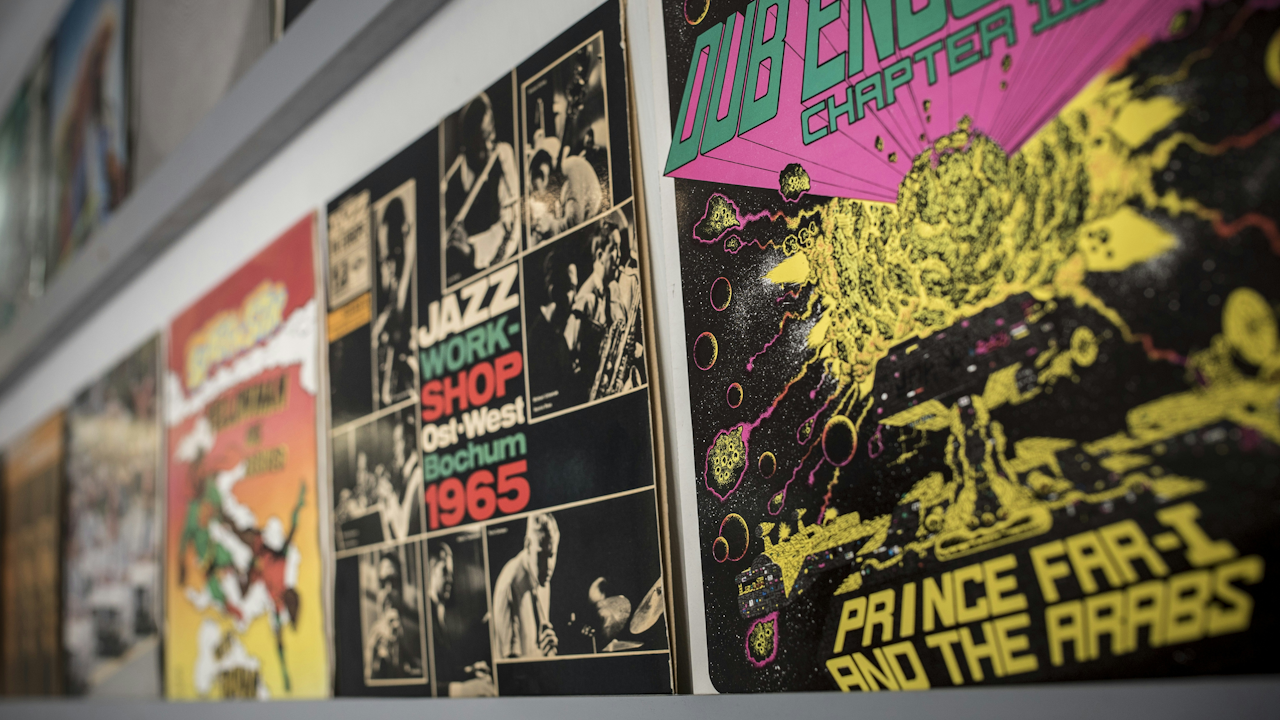
In an age dominated by streaming playlists and algorithm-driven singles, the concept album has staged a remarkable return. Once viewed as a relic of progressive rock excess from the 1970s, these unified artistic statements now thrive across genres from hip-hop to indie pop and experimental rock. A concept album tells a cohesive story or explores a central theme through interconnected songs, often with recurring motifs, characters, or narratives that reward repeated listens. Unlike a collection of standalone tracks, it functions like a novel or film in musical form. Recent years have seen a surge in such releases that not only captivate critics but also drive fan engagement and commercial staying power. This resurgence reflects deeper shifts in how audiences consume music and how artists assert creative control in a fragmented industry.
The roots of the concept album stretch back decades. In the 1960s and 1970s, artists such as The Beatles with Sgt. Pepper’s Lonely Hearts Club Band and Pink Floyd with The Wall treated the LP as a canvas for grand ideas. These works blended music, lyrics, and sometimes theatrical elements to create immersive worlds. Progressive rock bands like Genesis and Yes pushed the format further, weaving epic tales of fantasy and social commentary. By the late 1970s and into the 1980s, however, the format began to wane. The rise of MTV favored visually striking singles over hour-long epics. Compact discs encouraged shuffle play, and the commercial focus shifted toward radio-friendly hits. The digital revolution of the 2000s accelerated this trend. Napster, iTunes, and later Spotify rewarded individual tracks that could go viral. Playlists replaced albums as the primary listening mode for many, fragmenting attention spans and sidelining projects that demanded patience.
Yet the decline was never total. Artists like Radiohead with OK Computer and Kendrick Lamar with To Pimp a Butterfly kept the flame alive in the 1990s and 2010s by using the album format to tackle complex themes such as alienation and systemic racism. These releases proved that cohesive storytelling could still resonate deeply. By the early 2020s, conditions aligned for a broader revival. Streaming platforms, once blamed for killing albums, ironically became allies. Services like Spotify and Apple Music now highlight full-album listening through features such as “album mode” and algorithmic recommendations that favor complete projects. Data from industry reports shows that while playlists dominate discovery, dedicated fans increasingly seek out full experiences for emotional depth.
The streaming era presents a paradox that favors concept albums. Short attention spans and infinite choice make it easy to skip tracks, but artists counter this by crafting works that unfold like serialized stories. Listeners who commit to the full runtime discover layers of meaning unavailable in a three-minute single. One music industry analysis from early 2026 notes that albums have regained ground through deluxe editions, visual accompaniments, and extended promotional rollouts. Concept albums stand out precisely because they give fans a reason to return, discuss, and immerse themselves. They create cultural moments that linger far beyond initial release cycles.
Several factors drive this comeback. First, the post-pandemic desire for immersive art. After years of isolation, audiences craved narratives that mirrored personal and societal struggles. Albums exploring trauma, identity, and redemption offered catharsis. Second, vinyl and physical media have enjoyed a parallel resurgence, providing tangible objects that enhance the album-as-artwork experience. Fans collect limited-edition pressings complete with booklets that expand on the concept. Third, cross-genre experimentation has broadened appeal. Hip-hop, long a leader in narrative-driven work, has influenced pop and rock. Meanwhile, indie and electronic artists incorporate literary structures into their music. Grammy trends underscore the shift: multiple Album of the Year winners in recent cycles have been concept-driven projects praised for their thematic unity.
Nowhere is the revival more evident than in hip-hop. Kendrick Lamar’s Mr. Morale & The Big Steppers, released in 2022, serves as a prime example. The double album functions as a therapy session in musical form, delving into generational trauma, fatherhood, and personal accountability. Tracks interconnect through spoken-word interludes and recurring motifs, creating a journey that mirrors the artist’s internal reckoning. Critics hailed it as a modern classic, and its commercial success proved that ambitious storytelling could thrive on streaming charts. Similarly, clipping.’s Visions of Bodies Being Burned from 2020 expanded horror themes across a conceptual framework, blending noise rap with cinematic dread. The album’s companion piece and thematic links rewarded deep dives, turning casual streams into dedicated fan communities.
Indie and alternative scenes have contributed equally compelling works. Magdalena Bay’s Imaginal Disk from 2024 explores consciousness and self-transformation through hazy psychedelic pop. The duo crafted a narrative around metamorphosis, with each song advancing a story of psychological evolution. Listeners praised its dreamlike cohesion and haunting vocals, elevating it to high rankings on year-end lists. In R&B, Hiatus Kaiyote’s Love Heart Cheat Code stands out as one of the most conceptual releases of recent years. The album weaves themes of love, deception, and emotional complexity into a unified tapestry, blending jazz-inflected grooves with intricate storytelling. Monophonics took a different route with Sage Motel, imagining a fictional hotel where each track represents a room and its resident’s tale. The psychedelic soul sound builds a narrative thread that feels both intimate and expansive.
Rock music has also embraced the format with renewed vigor. In 2025, Deafheaven released Lonely People With Power, a blackgaze post-metal concept album that examines isolation and authority through soaring dynamics and introspective lyrics. Haim’s I Quit functions as a breakup concept record, chronicling the emotional arc from dependence to hard-won independence across 15 tracks of cathartic pop-rock. Geese’s Getting Killed reinvents rock structures into anxious, shape-shifting narratives that feel like a fever dream of modern alienation. These projects demonstrate how concept albums allow rock acts to differentiate themselves in a genre often dominated by singles.
Even pop and experimental corners show the trend. Sudan Archives’ The BPM draws on Afrofuturism to create a club-like concept space where technology meets self-expression. Each song occupies its own sonic room yet contributes to an overarching celebration of liberation. McKinley Dixon’s Magic Alive! from 2025 stands as a standout jazz-rap concept album, grappling with death, memory, and resurrection through funky grooves and horn-driven arrangements. The record balances pain with hope, using its narrative to guide listeners toward brighter possibilities. Wikipedia’s extensive category of 2020s concept albums lists over 150 entries spanning metal, electronic, and folk, illustrating the format’s widespread adoption.
This revival extends beyond major labels. Independent artists leverage streaming to build cult followings around ambitious projects. Extended rollouts with companion podcasts, short films, or interactive websites deepen engagement. Fans respond by hosting listening parties and creating fan theories online, turning albums into communal experiences. Industry observers point to this as a counterbalance to algorithm fatigue. While playlists offer convenience, concept albums foster loyalty. Artists gain long-term relevance as listeners revisit works for new insights with each cycle.
The economic case strengthens the trend as well. A viral single may spike streams temporarily, but a strong concept album sustains attention over months or years. Merchandise tied to the theme, tour packages structured as narrative journeys, and deluxe reissues create multiple revenue streams. Labels recognize that cohesive projects reduce risk by bundling potential hits within a larger framework. Data indicates that album consumption has stabilized or grown in certain demographics, particularly among younger listeners who value authenticity and depth.
Challenges remain. Not every concept album succeeds; some feel forced or pretentious when themes lack substance. Streaming algorithms still prioritize short, hook-heavy tracks, making it harder for slower-building narratives to gain initial traction. Yet successful examples prove the payoff. Beyonce’s Renaissance and its follow-up Cowboy Carter, though not always labeled strictly conceptual, employ overarching genre explorations and thematic arcs that echo classic concept techniques. Their impact on charts and culture reinforces the format’s power.
Looking ahead, the comeback shows no signs of slowing. As artificial intelligence and virtual reality reshape entertainment, concept albums may evolve into multimedia experiences complete with interactive elements or AI-assisted world-building. Emerging artists in 2026 already experiment with hybrid formats that blend audio, visuals, and text. The format’s flexibility allows it to adapt without losing its core appeal: the invitation to listen with intention.
Ultimately, the resurgence of concept albums signals a broader hunger for meaning in music. In a world of endless distractions, these works remind us of art’s capacity to connect, challenge, and transform. They reclaim the album as more than a product; it becomes a world unto itself. From Kendrick Lamar’s introspective epics to emerging indie narratives, the 2020s have revived a tradition that enriches the musical landscape. As more creators embrace the form, listeners gain richer experiences that endure long after the final track fades. The concept album is not merely back; it feels essential once again.