

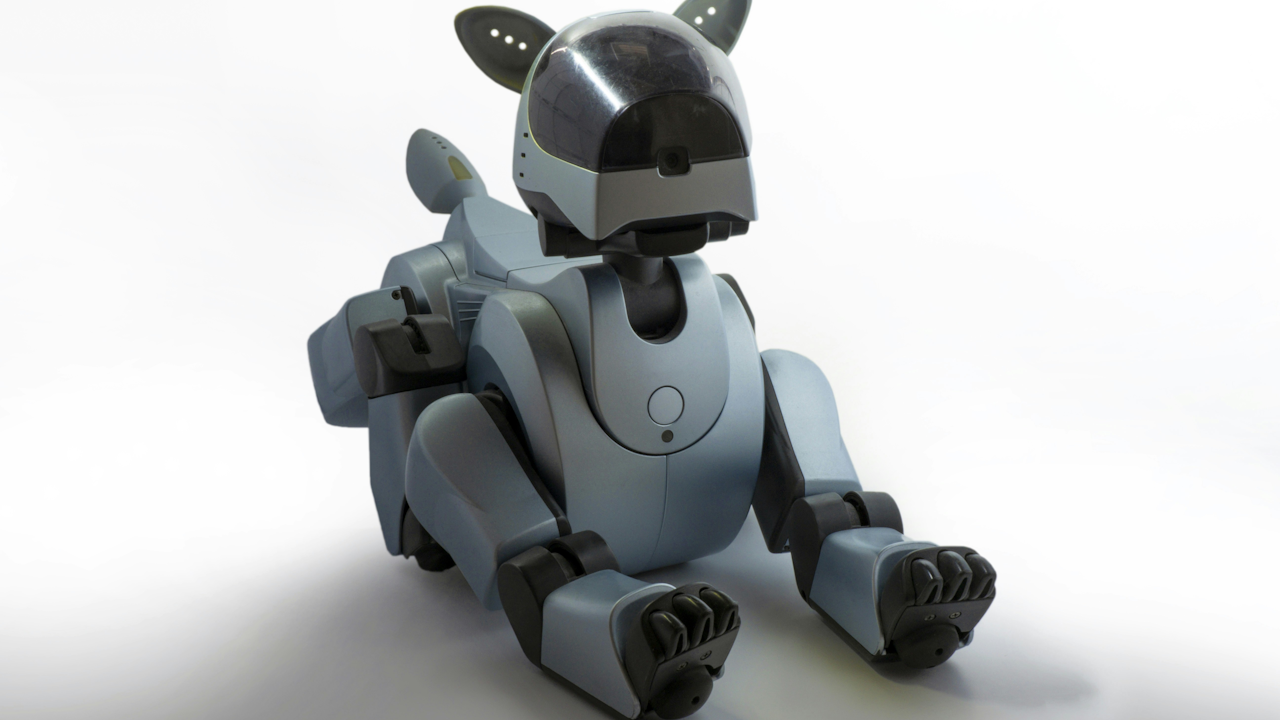
In an era where technology touches nearly every aspect of daily life, the idea of owning a pet has evolved far beyond the traditional cat curled up on the couch or the dog fetching a ball in the yard. Robot pets have entered the market as sophisticated alternatives, offering companionship through circuits, sensors, and artificial intelligence rather than fur, paws, and heartbeats. Devices like Sony’s Aibo robotic dog or the Joy for All companion cats from Hasbro aim to replicate the experience of pet ownership for those who cannot or choose not to care for a living animal. Yet the question remains: can these mechanical marvels truly stand in for their flesh and blood counterparts? The differences extend well beyond surface level appearances and touch on emotional, practical, ethical, and even health related dimensions. This article delves deeply into those distinctions to help readers understand what sets robot pets apart from real ones and whether one might suit a particular lifestyle better than the other.
At the core of any pet relationship lies the bond between owner and animal. Real pets form connections through genuine biological and emotional interactions. A dog wags its tail not because it is programmed to do so but because it feels excitement, loyalty, or anticipation based on its experiences with its human. Cats purr in response to contentment or affection, a sound rooted in evolutionary instincts that signal safety and trust. These responses create a two way exchange that feels authentic because it is. Owners often describe their pets as family members who understand them on an intuitive level, responding to tone of voice, body language, and routines in ways that build over time. Studies in psychology and veterinary science consistently show that this bond releases oxytocin in both humans and animals, fostering feelings of love and reducing stress. The relationship grows organically, shaped by shared history, training, and mutual adaptation.
Robot pets, by contrast, simulate these interactions through advanced programming. A robotic dog might tilt its head, bark playfully, or follow its owner around the room using cameras and motion sensors to detect presence. Some models even learn from repeated commands, adjusting behaviors via machine learning algorithms to seem more personalized. However, the foundation of these actions remains code and hardware. There is no underlying emotion or consciousness driving the response. The robot does not feel joy or form attachments in the biological sense; it executes predefined or adaptive scripts designed to mimic them. For some owners, particularly those living with dementia or in care facilities, this simulation provides comfort and routine without the unpredictability of a live animal. Yet many users report that while the robot entertains or distracts, it never quite replaces the profound sense of being truly needed or loved by another living being. The difference here is not subtle. Real pets offer unconditional presence rooted in instinct and evolution, whereas robot pets deliver consistent, predictable engagement engineered for reliability.
Maintenance requirements highlight another stark contrast. Caring for a real pet demands daily attention to its physical needs. Dogs require walks, fresh water, nutritious food, and regular exercise to stay healthy and happy. Cats need litter boxes cleaned, scratching posts replaced, and veterinary checkups to prevent illnesses like fleas or kidney disease. These responsibilities can span 10 to 20 years depending on the species, involving costs for grooming, boarding during vacations, and emergency care. Accidents happen, from chewed furniture to midnight vomiting episodes, and owners must adapt their schedules around feeding times, potty breaks, and behavioral training. The commitment is total because a living animal depends entirely on its human for survival.
Robot pets flip this dynamic entirely. They need charging rather than feeding, typically lasting several hours on a battery before requiring a dock or cable. Maintenance involves software updates downloaded via an app, occasional cleaning of sensors to prevent dust buildup, and repairs if a motor fails or a wheel jams. There are no vet bills, no shedding hair to vacuum, and no risk of allergies triggering asthma attacks. For apartment dwellers in strict no pet buildings or individuals with mobility limitations, this low effort upkeep proves liberating. A robot can sit idle without complaint during work hours or travel, reactivating instantly upon return. Yet this convenience comes with its own limitations. If the device malfunctions beyond basic troubleshooting, replacement parts or full unit swaps can cost hundreds or even thousands of dollars, rivaling the price of adopting a pedigree animal. Moreover, the novelty of a robot’s features can fade if updates slow or the company ceases support, leaving owners with an expensive paperweight instead of a companion.
Health and wellness impacts further separate the two options. Interacting with real pets has been linked to measurable benefits in numerous peer reviewed studies. Petting a dog or cat lowers blood pressure and heart rate almost immediately, while regular walks with a canine companion encourage physical activity that combats obesity and depression. The responsibility of care provides structure and purpose, particularly for seniors or people recovering from illness. Animals also offer opportunities for social connection, as dog owners frequently chat with neighbors during outings or join pet related community events. These interactions combat loneliness in ways that feel deeply human because they stem from shared care for a vulnerable creature.
Robot pets deliver some parallel advantages but fall short in depth. Certain models are designed specifically for therapeutic use, with soft fur like coverings and gentle movements that encourage stroking to reduce anxiety. In nursing homes, these devices have shown success in sparking conversations among residents and providing a focal point for engagement without the risks of bites or escapes. However, the physiological responses are milder. A person might smile at a robot’s antics, but the oxytocin surge and long term emotional fulfillment tend to be less pronounced than with a real animal. There is no reciprocal health monitoring either. A living pet might nudge its owner toward the door for a walk when it senses restlessness, subtly promoting better habits. A robot follows its programming without adapting to subtle human cues like fatigue or mood shifts in the same intuitive manner. For individuals with severe allergies or compromised immune systems, robots eliminate health hazards entirely, making them a safer choice where real pets would be inadvisable.
Cost considerations play a significant role in the decision making process. Adopting a real pet often starts with a modest shelter fee of around 100 dollars or less, though purebred animals from breeders can run into thousands. Ongoing expenses accumulate quickly: quality food might cost 50 dollars monthly, annual vet visits another 200 to 500 dollars, plus toys, bedding, and unexpected treatments that can reach thousands during a health crisis. The total lifetime investment for a medium sized dog easily exceeds 10,000 dollars when factoring in all variables. Yet many owners view this as money well spent for the irreplaceable joy returned.
Robot pets command higher upfront prices, with basic models starting at 200 dollars and premium versions like advanced Aibo units exceeding 2,000 dollars. Accessories such as extra batteries or custom skins add to the tally, and subscriptions for enhanced features or cloud based learning can introduce recurring fees. Repairs outside warranty periods become expensive quickly, sometimes matching the cost of initial purchase. Over a decade, the financial burden might even out or surpass that of a real pet if multiple replacements are needed due to technological obsolescence. The key difference lies in predictability. Real pet costs fluctuate with health and behavior, while robot expenses are more tied to hardware durability and manufacturer support cycles.
Accessibility emerges as a major advantage for robot pets in certain scenarios. Elderly individuals who lack the strength to walk a dog or clean a litter box can still enjoy daily interactions with a mechanical companion that requires minimal physical effort. Families in small urban spaces or those frequently relocating appreciate the portability and non destructive nature of robots. Allergies, phobias, or grief from past pet loss no longer bar companionship when a robot steps in. Real pets, while enriching, demand space, time, and lifestyle compatibility that not everyone possesses. A person working long hours or traveling often might unintentionally neglect a living animal, leading to guilt or behavioral issues in the pet. Robots tolerate neglect without suffering, resuming functions seamlessly upon reactivation.
Ethical dimensions add further complexity to the comparison. Owning a real pet carries responsibilities toward animal welfare, including spaying or neutering to control populations, providing enrichment to prevent boredom, and ensuring humane treatment under laws that protect living creatures. Critics argue that the pet industry sometimes contributes to overbreeding or abandonment when owners underestimate commitments. Supporters counter that responsible ownership strengthens human empathy and supports conservation efforts through breed preservation or rescue organizations. The bond teaches children compassion and accountability in profound ways that extend beyond the household.
Robot pets sidestep many ethical concerns by removing living beings from the equation entirely. No animal is bred or surrendered to create them, and they pose no risk of contributing to shelter overcrowding. Environmental impact differs too. Real pets consume resources through food production and generate waste, while robots rely on electricity and rare earth materials for manufacturing, raising questions about sustainability in electronics production. Some ethicists worry that widespread adoption of robot pets could diminish societal investment in real animal welfare or erode the value placed on genuine interspecies relationships. If people grow accustomed to flawless, complaint free companionship, might they become less tolerant of the imperfections inherent in living creatures? Others see robot pets as gateways that introduce hesitant individuals to the concept of care, potentially leading them toward real adoption later. The debate continues without clear consensus, reflecting broader tensions between technological progress and traditional human animal connections.
Technological evolution continues to narrow some gaps while widening others. Early robot pets from the late 1990s offered basic movements and sounds with limited interactivity. Today’s versions incorporate voice recognition, facial expression mapping, and even simulated personalities that evolve based on user data. Future models may integrate augmented reality or advanced neural networks to anticipate needs more accurately. Despite these leaps, fundamental barriers persist. No current or foreseeable technology can replicate the complexity of a biological brain or the unpredictable spark of true sentience. A robot might learn to avoid certain rooms after repeated corrections, but it does not experience fear, curiosity, or the sheer will to explore that defines a kitten knocking items off a shelf. Real pets surprise us daily with their individuality, reminding owners that life defies full programming.
In weighing these differences, personal circumstances ultimately guide the choice. For someone seeking low maintenance entertainment or therapeutic distraction in a constrained environment, a robot pet delivers consistent value without the demands of biology. Those craving authentic connection, sensory experiences like the warmth of fur or the sound of contented purring, and the growth that comes from nurturing a dependent being will find real pets unmatched. Hybrid approaches exist too, where a robot supplements rather than replaces a living companion, perhaps entertaining a dog during owner absences or providing backup during health challenges. Neither option is universally superior. Both reflect human ingenuity in addressing loneliness and the innate desire for companionship.
Ultimately, the distinction boils down to simulation versus substance. Robot pets excel at replicating behaviors and minimizing burdens, making them practical innovations for modern constraints. Real pets embody the messy, rewarding reality of shared existence, complete with challenges that foster deeper personal development. As technology advances, the line may blur further, prompting society to reconsider what companionship truly means. For now, the choice between them hinges on priorities: convenience and safety on one side, authenticity and emotional depth on the other. Readers considering either path should reflect honestly on their capacity for care, their expectations for interaction, and the kind of presence they hope to invite into their lives. The right pet, whether silicon or sinew, is the one that aligns with those reflections and enriches daily existence in the ways that matter most to its owner.