

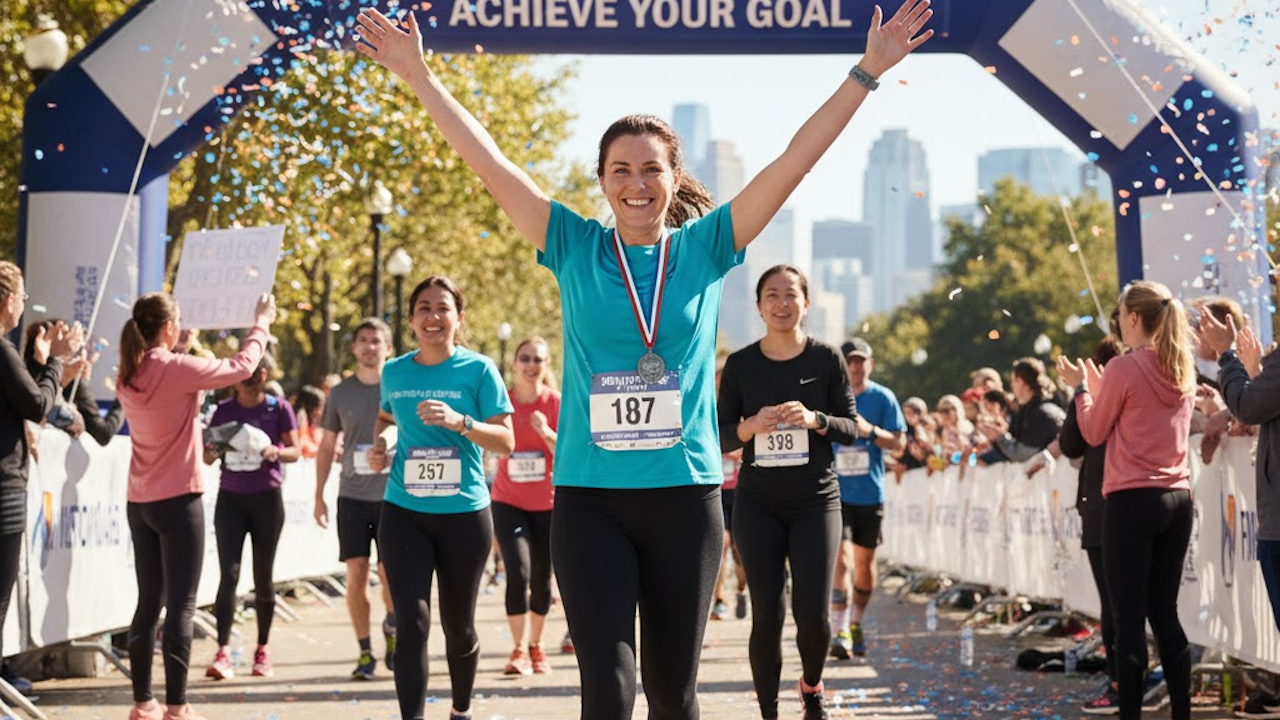
Running your first 5K represents one of the most accessible and rewarding challenges in fitness. A 5K covers 5 kilometers, which equals roughly 3.1 miles. This distance strikes an ideal balance for newcomers because it requires commitment without demanding months of intense preparation. Thousands of people complete their first 5K every year, often after starting from a sedentary lifestyle or after years away from exercise. The event itself feels celebratory, whether it is a charity fun run, a community race, or a virtual option completed on your own schedule.
Completing a 5K delivers measurable physical and mental gains. Regular running strengthens the cardiovascular system, lowers resting heart rate, and improves lung capacity. It supports healthy weight management by burning calories efficiently while building lean muscle. Many runners notice better sleep quality, steadier energy levels throughout the day, and reduced stress thanks to the release of endorphins. Beyond the body, finishing a 5K builds genuine confidence. The process teaches consistency, patience, and the ability to push through discomfort in a controlled way. These skills often transfer into other areas of life. For many adults, the first 5K becomes the gateway to a lifelong habit of movement and an entry point into a supportive running community.
Before lacing up, take an honest look at your current fitness level. If you have been completely inactive for a long time or have any medical conditions, speak with a doctor before beginning. This step is especially important if you are over age 40, have a history of heart issues, joint problems, or are returning after injury or illness. A simple conversation with a healthcare professional can provide personalized clearance and peace of mind. Once cleared, remember that every runner starts somewhere. The goal for your first 5K is simply to finish while feeling strong and proud.
Gathering the Right Gear
Proper equipment makes training more comfortable and reduces injury risk. The single most important purchase is a good pair of running shoes. Visit a specialty running store where staff can analyze your gait, foot shape, and any tendencies toward overpronation or supination. They will recommend shoes with the right cushioning, support, and fit for your needs. Do not rely on old sneakers or fashion sneakers. Running shoes are engineered to absorb impact and guide your foot through each stride. Plan to replace them every 300 to 500 miles, as the cushioning breaks down even if the shoes still look fine.
Clothing should prioritize moisture-wicking fabrics that pull sweat away from the skin. Cotton holds moisture, leading to chafing and discomfort. Look for technical shirts, shorts or leggings with flat seams, and a well-fitting sports bra if you are female. Socks designed for running prevent blisters better than regular athletic socks. In cooler weather, dress in removable layers so you can adjust as your body warms up during the run. A light jacket or long-sleeve shirt that zips or buttons works well. A hat or visor and sunglasses protect against sun and sweat in the eyes. A simple GPS watch or a free smartphone app tracks distance, pace, and time, helping you stay consistent without overcomplicating things. A reusable water bottle or hydration pack becomes useful on longer training runs.
Creating Your Training Plan
The most popular and effective approach for absolute beginners is the Couch to 5K program, a structured nine-week plan that gradually builds running endurance through a mix of walking and running intervals. The beauty of this method lies in its progressive nature. You never jump from zero to nonstop running. Instead, you start with short bursts of jogging separated by recovery walks. This approach improves aerobic fitness safely while minimizing soreness and burnout. Most people run three days per week, allowing at least one rest or easy cross-training day between sessions. Cross training can include cycling, swimming, elliptical work, or strength sessions.
Here is a clear week-by-week breakdown based on the standard Couch to 5K structure. Always begin each session with a brisk five-minute walking warm-up and finish with a five-minute walking cool-down.
Week 1 focuses on introducing the body to running. After the warm-up, alternate 60 seconds of jogging with 90 seconds of walking. Repeat this cycle eight times for a total of about 20 minutes of intervals. Do this three times during the week.
Week 2 increases the running segments slightly. Alternate 90 seconds of jogging with two minutes of walking. Repeat the cycle six times for roughly 20 minutes of intervals.
Week 3 introduces longer continuous segments while still providing walk breaks. Complete two full sets of the following: 90 seconds jogging, 90 seconds walking, three minutes jogging, and three minutes walking.
Week 4 challenges you with longer running efforts. After warming up, perform one continuous set: three minutes jogging, 90 seconds walking, five minutes jogging, 2.5 minutes walking, three minutes jogging, 90 seconds walking, and five minutes jogging.
Week 5 marks a noticeable jump. The three weekly workouts differ to build both endurance and confidence. One day features three separate five-minute runs separated by three-minute walks. Another day includes two eight-minute runs separated by a five-minute walk. The third day is a continuous 20-minute run with no walking breaks.
Week 6 continues the progression. One workout mixes five-minute, eight-minute, and five-minute runs with short walks in between. Another features longer continuous running segments. The third pushes toward 25 minutes of mostly running.
Week 7 emphasizes longer sustained efforts. Workouts include combinations such as 10-minute runs, 15-minute runs, and eventually a 25-minute continuous run.
Week 8 prepares you for race distance with workouts that include 20-minute and 28-minute continuous runs, along with one session that mixes shorter and longer segments.
Week 9 is the final push. The key workout is a full 30-minute run, which for most beginners covers at least 5K. The other two sessions are shorter to allow recovery before race day.
Throughout the program, listen to your body. If a week feels too difficult, repeat it before advancing. If it feels easy, you can add a few extra minutes of running or slightly increase pace on easy days. The 10 percent rule is a helpful guideline: never increase your total weekly running time or distance by more than 10 percent from one week to the next. Consistency matters far more than perfection. Missing a workout occasionally is normal. Simply resume the schedule without trying to cram missed sessions.
Many free apps and websites offer guided audio versions of this plan with timers and encouraging voice prompts. Tracking your runs in a simple notebook or app also provides motivation as you see the numbers improve over time.
Perfecting Your Running Form and Technique
Good running form reduces wasted energy and lowers injury risk. Stand tall with a slight forward lean that comes from the ankles rather than the waist. Keep your head up and gaze forward about 10 to 20 feet ahead. Shoulders should stay relaxed and low, not hunched. Arms swing naturally at roughly 90-degree angles, moving forward and back rather than across the body. Hands stay loose, as if holding a delicate potato chip you do not want to crush.
Foot strike ideally occurs under your hips rather than far out in front. Many beginners land heavily on the heel, which can create braking forces. Aim for a midfoot or light forefoot landing by shortening your stride and increasing your cadence. A good target cadence is around 170 to 180 steps per minute. You can check this by counting one foot’s steps for 60 seconds and doubling the number. Quick, light steps feel smoother and reduce impact.
Breathing should feel rhythmic and comfortable. Many runners use a 2:2 pattern, inhaling for two steps and exhaling for two steps. Others prefer 3:2. The important thing is breathing from the belly rather than shallow chest breaths. If you feel out of breath, slow down or insert a short walk break. Breathing will improve naturally as your fitness increases.
Common form mistakes include overstriding, which wastes energy and stresses the knees, and excessive bouncing, which wastes effort moving up and down instead of forward. Record a short video of yourself running from the side every few weeks to check progress. Small adjustments compound over time.
Fueling Your Body: Nutrition and Hydration
Nutrition supports training, recovery, and overall energy. Focus on whole foods most of the time: plenty of vegetables, fruits, lean proteins, whole grains, and healthy fats. Carbohydrates provide the primary fuel for running, so include sources such as oats, rice, potatoes, and fruit. Protein helps repair muscle tissue after runs. Good options include eggs, Greek yogurt, chicken, fish, beans, and tofu.
Before a run, eat a light, familiar meal or snack one to two hours ahead. Good choices include a banana with a small amount of peanut butter, toast with jam, or oatmeal with fruit. Avoid heavy, greasy, or high-fiber foods that can cause stomach upset. During runs shorter than 45 to 60 minutes, water is usually sufficient. On hotter days or longer efforts, consider a sports drink with electrolytes. After finishing, refuel within an hour with a combination of protein and carbohydrates. Chocolate milk, a smoothie, or a balanced meal works well.
Hydration matters every day, not just on run days. Aim for consistent fluid intake so that urine stays pale yellow. In hot or humid conditions, you will need more. Weighing yourself before and after a run can help you understand sweat loss and guide fluid replacement. Do not wait until you feel thirsty during a run. By then, performance may already be affected.
Warming Up, Cooling Down, and Building Strength
A proper warm-up prepares muscles, joints, and the cardiovascular system for effort. Spend five to ten minutes on dynamic movements rather than static stretching before running. Examples include leg swings, arm circles, high knees, butt kicks, walking lunges, and gentle torso twists. These movements increase blood flow and range of motion without reducing power.
After the run, cool down with five minutes of easy walking, then move into static stretches. Hold each stretch for 20 to 30 seconds without bouncing. Focus on the quadriceps, hamstrings, calves, hip flexors, glutes, and lower back. Stretching after running when muscles are warm improves flexibility over time.
Strength training two to three times per week complements running beautifully. Strong muscles support joints and improve running economy. Simple bodyweight exercises include squats, lunges, glute bridges, calf raises, planks, and push-ups. Add resistance bands or light dumbbells as you progress. Focus on the posterior chain (glutes, hamstrings, and back) because these muscles often become underused in daily life yet are critical for powerful, efficient running.
Preventing Injuries and Listening to Your Body
Injury prevention starts with gradual progression and respect for rest. The 10 percent rule helps avoid sudden spikes in volume. Include rest days or very easy activity days. Sleep is when most adaptation and repair occur, so prioritize seven to nine hours per night.
Pay attention to the difference between normal muscle soreness and pain that signals a problem. Soreness usually feels diffuse and improves with light movement or rest. Sharp, localized pain, swelling, or pain that worsens during activity warrants rest and possibly professional evaluation. Common beginner issues include shin splints, runner’s knee, and plantar fasciitis. Prevention strategies include wearing supportive shoes, strengthening the calves and hips, avoiding sudden increases in mileage, and addressing tight muscles through stretching or foam rolling.
If something feels off, take two or three days completely off or switch to low-impact cross training. Most minor issues resolve with rest and gradual return. Ignoring early warning signs often leads to longer layoffs.
Building Mental Resilience and Staying Motivated
The mental side of training is just as important as the physical. Many beginners struggle with motivation in the first few weeks. One effective strategy is to commit only to getting dressed and stepping out the door. Once you are moving, the run often feels better than expected. Another approach is to break runs into small segments. Instead of thinking about the entire workout, focus on completing the next interval or reaching the next landmark.
Running with a friend, joining a beginner running group, or participating in online communities provides accountability and encouragement. Music, podcasts, or audiobooks can make time pass quickly on solo runs. Some runners use mantras such as “strong and steady” or “one step at a time” during tough moments.
Track non-running victories as well. Notice improvements in daily energy, mood, sleep, or how clothes fit. Celebrate small milestones such as completing your first continuous 10-minute run or finishing a week without missing sessions. Remember your original reason for starting. Whether it is health, stress relief, weight management, or simply proving something to yourself, reconnecting with that purpose helps on difficult days.
Bad runs happen to everyone, even experienced athletes. A tough session does not erase previous progress. The key is showing up consistently over weeks and months rather than being perfect every single day.
Choosing and Preparing for Your First Race
Selecting the right race adds excitement and a concrete deadline. Search for local 5Ks through running club websites, community bulletin boards, or online race calendars. Many events welcome beginners and offer run/walk divisions or pacers. Look for races with a supportive atmosphere, clear course markings, and aid stations. Virtual races are another excellent option if travel or scheduling is difficult.
Once registered, treat the race like any other long training run in terms of preparation. Do not try new shoes, clothing, or foods on race day. In the final week, reduce overall volume slightly to arrive feeling fresh. The night before, lay out your race outfit, pin your bib to your shirt, and set multiple alarms if needed. Eat a familiar dinner and aim for good sleep, though some pre-race nerves are normal.
Race Day Strategies and What to Expect
Arrive at the race venue with plenty of time, ideally 45 to 60 minutes before the start. This allows for packet pickup if needed, bathroom lines, and a relaxed warm-up. Do a short dynamic warm-up and perhaps a few easy strides. Line up toward the back or in a designated beginner area if available. There is no shame in starting conservatively.
During the race, focus on effort rather than pace. Many first-timers go out too fast and fade later. A steady, comfortable pace that allows conversation in short bursts usually works well. Enjoy the energy of other runners, the cheers from spectators, and the volunteers handing out water. If you need a short walk break, take it without guilt. The goal is to finish feeling proud.
As you approach the finish line, soak in the moment. Many runners raise their arms or smile for photos. Crossing the line brings an incredible rush of accomplishment regardless of the time on the clock.
Recovering After the Race and Planning Ahead
After finishing, keep moving with a slow walk to cool down. Stretch gently, rehydrate, and eat something within an hour. Celebrate however feels right to you, whether that means sharing the news with friends and family or simply enjoying a quiet moment of satisfaction.
In the days following, expect some muscle soreness, especially if the race was longer than your usual training runs. Gentle walking, light stretching, and good nutrition speed recovery. Take at least a couple of easy days before resuming structured training.
Many runners feel inspired to sign up for another 5K soon after, often with a goal of improving their time. Others decide to train for a 10K or simply maintain a regular running habit. The finish line of your first 5K is not an ending. It is a powerful beginning.
Common Questions Answered
How long will it take to train? Most beginners need eight to twelve weeks of consistent training to feel ready for a 5K.
Do I have to run the entire distance without walking? Absolutely not. Many successful finishers use a run/walk strategy throughout the race.
What if I am older or have never exercised? Plenty of people in their fifties, sixties, and beyond complete their first 5K every year. The body responds well to gradual training at any age, provided you have medical clearance.
How much does it cost? A good pair of running shoes is the main expense. Race entry fees typically range from 20 to 40 dollars and often include a shirt and medal.
What about bad weather? Train in a variety of conditions so race day feels familiar. Dress appropriately in layers and adjust expectations for heat, cold, or wind.
Running your first 5K is a journey of small, consistent steps that add up to something meaningful. The training teaches discipline, the race delivers excitement, and the finish line brings lasting pride. Whether this is the start of a new lifestyle or simply a one-time challenge you want to conquer, the process itself transforms you. Lace up, step outside, and begin. Your first 5K awaits.