

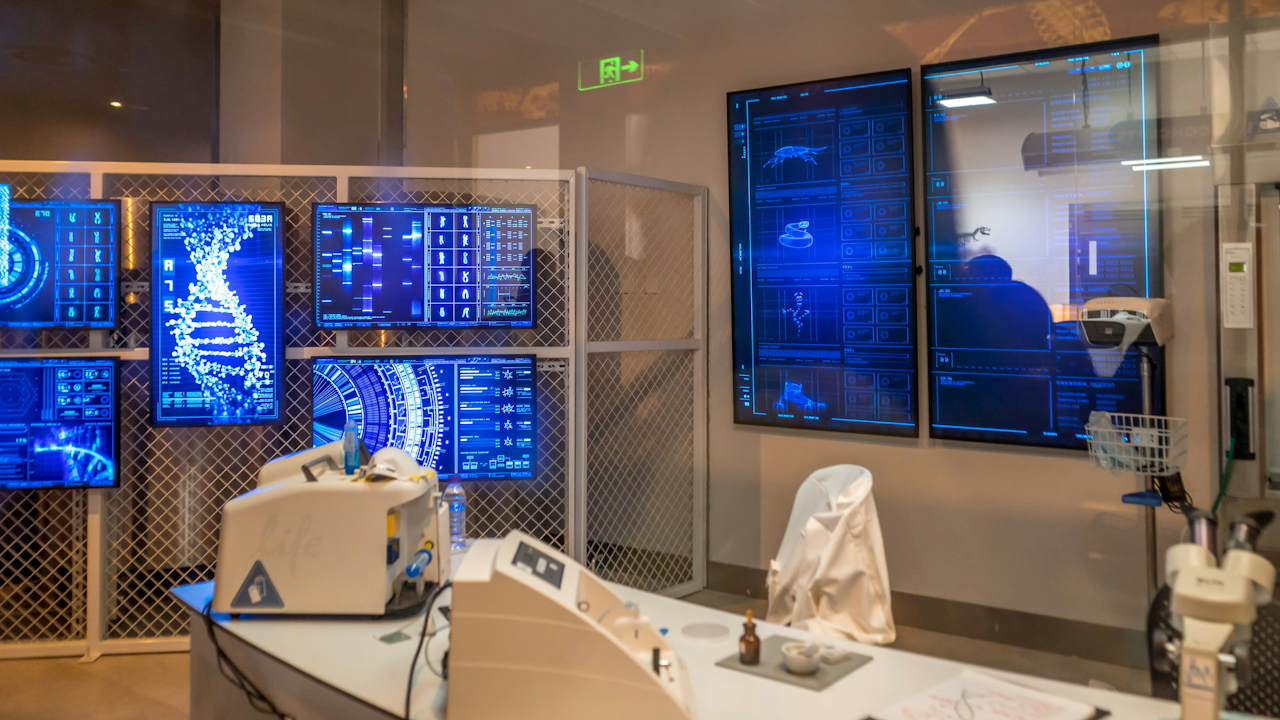
Synthetic biology stands at the intersection of biology, engineering, and computer science. It treats living systems as programmable machines that can be designed, built, and optimized for human purposes. Rather than merely observing or modifying existing organisms, synthetic biologists aim to create novel biological functions from standardized genetic components. This field promises solutions to pressing global challenges in medicine, agriculture, energy, and environmental sustainability.
Foundations of Synthetic Biology
At its core, synthetic biology applies engineering principles—modularity, standardization, abstraction, and predictability—to biological systems. Biologists have long manipulated DNA through recombinant techniques, but synthetic biology scales this up dramatically. Researchers assemble genetic “parts” like promoters, ribosome binding sites, coding sequences, and terminators into functional “devices” and “circuits” that perform logical operations inside cells.
The central dogma of molecular biology—DNA makes RNA makes protein—provides the blueprint. Synthetic biologists rewrite this script. They design synthetic DNA sequences, insert them into host organisms (chassis), and program cells to produce medicines, fuels, materials, or sensors. The goal is to make biology as predictable and engineerable as electronics or mechanical systems.
Key enabling technologies include:
- DNA synthesis and assembly: Chemical synthesis of custom DNA strands up to thousands of base pairs long, followed by methods like Gibson Assembly or Golden Gate cloning to stitch them together.
- Genome editing tools: CRISPR-Cas systems allow precise cuts and edits in living genomes with unprecedented accuracy.
- Computational modeling: Software predicts how genetic circuits will behave before construction, reducing trial-and-error.
- High-throughput screening: Automated robotics test thousands of genetic variants rapidly.
Historical Development
Synthetic biology emerged in the early 2000s, building on decades of genetic engineering. In 1973, Herbert Boyer and Stanley Cohen created the first recombinant DNA organism. The 1980s and 1990s brought polymerase chain reaction (PCR), automated DNA sequencing, and the Human Genome Project.
The modern field crystallized with two landmark papers in 2000. Researchers at Boston University and Princeton constructed the first synthetic genetic circuits: a genetic toggle switch and a repressilator (a ring of three genes that produces oscillating protein levels). These demonstrated that biology could follow engineering logic.
In 2003, the MIT Registry of Standard Biological Parts launched, promoting standardized “BioBricks” compatible with each other. The iGEM (International Genetically Engineered Machine) competition, started in 2004, introduced thousands of students worldwide to the field. By 2010, Craig Venter’s team synthesized the genome of Mycoplasma mycoides and booted it inside a recipient cell, creating the first organism with a fully synthetic genome.
Advances accelerated with CRISPR-Cas9 in 2012, which democratized precise genome editing. Costs of DNA synthesis plummeted, following a trend even steeper than Moore’s Law. Today, companies synthesize entire bacterial genomes on demand.
Core Techniques and Building Blocks
Synthetic biologists work with hierarchical levels of complexity:
- Parts: Minimal functional units like promoters (control transcription), enhancers, insulators, and terminators. Characterized libraries exist with well-measured strengths and behaviors.
- Devices: Combinations of parts that perform specific functions, such as logic gates (AND, OR, NOT), sensors that detect environmental signals, or actuators that produce outputs like fluorescence or enzymes.
- Circuits: Interconnected devices that execute complex programs, including memory modules, counters, or feedback loops for homeostasis.
- Chassis: Host cells optimized for engineering. Common ones include Escherichia coli, Saccharomyces cerevisiae (yeast), and emerging non-model organisms like cyanobacteria or plant cells. Researchers strip chassis of unnecessary genes to reduce metabolic burden and improve predictability.
Metabolic engineering, a close cousin, redesigns cellular pathways to overproduce compounds. The mevalonate pathway in yeast, for example, has been extensively rewired to produce artemisinin precursors for antimalarial drugs. Cell-free systems—extracts containing transcription-translation machinery without living cells—allow rapid prototyping without containment issues.
Directed evolution complements rational design. Researchers generate vast libraries of genetic variants and apply selection pressure so functional ones survive and amplify.
Major Applications
Medicine and Therapeutics
Synthetic biology revolutionizes drug production and delivery. Engineered microbes produce complex molecules like opioids, cannabinoids, or vaccines more sustainably than traditional chemistry or farming. CAR-T cell therapies, where patient immune cells are reprogrammed to attack cancer, represent clinical synthetic biology. Bacteria and viruses are engineered as living therapeutics that seek out tumors or deliver drugs in response to disease signals.
Diagnostic circuits detect pathogens or biomarkers and produce visible or measurable outputs. “Living pills” containing engineered bacteria could treat gut disorders by sensing inflammation and releasing anti-inflammatory compounds.
Agriculture and Food
Engineered crops resist pests, drought, or salinity with precision. Nitrogen-fixing bacteria reduce fertilizer needs. Synthetic meat and dairy from cultured cells or engineered microbes address ethical and environmental concerns of animal agriculture. Companies engineer yeast to produce milk proteins or heme for plant-based burgers.
Bioenergy and Sustainability
Microbes convert sunlight, CO2, or waste into fuels, plastics, or chemicals. Photosynthetic cyanobacteria or algae are programmed for higher efficiency. Engineered bacteria break down plastics or pollutants in bioremediation. Carbon-negative materials, such as spider silk or mycelium composites grown in vats, replace petroleum-based products.
Materials and Manufacturing
Biological systems excel at precise nanoscale assembly. Bacteria produce high-strength, biodegradable materials like bacterial cellulose or synthetic spider silk. Engineered organisms create self-healing concrete, conductive biofilms, or color-changing fabrics.
Space Exploration and Extreme Environments
Synthetic biology supports long-duration space missions by engineering organisms that recycle waste, produce food, or generate oxygen from Martian regolith. Radiation-resistant chassis or extremophile-derived parts enable biology in harsh conditions.
Tools and Infrastructure
Open-source platforms accelerate progress. The iGEM Registry contains thousands of parts. Benchling and other cloud software manage designs. Automated foundries like Ginkgo Bioworks test designs at massive scale. Machine learning models now predict protein structures (AlphaFold) and optimize genetic sequences.
Standards like SBOL (Synthetic Biology Open Language) ensure designs are shareable and reproducible. Community efforts promote safety through built-in kill switches or auxotrophy (dependence on lab-supplied nutrients).
Challenges and Limitations
Despite successes, biology remains complex. Context dependence—where the same part behaves differently in new hosts or environments—frustrates predictability. Evolutionary pressure can mutate engineered circuits. Scaling from lab to industrial production encounters metabolic burdens, toxicity, and regulatory hurdles.
Intellectual property issues arise with patented parts and chassis. Standardization lags compared to electronics, partly because living systems are noisy and stochastic.
Ethical, Safety, and Regulatory Considerations
Synthetic biology raises profound questions. Dual-use risks mean technologies for good can be weaponized. Gain-of-function research on pathogens requires strict oversight. Environmental release of engineered organisms demands careful assessment of gene flow and ecological impacts.
Biosafety levels, containment strategies, and “kill switches” mitigate accidental release. International frameworks like the Biological Weapons Convention apply, but enforcement lags technological pace. Public engagement is essential to build trust.
Equity concerns focus on access. Will benefits reach developing nations, or concentrate in wealthy companies? Intellectual property and benefit-sharing models need attention.
Philosophical debates question “playing God” or redefining life. Most practitioners view synthetic biology as continuous with millennia of selective breeding and genetic modification, but with greater power and precision.
Future Prospects
The field moves toward increasingly complex systems. Whole-genome synthesis will enable designer organisms from scratch. Multi-cellular synthetic systems could yield artificial tissues or organisms with novel metabolisms. Integration with artificial intelligence will automate design cycles.
Convergence with nanotechnology, robotics, and quantum sensing may produce hybrid bio-machines. Personalized medicine could use patient-specific engineered cells. Climate solutions might include massive carbon-capturing microbial factories or re-engineered forests.
By 2030–2040, synthetic biology could contribute trillions to the global economy through bio-manufacturing. It may help achieve sustainable development goals by decoupling growth from resource depletion.
Conclusion
Synthetic biology transforms humanity’s relationship with life. Instead of extracting resources from nature, we partner with it as co-creators. By engineering life’s building blocks—nucleotides, genes, circuits, and genomes—we gain tools to heal, feed, power, and sustain our world more intelligently.
Success depends on responsible stewardship. Open science, robust safety practices, ethical reflection, and inclusive governance will determine whether synthetic biology fulfills its promise. As we gain mastery over the molecular machinery of life, we also accept the responsibility that comes with such power. The coming decades will test our ability to engineer biology wisely for the benefit of all.