

Alcohol has long held a central place in human culture, from ancient rituals to modern social gatherings. Yet in recent years, a quiet but powerful shift has taken place. More people are choosing to live without alcohol, embracing what is often called sober living or an alcohol-free lifestyle. This movement is not about prohibition or judgment. Instead, it reflects a growing awareness of personal well-being, mental clarity, and authentic connection. Sober living means different things to different people. For some, it is complete abstinence. For others, it is mindful moderation or periods of intentional sobriety. What unites participants is a deliberate choice to step away from a substance that no longer serves them.
The statistics tell a compelling story. Surveys from organizations tracking drinking habits show a notable decline in alcohol consumption among younger adults. In many Western countries, the percentage of people aged 18 to 34 who report drinking regularly has dropped significantly compared to previous generations. Terms like “sober curious” have entered everyday language, describing individuals who question their relationship with alcohol without necessarily labeling themselves as sober. This curiosity has fueled a broader cultural conversation about the true costs of drinking.
Several factors drive this rise. Health concerns top the list. Medical research consistently links even moderate alcohol use to increased risks of cancer, liver disease, cardiovascular problems, and disrupted sleep. The World Health Organization has classified alcohol as a Group 1 carcinogen, placing it alongside tobacco and asbestos in terms of cancer-causing potential. As public understanding of these risks grows, many people reconsider their habits. Social media platforms amplify this awareness, with influencers and everyday users sharing stories of improved energy, clearer skin, better focus, and deeper relationships after quitting.
Mental health plays an equally important role. Alcohol is a depressant that can worsen anxiety and depression over time, even if it provides temporary relief. In an era of heightened awareness around mental wellness, people seek tools that support long-term emotional stability rather than short-term numbing. The COVID-19 pandemic accelerated this trend. Isolation, uncertainty, and disrupted routines led many to examine their coping mechanisms. For some, increased home drinking during lockdowns revealed problematic patterns. For others, the return to normal life created space to pursue healthier alternatives.
Generational differences stand out clearly. Generation Z and younger Millennials show markedly different attitudes toward alcohol than Baby Boomers or Generation X. Many young people prioritize fitness, mindfulness, and productivity. They view heavy drinking as incompatible with these goals. Campus culture has shifted too. While partying remains part of college life, sober events and substance-free housing options have expanded. Social media stars and athletes openly discuss their sobriety journeys, providing role models who prove that fun and success do not require alcohol.
Celebrity influence has helped destigmatize sober living. High-profile figures from entertainment, sports, and business have shared their stories publicly. Actors, musicians, and entrepreneurs describe how sobriety unlocked creativity, improved relationships, and boosted professional performance. These narratives counter the outdated notion that sobriety equals boredom or deprivation. Instead, they highlight richness and possibility. Books, podcasts, and documentaries on the topic have proliferated, creating a supportive ecosystem for those exploring change.
The benefits of alcohol-free living extend across multiple dimensions. Physically, people often report better sleep quality within days or weeks of stopping. Liver function improves, blood pressure stabilizes, and immune systems strengthen. Weight management becomes easier without the empty calories from drinks. Skin clarity and eye brightness return as dehydration and inflammation decrease. Many experience steadier energy levels throughout the day, free from the afternoon crashes or morning hangovers that once felt normal.
Mentally and emotionally, the gains can feel profound. Without alcohol’s interference, individuals develop stronger emotional regulation skills. Anxiety decreases for many as the brain chemistry stabilizes. Memory, concentration, and decision-making sharpen. Relationships deepen when interactions occur without the haze of intoxication. People report feeling more present with family and friends, engaging in conversations with genuine curiosity rather than performative social lubrication.
Financial advantages add another incentive. Regular drinking adds up quickly. A person spending thirty dollars weekly on alcohol or bar tabs accumulates over fifteen hundred dollars annually. Redirecting those funds toward travel, hobbies, education, or savings creates tangible improvements in quality of life. Career trajectories can benefit too. Sober individuals often advance faster because they show up consistently, think clearly in meetings, and build reputations for reliability.
Social challenges remain real. Alcohol permeates many cultural rituals, from weddings and holidays to business networking events. Declining a drink can invite questions or awkwardness. Some sober individuals face pressure from friends or family who feel their own habits indirectly challenged. Navigating these situations requires communication skills and boundary-setting. Many find success by offering alternatives, such as bringing non-alcoholic beverages to gatherings or suggesting activities that do not center on drinking.
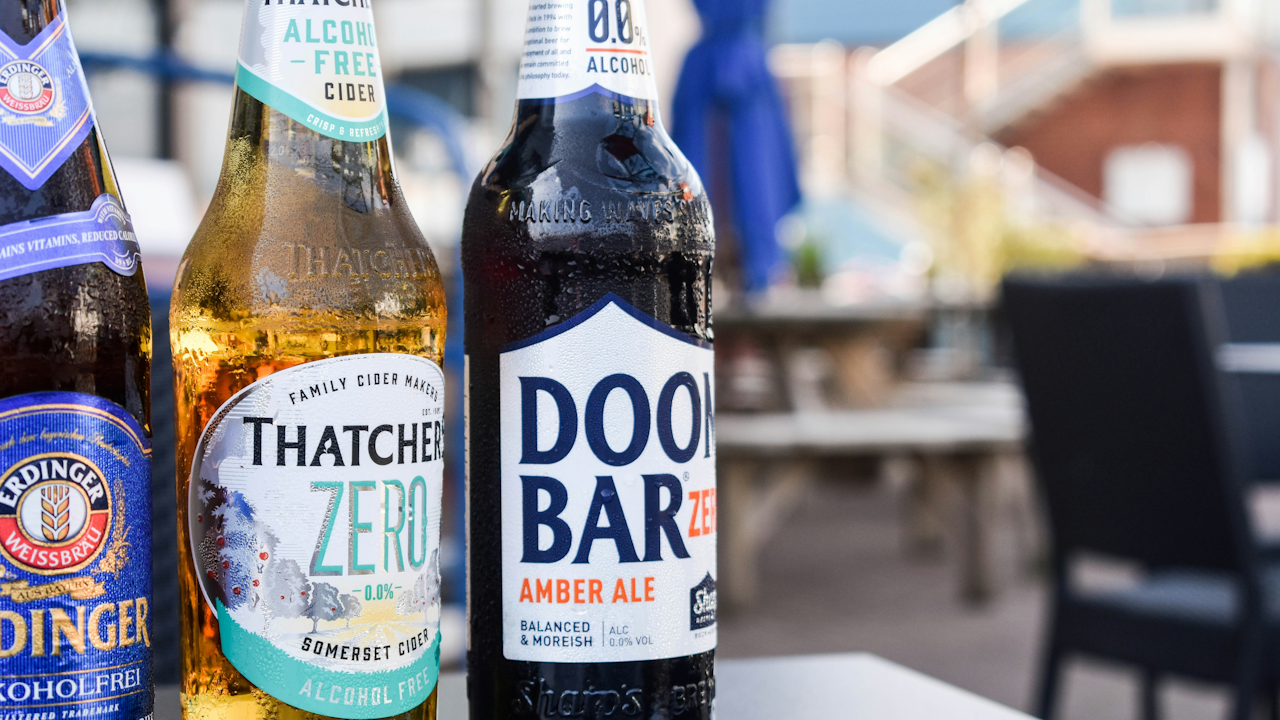
Communities have emerged to support the transition. Online forums, local meetup groups, and sober social clubs provide spaces where people connect without alcohol. Fitness studios, hiking clubs, and creative workshops attract those seeking meaningful interaction. The hospitality industry has responded with innovation. Sober bars and alcohol-free sections in restaurants now feature sophisticated mocktails crafted with premium ingredients, herbs, and fermentation techniques. Non-alcoholic beer, wine, and spirits have improved dramatically in quality, offering sensory experiences that mirror their alcoholic counterparts without the effects.
Apps and technology support the movement. Tracking applications help users monitor alcohol-free days and celebrate milestones. Meditation and mindfulness platforms offer guided practices tailored to those managing cravings or building new habits. Virtual communities allow global connection, reducing isolation for those in areas with fewer local resources.
Sober living intersects with broader wellness trends. It aligns with plant-based eating, regular exercise, quality sleep, and mental health practices. Many who adopt alcohol-free lifestyles report a holistic transformation, where one positive change reinforces others. Corporate wellness programs increasingly include alcohol education and support for employees seeking change. Some companies even offer incentives for participation in sober challenges.
Scientific research continues to illuminate the mechanisms behind these improvements. Brain imaging studies show that alcohol disrupts neural pathways involved in reward, motivation, and impulse control. Abstinence allows these systems to recalibrate, often leading to natural increases in dopamine from healthy activities like exercise or creative pursuits. Longitudinal studies track cohorts over years, revealing lower rates of chronic disease and higher reported life satisfaction among those who maintain low or no alcohol consumption.
Critics sometimes dismiss the sober curious movement as performative or temporary. Yet data suggests many participants sustain their choices long-term. A significant portion report that after an initial adjustment period, they have no desire to return to previous patterns. Others practice moderation successfully, using periods of abstinence to reset and reflect. The movement emphasizes personal agency rather than rigid rules.
Challenges persist for those with alcohol use disorder. Professional treatment, therapy, and support groups like Alcoholics Anonymous remain essential resources. Sober living homes provide structured environments for early recovery. Public policy conversations increasingly focus on prevention, education, and accessible treatment rather than solely on criminalization or taxation.
Looking ahead, the trajectory appears strong. As younger generations age and influence cultural norms, alcohol-free options will likely become even more mainstream. Technology may introduce new tools, such as personalized coaching based on genetic or biomarker data. The food and beverage industry will continue innovating, potentially creating products that satisfy social and sensory needs without health trade-offs.
Sober living represents more than the absence of alcohol. It embodies a commitment to intentional living, self-awareness, and genuine connection. People who embrace it often describe feeling more alive, more connected to their values, and more capable of pursuing what matters most. The rise of alcohol-free lifestyles signals a cultural maturation, one that values well-being over tradition when those two conflict.
This evolution does not mean the end of celebration or relaxation. Humans will always seek joy, community, and ways to mark important moments. The difference lies in the tools chosen to achieve those ends. Mocktail toasts, dawn hikes, deep conversations, artistic expression, and physical challenges all provide fulfillment without the downsides of intoxication. As more people discover these alternatives, the definition of a good time expands.
Ultimately, sober living invites reflection on what constitutes a full life. It challenges assumptions about pleasure, productivity, and social belonging. For growing numbers of individuals, the choice to live alcohol-free has opened doors to experiences richer than they previously imagined. The movement continues to gain momentum, reshaping personal habits and societal expectations in the process. Whether through complete abstinence, mindful moderation, or periodic resets, the pursuit of clarity and health drives this quiet revolution forward.