

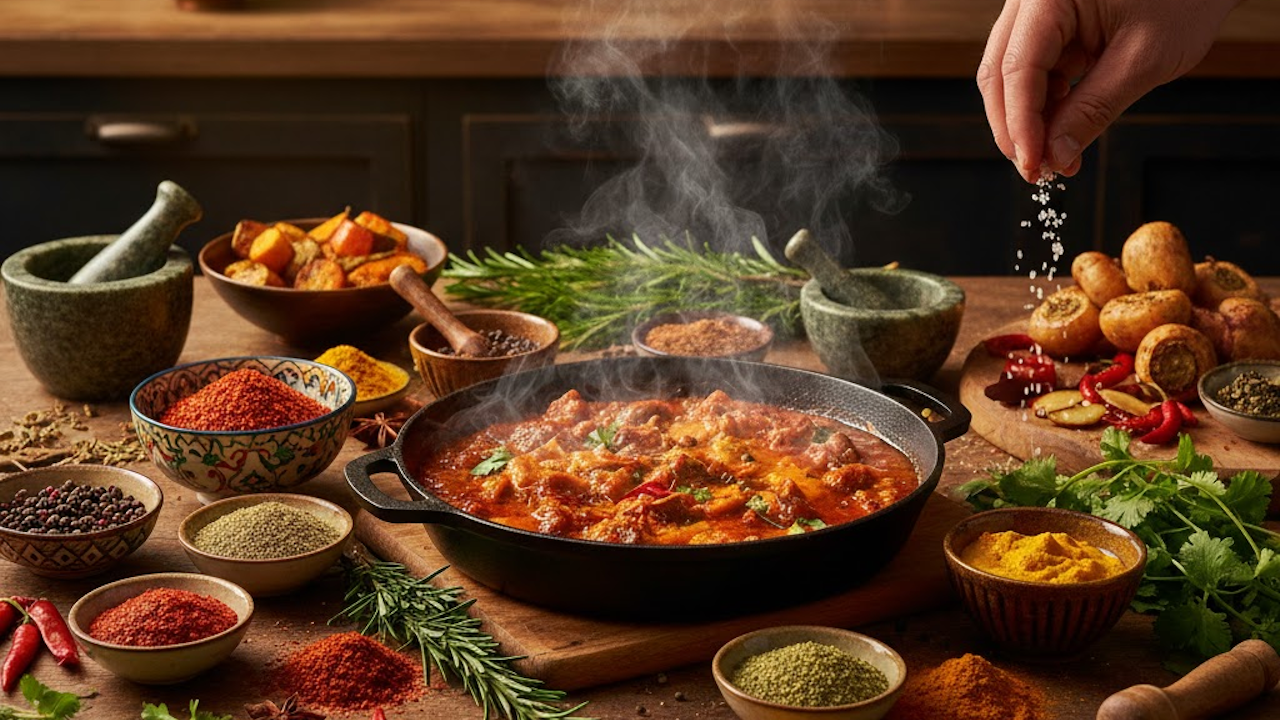
Kitchens across the planet are growing hotter, and not just from the stove. A wave of bold, aromatic seasonings from every corner of the globe is transforming everyday meals into something far more exciting. What once sat on the margins of Western pantries has moved to center stage. Chili pastes, fragrant seed blends, citrusy powders, and complex spice mixes are no longer special occasion ingredients. They are becoming daily essentials for cooks who want deeper flavor without complicated techniques.
This shift reflects more than a passing food trend. It signals a broader change in how people eat, shop, and think about taste. Global migration, social media, online specialty retailers, and a growing interest in healthful eating have all played roles. The result is a more adventurous home cook who reaches for gochujang as readily as ketchup and who understands that a pinch of sumac can brighten a salad the way lemon juice once did.
The long road from rarity to pantry staple
Spices have always carried stories of power, trade, and desire. For centuries, black pepper, cinnamon, cloves, and nutmeg were among the most valuable commodities on earth. European powers fought wars over them. Empires rose and fell on the control of spice routes. In many cultures, these ingredients remained everyday tools rather than luxuries. Indian households have long kept jars of turmeric, cumin, coriander, and mustard seeds within easy reach. Middle Eastern cooks have relied on zaatar and baharat for generations. West African kitchens have used grains of paradise and dried chilies as ordinary seasonings.
What has changed is access and curiosity. In the past two decades, ingredients once limited to ethnic markets or specialty stores have entered mainstream grocery aisles. Supermarkets now stock multiple varieties of chili pastes, smoked paprikas, and ready-made curry powders. Online shops deliver rare items such as Kashmiri chili powder, Ethiopian berbere, or Japanese shichimi togarashi to almost any address. Cooks who once felt limited to dried oregano and garlic powder suddenly have an entire world of flavor at their fingertips.
The new favorites heating up home cooking
Certain seasonings have broken through more forcefully than others. Korean gochujang, a fermented chili paste with a deep, savory sweetness, has become a go-to for marinades, stews, and even scrambled eggs. Its combination of heat, umami, and slight stickiness makes it remarkably versatile. Japanese togarashi, a blend of chili, orange peel, sesame, and nori, adds bright heat and texture to noodles, rice, and grilled fish. Chinese chili crisp, with its crunchy bits of fried garlic and onion suspended in spicy oil, has inspired countless copycat versions and late-night pantry raids.
From the Middle East and North Africa come several stars. Zaatar, a mixture of thyme, sumac, sesame seeds, and salt, turns simple flatbreads, roasted vegetables, and labneh into something memorable. Sumac itself, with its tangy, lemony sharpness, has replaced vinegar or citrus in many dressings and rubs. Harissa, the fiery North African chili paste, brings heat and complexity to soups, roasted meats, and even mayonnaise. Ras el hanout, the elaborate Moroccan blend whose name means “head of the shop,” varies by maker but often includes rose petals, cinnamon, and dozens of other spices, lending depth to tagines and roasted carrots alike.
Latin American seasonings have also gained ground. Mexican chili powders made from ancho, guajillo, or chipotle peppers offer smoke, fruitiness, and varying levels of heat. Adobo seasoning, with its garlic, oregano, and citrus notes, works as both a dry rub and a marinade base. Peruvian aji amarillo paste delivers fruity heat that pairs beautifully with seafood and potatoes. Further south, Argentine and Chilean cooks have long used merken, a smoked chili and coriander blend from the Mapuche people, which is now finding fans far beyond its origin.
African spice traditions are receiving overdue attention. Ethiopian berbere, a fiery red blend of chilies, garlic, ginger, and fenugreek, forms the backbone of many stews. West African suya spice, built around ground peanuts, ginger, and cayenne, transforms grilled meats. South African peri-peri, with its bright, vinegary heat, has moved from restaurant menus into home grills and marinades.
Even European seasonings are being rediscovered or reinterpreted. Spanish smoked paprika, or pimenton, comes in sweet, bittersweet, and hot varieties and adds depth to everything from scrambled eggs to braised greens. Hungarian paprika remains essential for goulash but is also being used more creatively in spice rubs. Herbes de Provence and Italian seasoning blends continue to evolve as cooks experiment with fresher, more aromatic versions.
Why the timing feels right
Several forces have converged to make this moment possible. Travel, even when limited by cost or circumstance, has exposed more people to unfamiliar flavors. Food media and social platforms have accelerated discovery. A single video of someone stirring gochujang into buttered noodles can reach millions and send viewers searching for the ingredient the next day. Recipe developers and cookbook authors have responded by treating global seasonings as foundational rather than exotic.
Health considerations also play a role. Many of these spices and pastes deliver flavor without relying solely on salt or sugar. Turmeric’s curcumin, the heat of chilies, the antioxidants in sumac, and the anti-inflammatory properties associated with ginger and garlic have all received attention in popular nutrition writing. While no single spice is a miracle cure, the collective shift toward more plant-based and spice-forward cooking aligns with broader interest in eating for wellness.
Practicality matters too. Fermented pastes and complex blends pack concentrated flavor into small amounts. A teaspoon of berbere or a spoonful of chili crisp can transform a simple pot of beans or a sheet pan of vegetables. Busy cooks appreciate ingredients that deliver big results with minimal effort. The rise of meal kits and prepared spice blends has further lowered the barrier to entry.
Bringing global heat into everyday meals
Adopting these seasonings does not require a complete overhaul of cooking habits. Small experiments often prove most successful. Stir a spoonful of harissa into mayonnaise for a sandwich spread. Sprinkle zaatar over roasted cauliflower or mixed into olive oil for dipping bread. Add a pinch of smoked paprika to scrambled eggs or roasted potatoes. Mix gochujang with a little honey and soy sauce for a quick glaze on chicken or tofu.
Balance remains important. Many of these ingredients carry heat, acidity, or bitterness that can overwhelm if used carelessly. Starting with smaller amounts and tasting as you go prevents disappointment. Pairing bold spices with cooling elements such as yogurt, coconut milk, or fresh herbs helps create harmony. Learning a few classic combinations, such as cumin with coriander or chili with lime, provides a foundation for improvisation.
Storage and freshness also deserve attention. Whole spices keep their flavor longer than pre-ground versions. Buying smaller quantities more frequently ensures potency. Pastes and fermented products usually need refrigeration after opening. Labeling jars with purchase dates helps avoid the dusty spice graveyard that many pantries eventually become.
The cultural conversation around spices
As these ingredients gain popularity, questions of appropriation and respect surface. Using a seasoning does not require claiming expertise in the cuisine that created it. Learning a bit of context, acknowledging origins, and supporting producers when possible adds depth to the experience. Many spice companies now work directly with farming communities and highlight the stories behind their products. Choosing those brands can turn a simple purchase into a small act of connection.
At the same time, food has always traveled and adapted. Dishes evolve as they move. The goal is not rigid authenticity but thoughtful exploration. A cook in Minneapolis can use berbere in a vegetarian chili without pretending to recreate an Ethiopian feast. The key is curiosity rather than performance.
Looking ahead
The momentum shows little sign of slowing. Newer ingredients continue to appear on the horizon. Filipino banana ketchup, Thai prik nam pla, Georgian adjika, and various regional Indian spice mixes are gaining wider notice. Climate change and shifting agricultural patterns may affect availability and pricing of certain crops, making sustainable sourcing more important. Home cooks who grow a few herbs or experiment with drying and blending their own mixes gain both flavor and resilience.
Ultimately, the excitement around global seasonings reflects a simple truth: people want food that tastes alive. Salt and pepper will always have their place, but the world of flavor is far larger. A well-stocked spice shelf offers endless possibilities for creativity, comfort, and discovery. Whether it is a pinch of sumac brightening a salad, a spoonful of gochujang deepening a stew, or a dusting of berbere transforming roasted vegetables, these ingredients invite cooks to play, to taste, and to connect with traditions far beyond their own kitchens.
The heat is on, and it is welcome. Kitchens that once felt limited by familiar flavors are now open to the full spectrum of the world’s seasonings. The only real requirement is a willingness to open a jar, take a careful sniff, and see what happens next.