

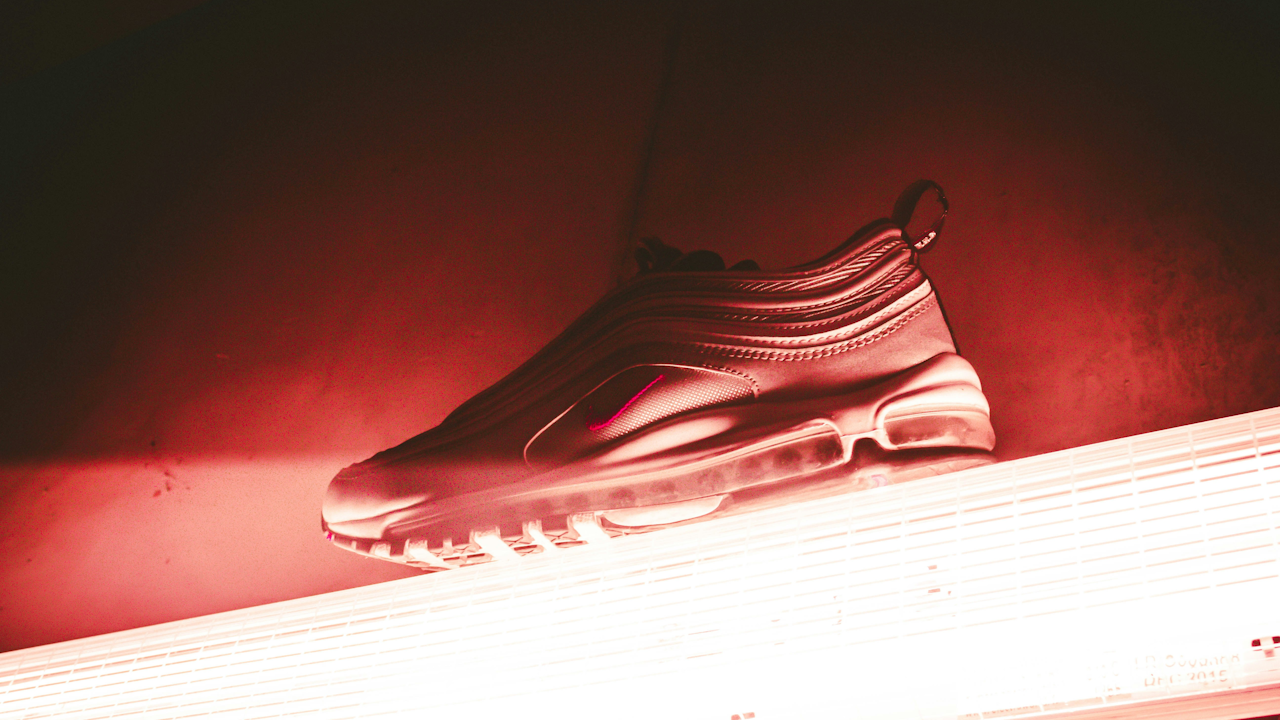
The sneaker economy represents one of the most dynamic intersections of fashion, culture, and finance in the modern consumer landscape. Limited-edition sneakers, often called kicks in street vernacular, have evolved from functional footwear into tradable assets that can appreciate or depreciate based on scarcity, cultural relevance, and market sentiment. What began as a niche hobby among enthusiasts has ballooned into a multi-billion-dollar secondary market where rare pairs fetch thousands or even tens of thousands of dollars. In 2026, however, the sector stands at a crossroads. While some legacy brands show signs of recovery and select collaborations continue to deliver strong returns, broader reports indicate cooling resale premiums and unsold inventory piling up on shelves. This article examines the sneaker economy in depth. It covers its historical roots, operational mechanics, investment potential, notable case studies, inherent risks, and prospects ahead.
The origins of sneaker collecting trace back to the 1980s when Nike launched the Air Jordan line in partnership with basketball superstar Michael Jordan. Prior to that, sneakers were primarily athletic gear sold at modest prices through sporting goods stores. The Air Jordan 1, released in 1985, changed everything. Its bold design and association with a cultural icon created instant demand. Retailers struggled to keep stock, and early adopters began trading pairs informally in schoolyards and urban markets. By the 1990s and early 2000s, the culture expanded with brands like Adidas introducing Yeezy prototypes and collaborations such as Supreme x Nike. These drops fostered a sense of exclusivity. Fans camped outside stores or entered lotteries for the chance to buy at retail prices around 100 to 200 dollars.
The true explosion occurred in the mid-2010s with the rise of digital platforms and social media. Instagram and sneaker-specific forums amplified hype around limited releases. Apps like Nike SNKRS turned drops into events, while resale marketplaces professionalized the secondary trade. StockX, founded in 2016, modeled its platform after a stock exchange with bid-ask spreads, price charts, and authentication services. GOAT followed a similar path, emphasizing verified authenticity and user-friendly apps. These innovations transformed sneakers into liquid assets. Buyers could purchase with confidence knowing fakes were minimized, and sellers gained access to global demand. The sneaker economy matured rapidly. What was once barter-style trading among locals became a sophisticated resale industry valued in the billions.
Today, the mechanics of value creation in limited-edition kicks rely on deliberate scarcity. Brands produce runs of a few hundred to a few thousand pairs for hyped collaborations, far below overall demand. Factors driving premium pricing include celebrity endorsements, cultural moments, colorway rarity, and condition. Deadstock pairs in original boxes with tags command the highest values. Platforms grade items meticulously, often using scales from 1 to 10 for wear. A pristine pair might resell for two to five times retail, while worn examples trade at discounts. Supply and demand dynamics play out in real time. A sold-out drop signals strong secondary interest, encouraging more buyers to enter the resale pool.
Market data from 2025 and early 2026 reveals a nuanced picture. The broader global sneakers market reached approximately 87 billion dollars in 2025 and is projected to hit 92 billion dollars by the end of 2026, with steady growth expected through the next decade. The limited-edition segment within resale shows parallel expansion potential. One analysis pegs the limited-edition sneakers market at 3.5 billion dollars in 2025, forecasted to reach 7.8 billion dollars by 2033 at a compound annual growth rate of 9.5 percent. Another estimate places the sneaker and streetwear resale financial products sector at 3.6 billion dollars in 2025, with ambitious projections toward 34 billion dollars by 2034. StockX reported that nearly 200 brands achieved all-time annual sales records on its platform in 2025. Nike and Jordan Brand posted modest price recoveries of 5 percent and 6 percent year-over-year after earlier softness.
Despite these positives, challenges persist. NPR coverage in early 2026 highlighted a tanking resale market, with once-hot pairs sitting unsold and premiums evaporating for many standard releases. Data from resale platforms indicates that only 47 percent of new sneaker releases traded above retail in 2024, down from 58 percent in 2020. Oversupply from brands chasing volume, combined with economic pressures on younger buyers, has compressed margins for flippers. Emerging trends favor lifestyle-oriented silhouettes over pure hype. Brands like Mizuno surged 124 percent in StockX sales, driven by chunky designs, while New Balance and ASICS gained traction for approachable, everyday appeal.
Investment strategies in the sneaker economy vary by risk tolerance and capital. Entry-level participants often focus on retail copping through apps or raffles, then flipping quickly for 20 to 50 percent gains. This requires speed, bots for high-demand drops, and knowledge of release calendars. More patient investors adopt a hold strategy, targeting vintage or ultra-rare pairs expected to appreciate over years. Factors favoring long-term value include historical significance, low production numbers, and crossover appeal to fashion or art collectors. Diversification matters. Rather than betting on a single hyped collab, seasoned collectors build portfolios across brands and eras.
Success stories illustrate the upside. The Nike Dunk SB Low Paris, released in tiny quantities decades ago, has resold for upwards of 24,000 pounds in recent years, representing extraordinary multiples on its original modest retail price. Vintage Air Jordan 1 Chicago OGs from the 1980s routinely exceed 16,000 pounds on secondary markets due to their cultural legacy and scarcity. Travis Scott collaborations with Nike and Jordan Brand remain benchmarks. Pairs like the Air Jordan 4 Retro Travis Scott Purple Friends and Family have traded above 26,000 dollars, with some European listings pushing past 41,000 dollars. Even more accessible modern releases, such as certain New Balance 550 or 990 models, have doubled or tripled in value within months when limited editions align with broader style shifts.
These examples underscore how collaborations with musicians, designers, or luxury houses amplify returns. Louis Vuitton x Nike, Dior x Jordan, and similar high-profile tie-ups create hybrid luxury objects that appeal beyond traditional sneakerheads. Anniversary editions and first-time colorways on iconic silhouettes also tend to outperform. Yet not every drop succeeds. Restocks of popular models, such as certain Air Jordan 1 Retros, have caused immediate 35 percent price drops overnight.
Risks in sneaker investing are substantial and multifaceted. Market volatility tops the list. Economic downturns reduce discretionary spending among core demographics of 18- to 34-year-olds. Brand decisions to increase production or re-release classics can flood supply and crash values. Counterfeit goods remain a persistent threat despite authentication technologies on major platforms. Fees erode profits. StockX, GOAT, and eBay charge commissions ranging from 8 to 19 percent, plus shipping and payment processing costs. Storage and insurance add overhead for serious collectors maintaining large inventories.
Liquidity varies. Ultra-rare pairs may take months to sell at peak prices, while common releases move quickly but at slim margins. Condition sensitivity poses another hazard. Even minor creasing or box damage can slash resale value by 30 to 50 percent. Taxation complicates matters in many jurisdictions, where frequent flipping may classify gains as ordinary income rather than capital gains. Finally, cultural fatigue or shifting tastes can render yesterday’s must-have obsolete. The 2026 narrative of a potential end to the sneakerhead era reflects these pressures, though resilient categories like performance basketball and lifestyle runners continue to find buyers.
Looking ahead, the sneaker economy is evolving rather than collapsing. Brands appear to be recalibrating toward scarcity after years of oversaturation. StockX analysts predict stabilization and selective recovery for Nike and Jordan releases if production discipline returns. Emerging categories such as gorpcore hiking-inspired designs and hybrid performance-lifestyle shoes from Salomon or Saucony may drive new growth. Sustainability concerns could reshape the market. Resellers increasingly highlight eco-friendly materials or recycled components as value-adds, while refurbished sneaker segments expand at a 9 percent compound annual growth rate.
Digital integration offers another frontier. While pure NFT sneakers have not dominated as once hyped, brands experiment with blockchain for provenance tracking and digital twins paired with physical pairs. This hybrid model could enhance authenticity and create additional utility layers for owners, such as exclusive access to future drops or community events. Corporate adoption of tokenized assets in fashion suggests potential for sneaker-linked financial products, though widespread mainstream traction remains uncertain.
Demographic shifts will influence the sector. Gen Z buyers prioritize value, versatility, and social signaling over pure hype. They favor accessible price points around 100 to 150 dollars for daily wear, boosting volume in mid-tier models while pressuring ultra-premium flips. Global expansion beyond traditional U.S. and European hubs into Asia and Latin America could open new demand pools.
In conclusion, limited-edition kicks remain viable as investments for those who approach the sneaker economy with discipline and insight. The era of effortless triple-digit flips on every drop has passed, replaced by a more mature marketplace that rewards research, patience, and selectivity. Core assets like iconic Jordans, strategic collaborations, and culturally resonant silhouettes continue to deliver returns that outpace many traditional alternatives for knowledgeable participants. Yet the risks of depreciation, fees, and external shocks demand caution. New entrants should start small, track real-time data on platforms like StockX, and treat sneakers as part of a diversified collection rather than a get-rich-quick scheme. As the industry adapts to 2026 realities of stabilization and innovation, the sneaker economy endures as a vibrant testament to how consumer culture can create tangible financial opportunities from everyday objects. Success belongs to those who understand not just the kicks themselves, but the broader economic and social currents that propel their value.