

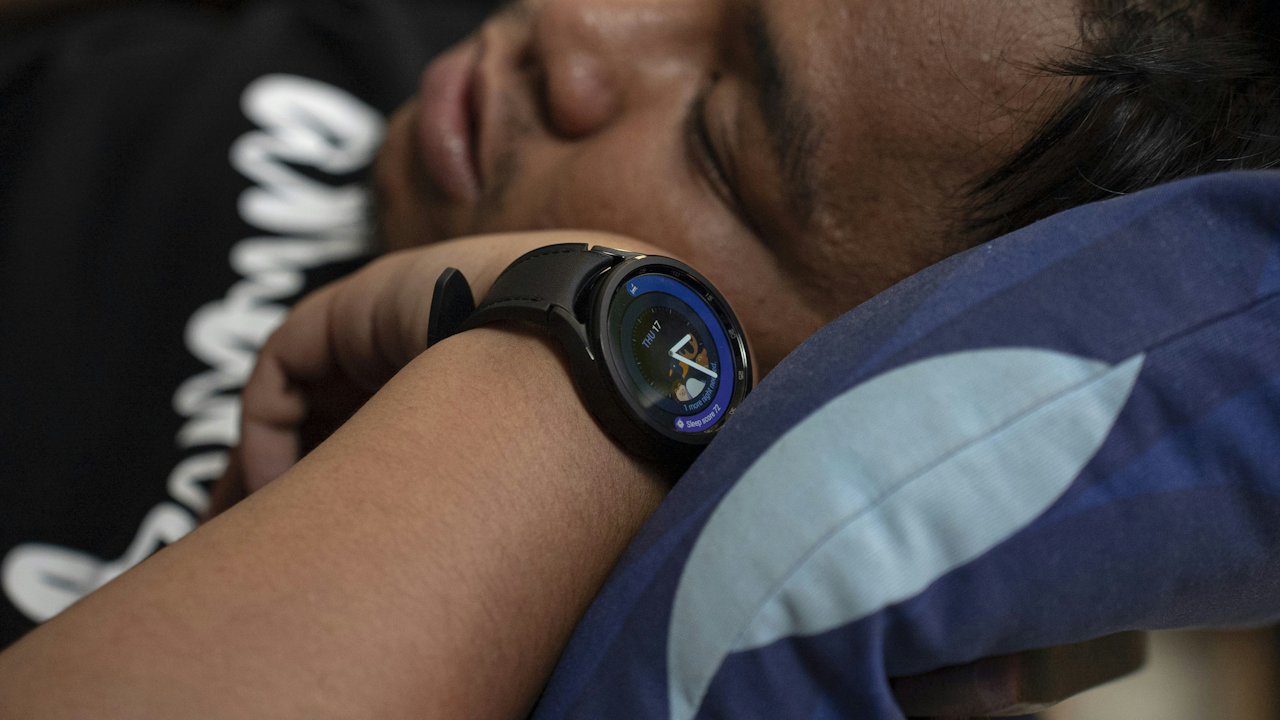
Sleep is fundamental to human health, influencing everything from cognitive function and mood to immune response and cardiovascular wellness. Despite its importance, millions struggle with falling asleep, staying asleep, or achieving restorative rest. Modern sleep technology, often called sleep tech, aims to address these challenges through data-driven insights, environmental optimization, and targeted interventions. From wearable trackers to smart beds, these gadgets promise to transform how we approach nightly recovery. This article explores the landscape of sleep technology, examining popular devices, their mechanisms, benefits, limitations, and emerging trends.
The Science Behind Sleep and Why Tech Matters
Quality sleep consists of multiple cycles, each including light sleep, deep sleep, and rapid eye movement (REM) stages. Disruptions from stress, irregular schedules, blue light exposure, or poor environments can fragment these cycles. Traditional solutions like better habits or medication have limits, which is where technology steps in. Sleep tech devices collect biometric data such as heart rate variability (HRV), movement, breathing patterns, and even brainwave activity to provide personalized recommendations. By quantifying sleep, they help users identify patterns and make informed adjustments.
Many devices integrate with smartphones or dedicated apps, offering dashboards that break down sleep scores, efficiency percentages, and stage breakdowns. This shift toward objective measurement marks a departure from subjective self-reporting, empowering users with actionable intelligence.
Wearable Sleep Trackers
Wearables represent one of the most accessible entry points into sleep tech. Devices like the Oura Ring, Fitbit, Apple Watch, and Whoop strap monitor sleep passively throughout the night.
The Oura Ring, a sleek titanium band, tracks temperature deviations, resting heart rate, and HRV with high precision. It generates a daily readiness score that considers sleep alongside activity and recovery metrics. Users often report better awareness of how late caffeine intake or intense workouts affect their rest. Similarly, the Fitbit lineup uses accelerometers and optical heart rate sensors to estimate time spent in each sleep stage. Advanced models incorporate SpO2 monitoring for blood oxygen levels, useful for detecting potential breathing irregularities.
These wearables shine in longitudinal tracking. Over weeks or months, patterns emerge—such as consistently poor deep sleep on weekdays—prompting lifestyle tweaks. However, accuracy varies. While they excel at detecting movement and heart rate, they are less reliable than clinical polysomnography for precise stage classification. Skin irritation or the need to charge regularly can also deter some users.
Smart Mattresses and Bedding Systems
For those seeking environmental control, smart mattresses and bedding offer a more passive experience. Brands like Eight Sleep, Sleep Number, and Tempur-Pedic have developed beds that adjust automatically.
Eight Sleep’s Pod system integrates a water-based temperature regulation layer into the mattress cover. It cools or warms each side of the bed independently based on user preferences and detected sleep stages. The accompanying app provides detailed sleep reports and can even adjust temperatures dynamically—for instance, cooling the bed during deep sleep to promote longer duration in that restorative phase. Clinical studies and user anecdotes suggest temperature regulation can reduce wakefulness and improve sleep continuity, especially for hot sleepers or those in fluctuating climates.
Adjustable air beds from Sleep Number allow users to customize firmness via an app, with some models tracking sleep metrics through built-in sensors. These systems detect movement and breathing to recommend optimal settings. The advantage lies in full-night support without wearing a device, though the high cost—often thousands of dollars—limits accessibility.
Sound and Light Technologies
Noise and light profoundly impact sleep onset and quality. White noise machines and smart sound devices help mask disruptive sounds. Products like the Hatch Restore or LectroFan generate consistent ambient sounds such as rain, ocean waves, or fan hums. Some models include sunrise simulation alarms that gradually brighten to mimic natural dawn, reducing grogginess compared to abrupt buzzing.
On the light front, circadian lighting systems and dawn simulators align artificial light with the body’s internal clock. Philips Wake-Up Lights and similar devices use gradual illumination to signal morning, supported by research showing that timed light exposure improves sleep-wake cycles. Blue light blockers and smart bulbs that automatically dim in the evening complement these tools by minimizing melatonin suppression from screens.
Temperature and Environment Controllers
Beyond mattresses, standalone climate devices enhance bedrooms. ChiliPad and similar systems circulate cooled or heated water through a mattress pad. Portable air purifiers with HEPA filters and humidity control, such as those from Dyson or Levoit, maintain optimal air quality. Studies link high humidity or allergens to fragmented sleep, making these gadgets valuable for sensitive individuals.
Smart thermostats like Nest or Ecobee integrate with sleep apps to lower room temperature automatically at bedtime, typically targeting 60-67 degrees Fahrenheit (15-19 Celsius), the range many experts recommend for ideal sleep.
Brainwave and Neurofeedback Devices
Advanced sleep tech ventures into direct brain interaction. Headbands like the Muse S or Dreem (now part of another company) use EEG sensors to monitor brain activity in real time. These devices can play adaptive audio—such as guided meditations or pink noise—that responds to detected brain states to promote faster sleep onset or deeper rest.
Some systems claim to enhance slow-wave sleep through gentle auditory stimulation during specific phases. While promising, this category requires more large-scale validation. Users appreciate the detailed brainwave reports, but comfort during sleep and data privacy concerns remain considerations.
Medical-Grade Solutions
For individuals with diagnosed conditions, sleep tech overlaps with medical devices. Continuous Positive Airway Pressure (CPAP) machines have evolved significantly. Modern units from ResMed and Philips are quieter, app-connected, and include humidifiers with climate control. They track compliance and efficacy data, sharing insights with physicians remotely.
Positional therapy devices, such as vibrating wearables that discourage back sleeping for those with positional apnea, provide non-invasive alternatives. Oral appliances and tongue-stabilizing devices also incorporate sensors in newer iterations.
Mobile Apps and Software Ecosystems
Not all sleep tech requires hardware. Applications like Calm, Headspace, and specialized sleep trackers turn phones into comprehensive tools. Features include bedtime stories, breathing exercises, and AI-powered sleep coaching. Some pair with phone microphones and accelerometers for basic tracking, though accuracy suffers compared to dedicated wearables.
Integration across ecosystems matters. Many devices sync with Apple Health, Google Fit, or Strava, creating holistic wellness profiles that correlate sleep with exercise, nutrition, and stress.
Benefits and Evidence
Adopters of sleep tech frequently report improvements in sleep consistency, faster sleep onset, and greater daytime alertness. Data visibility can motivate behavioral changes, such as consistent bedtimes or reduced alcohol consumption. For shift workers or parents of young children, these tools provide objective feedback amid chaotic schedules.
Scientific support varies. Temperature manipulation has strong backing from chronobiology research. Actigraphy from wearables correlates reasonably with lab results for total sleep time and efficiency. However, over-reliance on scores can create anxiety—sometimes called “orthosomnia”—where users obsess over perfect metrics at the expense of relaxation.
Challenges and Considerations
Cost represents a major barrier. Premium devices range from under $100 for basic sound machines to several thousand for smart beds. Battery life, connectivity issues, and software updates require ongoing attention. Data privacy is another concern, as biometric information is highly personal. Users should review company policies on data sharing and storage.
Accuracy limitations persist. No consumer device fully replaces professional sleep studies for diagnosing disorders like insomnia or apnea. Those suspecting medical issues should consult physicians rather than self-diagnose via gadgets.
Future Directions in Sleep Tech
The field continues to advance rapidly. Integration of artificial intelligence promises more predictive capabilities—forecasting sleep quality based on daily inputs and suggesting proactive interventions. Contactless sensors embedded in furniture or walls could eliminate wearables entirely. Advances in materials science may yield self-adjusting fabrics that respond to body heat and moisture.
Gene expression monitoring or advanced biomarker detection through sweat or breath analysis could personalize sleep optimization further. As virtual reality and augmented reality mature, immersive pre-sleep experiences might become standard for relaxation training.
Sustainability also emerges as a focus, with companies exploring recyclable materials and energy-efficient designs.
Conclusion
Sleep tech offers powerful tools for those seeking better rest, blending convenience with cutting-edge science. Whether through a simple white noise machine or a fully automated smart bed, these gadgets empower users to take control of their nights. Success ultimately depends on combining technology with foundational habits: consistent schedules, dark and cool environments, and stress management. As the industry matures, sleep tech will likely become more accurate, affordable, and seamlessly integrated into daily life, helping more people unlock the profound benefits of high-quality sleep. Investing time in understanding these devices can yield dividends in health, productivity, and overall wellbeing for years to come.