

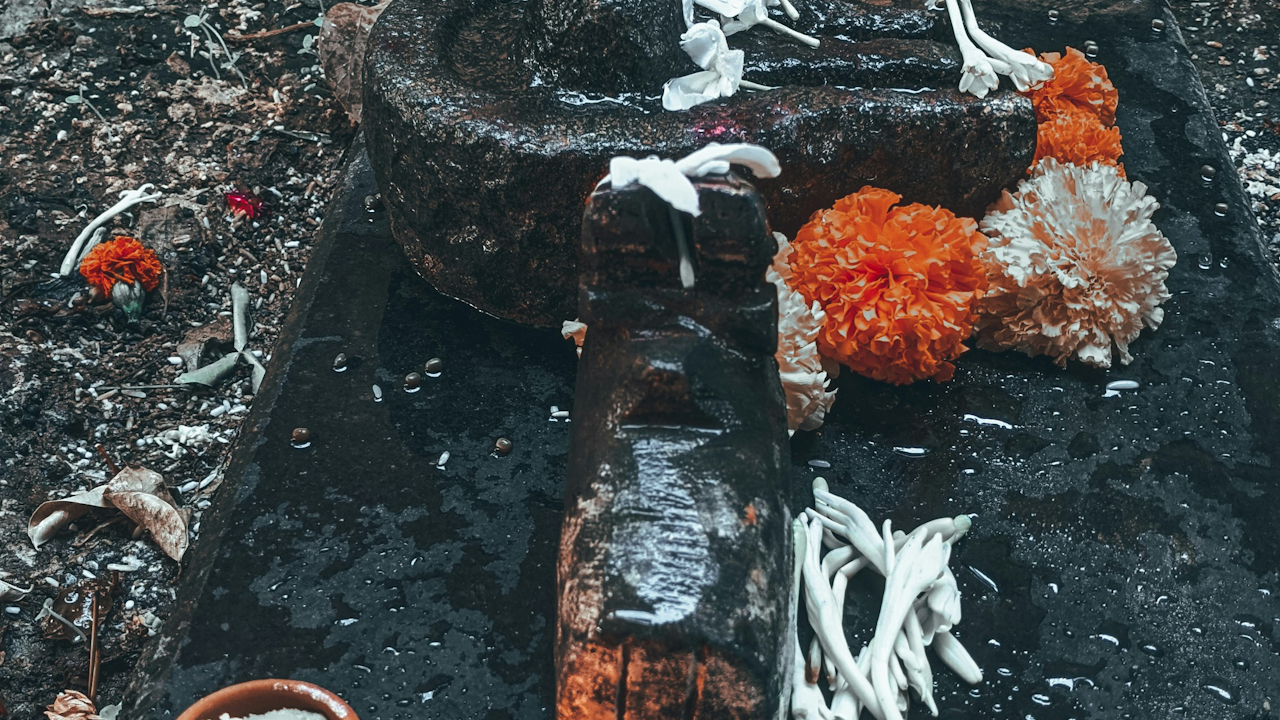
Rituals mark the significant transitions in human existence, from the moment of birth to the finality of death. These ceremonies, deeply rooted in cultural, religious, and social traditions, help individuals and communities navigate change, affirm values, and connect with something larger than themselves. Anthropologists often describe them as rites of passage, which structure life by creating shared meaning around key moments. Across the globe, such practices reflect beliefs about the soul, community, ancestry, and the cycle of existence. This article explores rituals associated with birth, coming of age, marriage, and death, drawing from diverse cultures to illustrate their richness and enduring importance.
Rituals of Birth and Infancy
The arrival of a new life is universally celebrated, yet the specific customs vary widely. In many societies, birth rituals focus on protection, purification, and integration of the newborn into the community.
In Bali, Indonesia, a Hindu-majority island, babies are treated as divine beings for the first 210 days. Their feet do not touch the ground during this period, symbolizing their heavenly origin. The placenta is ritually cleaned, wrapped, and buried outside the home in a ceremony that honors it as a sibling-like companion to the child.
In Japan, the Oshichiya ceremony occurs on the seventh night after birth. Parents announce the baby’s name in calligraphy, sharing it formally with family. Hindu traditions include Jatakarma, a private ceremony with hymns and prayers shortly after birth, followed by Namakarana, the naming ceremony around the eleventh day, guided by Vedic astrology.
Chinese culture emphasizes “zuo yuezi” or “sitting the month,” a postpartum confinement period where the mother rests indoors for about a month, following dietary restrictions and receiving support to recover. Similar confinement practices appear elsewhere, such as the 40-day jaapa in India or sanhujori in South Korea.
In Egypt, the Sebou ceremony on the seventh day involves family gatherings, symbolic acts, and celebrations for both Muslim and Coptic families. Among some Native American groups, such as the Navajo, female relatives and a medicine woman provide spiritual guidance during and after birth. Placenta burial is common in various indigenous traditions to symbolize the child’s connection to the earth.
These rituals often include blessings, protective amulets, or community feasts. They reinforce family bonds and express hopes for the child’s health and future, while acknowledging the physical and spiritual vulnerabilities of new life.
Coming-of-Age Rituals
The transition from childhood to adulthood is marked by ceremonies that test, teach, and celebrate maturity. These rites often involve separation from childhood, a period of instruction or trial, and reintegration as an adult.
In Jewish tradition, a Bar Mitzvah for boys at age 13 and Bat Mitzvah for girls at age 12 involve reading from the Torah, demonstrating religious responsibility, and celebrating with family and community.
The Sateré-Mawé people of the Brazilian Amazon have a striking initiation for boys around age 13. They wear gloves filled with bullet ants, whose sting is intensely painful, enduring it as a test of strength and bravery to enter manhood.
Among the Maasai of Kenya and Tanzania, initiation ceremonies for boys include circumcision and periods of seclusion, teaching warrior skills and cultural knowledge. Girls also have rites, though some practices have evolved.
In Japan, Seijin no Hi (Coming of Age Day) is a national holiday on the second Monday of January. Those who turned 20 the previous year attend ceremonies in traditional attire, listening to speeches and celebrating their new legal adulthood.
Latin American Quinceañera celebrations mark a girl’s fifteenth birthday with a religious mass, followed by a grand party featuring symbolic acts like changing from flat shoes to heels and presenting a doll to a younger sibling. In the Philippines, a Debut at age 18 includes dances with 18 roses and candles.
Other examples include the Amish Rumspringa, a period of exploration for youth around age 16, and Balinese teeth-filing ceremonies to symbolically remove negative traits. These rituals instill values, responsibilities, and a sense of belonging, often blending challenge with celebration.
Marriage Rituals
Marriage unites individuals and often families, with rituals symbolizing commitment, fertility, and harmony. Customs range from simple exchanges to elaborate multi-day events.
In many Hindu weddings, rituals span days and include the exchange of garlands under a mandap, sacred fire ceremonies, and astrological timing. Families play central roles.
Western-influenced traditions feature white dresses and ring exchanges, but variations abound. In Germany, Polterabend involves guests smashing porcelain for good luck the night before the wedding. Greek customs may include shaving the groom, while Hungarian brides might change into a red dress at midnight.
Mexican celebrations often feature a money dance, where guests pin currency to the couple. In parts of Africa and Asia, bridewealth or dowry exchanges formalize alliances. Sikh weddings, known as Anand Karaj, emphasize equality and include the couple circling the Guru Granth Sahib.
Unity rituals appear globally, such as handfasting in Celtic traditions, jumping the broom in some African American customs, or sharing a cup of sake in Japanese Shinto ceremonies. These acts symbolize the blending of lives.
Weddings reinforce social ties, transmit cultural values, and mark the formation of new households, often with feasts, music, and blessings for prosperity and children.
Death and Mourning Rituals
Death rituals help the living process loss, honor the deceased, and guide the soul onward. Practices reflect beliefs about the afterlife, the body, and community continuity.
In Tibetan Buddhist sky burial, the body is taken to a mountaintop, prepared, and left for vultures. This returns the body to nature and is seen as an act of compassion, freeing the soul. Similar practices exist in parts of Mongolia.
Hindu traditions often involve cremation along rivers like the Ganges in Varanasi, with processions and offerings to aid the soul’s release from reincarnation. Balinese cremations can be elaborate, with giant effigies and community participation.
In Madagascar, the Famadihana or “turning of the bones” sees families exhume ancestors every few years, rewrap them in fresh cloth, dance with the remains, and celebrate before reburial. This maintains ongoing relationships with the dead.
Muslim funerals emphasize quick burial, ritual washing, and prayers. Jewish customs include sitting shiva for seven days of mourning. Catholic traditions feature wakes, masses, and committal rites.
In Ghana, fantasy coffins shaped like objects meaningful to the deceased add color and personality to burials. New Orleans jazz funerals combine mourning with celebratory music. In South Korea, ashes may be turned into beads. Filipino traditions vary, with some groups placing bodies in chairs or under homes.
Many cultures observe mourning periods with specific clothing, food taboos, or memorials. These practices provide structure for grief, support the bereaved, and affirm cultural continuity.
The Enduring Role of Rituals
Life cycle rituals persist even as societies modernize. They adapt to contemporary realities while preserving core functions: marking change, fostering community, transmitting values, and offering comfort amid uncertainty. In a globalized world, people sometimes blend traditions or create secular versions, yet the human need for ritual remains strong.
From the protective blessings at birth to the solemn farewells at death, these ceremonies weave individuals into the fabric of their culture. They remind us of our shared humanity, our connections across generations, and the profound mysteries of life and its end. By participating in or learning about such rituals, we gain insight into the diverse ways humans find meaning, express love, and face mortality.