

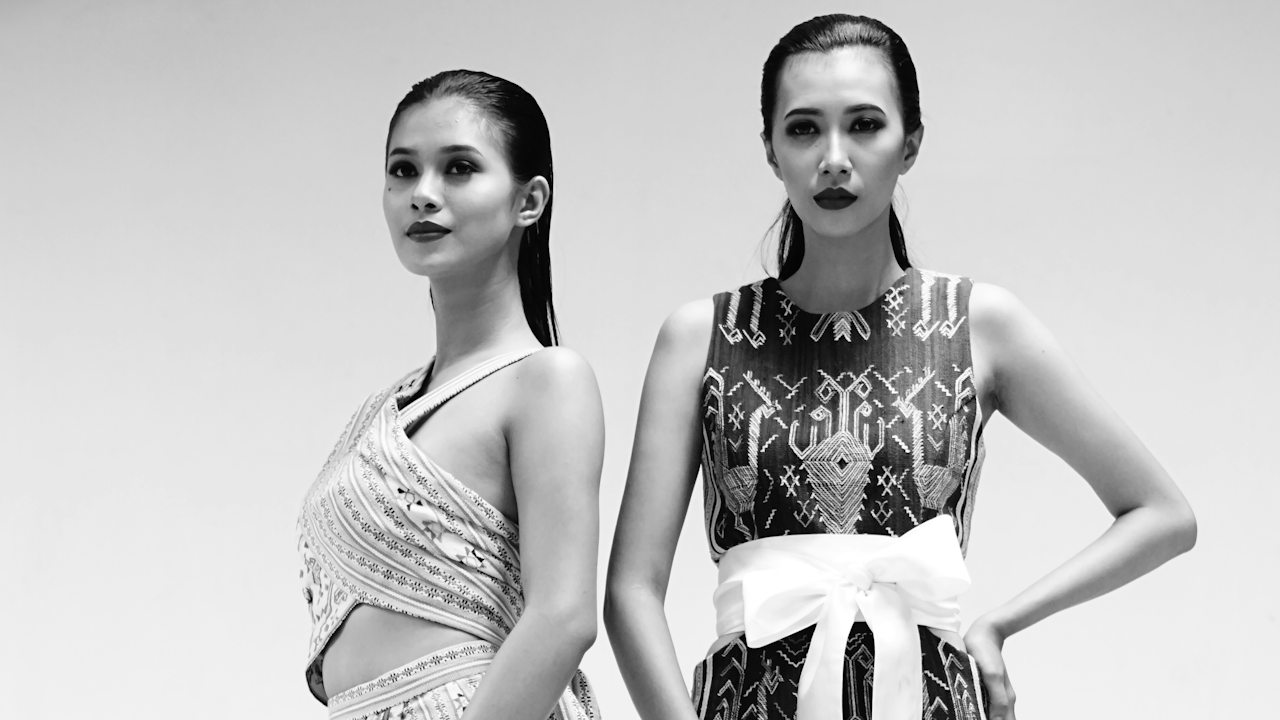
In the ever-evolving landscape of personal style, few concepts resonate as deeply as revenge dressing. This practice involves selecting bold, eye-catching outfits in the wake of heartbreak, betrayal, or any significant personal challenge to project confidence and reclaim agency. Far from a superficial trend, revenge dressing represents a deliberate act of transformation. It turns clothing into a vehicle for emotional recovery and self-assertion. Individuals who engage in it often describe the experience as liberating. They step out of vulnerability and into a version of themselves that feels unapologetically powerful. The phrase may evoke images of dramatic red carpets and tabloid headlines, yet its essence lies in the quiet decision to dress for one’s own resurgence rather than for external approval.
The roots of revenge dressing reach back further than many realize, though its modern label crystallized in a single, unforgettable moment. In 1994, Princess Diana attended a dinner at the Serpentine Gallery in London on the same evening that Prince Charles confessed to adultery during a televised interview. She wore a sleek, off-the-shoulder black silk dress by Greek designer Christina Stambolian. The garment had sat untouched in her wardrobe for three years because she had once considered it too revealing for royal duties. On that pivotal night, however, it became a statement of poise amid pain. Tabloids immediately christened it the revenge dress, and fashion historians later hailed it as the progenitor of the entire phenomenon. The dress shifted public perception. It reframed Diana from a figure defined by marital strife to one radiating independence and glamour. This act of sartorial defiance did more than turn heads. It demonstrated how fashion could rewrite a personal narrative in real time.
Historical precedents for using attire as a form of empowerment abound. Long before the term existed, powerful women leveraged clothing to signal resilience. Queen Elizabeth I, for instance, surrounded herself with pearls and elaborate gowns to project unyielding authority during times of political conspiracy and personal threat. In various cultures across centuries, widows, divorcees, and survivors of scandal have employed striking ensembles to declare their continued vitality. The twentieth century amplified this practice through cinema and celebrity culture. Actresses emerging from tumultuous relationships often debuted fresh looks that blended sensuality with strength. Yet Diana’s 1994 appearance provided the blueprint that subsequent generations would follow and expand. It proved that an outfit could serve as both armor and announcement.
At its heart, revenge dressing draws strength from principles in fashion psychology. Research on enclothed cognition, first articulated by scholars Hajo Adam and Adam Galinsky in 2012, reveals that clothing choices directly shape cognitive function, mood, and self-perception. When a person selects pieces that evoke confidence, such as a well-tailored silhouette or a vibrant hue, the brain registers the change and responds accordingly. Dopamine levels rise. Posture straightens. The wearer carries themselves with renewed purpose. In the context of emotional recovery, this mechanism becomes especially potent. After a breakup or professional setback, the act of curating an empowering look interrupts cycles of rumination. It replaces passive sorrow with active self-expression. Stylists and therapists alike note that revenge dressing often marks the first step toward broader personal reinvention. It is not merely about appearance. It is about aligning outer presentation with an inner resolve to move forward.
Critics sometimes question whether the practice remains tethered to external validation. Some argue that true empowerment should not hinge on an imagined audience of former partners or critics. Yet many who practice revenge dressing insist the motivation evolves internally. What begins as a desire to show an ex what they lost often transforms into a celebration of self-worth. The outfit becomes less about provocation and more about personal ritual. It signals to the wearer, and only the wearer, that they remain desirable, capable, and whole. Modern interpretations emphasize this shift. Personal stylists encourage clients to view revenge dressing as self-compassion in fabric form. The goal is not spite but sovereignty. Clothing becomes a tool for processing grief while simultaneously building momentum toward new chapters.
Celebrity culture has provided a steady stream of vivid illustrations. Mariah Carey stepped onto the 1997 MTV Video Music Awards stage months after separating from her controlling ex-husband Tommy Mottola. She wore a daring two-piece ensemble that bared her thighs and embraced a bolder, more sensual image. Gone were the restrained cardigans of her earlier career. In their place stood leather bustiers and micro-miniskirts that declared creative and personal autonomy. The look marked the dawn of a new era for the singer. It demonstrated how fashion could dismantle imposed constraints. Reese Witherspoon chose a sunny yellow brocade minidress by Nina Ricci for the Golden Globes shortly after her split from Ryan Phillippe. The vibrant hue reflected her effervescent personality and signaled a fresh start. She later reflected that the ensemble made her feel different than she ever had before. Miley Cyrus embodied the concept in the music video for her 2023 single Flowers. Draped in a gilded Yves Saint Laurent gown, she danced through the Hollywood Hills while singing about self-love. The performance and the look together formed a master class in unbothered radiance. More recently, Jennifer Lopez appeared at a 2024 film premiere in a shimmering, skin-baring Tamara Ralph creation mere weeks after filing for divorce from Ben Affleck. The mirror-encrusted dress with strategic cutouts captured attention and redirected focus toward her own narrative of resilience.
Lily Allen continued the tradition in 2025. Fresh from releasing her confessional album West End Girl detailing her divorce, she attended the CFDA Awards in a barely-there lace bra top paired with a sheer-backed maxi skirt and an opera coat. The ensemble blended vulnerability with audacity. It mirrored the raw honesty of her music while projecting unapologetic strength. Bella Hadid, Julia Fox, and countless others have contributed similar moments. Each instance reinforces a collective understanding. Fashion can transmute pain into power when wielded with intention.
Social media has democratized revenge dressing and accelerated its reach. Platforms such as TikTok and Instagram overflow with tutorials, before-and-after glow-up sequences, and personal testimonials. Hashtags like #RevengeDress and #PostBreakupGlowUp garner millions of views. Everyday individuals share how a single red lip, a structured blazer, or a pair of statement heels helped them reclaim agency after romantic or professional disappointment. These digital spaces foster community. They transform what was once a private ritual into a shared language of resilience. Yet the trend also invites reflection. While viral challenges can inspire positive change, they sometimes pressure participants to perform empowerment rather than genuinely feel it. The most effective examples remain those rooted in authenticity. A well-chosen outfit works best when it aligns with the wearer’s true sense of self rather than fleeting trends.
Beyond romantic contexts, revenge dressing extends into wider arenas of empowerment. Professionals facing workplace challenges often adopt power silhouettes to command respect and project competence. Survivors of any form of loss use striking attire to mark milestones of healing. Body-positivity advocates highlight how inclusive sizing and diverse representations have made the practice accessible to more people. Sustainable fashion enthusiasts adapt the concept by choosing vintage pieces or ethical brands. The underlying principle remains constant. Clothing can serve as a bridge between past hardship and future possibility. It allows the wearer to author their own comeback story.
Practicing revenge dressing requires no celebrity budget or red-carpet invitation. The process begins with introspection. Ask what garments make you feel most alive and capable. Perhaps a tailored jacket that accentuates posture, or a dress in a bold color such as crimson that evokes passion and vitality. Black remains a perennial favorite for its association with mystery and strength. Fit matters enormously. Garments that skim the body without constriction enhance comfort and confidence simultaneously. Accessories elevate the ensemble further. A statement necklace, bold earrings, or polished footwear can complete the transformation. The key lies in intention. Select pieces that honor your current emotional state while gently nudging you toward the next version of yourself. Experimentation plays a vital role. What feels empowering today may differ from what resonates tomorrow. The wardrobe becomes a laboratory for self-discovery.
Some voices within fashion discourse caution against over-romanticizing the concept. They point out that an excessive focus on external appearance might distract from deeper emotional work. Therapy, supportive friendships, and personal growth practices remain essential companions to any sartorial strategy. Revenge dressing functions best as one element within a holistic approach to healing rather than a standalone solution. When practiced mindfully, however, it consistently yields positive outcomes. Wearers report heightened self-esteem, clearer boundaries, and a renewed sense of possibility.
Ultimately, revenge dressing illustrates fashion’s profound capacity to empower. It reminds us that style transcends aesthetics. It becomes a language of survival, rebirth, and triumph. Whether on a global stage or in the privacy of a morning mirror, the act of choosing what to wear can affirm that we remain the protagonists of our own lives. Heartbreak may arrive uninvited, yet we retain the power to dress for the future we deserve. In that choice lies quiet revolution. Fashion, when embraced with purpose, does not merely cover the body. It reveals the unbreakable spirit within.