

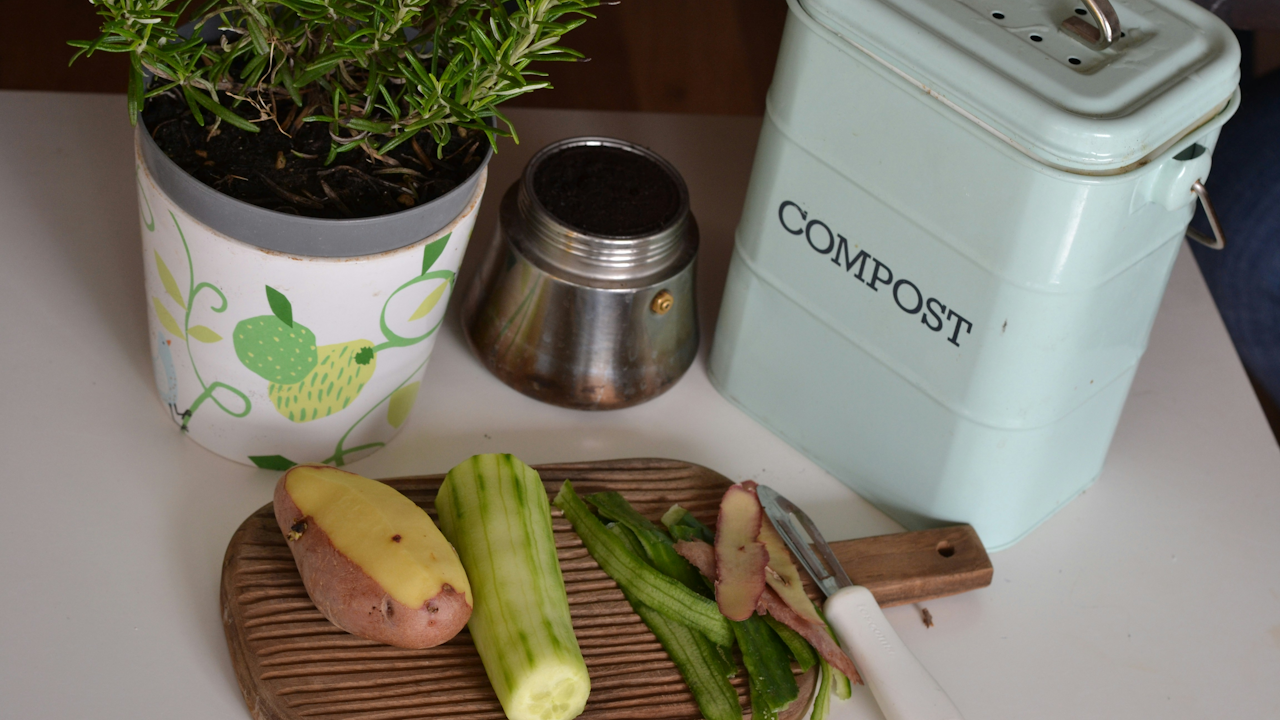
Food waste is one of the simplest problems to solve in our kitchens, yet it remains one of the biggest contributors to household trash and environmental strain. Low-waste cooking flips the script by treating every part of an ingredient as an opportunity rather than an afterthought. Stems, peels, cores, leaves, and even day-old bread or slightly wilted greens become the foundation for meals that burst with flavor and texture. This approach does not require fancy equipment or exotic ingredients. It relies instead on creativity, a sharp knife, and a willingness to experiment. The result is food that tastes fresher, costs less, and leaves your compost bin or trash can nearly empty.
Low-waste cooking delivers clear wins beyond the plate. It reduces methane emissions from landfills, conserves water and energy used in food production, and stretches grocery budgets. A single bunch of carrots, for instance, can yield roasted roots, a vibrant pesto from the tops, and a quick pickle from any leftover scraps. Families report cutting their weekly food waste by half within a month of adopting these habits. The meals themselves often taste more complex because they layer flavors from parts of the plant that most cooks ignore. Carrot tops bring a fresh, herbaceous note; broccoli stems add a satisfying crunch when roasted; banana peels soften into a sweet, almost fig-like depth when simmered. Zero-trash recipes prove that sustainability and indulgence are not opposites. They are natural partners.
Before diving into the recipes, consider a few foundational practices that make zero-trash cooking effortless. Shop with the whole plant in mind and choose items with edible greens still attached whenever possible. Store produce correctly to extend its life: wrap leafy greens in a damp cloth inside a perforated bag, keep root vegetables in a cool dark spot, and freeze scraps for stock in clearly labeled jars. When prepping, separate parts immediately. Carrot tops go straight into a pesto container in the fridge, onion skins and celery ends into a stock bag in the freezer. Taste as you go. A pinch of salt or splash of vinegar can transform something that seems destined for the bin into the star of the dish. With these habits in place, the recipes below will feel intuitive rather than intimidating.
Recipe One: Whole Carrot Stir-Fry with Carrot-Top Pesto and Crispy Seeds
This colorful stir-fry uses every inch of a fresh bunch of carrots. The roots roast until caramelized, the tops blend into a bright pesto, and the seeds get toasted for crunch. It serves four as a main or six as a side and comes together in under forty minutes.
Ingredients: One large bunch of carrots with fresh green tops attached (about two pounds total) Three tablespoons olive oil Two cloves garlic, minced One small onion, diced (use the entire onion, including the root end trimmed only of any dry outer layer) One teaspoon cumin seeds Half teaspoon chili flakes Salt and black pepper to taste For the pesto: all the carrot tops (washed and stems removed only if woody), one quarter cup toasted pine nuts or walnuts, two tablespoons grated Parmesan or nutritional yeast, one garlic clove, juice of half a lemon, and three tablespoons olive oil For serving: cooked rice or flatbread and a handful of toasted carrot seeds if you saved any from trimming
Preparation steps begin with the oven preheated to 425 degrees Fahrenheit. Trim the carrot tops and set them aside. Scrub the carrots well under running water. No peeling is necessary. Cut the roots into diagonal chunks about one inch thick. Toss them on a sheet pan with one tablespoon olive oil, salt, pepper, and cumin seeds. Roast for twenty-five minutes, stirring once, until the edges turn golden and caramelized.
While the carrots roast, make the pesto. Place the washed carrot tops, nuts, Parmesan or nutritional yeast, garlic, lemon juice, and remaining olive oil in a food processor. Pulse until a coarse paste forms. Taste and adjust seasoning. The pesto should be bright green and slightly tangy.
Heat the remaining olive oil in a large skillet over medium heat. Add the diced onion and cook until translucent, about five minutes. Add the minced garlic and chili flakes and stir for thirty seconds. Slide the roasted carrots into the skillet and toss to coat in the aromatics. Cook another three minutes so the flavors marry.
To serve, spoon the stir-fry over rice or alongside warm flatbread. Drizzle generously with carrot-top pesto and scatter toasted seeds for texture. The combination of sweet roasted roots, earthy pesto, and spicy onions creates layers that keep every bite interesting. Nothing is wasted. Even the onion root end softens completely during cooking.
Recipe Two: Entire Broccoli Stem and Floret Rice Bowl with Lemon Zest Tahini
Broccoli is often sold with long stems that many people discard. This bowl celebrates the whole head. Florets steam until tender, stems slice into coins that stay crisp-tender, and the leaves wilt into the rice like spinach. The tahini sauce uses the zest and juice of one whole lemon for brightness.
Ingredients for four servings: One large head of broccoli, leaves and all Two cups cooked brown rice (day-old works best) Three tablespoons tahini Zest and juice of one whole lemon (use the peel by zesting first, then juicing) Two tablespoons soy sauce or tamari One tablespoon sesame oil Two cloves garlic, grated One tablespoon grated fresh ginger One carrot, grated (peel included) Two green onions, sliced thinly from root to tip Handful of fresh cilantro, chopped stems and leaves Sesame seeds for garnish
Start by separating the broccoli. Cut the florets into bite-size pieces. Peel the thick outer layer from the stem only if it feels woody; otherwise slice the entire stem into quarter-inch coins. Chop the leaves roughly. Heat a large wok or skillet over high heat with the sesame oil. Add the garlic and ginger and stir-fry for thirty seconds until fragrant. Add the broccoli stems and coins first because they take slightly longer. Cook two minutes, then add florets and leaves. Stir-fry another three minutes until the florets brighten and the leaves wilt.
Push the broccoli to one side of the pan. Add the cooked rice and grated carrot. Pour in the soy sauce and toss everything together for four minutes so the rice gets lightly crispy at the edges. Turn off the heat.
In a small bowl whisk together the tahini, lemon zest, lemon juice, and one tablespoon water until smooth and pourable. Taste and add more water if needed for a drizzle consistency. Spoon the rice bowl into serving dishes. Drizzle the lemon tahini liberally over the top. Scatter sliced green onions, cilantro, and sesame seeds. The dish tastes nutty, bright, and deeply savory. The stems provide a pleasant chew that contrasts the soft florets and fluffy rice. One head of broccoli feeds four people generously with zero scraps left behind.
Recipe Three: Stale Bread and Wilted Greens Ribollita Soup
Ribollita is a classic Tuscan soup that traditionally uses leftover bread and whatever greens are fading in the crisper. This version turns day-old bread, slightly limp kale or chard, and vegetable odds and ends into a hearty, tomato-rich stew that improves after a night in the fridge.
Ingredients for six servings: Half a loaf of stale bread, torn into chunks (crusts included) One bunch kale or Swiss chard, stems and leaves Two carrots, chopped (peels on) Two celery stalks, chopped (leaves included) One onion, chopped entirely Three cloves garlic, minced One can whole tomatoes, crushed by hand One can white beans, drained (save the liquid for another use such as aquafaba-style mayo) Six cups water or vegetable scrap stock Two tablespoons olive oil One teaspoon dried rosemary Salt and red pepper flakes to taste Grated Parmesan rind (optional but highly recommended for depth)
Heat the olive oil in a large pot. Add the onion, carrots, celery, and garlic. Cook over medium heat for eight minutes until softened and sweet. Add the rosemary and red pepper flakes and stir for thirty seconds. Pour in the crushed tomatoes and their juices. Simmer five minutes so the flavors concentrate.
Chop the kale or chard stems into half-inch pieces and the leaves into ribbons. Add the stems to the pot first and cook three minutes. Add the leaves and cook until they collapse. Pour in the water or stock and bring to a gentle boil. Add the beans and their drained liquid if you wish extra body. Simmer fifteen minutes.
Drop the torn bread pieces into the soup. Stir gently. The bread will absorb broth and thicken the soup into a porridge-like consistency. Simmer another ten minutes. Taste and adjust salt. If using a Parmesan rind, add it at the beginning of simmering and remove before serving. Ladle into bowls. The soup tastes even better the next day when the bread has fully melded with the vegetables. Every scrap of bread and every leaf of greens disappears into the bowl.
Recipe Four: Whole Banana Peel Curry with Coconut and Spices
Overripe bananas are common, but their peels often head straight to the compost. When simmered, the peels become tender and absorb spices like a vegetable. This mild curry serves four and pairs beautifully with rice.
Ingredients: Four overripe bananas, peels only (reserve the fruit for smoothies or another recipe) One onion, diced Three cloves garlic, minced One tablespoon fresh ginger, grated One can coconut milk Two teaspoons curry powder One teaspoon turmeric Half teaspoon cumin One cinnamon stick Two tablespoons tomato paste One tablespoon coconut oil Salt to taste Fresh cilantro and chopped peanuts for garnish (use cilantro stems too)
Wash the banana peels thoroughly. Trim the stem ends and any bruised spots. Slice the peels into half-inch strips. Heat the coconut oil in a skillet. Cook the onion until soft, about five minutes. Add garlic, ginger, and all the dry spices. Stir for one minute until fragrant. Add the tomato paste and cook another minute to caramelize slightly.
Toss in the banana peel strips and stir to coat in the spice paste. Pour in the coconut milk and add the cinnamon stick. Bring to a simmer. Cover and cook twenty minutes, stirring occasionally. The peels will soften and take on a meaty texture similar to eggplant. Remove the cinnamon stick. Taste and season with salt. The curry develops a sweet-savory depth from the banana peels that balances the warming spices. Serve over rice and top with cilantro stems and leaves plus peanuts for crunch. The dish surprises guests every time and uses bananas that would otherwise be discarded.
Recipe Five: Citrus Peel and Chickpea Tagine with Preserved Lemon Flavor
This North African-inspired stew uses the entire orange or lemon, including the peel, which is candied lightly during cooking. Chickpeas provide protein, and the peels add a fragrant bitterness that mellows into something addictive. It serves four.
Ingredients: Two whole oranges or lemons (zest, juice, and peel all used) Two cans chickpeas, drained (save aquafaba for a quick dessert) One onion, sliced Three carrots, cut into chunks Two tablespoons olive oil Two teaspoons ras el hanout or garam masala One teaspoon smoked paprika Half teaspoon cinnamon One can diced tomatoes Half cup dried apricots or raisins Fresh mint and parsley, stems and leaves chopped Salt and pepper
First prepare the citrus. Scrub the fruit well. Cut into quarters, then slice each quarter into thin wedges, peel and all. Remove any visible seeds. Heat the olive oil in a heavy pot. Add the onion and cook until golden, about seven minutes. Add the spices and stir for one minute. Add the carrot chunks and citrus slices. Cook five minutes so the peels begin to soften and release their oils.
Pour in the tomatoes and their juice. Add the chickpeas, dried fruit, and one cup water. Bring to a simmer. Cover and cook twenty-five minutes, stirring occasionally. The citrus peels will become tender and glossy while the chickpeas absorb all the fragrant sauce. Finish with a handful of chopped mint and parsley stems for freshness. The tagine tastes bright, sweet, and deeply spiced. The peels provide an aromatic backbone that makes every spoonful complex.
Recipe Six: Zero-Waste Chocolate Aquafaba Mousse with Stale Cookie Crumble
For dessert, turn the liquid from a can of chickpeas into a light, airy mousse and use any stale cookies or cake crumbs for texture. It proves that even pantry liquids can become luxurious.
Ingredients for four servings: Liquid from one can chickpeas (about half cup aquafaba) Half cup dark chocolate chips, melted Two tablespoons maple syrup or sugar One teaspoon vanilla extract Pinch of salt Half cup stale cookies or cake crumbs (any flavor) Fresh berries or orange segments for serving
In a clean bowl whip the aquafaba with an electric mixer on high speed for five to seven minutes until stiff peaks form. It will look like glossy meringue. Gently fold in the melted chocolate, maple syrup, vanilla, and salt. Work slowly so the mixture stays airy. Spoon into four glasses. Chill at least two hours.
Before serving, sprinkle the stale cookie crumbs over the top for crunch. The mousse tastes rich and chocolatey with no heaviness. The aquafaba creates a structure that holds the chocolate flavor beautifully, and the crumbs prevent any waste from yesterday’s baked goods.
These recipes show that zero-trash cooking is not about restriction. It is about expansion. Each dish builds confidence and invites improvisation. Once you start seeing potential in peels and stems, your kitchen becomes more creative and your meals more memorable. Start with one recipe this week. Notice how much less ends up in the trash and how much more flavor appears on your plate. Low-waste cooking is not a trend. It is simply better cooking.