

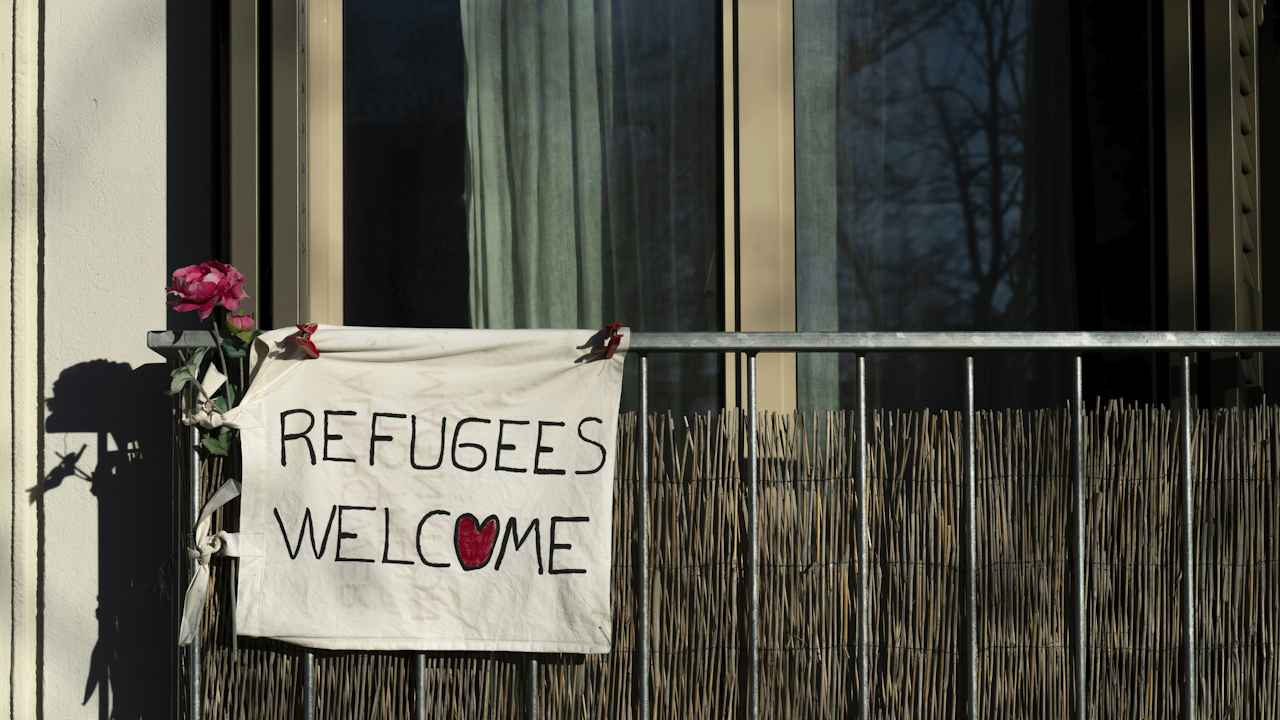
The issue of refugee policies sits at the intersection of national sovereignty, international obligations, and moral responsibility. Governments must manage borders to protect citizens, maintain social cohesion, and ensure economic stability. At the same time, they face the humanitarian imperative to offer protection to people fleeing persecution, violence, and conflict. This tension defines modern refugee policy debates worldwide. As global displacement reaches historic levels, finding an effective balance remains one of the most pressing challenges of our time.
The Scale of Global Displacement
Forced displacement has grown dramatically in recent decades. At the end of 2024, an estimated 123.2 million people worldwide were forcibly displaced due to persecution, conflict, violence, human rights violations, or events seriously disturbing public order. By mid-2025, this figure stood around 117 million, marking the first slight decrease in over a decade but still representing one of the highest levels on record. This includes approximately 42.5 million refugees, 8.4 million asylum-seekers, and large numbers of internally displaced people.
Major drivers include ongoing conflicts in Syria, Ukraine, Sudan, Afghanistan, and Myanmar, among others. Low- and middle-income countries host the vast majority of refugees, often straining their resources. For example, nations neighboring conflict zones bear disproportionate burdens compared to wealthier distant countries. This uneven distribution fuels debates about international responsibility-sharing.
Historical Foundations: The 1951 Refugee Convention
The modern international refugee regime traces back to the aftermath of World War II. The 1951 Convention Relating to the Status of Refugees, along with its 1967 Protocol, established the core legal framework. A refugee is defined as someone outside their country of nationality with a well-founded fear of persecution based on race, religion, nationality, membership in a particular social group, or political opinion. They are unable or unwilling to seek protection from their home country.
The cornerstone principle is non-refoulement, which prohibits returning refugees to places where they face serious threats to life or freedom. The Convention also outlines rights to housing, work, education, and protection from expulsion except under strictly defined conditions. It emphasizes that refugees should not be punished for irregular entry if they come directly from a place of danger.
While widely ratified, implementation varies. Some countries have not signed the Convention yet still adhere to key norms through customary international law or domestic policies. The framework was designed for post-war Europe but has been tested by mass movements driven by mixed motives, including economic hardship alongside persecution.
Arguments for Strong Border Controls
Proponents of stricter policies emphasize several practical concerns. Uncontrolled inflows can strain public services, housing, and labor markets. Rapid arrivals may overwhelm processing systems, leading to backlogs in asylum claims that delay decisions for years. Security risks represent another factor. Thorough vetting is necessary to prevent entry by individuals involved in criminal networks, terrorism, or trafficking.
Economic analyses sometimes highlight short-term costs, particularly in local communities absorbing large numbers of newcomers. Cultural and social integration challenges can arise when inflows exceed absorption capacity, potentially fueling public resentment or political polarization. Countries argue they have a sovereign right to decide who enters and under what conditions, prioritizing citizens and legal immigrants.
Australia offers a notable example of strict measures. Its “Pacific Solution” and boat turnback policies significantly reduced irregular maritime arrivals. Supporters credit these approaches with saving lives at sea by deterring dangerous journeys and restoring public confidence in managed migration. Australia maintains robust resettlement programs for vetted refugees, ranking among top countries in per capita resettlement.
In Europe and the United States, similar pressures have led to externalization efforts, such as agreements with third countries to process claims or enhance border controls upstream. These aim to manage flows while addressing root causes abroad.
Humanitarian Imperatives and Moral Considerations
On the other side, advocates stress that refugees differ from economic migrants. Many flee immediate threats to life. Denying protection risks violating non-refoulement and consigning people to danger. History shows that restrictive policies can lead to human suffering, including deaths in transit, exploitation by smugglers, and prolonged stays in inadequate camps.
Humanitarian approaches highlight long-term benefits. Refugees often contribute economically once integrated. In the United States, studies show refugees and asylees generated a net fiscal benefit of 123.8 billion dollars from 2005 to 2019 through taxes and economic activity, outweighing initial support costs. They exhibit high entrepreneurship rates and fill labor gaps.
Countries like Canada have emphasized orderly selection and integration support. Points-based systems combined with refugee resettlement allow for managed inflows that match labor needs and humanitarian goals. Successful integration programs can turn refugees into net contributors, enriching societies culturally and economically.
International law and ethics underscore shared responsibility. Wealthier nations, historically less burdened by proximity to conflicts, have capacity to support through resettlement, aid, and development assistance that addresses root causes.
Case Studies in Policy Approaches
Europe: The European Union has grappled with surges, notably during the 2015-2016 crisis. Responses included the EU-Turkey statement to manage flows and internal relocation efforts. Challenges persist with Mediterranean crossings, pushbacks, and varying member state commitments. The EU Pact on Migration and Asylum seeks to balance solidarity with control, though implementation remains contentious.
United States: Policies have oscillated between administrations. Emphasis on border security, asylum processing reforms, and legal pathways coexist with humanitarian parole programs. External cooperation with Mexico and others aims to reduce irregular crossings while upholding asylum rights. Backlogs in immigration courts highlight needs for efficient adjudication.
Australia: Strict interdiction of boat arrivals paired with offshore processing has curtailed irregular migration but drawn criticism for conditions in processing centers. Complementary generous onshore resettlement maintains humanitarian credentials.
Canada: Often viewed as a model, Canada combines robust screening, settlement services, and private sponsorship. It manages inflows while maintaining high public support through perceived fairness and integration success.
These examples illustrate trade-offs. Strict controls can reduce chaos but risk refoulement or offshore rights abuses. Open approaches uphold principles but may encourage secondary movements or overwhelm systems.
Challenges in Implementation
Several factors complicate balance. Mixed migration flows blur lines between refugees and economic migrants, complicating individual assessments. Climate change may drive future displacements not fully covered by current definitions. Resource constraints in host countries, especially developing ones, limit capacity. Political populism often amplifies fears, making nuanced policy difficult.
Security vetting must be rigorous yet efficient. Integration requires language training, employment support, and community building. Long-term solutions demand addressing root causes through diplomacy, development aid, and conflict prevention.
Economic research shows varied impacts. In some contexts, refugees compete in informal sectors initially but stimulate growth through consumption and innovation over time. Housing pressures and wage effects in specific locales require targeted mitigation.
Pathways Toward Balanced Policies
Effective approaches share common elements. First, invest in fair, fast asylum processing with adequate resources for interviews, appeals, and removals of unsuccessful claimants. Technology and trained personnel can help.
Second, expand legal pathways including resettlement, humanitarian visas, and labor mobility programs that reduce irregular migration incentives. Third, enhance international cooperation for responsibility-sharing, funding, and root cause work.
Fourth, prioritize integration from day one with work rights, education, and community involvement. Fifth, maintain border security through technology, personnel, and regional partnerships without undermining core protections.
Sixth, public communication should emphasize facts: most refugees are hosted regionally, contributions of newcomers, and successes of managed systems. Transparency builds trust.
Reforms could include updating definitions for modern threats, strengthening UNHCR support, and creating incentives for private sector involvement in sponsorship and employment.
Conclusion
Refugee policy requires pragmatism and principle. Nations have legitimate interests in controlling borders and ensuring sustainability. They also bear responsibilities under international norms and basic humanity to protect the vulnerable. Blanket openness ignores real constraints and risks backlash. Blanket closure ignores suffering and long-term costs.
Success lies in calibrated systems that deter abuse, process claims efficiently, integrate those granted protection, and return those without valid claims humanely. This demands investment, innovation, and cooperation. As displacement pressures continue, countries that achieve this balance will better serve both their citizens and global stability. The challenge is not choosing between borders and humanity but designing policies that uphold both through fairness, effectiveness, and compassion.