

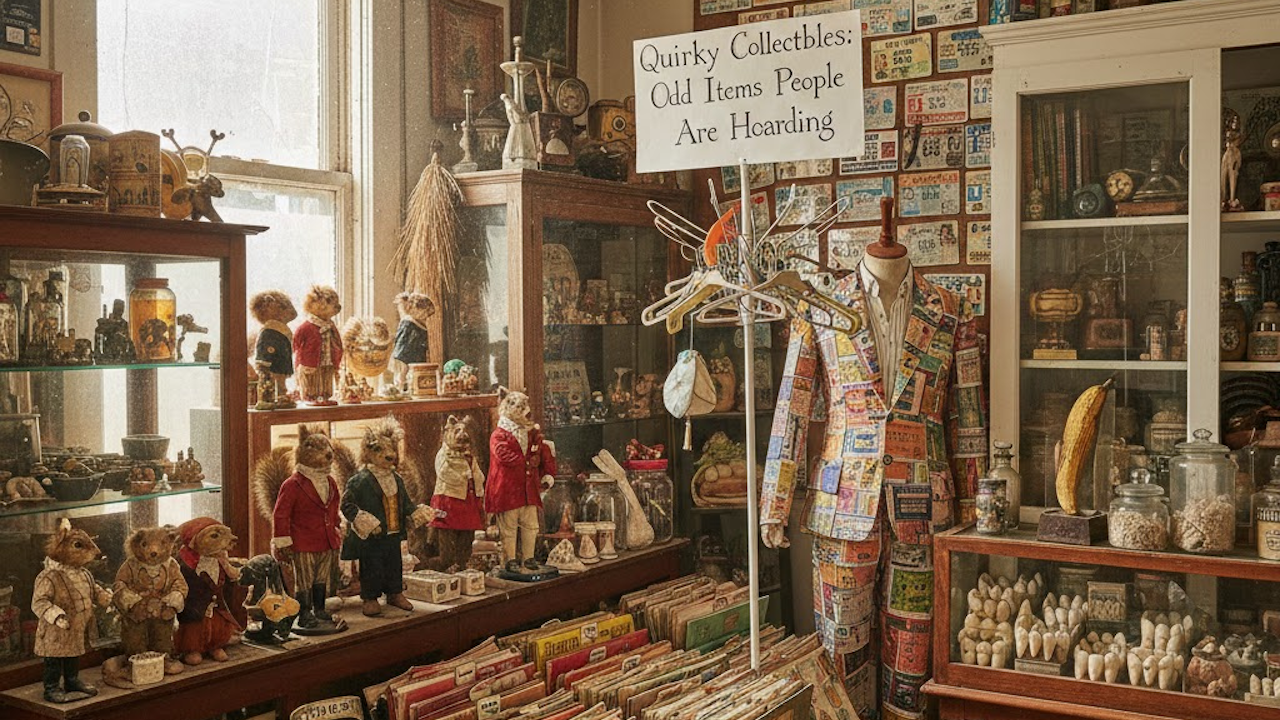
In a world filled with mass-produced goods and digital distractions, many people find joy and meaning in collecting physical objects. While stamps, coins, and sports memorabilia are common, a growing number of enthusiasts are drawn to far more unusual items. These quirky collectibles range from the mildly eccentric to the downright bizarre, reflecting personal passions, historical curiosities, and sometimes a touch of obsession. This article explores the fascinating realm of odd items that people hoard, examining why they collect them and sharing real-world examples that highlight the diversity of human interests.
The Allure of the Unusual
Collecting is a deeply human behavior. It provides a sense of order, accomplishment, and connection to the past or to niche communities. For some, it starts innocently with a single find at a flea market or garage sale. Over time, it evolves into a dedicated pursuit that fills shelves, rooms, or even entire houses. Unlike casual hobbyists, serious collectors often research, catalog, and display their treasures with pride. Yet when the items stray into the quirky or macabre, outsiders might view them as strange or even hoarding. The line between passionate collecting and problematic hoarding can blur, but most collectors maintain organization and purpose.
What drives someone to amass hundreds of banana stickers or antique rodent traps? Psychologists point to nostalgia, the thrill of the hunt, and the satisfaction of completing a set. In an unpredictable world, these collections offer control and identity. Social media and online marketplaces have amplified this trend, connecting collectors across continents and turning obscure hobbies into global phenomena.
Edible and Everyday Oddities
One of the most accessible categories of quirky collectibles involves items from daily life that most people discard without a second thought. Take banana stickers, for instance. Becky Martz from the United States has built an impressive collection of these colorful labels, which often feature brands, promotional designs, and country-of-origin markings. What begins as a curiosity about agricultural packaging turns into a colorful archive of global trade history.
Similarly, sugar packets from airlines captivate travelers who pocket them as souvenirs. These tiny envelopes, emblazoned with airline logos and routes, serve as miniature time capsules of aviation history. Some collectors organize them by carrier or era, trading duplicates at conventions or online forums. Hotel shampoo bottles and miniature toiletries follow a parallel path. Frequent guests amass dozens of these travel-sized amenities, appreciating the varied scents, packaging designs, and branding that reflect changing hospitality trends.
Fast-food enthusiasts take things further. Mike Fountaine maintains a vast McDonald’s collection that includes Happy Meal toys, packaging, uniforms, and promotional materials spanning decades. Davide Andreani from Italy has gathered thousands of Coca-Cola cans from around the world, each telling a story of regional marketing and design variations. These collections often blend nostalgia for childhood treats with an appreciation for corporate history and pop culture.
Pasta shapes represent another edible quirk. One dedicated collector focuses exclusively on unusual or limited-edition varieties, displaying dried specimens in shadow boxes. Ketchup packets, airline peanuts, and even vintage candy wrappers fall into this camp. These items are inexpensive to acquire, easy to store, and rich in personal memories.
Vintage and Functional Curiosities
Moving beyond consumables, many collectors target functional objects with quirky histories. Antique workplace safety equipment appeals to industrial historians. Items like old respirators, safety glasses, ear plugs, and air sampling devices tell stories of evolving labor standards and workplace culture. Promotional catalogs and posters from safety campaigns add visual flair to these displays.
Traffic cones, once mundane road safety tools, have inspired passionate collectors. Some amass dozens of variations from different countries and eras, celebrating their bright colors and durable designs. Water bottle labels, carefully peeled and flattened, document mineral water brands and artistic packaging trends.
Door knobs and glass frogs might seem random, but vintage crystal door knobs and antique glass animal figurines attract fans of Victorian decor and whimsy. These items often feature intricate craftsmanship that modern manufacturing rarely matches. One enthusiast proudly displays a collection of antique glass frogs alongside crystal knobs, creating a shimmering cabinet of curiosities.
Bookends, canes, and pocket mirrors offer practical yet decorative appeal. Ornate bookends shaped like animals or historical figures double as functional art. Walking canes from the 17th to 20th centuries range from simple wooden staffs to elaborately carved ivory-handled masterpieces. Antique pocket mirrors, once everyday vanity items, now preserve advertising art and fashion trends from bygone eras.
The Macabre and Medical
Some of the strangest collections venture into darker territory. Fossilized feces, known as coprolites, intrigue paleontologists and amateur enthusiasts alike. These ancient specimens provide scientific insights into prehistoric diets and ecosystems while serving as conversation-starting display pieces.
Antique surgical sets and rodent traps blend history with the grotesque. Victorian-era medical instruments, complete with velvet-lined cases, appeal to those fascinated by the evolution of medicine. Similarly, antique rodent traps showcase ingenious (and sometimes cruel) engineering from the days before modern pest control.
Celebrity hair and nails push boundaries further. Locks of hair from famous figures, authenticated and preserved, attract history buffs willing to pay premium prices. While ethically controversial, these items connect collectors directly to icons of the past.
Barf bags from airlines represent a lighter (if still unusual) entry in this category. Travelers collect these motion-sickness bags for their airline-specific designs and as humorous reminders of turbulent flights. Hotel “Do Not Disturb” signs complete the travel oddities, forming archives of hospitality ephemera.
Toys, Dolls, and Pop Culture Excess
Toys and dolls fuel some of the largest and most passionate collections. Barbie enthusiasts go beyond standard dolls to create custom houses and cases from unconventional materials like plastic canvas. Others hoard vintage packaging, accessories, and limited editions.
Mannequins, pulled from dumpsters or purchased online, fill entire rooms for some collectors. One individual reportedly owns over 300 used mannequins, arranging them in elaborate tableaux that blur the line between art installation and storage challenge.
Klown doll museums and collections of grotesque faces highlight a fascination with the eerie. Handmade clown dolls, Victorian button hooks with ugly faces, and corkscrew handles shaped like miniature monsters create unsettling yet compelling displays.
Pez dispensers, action figures like rare Boba Fett prototypes, and California Raisins memorabilia tap into childhood nostalgia. Political items such as presidential stickers or campaign buttons add a civic dimension.
Weapons, Vehicles, and Large-Scale Hoards
On a grander scale, some collections involve weaponry or vehicles. Medieval arms and armor, including halberds, axes, and daggers, appeal to history reenactors and fantasy fans. One cleanup effort uncovered nearly 500 firearms in a single hoarding situation, illustrating how collections can spiral.
Motorcycles, manual typewriters, and even full airplane cabins (like a 1970s Pan Am first-class setup) represent ambitious pursuits. These large items require significant space and resources but offer immersive experiences for their owners.
The Psychology and Community of Collecting
Why do people hoard these odd items? For many, it is about storytelling. Each object carries a narrative whether it is a banana sticker from a specific harvest or a surgical tool used in a long-ago operation. Collectors often form tight-knit communities, sharing knowledge at swap meets, online forums, or dedicated museums.
However, experts distinguish between collecting and hoarding disorder. True collectors curate, organize, and derive joy from their items. Hoarders may accumulate without purpose, leading to cluttered living spaces and distress. Shows like “Hoarders” frequently feature extreme examples, such as rooms filled with DVDs or medieval weapons, highlighting the potential downsides.
Social factors play a role too. In an era of digital overload, tangible objects provide grounding. Economic uncertainty can make collecting feel like building personal value. For some, it is simply fun and harmless self-expression.
Notable Examples and Future Trends
Famous collectors add glamour to the hobby. Actor Tom Hanks famously gathers manual typewriters. Other celebrities pursue comic books, rare books, or Egyptian artifacts. Everyday people contribute equally fascinating stories through platforms like Reddit and Bored Panda, where users share pasta shapes, bird-shaped pins, and more.
Emerging trends include digital documentation of physical collections and sustainable sourcing. As environmental awareness grows, some collectors focus on recycled or upcycled items. Online auctions and 3D printing may democratize access to rare replicas.
Conclusion: Celebrating the Quirky
Quirky collectibles remind us of the richness of human curiosity. From sugar packets to fossilized feces, these odd items form personal museums that celebrate individuality. Whether you hoard hot sauce bottles, antique safety gear, or something entirely unique, your collection tells a story worth preserving.
Next time you spot an unusual object at a thrift store, consider its potential. It might become the start of your own quirky hoard. In the end, these collections bring color, conversation, and connection to our lives. They prove that in a standardized world, the odd and overlooked often hold the greatest charm. Who knows what strange treasure awaits discovery in your own attic or local flea market? The world of quirky collectibles is vast, welcoming, and endlessly surprising.