

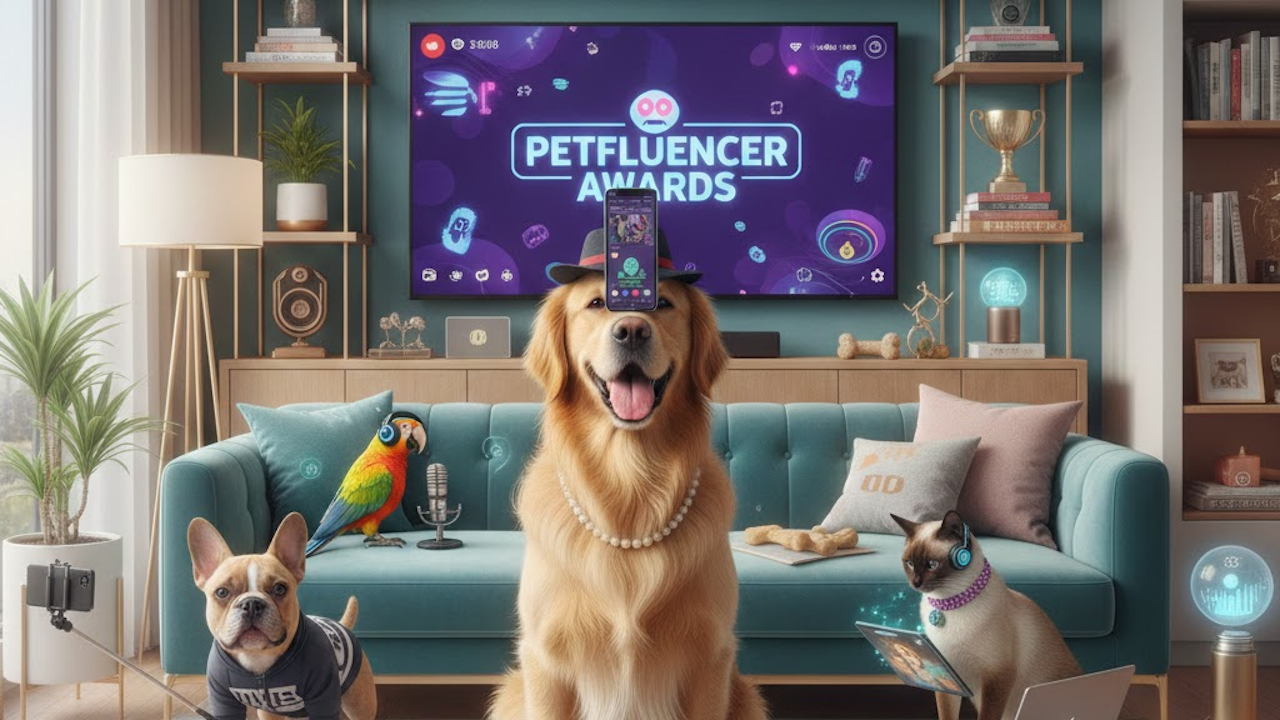
In 2026, the most reliable way to stop a scroll on Instagram, TikTok, or YouTube is not a celebrity endorsement or a polished advertisement. It is a small creature with big eyes, a tilted head, or an unexpected talent. A Pomeranian in a tiny sweater. A cat with a permanent expression of mild surprise. A golden retriever caught mid-zoomie with the guilty look of someone who just stole a sock. These animals and thousands like them have become the true rulers of social media. They command millions of followers, drive billions in brand spending, and shape how entire generations think about companionship, consumerism, and joy.
Pet influencers are no longer a quirky side note to human creator culture. They sit at the center of it. Their content generates engagement rates that make traditional macro influencers envious. Their audiences are loyal, highly targeted, and unusually willing to open wallets. In a fragmented media landscape where attention is the scarcest resource, animals deliver it consistently and without the baggage of controversy that often follows human stars. They represent the ultimate form of authentic, feel-good escapism while simultaneously powering one of the fastest-growing segments of the influencer economy.
The phenomenon did not appear overnight. Early internet fame for animals arrived through simple viral videos and early Instagram grids. Grumpy Cat became a meme empire in the early 2010s. Other pets followed with charming expressions or funny behaviors. The real acceleration came during the pandemic years when millions of people adopted animals and began documenting their lives online. What started as personal sharing evolved into professional content creation. By the mid-2020s, agencies, management teams, and specialized platforms had professionalized the space. What was once a hobby for dedicated pet parents became a legitimate career path with measurable return on investment for brands.
By 2026, the infrastructure is mature. Dedicated pet influencer platforms connect brands with creators at every scale. The pet influencer platform market, valued at roughly 1.8 billion dollars in 2025, is projected to reach 6.4 billion dollars by 2034 according to industry forecasts. This growth reflects more than cute videos. It reflects a fundamental shift in how pet products are discovered and purchased. Pet owners now turn to social media for recommendations at rates far higher than general consumers. TikTok in particular has become the dominant discovery engine, with pet content generating engagement roughly double that of general posts. Shoppable features allow viewers to move from watching a dog try a new treat to purchasing it in seconds.
Instagram remains essential for high-quality photography and long-term brand building. Carousels showing before-and-after grooming transformations or detailed flat lays of new toys perform strongly. Stories offer behind-the-scenes glimpses that humanize both the pet and the owner. YouTube serves longer-form content such as training tutorials, day-in-the-life vlogs, and in-depth product reviews that build deeper trust. Across all platforms, the most successful accounts blend polished aesthetics with genuine personality. Audiences can spot inauthenticity immediately when it involves an animal that clearly does not want to participate.
The biggest names illustrate different paths to dominance. Jiffpom, the Pomeranian with approximately 8.9 million Instagram followers, built an empire on charm, costumes, and carefully curated cuteness. His content features elaborate outfits, clever poses, and an unmistakable fashion-forward sensibility. What began as adorable photos evolved into major brand collaborations across fashion, accessories, and pet products. Jiffpom demonstrates how visual consistency and a distinct aesthetic can turn a pet into a recognizable lifestyle brand.
Nala Cat, often cited with a net worth around 100 million dollars in brand valuation discussions, holds the Guinness World Record for the most followed cat on Instagram with several million followers. Rescued from a shelter, Nala’s cross-eyed charm and relaxed demeanor created an emotional connection with audiences worldwide. Beyond sponsored posts that reportedly command five-figure fees, Nala launched her own premium cat food line called Love, Nala. This vertical integration, moving from influencer to brand owner, represents the highest level of success in the space. Merchandise, an ebook, and ongoing partnerships have turned one shelter cat into a diversified business.
Doug the Pug, with several million followers across platforms and a legacy that includes New York Times bestselling books and People’s Choice Awards, remains an OG icon. Born in 2012 and based in Nashville, Doug built fame through humorous expressions, costume play, and relatable pug energy. His owner transitioned from a day job to full-time management, proving that dedicated human partners can build sustainable careers around their animals. Doug’s appearances in commercials and his extensive merchandise line show how long-term consistency pays dividends even as newer stars emerge.
Other standouts include Tucker Budzyn, a golden retriever whose content centers on family life, zoomies, and everyday adventures with over four million followers. His appeal lies in relatability. Viewers see their own dogs in his antics. Tuna Melts My Heart, a rescue Chiweenie with a distinctive underbite, amassed nearly two million followers by leaning into authentic, low-key moments rather than high-production setups. His story of rescue and simple joys resonates deeply. Loki the Wolfdog offers adventure and wilderness content that inspires outdoor lifestyles. Crusoe the Dachshund combined creativity with entrepreneurship by launching his own dog ramp brand. Each of these accounts succeeded by developing a clear niche and personality rather than chasing generic virality.
The economics supporting this ecosystem are substantial and increasingly sophisticated. Payment tiers reflect follower count and engagement quality. Mega-tier accounts with millions of followers can command 25,000 to 100,000 dollars or more per sponsored post. Macro accounts in the one to ten million range typically earn 5,000 to 25,000 dollars. Mid-tier creators see hundreds to several thousand dollars. The real shift in 2026 is the recognition that micro and nano influencers, those with 1,000 to 50,000 followers, often deliver superior return on investment. Their audiences trust them more. Engagement rates for pet content from these smaller creators frequently reach 10 to 40 percent, compared to the low single digits common among large human macro accounts.
Brands have adjusted strategies accordingly. Instead of one expensive partnership with a celebrity pet, many now run campaigns with dozens of micro-creators. This approach generates authentic content at scale while reducing risk. Affiliate marketing, performance bonuses tied to sales, and revenue-sharing models have become common alongside flat fees. Pet owners who follow influencers report higher purchase intent, particularly when recommendations feel genuine rather than scripted. Direct-to-consumer pet brands and traditional manufacturers alike allocate increasing portions of their marketing budgets to these partnerships.
Multiple revenue streams sustain the top creators. Sponsored content remains primary, but many have expanded into their own product lines, merchandise, books, calendars, and licensing deals. Some earn through affiliate links to food, toys, and supplies. Others create digital products such as training guides or printables. Live events, appearances, and even small product lines built around a pet’s persona add further income. The most successful treat their pet accounts like proper media companies with professional photography, video editing, and community management.
Beyond commerce, pet influencers exert meaningful cultural influence. They accelerate the humanization of pets, reinforcing the idea that animals are family members deserving premium care, thoughtful products, and emotional consideration. This shift drives spending in the broader pet economy, from specialized nutrition to enrichment toys and pet-friendly travel. Rescue stories shared by influencers have tangible effects on adoption rates and awareness of specific breeds or issues such as senior pet care. Cute content also provides documented mental health benefits. Studies and anecdotal reports consistently show that viewing animal videos reduces stress and improves mood, making pet influencers a form of accessible, low-cost emotional support for millions.
The content itself often models positive human-animal relationships. Training tips, enrichment ideas, and demonstrations of patience teach viewers better ways to interact with their own pets. Adventure accounts encourage responsible outdoor exploration. Even simple daily life posts normalize the realities of pet ownership, including the work involved in care and training.
Yet the rise of pet influencers is not without friction. Animal welfare concerns have grown alongside the industry. Constant filming can disrupt natural behavior. Some pets appear in costumes or situations that prioritize aesthetics over comfort. The line between enthusiastic participation and subtle coercion is difficult to define when the subject cannot speak. Responsible creators emphasize consent signals, short sessions, and genuine enjoyment, but the pressure to produce consistent content creates incentives that can conflict with an animal’s best interests. Ethical discussions around breeding for specific looks that perform well online, such as extreme brachycephalic features, have also intensified.
Saturation presents another challenge. As more people attempt to turn their pets into influencers, standing out requires higher production values, clearer niches, or exceptional luck. Algorithms favor consistency and engagement, which advantages those who can dedicate significant time or resources. Newer creators often struggle to gain traction without already possessing strong photography or video skills. Platform policy changes around monetization and branded content add further uncertainty.
Regulatory questions are beginning to surface. Disclosure requirements for sponsored content apply to pet accounts just as they do to human ones. Some observers argue that animals used commercially deserve additional protections or that owners should face clearer standards around working hours and conditions. While formal legislation remains limited, public scrutiny and brand standards are pushing the industry toward greater accountability.
Looking forward, several trends appear likely to shape the coming years. Micro and nano creators will continue gaining ground as brands prioritize authenticity and measurable conversions over vanity metrics. TikTok Shop and similar integrated commerce features will deepen the connection between content and sales. AI tools may assist with content creation, editing, and even audience analysis, though the core appeal of real animals will likely remain irreplaceable. Ethical and sustainable practices will become competitive advantages as audiences grow more discerning. Some creators may explore hybrid models combining physical pets with digital extensions or virtual companions, though genuine animal connection will probably retain its unique power.
The pet influencer space in 2026 reveals something profound about contemporary life. In an era of economic pressure, social fragmentation, and constant digital noise, people crave uncomplicated sources of affection and amusement. Animals deliver these without agenda or performance anxiety. They ask only for care and offer loyalty in return. When that relationship is documented with skill and heart, it resonates across screens and borders.
The animals ruling social media are not merely content. They are mirrors of our better impulses: the desire to nurture, to find joy in small moments, and to build community around shared love for creatures who depend on us. Their influence will likely endure as long as humans keep seeking connection and comfort in a complicated world. The paws, whiskers, and wagging tails are not going anywhere. They have claimed their corner of the internet and show no signs of relinquishing it.