

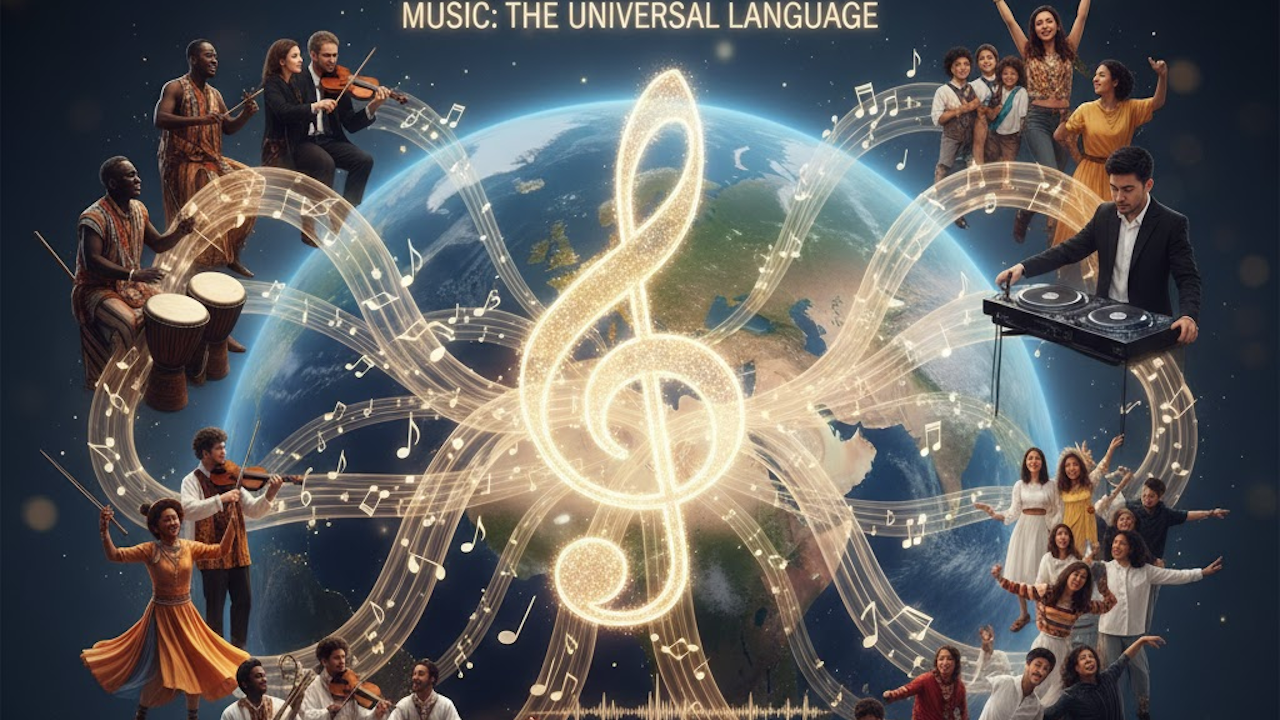
Music has long served as one of humanity’s most powerful tools for connection. Across continents, generations, and divides of language, class, and belief, it weaves individuals into shared experiences that transcend barriers. From the rhythmic chants of ancient tribal gatherings to the global streaming playlists of today, music acts as a universal language that speaks directly to the human spirit. This article explores the multifaceted ways in which music functions as a connector, drawing on its historical roots, emotional resonance, cultural exchanges, social movements, and enduring role in fostering empathy and unity.
At its core, music taps into fundamental aspects of human biology and psychology. Research in neuroscience reveals that listening to or performing music activates multiple regions of the brain simultaneously, including those responsible for emotion, memory, and motor control. When people engage with music together, whether in a concert hall or around a campfire, their brain waves can synchronize, creating a sense of collective harmony. This phenomenon, often called entrainment, explains why crowds at live events feel profoundly linked, as if moving and feeling as one. Oxytocin, the hormone associated with bonding and trust, surges during musical activities, strengthening interpersonal connections. These biological underpinnings make music not merely an art form but a physiological bridge that unites strangers in moments of joy, sorrow, or reflection.
Historically, music has connected communities since the dawn of civilization. In prehistoric societies, early humans likely used drumming and vocalizations to coordinate hunts, signal dangers, and celebrate harvests. Ancient civilizations built upon these foundations. In Mesopotamia, epic tales were sung to preserve cultural knowledge and foster group identity. Egyptian temples echoed with hymns that linked worshippers to their gods and to one another. Indigenous cultures around the world, from the Aboriginal Australians with their didgeridoo traditions to Native American powwow songs, have employed music to mark rites of passage, heal the sick, and maintain social cohesion. These practices were not isolated; trade routes and migrations carried melodies and instruments across regions, blending sounds and stories. The Silk Road, for instance, facilitated the exchange of musical ideas between East and West, introducing new scales and rhythms that enriched local traditions.
Music’s capacity to cross cultural boundaries stands as one of its greatest strengths. Consider how African rhythms, carried through the transatlantic slave trade, transformed into blues, jazz, and rock and roll in the Americas. These genres then circled back to influence global pop music. Today, a listener in Tokyo might groove to a K-pop track infused with Latin beats, while a fan in Lagos sways to reggae roots that originated in Jamaica. Such fusions highlight music’s role as a cultural diplomat. Artists like Bob Marley used reggae to spread messages of peace and unity worldwide, connecting disparate audiences through themes of resistance and hope. Similarly, classical composers such as Beethoven and Mozart drew from folk traditions, creating works that resonate across eras and nations. In classrooms and conservatories, students learn to appreciate gamelan orchestras from Indonesia alongside symphonies from Europe, broadening their worldview and cultivating respect for diversity.
In social and political spheres, music has repeatedly served as a catalyst for collective action and solidarity. During the civil rights movement in the United States, songs like “We Shall Overcome” became anthems that united marchers across racial lines. The anti-apartheid struggle in South Africa found voice in township music and the works of artists such as Miriam Makeba, whose performances galvanized international support. Protest songs throughout history, from Woody Guthrie’s folk tunes to modern hip-hop tracks addressing inequality, amplify marginalized voices and draw allies into the fold. Music festivals, such as Woodstock or Glastonbury, transform temporary gatherings into spaces where people from varied backgrounds share ideals of peace and freedom. Even in times of conflict, music offers solace and connection. Soldiers in wartime have sung together to maintain morale, while civilians in besieged cities have turned to communal singing for resilience.
Beyond large-scale movements, music strengthens everyday human relationships. Families bond over lullabies passed down through generations or through shared playlists during road trips. Friends discover common ground at concerts, where the energy of a favorite band dissolves awkwardness. In romantic contexts, songs often serve as emotional shorthand, expressing feelings that words alone cannot capture. For immigrants and diaspora communities, music preserves heritage while facilitating integration into new societies. A Colombian family in New York might host gatherings featuring cumbia rhythms, inviting neighbors to join and learn, thereby building bridges across ethnic lines. In therapeutic settings, music connects individuals with cognitive or emotional challenges to caregivers and peers, as seen in music therapy programs that aid those with autism, dementia, or trauma.
The digital age has amplified music’s connective power exponentially. Platforms like Spotify, YouTube, and TikTok allow instant sharing of tracks across oceans, enabling viral phenomena that unite millions. A song originating in a small studio in Seoul can inspire dance challenges in Brazil within days. Online communities form around niche genres, from electronic dance music subcultures to folk revivalists, providing belonging to those who feel isolated in their physical environments. Collaborative projects thrive as well, with artists from different countries producing tracks remotely via file sharing. These virtual connections often lead to real-world meetups, tours, and lifelong friendships. However, this accessibility also democratizes creation, allowing aspiring musicians from underrepresented regions to reach global audiences without traditional gatekeepers.
Music further promotes empathy by inviting listeners into others’ emotional worlds. When someone immerses in a traditional Irish ballad or a Punjabi bhangra beat, they encounter perspectives shaped by distinct histories and struggles. This vicarious experience fosters understanding and reduces prejudice. Studies in social psychology support this, showing that exposure to diverse musical styles correlates with increased openness to other cultures. In educational programs worldwide, integrating world music curricula helps young people develop global citizenship skills. Choirs and orchestras composed of members from varied backgrounds exemplify teamwork, as participants must listen attentively, adjust timing, and harmonize literally and figuratively.
Challenges exist, of course. Commercialization can dilute authentic traditions, and debates over cultural appropriation sometimes strain cross-cultural exchanges. Yet, when approached with respect and collaboration, these interactions enrich rather than diminish. Genres evolve through respectful borrowing, much like languages incorporate loanwords to expand expression. The key lies in mutual appreciation rather than exploitation.
Looking ahead, music’s role as a universal connector seems poised to grow. As climate change and technological shifts reshape societies, shared sonic experiences may help address collective anxieties and inspire cooperative solutions. Initiatives blending music with environmental advocacy, such as benefit concerts or eco-themed albums, already demonstrate this potential. Virtual reality concerts could further dissolve geographical limits, allowing people from remote areas to participate in immersive global events. Artificial intelligence might generate hybrid compositions that blend styles in novel ways, sparking fresh dialogues.
In essence, music connects because it mirrors the human condition in all its complexity. It evokes laughter and tears, movement and stillness, solitude and togetherness. Whether through a simple melody hummed by a parent to a child or an elaborate symphony performed for thousands, it reminds us of our shared humanity. In a world often fractured by differences, music offers a harmonious path forward, inviting everyone to listen, participate, and belong. Its rhythms pulse through history and into the future, binding hearts and minds in ways few other forces can match. As societies continue to evolve, embracing music’s connective essence will remain vital for nurturing understanding, compassion, and unity among all people.