

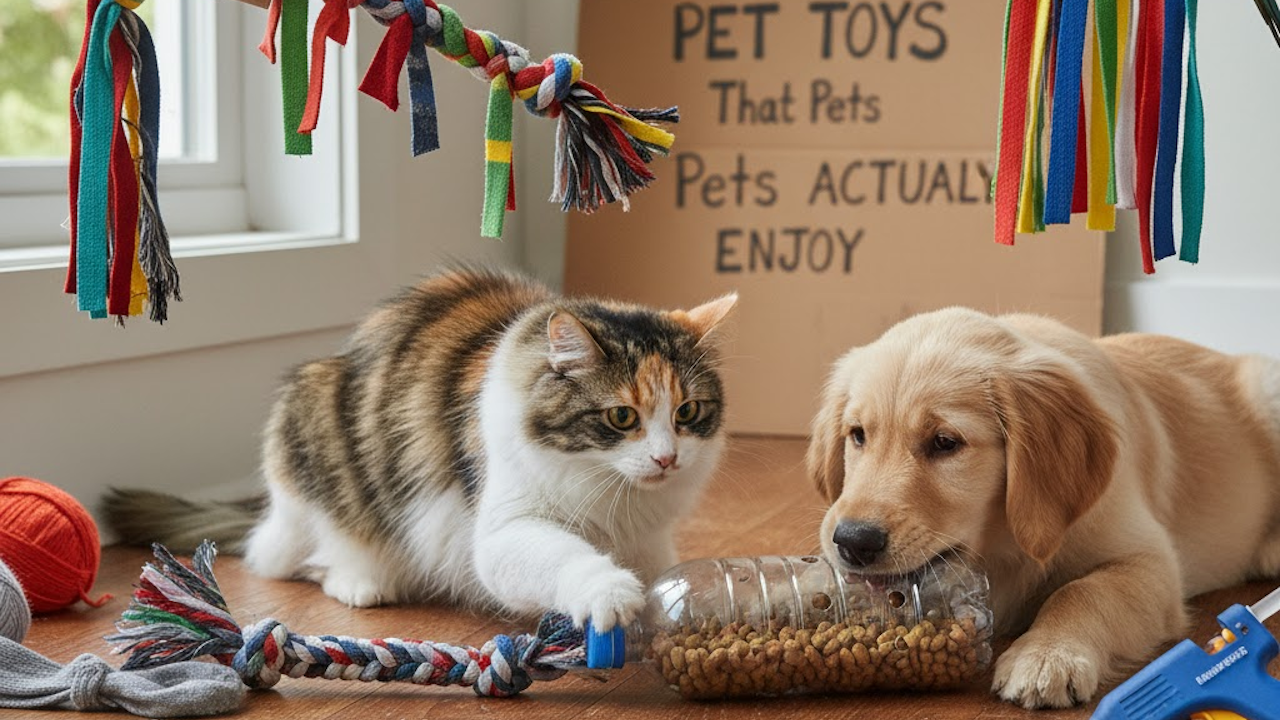
Pets bring immense joy to our lives, but keeping them entertained can sometimes feel like a challenge, especially with store-bought toys that break quickly or cost a small fortune. The good news is that you can create highly engaging toys right at home using everyday household items. These DIY options not only save money but also allow you to customize them to your pet’s preferences, ensuring they stay interested and active. Many pet owners report that their animals play longer and more enthusiastically with homemade toys because they carry familiar scents and offer unique textures.
Homemade toys encourage natural behaviors like chasing, chewing, foraging, and exploring. They promote physical exercise, mental stimulation, and bonding time between you and your pet. Best of all, most projects take under 30 minutes and require minimal supplies. This article explores a wide range of simple ideas for dogs, cats, birds, and small animals. Each section includes clear instructions, suggested materials, and tips for maximizing enjoyment. Always prioritize safety by choosing non-toxic materials and supervising play sessions, especially with new toys.
Why DIY Toys Work So Well for Pets
Pets often tire of mass-produced items that lack variety or personal touch. A toy you make carries your scent, which many animals find comforting and motivating. DIY projects let you adjust size, texture, and difficulty to match your pet’s age, breed, and energy level. For instance, puppies and kittens benefit from softer options, while older pets might prefer gentler puzzles that avoid joint strain.
Another advantage is environmental friendliness. Repurposing old socks, boxes, and bottles reduces waste. These toys also foster creativity on your part and provide an opportunity to observe what truly captivates your companion. Studies in animal behavior suggest that interactive and puzzle-style toys reduce boredom-related issues like excessive barking or destructive scratching.
Before starting any project, inspect materials for small parts that could become choking hazards. Avoid strings longer than a few inches for unsupervised play, and replace toys as soon as they show wear. Rotate toys weekly to keep interest high.
DIY Toys for Dogs
Dogs thrive on toys that satisfy their instincts to chew, tug, and problem-solve. Here are several easy options that consistently rank high in pet enjoyment.
Braided Fleece Tug Toy
This classic tugger is durable and gentle on teeth. It works wonderfully for interactive play sessions.
Materials: Three strips of fleece fabric, each about 3 feet long and 4 inches wide. Old blankets or T-shirts work as substitutes.
Instructions:
- Tie a knot at one end of the three strips gathered together.
- Braid the strips tightly all the way down.
- Tie another secure knot at the opposite end.
- Trim any loose threads.
To enhance appeal, rub the toy on your hands or hide a few treats inside the braid. Most dogs love the resistance during tug-of-war, and the soft texture prevents gum irritation. For larger breeds, use longer or thicker strips. Play in short bursts to avoid overexertion.
Stuffable Sock and Bottle Toy
A noisy, bouncy option that combines chasing with light chewing.
Materials: Clean old sock, empty plastic water bottle (label removed), optional treats or kibble.
Instructions:
- Place the bottle inside the sock.
- Tie the open end of the sock securely with a knot or string.
- For added fun, sprinkle a few kibble pieces inside before sealing.
Dogs enjoy the crinkling sound and the challenge of extracting treats. This toy is ideal for indoor play on rainy days. Replace the sock when it frays to maintain safety. Many owners note their dogs carry this toy around proudly like a trophy.
Cardboard Box Puzzle Feeder
Mental stimulation at its finest. This encourages foraging behavior similar to hunting.
Materials: Several cardboard boxes of varying sizes, scissors, treats or kibble, tape.
Instructions:
- Cut small holes in the sides of a large box.
- Place smaller boxes or toilet paper rolls inside, some filled with treats.
- Scatter kibble throughout the structure.
- Seal loosely with tape so the dog can tear it open.
Start simple for beginners and increase complexity as your dog masters it. This toy keeps clever breeds like Border Collies or Labradors occupied for 20 to 30 minutes. Monitor closely to prevent excessive ingestion of cardboard.
Frozen Treat Dispenser
Perfect for hot days or teething puppies.
Materials: Empty yogurt container or Kong-style rubber toy (if available), peanut butter (xylitol-free), fruits like banana or blueberries, water or broth.
Instructions:
- Mix treats with a bit of water or low-sodium broth.
- Pour into the container.
- Freeze overnight.
- Serve outside or on a mat to minimize mess.
Dogs lick and chew enthusiastically as the frozen contents slowly release. This provides cooling relief and longer-lasting entertainment than regular chews.
DIY Toys for Cats
Cats prefer toys that mimic prey movement and offer hiding spots. They respond best to items with unpredictable motion or interesting textures.
Feather Wand Teaser
An interactive favorite that taps into hunting instincts.
Materials: Wooden dowel or stick, string or yarn (6 to 12 inches), feathers, bells, or fabric scraps.
Instructions:
- Tie the string securely to one end of the dowel.
- Attach feathers or fabric strips to the free end of the string.
- Add a bell for extra auditory appeal.
Wave the wand in erratic patterns across the floor or in the air. Cats love pouncing and batting. Limit sessions to 10 or 15 minutes to prevent overstimulation. Store out of reach when not in use to avoid strangulation risks.
Crinkle Ball Collection
Simple yet endlessly entertaining due to the sound and lightweight bounce.
Materials: Aluminum foil, old wrapping paper, or tissue paper.
Instructions:
- Crumple foil or paper into a ball shape about 1 to 2 inches in diameter.
- Roll multiple balls for variety.
- For durability, wrap in tape.
Toss these across the room or place them in a box for batting practice. Cats often chase them under furniture, providing natural exercise. Refresh the collection frequently as they flatten over time.
Cardboard Scratcher and Tunnel
Combines scratching satisfaction with exploration.
Materials: Cardboard boxes, non-toxic glue or tape, old carpet scraps or sisal rope (optional).
Instructions:
- Cut an entry hole in one side of a sturdy box.
- Layer cardboard inside for scratching surfaces.
- Connect multiple boxes with tunnels by cutting matching holes and taping edges.
- Sprinkle catnip inside for added attraction.
This setup appeals to territorial instincts and provides a safe hideaway. Many cats spend hours rearranging and scratching the surfaces. Replace cardboard when it becomes too shredded.
Toilet Paper Roll Treat Dispenser
A quick puzzle toy that promotes paw dexterity.
Materials: Empty toilet paper or paper towel rolls, scissors, dry cat food or treats.
Instructions:
- Fold or pinch the ends of the roll closed.
- Cut several small holes along the sides.
- Insert treats so they fall out only when rolled.
Cats bat and roll the tube to release rewards. This keeps indoor cats mentally sharp and reduces mealtime boredom.
DIY Toys for Birds and Small Animals
Birds and pocket pets enjoy toys focused on foraging, climbing, and chewing.
Foraging Paper Wrap for Birds
Materials: Plain white paper, bird-safe pellets or seeds, small wooden beads.
Instructions:
- Place treats in the center of a sheet of paper.
- Wrap loosely like a parcel.
- Tie with strips of paper or safe string.
- Hang or place in the cage.
Parrots and smaller birds shred the wrapping eagerly. This mimics natural food-seeking and prevents obesity from boredom eating.
Swing and Ladder Combo
Materials: Wooden dowels, natural rope or chain (bird-safe), non-toxic fasteners.
Instructions:
- Cut dowels to desired lengths.
- Thread rope through holes drilled in dowels.
- Secure knots to form a ladder or A-frame swing.
- Attach to cage sides.
Birds love the movement and perching variety. Observe your pet to ensure the height suits their size.
Hamster or Guinea Pig Tunnel System
Materials: Paper towel rolls, cardboard tubes, shoeboxes.
Instructions:
- Connect tubes by cutting slots and fitting them together.
- Create junctions with boxes for resting spots.
- Line with hay or bedding for comfort.
Small animals explore these mazes repeatedly. Add fresh hay daily to maintain interest and support dental health through natural chewing.
General Tips for Success and Safety
Observe your pet during initial play to gauge preferences. Some dogs ignore soft toys in favor of noisy ones, while certain cats prefer high vantage points for batting. Introduce one toy at a time to avoid overwhelming choices.
Use only safe materials: avoid chocolate, onions, grapes, or anything with sharp edges. For chewers, steer clear of painted or treated wood. Wash fabric toys regularly in pet-safe detergent.
Incorporate training by using toys as rewards. Hide treats in puzzles to build confidence and problem-solving skills. For multi-pet households, create personalized versions to prevent resource guarding.
Rotate toys every few days and retire damaged ones promptly. This maintains novelty and reduces the risk of injury from loose threads or broken pieces.
Consider your pet’s health status. Consult a veterinarian if your animal shows disinterest in play, which could signal underlying issues. Senior pets or those with mobility challenges benefit from low-impact options like soft balls or elevated platforms.
Conclusion
Creating easy DIY pet toys is a rewarding way to strengthen your bond while providing enrichment that store options often cannot match. From braided tugs for energetic dogs to crinkle balls for playful cats, these projects deliver hours of genuine enjoyment. The best part is the flexibility. Experiment with colors, scents, and textures based on what your pet responds to most enthusiastically.
Start with one or two ideas this weekend using items already in your home. You will likely be surprised by how quickly your pet takes to them and how much personality shines through during play. Happy crafting, and may your home be filled with wagging tails, purring contentment, and lively exploration for years to come. Your pet will thank you with extra cuddles and zoomies.