

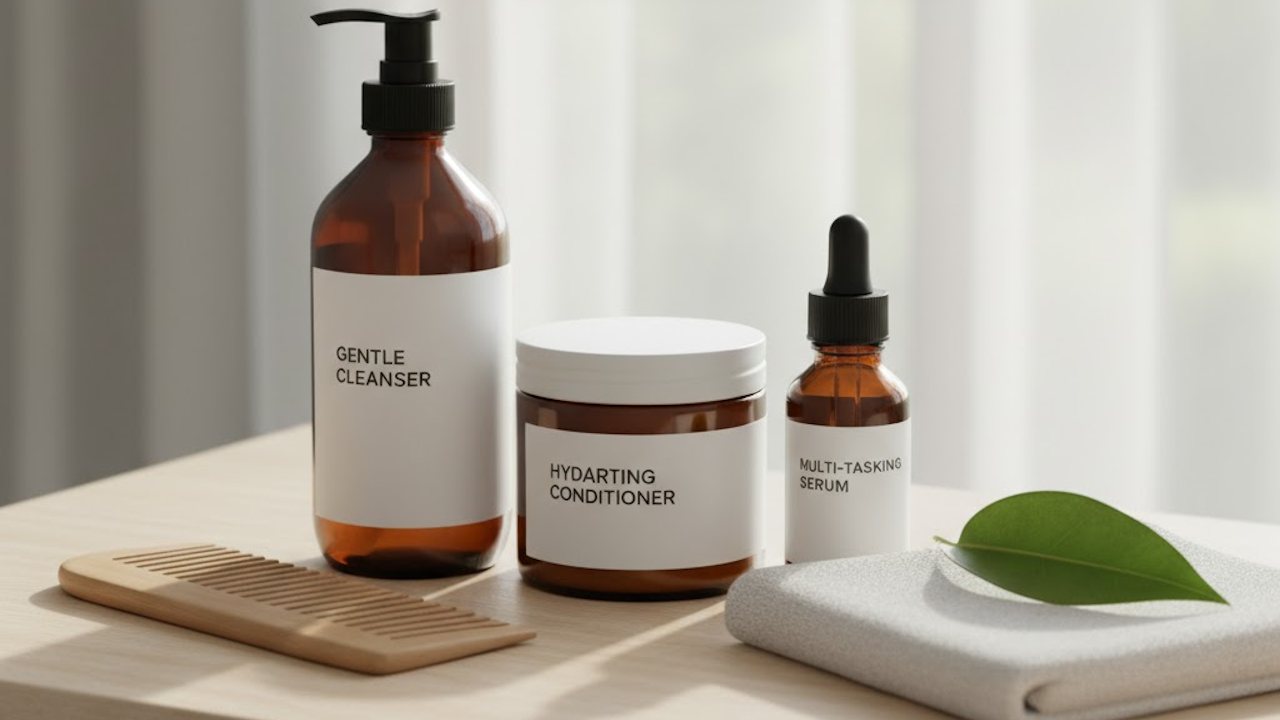
In a beauty world saturated with serums, masks, sprays, and multi-step regimens promoted across social media and store shelves, it is easy to assume that achieving healthy, shiny, and resilient hair demands an elaborate collection of products and daily rituals. Yet many people discover the opposite holds true. A minimalist hair care routine, built around a small number of high-quality essentials used consistently, often produces better results than complicated systems. It saves time, reduces decision fatigue, lowers costs, and minimizes product buildup that can actually harm hair and scalp over time.
Minimalist hair care does not mean neglecting your hair or settling for the bare minimum. It means choosing intentional, effective steps that support the natural biology of hair and scalp rather than overwhelming them. When done correctly, these routines work because they address root causes of common issues such as dryness, oiliness, breakage, and dullness instead of masking symptoms with layers of product. The approach prioritizes scalp health, gentle cleansing, targeted moisture, and protection while eliminating anything unnecessary. Over time, hair becomes stronger, more manageable, and closer to its natural best state.
The Science of Hair and Scalp Health
Hair is primarily composed of keratin, a tough protein that forms the shaft visible above the scalp. Each strand features an outer cuticle layer of overlapping scales, a cortex that provides strength and color, and sometimes a central medulla. The health of this structure depends heavily on the scalp beneath it. The scalp is living skin containing hair follicles, sebaceous glands that produce sebum (natural oil), and a delicate microbiome. Sebum coats the hair, providing lubrication, moisture retention, and a protective barrier against environmental stressors.
When the scalp barrier functions well and the microbiome stays balanced, hair grows stronger and appears healthier. Disruptions occur easily with harsh surfactants, frequent overwashing, or heavy product layering. Sulfates in many conventional shampoos can strip natural oils too aggressively, leading to compensatory oil production or dryness that prompts more products. Silicones and certain polymers create buildup that weighs hair down and blocks moisture absorption. Over time, this cycle of irritation and compensation creates the very problems people try to solve with more purchases.
Research on scalp barrier health highlights how inflammation, oxidative stress, and microbiome imbalance contribute to issues like dandruff, sensitivity, and compromised hair growth. Maintaining an appropriate pH (generally 3.5 to 6.5 for hair and scalp) and avoiding constant stimulation supports the skin’s natural repair processes. A minimalist routine respects these realities by using fewer, gentler interventions that allow the scalp to self-regulate. The result is often less breakage, better elasticity, and natural shine without artificial coatings.
Core Principles of Minimalist Hair Care
Successful minimalist routines rest on several foundational ideas. First, understand your hair before adding anything. Hair type (straight, wavy, curly, or coily), porosity (how readily it absorbs and holds moisture), density, and current condition matter far more than following generic trends. Someone with fine, oily hair needs very different support than someone with thick, dry, curly hair. Self-assessment prevents wasting effort on mismatched products.
Second, prioritize quality and multifunctionality over quantity. One well-formulated shampoo and one conditioner that suit your needs outperform three or four specialized bottles. Look for pH-balanced formulas free from harsh sulfates, parabens, and unnecessary fragrances when possible. Ingredients such as gentle surfactants, fatty alcohols, and cationic conditioning agents help cleanse without stripping while depositing moisture and smoothing the cuticle.
Third, place scalp health first. Clean, balanced scalp conditions create the foundation for everything else. This often means focusing cleansing on the scalp rather than the lengths and incorporating gentle massage to support circulation without overstimulating.
Fourth, embrace consistency over intensity. Simple steps performed regularly deliver compounding benefits. A deep treatment once a week or every two weeks often achieves more than daily heavy masking. Patience is essential; hair changes take weeks to months as new growth emerges and existing strands recover.
Fifth, protect rather than repair constantly. Mechanical damage from tight styles, heat tools, and friction during sleep accumulates quickly. Minimalist protection through habits like air drying, loose styles, and smooth pillowcases prevents the need for corrective products later.
Finally, listen and adjust. Hair responds to seasons, hormones, diet, stress, and lifestyle. A routine that works in winter may need slight tweaks in humid summer months. The goal is a flexible framework, not rigid rules.
Essential Products in a Minimalist Setup
Most effective minimalist routines center on two or three core items. A gentle, sulfate-free shampoo serves as the primary cleanser. It removes dirt, excess sebum, and sweat without completely stripping protective oils. For some hair types, especially curly or coily textures, a co-wash (conditioner-based cleanser) or low-poo option reduces cleansing frequency further while maintaining moisture.
Conditioner follows as the main hydrator and detangler. Applied primarily to mid-lengths and ends, it smooths the cuticle, reduces tangles, and improves manageability. Choose one with good slip and nourishing ingredients rather than heavy butters that may weigh hair down.
An optional third item is a lightweight hair oil or serum used sparingly on damp or dry ends. Argan, jojoba, or similar plant oils help seal moisture, tame frizz, and add shine without greasiness when used in small amounts. This single product can replace multiple styling aids.
Occasional treatments round out the kit without complicating daily life. A clarifying shampoo or treatment used every two to four weeks removes any buildup from hard water, styling products, or minerals. A deep conditioner or protein treatment applied once weekly or biweekly addresses specific concerns like damage or dryness. These are tools for maintenance, not everyday requirements.
Avoid accumulating leave-in conditioners, creams, mousses, gels, and serums unless one truly serves multiple purposes. Many people find their hair performs best with just the basics once buildup clears and natural balance returns.
Step-by-Step Basic Minimalist Routine
A typical routine for most hair types involves washing two to three times per week, adjusting based on activity level, climate, and oil production. On non-wash days, refresh with water or a light mist if needed, or simply protect overnight.
Begin with optional pre-poo for very dry or damaged hair: apply a small amount of oil to the scalp and lengths 30 minutes to a few hours before washing. This provides extra lubrication during cleansing.
Wet hair thoroughly. Apply shampoo to the scalp and massage gently with fingertips in circular motions for one to two minutes. This cleanses effectively while stimulating blood flow. Rinse thoroughly until water runs clear. Avoid scrubbing the lengths aggressively.
Apply conditioner from mid-lengths to ends, avoiding the roots unless hair is extremely dry. Allow it to sit for two to five minutes (or longer for a deeper effect). Detangle gently with a wide-tooth comb while the conditioner is in place to minimize breakage. Rinse well with cool water to help seal the cuticle.
If using a leave-in or oil, apply a small amount to damp hair, focusing on ends. Scrunch or gently squeeze excess water rather than rubbing with a towel. Air dry when possible. For styling, opt for simple techniques like loose braids, twists, or clips that avoid tension.
At night, sleep on a satin or silk pillowcase or wear a loose bonnet or scarf. These reduce friction that causes breakage and cuticle damage far more effectively than many repair products.
This entire process typically takes under 15 minutes once familiar. The emphasis remains on thorough rinsing and gentle handling rather than multiple layers.
Tailoring the Routine to Different Hair Types and Concerns
Adaptations keep the minimalist spirit while meeting specific needs. For oily scalp and fine hair, wash slightly more often (every two to three days) with a lightweight, clarifying-leaning shampoo. Focus cleansing strictly on the scalp and use minimal or no conditioner on roots. A light oil on very ends only prevents dryness without weighing strands down. Clarify every one to two weeks if buildup appears quickly.
Dry or damaged hair benefits from less frequent washing (once or twice weekly) and emphasis on moisture. Use a richer conditioner and consider a weekly deep conditioning treatment. Pre-poo with oil becomes more valuable. Protein treatments every few weeks can help if elasticity feels low, but alternate with moisture-focused care to avoid brittleness. Protective nighttime habits and minimal heat use speed recovery.
Curly and coily hair often thrives with the “low-poo” or co-wash approach to preserve natural oils and curl pattern. Conditioner or a dedicated co-wash replaces traditional shampoo most wash days. Apply generously and use the LOC (liquid, oil, cream) method in a simplified form: water or leave-in mist, then a drop of oil, skipping heavy creams if hair responds well to less. Pineapple or loose protective styles at night maintain definition and reduce tangles.
Color-treated or chemically processed hair requires extra caution with cleansing frequency and product choice. A color-safe, gentle shampoo preserves vibrancy longer. Occasional bond-building or strengthening treatments fit the minimalist kit without expanding it. Always prioritize UV and heat protection when outdoors or styling.
Those with sensitive scalps or conditions like dandruff should focus even more on gentle, non-irritating formulas and consistent but not excessive cleansing. Scalp massage and occasional exfoliating treatments (gentle, non-abrasive) help without complicating the routine. If issues persist, underlying factors like diet or hormones may need attention alongside topical care.
Techniques and Habits That Amplify Results
Small supporting practices make a disproportionate difference. Scalp massage during washing or with clean fingers on non-wash days boosts circulation and helps distribute sebum naturally. Proper detangling in the shower with conditioner prevents the majority of breakage. Air drying or diffusing on low heat with a protectant (if heat is used) reduces thermal damage compared with daily hot tools.
Nighttime protection through smooth fabrics is one of the highest-impact, lowest-effort changes. It prevents the tangles and friction that lead many people to reach for more products in the morning. Loose, low-tension styles during the day further protect hair integrity.
Internal factors matter too. Adequate hydration, balanced nutrition including protein and healthy fats, and stress management support hair growth from within. While not strictly “hair care products,” these elements align with the minimalist philosophy of addressing root causes rather than symptoms.
Common Pitfalls and How to Avoid Them
Many people struggle with minimalist routines because old habits linger. Over-washing remains common, especially when hair feels oily; this often worsens oil production or dryness. Gradually extending time between washes while using gentle products helps retrain the scalp.
Product buildup sneaks in even with fewer items if rinsing is incomplete or hard water is an issue. Periodic clarifying solves this without daily intervention.
Mismatch between products and hair type causes frustration. Fine hair weighed down by rich butters or curly hair stripped by harsh cleansers both lead to adding more products to compensate. Starting simple and observing results over two to four weeks reveals what truly works.
Impatience leads to abandoning routines too soon. Hair grows about half an inch per month; visible improvements in strength and appearance take consistent effort across multiple growth cycles.
Finally, the temptation to add “just one more” product when seeing an appealing new launch undermines the entire approach. Commit to testing changes slowly and only when a clear need exists.
Long-Term Benefits and Sustainability
People who adopt minimalist hair care routines frequently report stronger hair with less breakage, improved manageability, natural shine, and reduced scalp issues within a few months. The mental relief of a simplified shelf and shorter routine adds daily ease. Financial savings accumulate quickly when replacing multiple bottles with one or two effective ones that last longer.
Environmentally, fewer products mean less packaging waste and lower resource use in manufacturing and shipping. Many minimalist enthusiasts also appreciate supporting brands with transparent, simpler ingredient lists.
The greatest long-term reward is learning to work with your hair rather than against it. As hair regains its natural resilience, the need for corrective products diminishes further, creating a virtuous cycle of simplicity and health.
Conclusion
Minimalist hair care routines that actually work prove that less really can deliver more when the focus stays on fundamentals. By understanding your hair and scalp, selecting a handful of effective products, maintaining consistency, and protecting against damage, you create conditions for hair to thrive naturally. The path involves some initial experimentation and patience, but the destination is simpler daily life and hair that looks and feels its best without constant intervention.
Start with the basics: a gentle shampoo, a good conditioner, mindful washing frequency, and protective habits. Observe how your hair responds, make small adjustments, and resist the urge to complicate. Over time, you will likely find that the healthiest hair comes not from doing more, but from doing what matters with intention and care. Your hair, your schedule, and your peace of mind will thank you.