

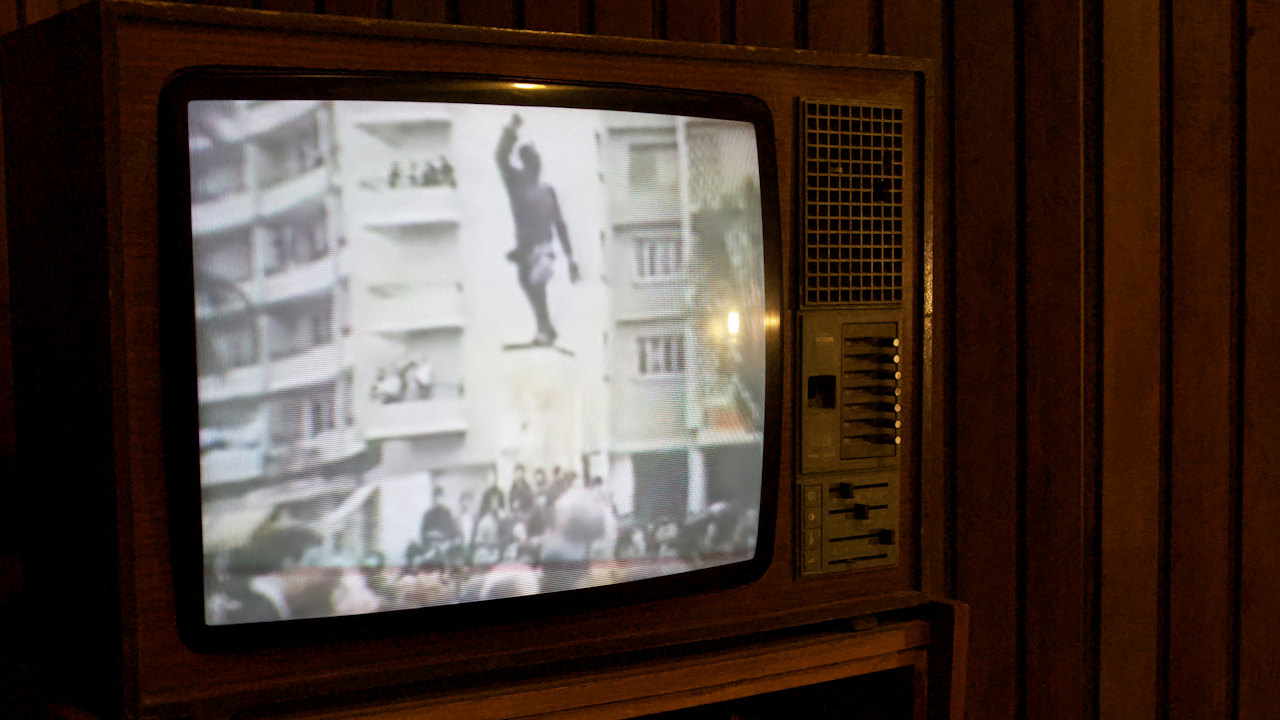
TV shows have long served as a mirror to society’s deepest anxieties, channeling collective fears into compelling narratives that entertain while revealing what keeps us up at night. From the early days of broadcast television to the streaming era, these programs distill cultural concerns into stories of horror, drama, and speculative fiction. They do not merely reflect the times. They amplify them, offering viewers a safe space to confront threats that feel too large or abstract in real life. This article explores how television programming has evolved alongside shifting cultural fears, examining key themes, historical patterns, and the psychological mechanisms at play.
The relationship between television and fear is rooted in the medium’s accessibility and emotional power. Unlike books or films, which require more deliberate engagement, TV enters homes weekly or daily, becoming part of everyday routines. This intimacy allows shows to tap into widespread societal moods. During periods of stability, programming often leans toward escapism. In times of uncertainty, it turns darker, exploring dystopias, monsters, and moral decay. Sociologists and media scholars have noted this pattern for decades, pointing out that popular culture functions as a barometer for public sentiment.
In the post-World War II era, American television frequently reflected fears of nuclear annihilation and communist infiltration. Shows like “The Twilight Zone,” which premiered in 1959, used science fiction and horror to comment on Cold War paranoia. Episodes depicted ordinary people facing extraordinary threats, such as alien invasions or time travel mishaps that symbolized loss of control. These stories captured the anxiety of a nation living under the shadow of the atomic bomb. Viewers saw their own dread of sudden destruction mirrored in tales of suburban families encountering the unknown. The program’s creator, Rod Serling, drew from real-world events to craft allegories that felt urgent and personal.
The 1960s and 1970s brought new layers of unease as social upheavals intensified. Civil rights struggles, the Vietnam War, and environmental concerns found their way into programming. “Star Trek” presented an optimistic future but still grappled with issues of prejudice and technological overreach. Meanwhile, horror-tinged series like “Night Gallery” continued the tradition of exploring the uncanny. By the 1970s, economic stagflation and oil crises fueled worries about resource scarcity and institutional failure. Police procedurals and urban dramas often highlighted fears of rising crime and social breakdown in American cities.
The 1980s marked a shift toward fears of technological dominance and family dissolution. As personal computers entered homes and the AIDS epidemic emerged, shows began addressing invisible threats and changing social norms. “The Day After,” a 1983 television movie, depicted the aftermath of nuclear war in graphic detail, reaching an estimated 100 million viewers and sparking national conversations about deterrence policies. Its impact demonstrated television’s ability to make abstract geopolitical fears visceral and immediate. During this decade, family sitcoms often contrasted with darker undercurrents in speculative fiction, revealing tensions between surface prosperity and underlying instability.
The 1990s introduced anxieties around globalization, identity, and the erosion of privacy. Series like “The X-Files” perfectly encapsulated millennial fears of government conspiracy, alien abduction, and unexplained phenomena. Running from 1993 to 2002, it tapped into distrust of official institutions at a time when scandals like Watergate lingered in memory and new revelations about intelligence agencies surfaced. The show’s tagline, “The Truth Is Out There,” resonated because many viewers suspected hidden truths in their own government and corporations. Episodes explored genetic engineering, pandemics, and mind control, foreshadowing later debates on biotechnology and surveillance.
As the new millennium approached, Y2K panic briefly dominated cultural discourse. Television responded with specials and episodes imagining technological collapse. Once the date passed without catastrophe, fears pivoted toward other frontiers. The terrorist attacks of September 11, 2001, profoundly reshaped programming. In the years that followed, shows like “24” dramatized ticking-bomb scenarios and counterterrorism efforts, reflecting public anxiety about asymmetric warfare and the ethics of security measures. While entertaining, these narratives sometimes reinforced a worldview where constant vigilance against external threats was necessary, mirroring real policy shifts toward expanded surveillance.
The financial crisis of 2008 amplified economic insecurities. Dramas such as “Breaking Bad” portrayed ordinary individuals driven to moral extremes by financial desperation. Walter White’s transformation from teacher to drug kingpin embodied fears of downward mobility, healthcare inadequacy, and the fragility of the middle class. The series resonated because it captured a widespread sense that the system had failed many hardworking people. Similarly, “The Wire” offered a sprawling examination of institutional decay in Baltimore, touching on poverty, corruption, and the war on drugs. These shows did not shy away from systemic problems. They made them personal through complex characters.
Technological fears have grown increasingly prominent in recent decades. Streaming platforms have enabled a boom in dystopian and horror series that probe artificial intelligence, social media, and data privacy. “Black Mirror,” which debuted in 2011, stands as a prime example. Each standalone episode functions as a cautionary tale about humanity’s relationship with technology. One installment depicts a world where social credit ratings determine life opportunities, echoing concerns about surveillance capitalism. Others explore memory implants, virtual realities that blur with the physical world, and algorithms that predict or control behavior. The show’s enduring popularity stems from its ability to make abstract digital-age anxieties concrete and emotionally charged.
Environmental fears have also taken center stage. Climate change, once a background concern, now drives entire plotlines. Series like “The Leftovers” and “Station Eleven” imagine post-apocalyptic or near-apocalyptic scenarios triggered by sudden disasters. “The Walking Dead” franchise, while ostensibly about zombies, frequently functions as an allegory for societal collapse amid resource scarcity and pandemics. Its long run allowed it to reflect evolving worries, from post-9/11 security to economic inequality and, later, global health crises. Zombie narratives in general have proven remarkably adaptable. They externalize fears of contagion, loss of civilization, and the breakdown of social bonds.
The COVID-19 pandemic accelerated certain trends while introducing new ones. During lockdowns, viewership surged for shows that either escaped reality or directly addressed isolation and disease. “The Mandalorian” offered heroic adventure, but darker fare like “Contagion” saw renewed interest as a film, and new series explored themes of quarantine and misinformation. Post-pandemic programming has leaned into fears of authoritarianism, supply chain fragility, and mental health decline. “Squid Game” became a global phenomenon partly because its brutal competition metaphorically captured economic desperation and class warfare in an era of widening inequality.
Gender, race, and identity anxieties have found expression in both progressive and reactionary storytelling. Horror series often use the genre’s conventions to explore the fear of the “other,” whether that means immigrants, technological hybrids, or shifting cultural norms. “American Horror Story” anthologies cycle through different fears each season, from haunted houses symbolizing repressed trauma to cults representing blind adherence to ideology. These shows reveal how cultural fears intersect with personal ones. A story about a demonic possession might simultaneously address religious doubt, mental illness, and generational conflict.
Psychologically, television’s reflection of fear serves several functions. It allows catharsis by providing narrative resolution that real life often lacks. Viewers experience terror in controlled doses, building resilience through exposure. This phenomenon, sometimes called “terror management,” helps people process existential threats. From a sociological perspective, shared viewing experiences foster collective identity. When millions watch the same show, they participate in a cultural conversation about what threatens their way of life. Discussions around water coolers or online forums extend the reflection process, turning passive consumption into active meaning-making.
Critics argue that television does more than reflect fears. It can exacerbate them by sensationalizing threats or promoting simplistic solutions. A steady diet of conspiracy thrillers might deepen public distrust in institutions. Conversely, optimistic programming can counterbalance despair. The balance between darkness and hope varies by era and platform. Cable and streaming have allowed for more nuanced explorations than network television once permitted, leading to richer character studies and moral ambiguity.
Economic factors also shape what fears reach the screen. Studios greenlight projects that align with audience data and advertiser interests. During prosperous times, lighter fare dominates. In recessions or crises, darker material finds traction. This commercial dynamic ensures that television remains responsive to cultural currents, though it can lead to echo chambers where certain fears are amplified while others are ignored.
Looking ahead, emerging technologies will likely spawn new subgenres. Virtual reality series, interactive storytelling, and AI-generated content could deepen immersion, making the reflection of fear even more potent. Concerns about deepfakes, autonomous weapons, and climate migration already appear in pilots and concepts. As society grapples with rapid change, television will continue translating those challenges into human dramas.
In conclusion, TV shows offer more than entertainment. They provide a cultural archive of what we fear most at any given moment. Whether depicting nuclear winter, digital overlords, viral outbreaks, or social fragmentation, these narratives help us name the unknown and imagine responses to it. By engaging with these stories, audiences confront their anxieties indirectly, gaining perspective and sometimes even inspiration. As long as uncertainty exists, television will reflect it back to us, frame by frame, episode by episode. Understanding this dynamic enriches not only our viewing habits but also our awareness of the world around us. The small screen, in its many forms, remains one of the most powerful tools for decoding the human condition in times of collective unease.