

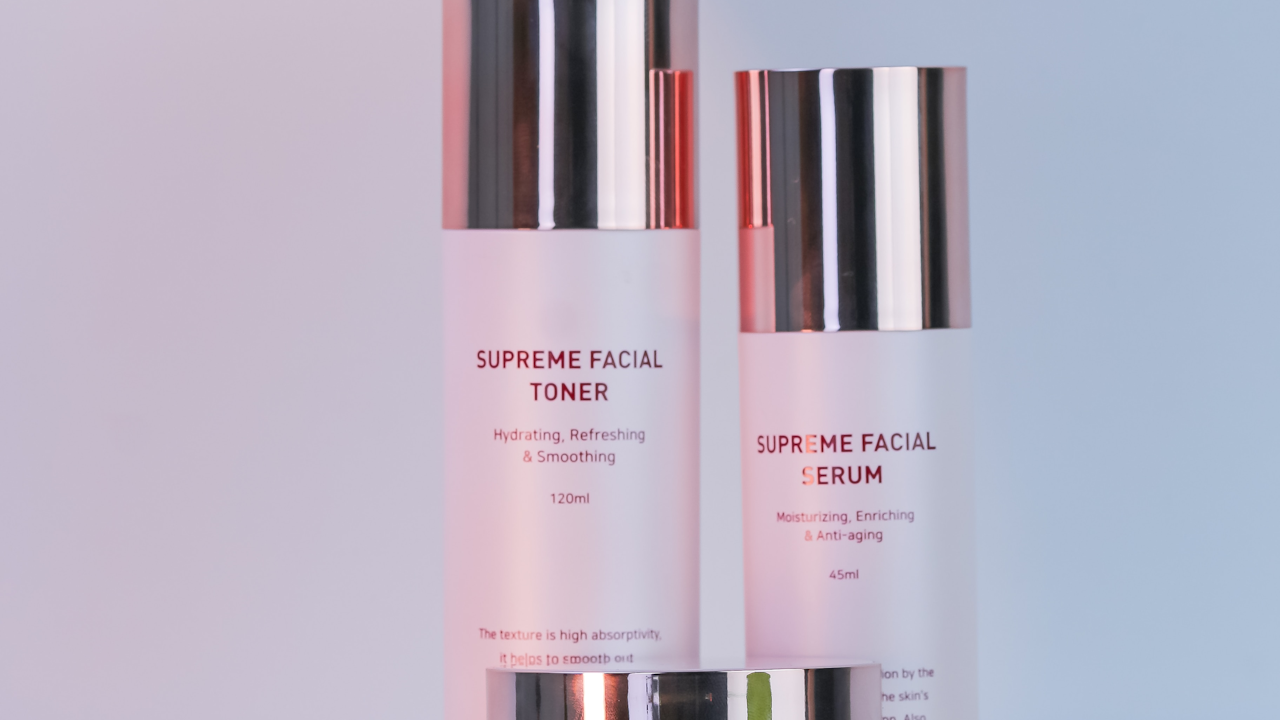
Skincare is not a one-size-fits-all routine that remains static throughout the year. Just as you swap out heavy coats for lightweight jackets as the weather shifts, your skin requires adjustments to thrive amid changing temperatures, humidity levels, sunlight exposure, and environmental factors. Seasonal transitions can influence oil production, moisture retention, sensitivity, and even the appearance of fine lines or breakouts. By proactively adapting your routine, you can maintain a healthy skin barrier, prevent common issues, and achieve a radiant complexion year-round.
This comprehensive guide explores why skin changes with the seasons and provides detailed strategies for transitioning your skincare routine during spring, summer, fall, and winter. The key is gradual change: introduce new products one at a time over a week or two to monitor how your skin responds and avoid irritation. Always perform a patch test for new items, and consult a dermatologist for personalized advice, especially if you have conditions like acne, eczema, or rosacea.
Understanding How Seasons Affect Your Skin
Environmental shifts directly impact the skin’s outermost layer, known as the stratum corneum, which acts as a protective barrier. In colder, drier months, this barrier weakens, leading to moisture loss, flakiness, and tightness. Warmer, humid conditions can ramp up sebum (oil) production, resulting in shine, clogged pores, and potential breakouts. Sun exposure increases throughout the year but peaks in summer, accelerating aging and pigmentation if unprotected.
Factors like indoor heating, air conditioning, wind, pollen, and pollution further complicate matters. A consistent core routine (gentle cleansing, moisturizing, and sun protection) forms the foundation, but targeted tweaks optimize results. Listen to your skin: if it feels tight, dry, or oily, it is signaling a need for change.
General Tips for Smooth Seasonal Transitions
- Assess your skin weekly: Note changes in texture, oiliness, or sensitivity.
- Patch test and introduce slowly: Add one new product every few days.
- Clean your tools: Wash makeup brushes, sponges, and applicators regularly to prevent bacteria buildup.
- Stay consistent with basics: Use a gentle cleanser suited to your skin type, apply broad-spectrum sunscreen daily (SPF 30 or higher), and moisturize even if your skin feels oily.
- Hydrate internally: Drink plenty of water and eat antioxidant-rich foods like fruits and vegetables.
- Avoid extremes: Skip hot showers in winter or overly harsh scrubs in summer.
- Layer wisely: In transitional periods, use the “skin sandwich” method (thin layers of serum under moisturizer) for better absorption.
Now, let us break down adjustments for each season.
Spring: Renew and Refresh
Spring brings blooming flowers, rising temperatures, and increased humidity after winter’s dryness. Your skin may appear dull from accumulated dead cells, and pollen or allergens can trigger sensitivity or breakouts. This is the time to shed the heavy winter layers and focus on renewal.
Key skin concerns: Dullness, mild dryness transitioning to oiliness, potential allergies, and rising UV exposure.
Routine adjustments:
- Cleanser: Switch to a lighter, gel-based or foaming cleanser if your skin feels congested. Continue with a cream cleanser if still dry from winter. Cleanse twice daily to remove pollen and buildup.
- Exfoliation: Incorporate gentle chemical exfoliants like AHAs (glycolic or lactic acid) or BHAs (salicylic acid) one to two times per week. This removes dead skin and brightens without over-stripping. Avoid physical scrubs if sensitive.
- Serums: Add a vitamin C serum in the morning for brightening and antioxidant protection against emerging UV rays. A hyaluronic acid serum helps with hydration balance.
- Moisturizer: Transition from rich creams to lighter lotions or gel-creams. Look for water-based formulas with hyaluronic acid or ceramides to hydrate without heaviness.
- Sunscreen: Make broad-spectrum SPF 30+ non-negotiable every morning. Choose lightweight, matte finishes to prevent greasiness as humidity rises.
- Treatments: Consider a weekly hydrating mask or introduce niacinamide to calm inflammation and regulate oil.
Additional tips: Gradually reduce the thickness of nighttime oils or balms used in winter. If allergies flare, opt for soothing ingredients like centella asiatica or oat extracts. Spring is ideal for professional treatments like mild chemical peels to reset the skin.
Summer: Protect and Hydrate
Heat, humidity, sweat, and intense sun define summer. Skin often becomes oilier, leading to enlarged pores, breakouts, and dehydration despite the moisture in the air. Sun damage is the biggest threat, contributing to premature aging, hyperpigmentation, and increased skin cancer risk.
Key skin concerns: Oiliness, congestion, sunburn, dehydration (skin can feel tight underneath oil), and post-sun inflammation.
Routine adjustments:
- Cleanser: Use a gentle foaming or gel cleanser to remove sweat, sunscreen, and excess oil without stripping. Double cleanse in the evening if wearing makeup or heavy SPF.
- Exfoliation: Maintain one to two sessions per week with salicylic acid to prevent clogged pores, but reduce if irritation occurs from heat.
- Serums: Lightweight options like niacinamide for oil control and brightening, or antioxidants (vitamin C, E, ferulic acid) for daytime protection. Hyaluronic acid or aloe-based serums combat dehydration.
- Moisturizer: Opt for ultra-lightweight, oil-free, or gel formulations. Mattifying ingredients help control shine.
- Sunscreen: Reapply every two hours outdoors. Choose mineral or hybrid formulas that feel breathable. Tinted versions can double as light coverage. Never skip it, even on cloudy days.
- Treatments: Incorporate cooling masks with aloe or cucumber. Spot-treat breakouts with benzoyl peroxide or tea tree. Consider antioxidants at night to repair daily damage.
Additional tips: Use face mists for midday refreshment. Avoid heavy makeup and opt for non-comedogenic products. Post-beach or pool, rinse off chlorine or salt promptly. If your skin feels dehydrated, focus on humectants that draw in moisture. Summer routines should feel minimal and refreshing to prevent overload.
Fall: Repair and Restore
As temperatures drop and humidity decreases, skin begins to lose moisture more rapidly. Fall is a recovery period after summer’s sun exposure, perfect for addressing damage like dark spots, dryness, and weakened barrier function. This transitional season prepares skin for winter.
Key skin concerns: Increasing dryness, sensitivity, dullness from summer, and early signs of barrier compromise.
Routine adjustments:
- Cleanser: Move toward a hydrating, cream-based cleanser to avoid stripping natural oils as air dries out.
- Exfoliation: Continue gentle exfoliation but monitor for sensitivity. Introduce enzymes or milder acids if needed for renewal.
- Serums: Layer in repair-focused actives like retinol (start low strength if new to it) for cell turnover, or peptides for firmness. Vitamin C or niacinamide continues to fade summer pigmentation.
- Moisturizer: Gradually introduce richer creams or emulsions with ceramides, cholesterol, and fatty acids to rebuild the barrier. Occlusives like squalane or shea butter lock in moisture.
- Sunscreen: Keep using daily, as UV rays remain strong even as days shorten.
- Treatments: Add facial oils or overnight masks for extra nourishment. Consider professional facials for deep hydration and repair.
Additional tips: Layer products: serum, then moisturizer, then oil if very dry. Humidifiers indoors combat dry air. Fall is excellent for introducing or increasing retinoids slowly to minimize irritation before winter. Focus on barrier repair to prevent escalation of issues.
Winter: Hydrate and Protect
Cold winds, low humidity, indoor heating, and harsh elements make winter the driest season. Skin often becomes flaky, tight, itchy, or cracked, with exacerbated conditions like eczema. The goal is intensive hydration and protection against environmental stressors.
Key skin concerns: Severe dryness, barrier damage, redness, sensitivity, and reduced cell turnover leading to dullness.
Routine adjustments:
- Cleanser: Switch to a rich, creamy or oil-based cleanser that preserves oils. Limit to once daily if possible to avoid over-cleansing.
- Exfoliation: Reduce frequency to once a week or use very mild options to prevent further irritation.
- Serums: Hyaluronic acid for plumping, ceramide serums for repair, and occlusive ingredients. Antioxidants remain important.
- Moisturizer: Use thick creams, balms, or ointments with heavy emollients. Apply multiple layers or “slugging” (petroleum jelly over moisturizer) on very dry nights.
- Sunscreen: Continue daily use, especially if spending time outdoors in snow (which reflects UV rays).
- Treatments: Weekly rich masks, facial oils (like rosehip or argan), and humidifiers. Gentle massage improves circulation.
Additional tips: Shorten showers with lukewarm water. Apply moisturizer immediately after bathing. Wear protective clothing and gloves. Nighttime routines can be more occlusive. If skin cracks or bleeds, seek professional help promptly.
Maintaining Year-Round Skin Health
While seasonal tweaks are beneficial, some elements stay constant: daily SPF, consistent cleansing, and listening to your skin. Track your routine in a journal to identify what works best. Lifestyle factors like diet, sleep, stress management, and exercise profoundly influence skin resilience.
Invest in quality products suited to your skin type (dry, oily, combination, sensitive) and concerns. Ingredients like ceramides, hyaluronic acid, niacinamide, and antioxidants are versatile heroes across seasons. Avoid chasing trends; prioritize evidence-based care.
By thoughtfully transitioning your skincare with each season, you support your skin’s natural adaptability, reduce problems, and enjoy healthier, more balanced skin throughout the year. Small, consistent adjustments yield significant long-term benefits for both appearance and comfort. Remember, patience and observation are your best tools in crafting an effective, evolving routine.