

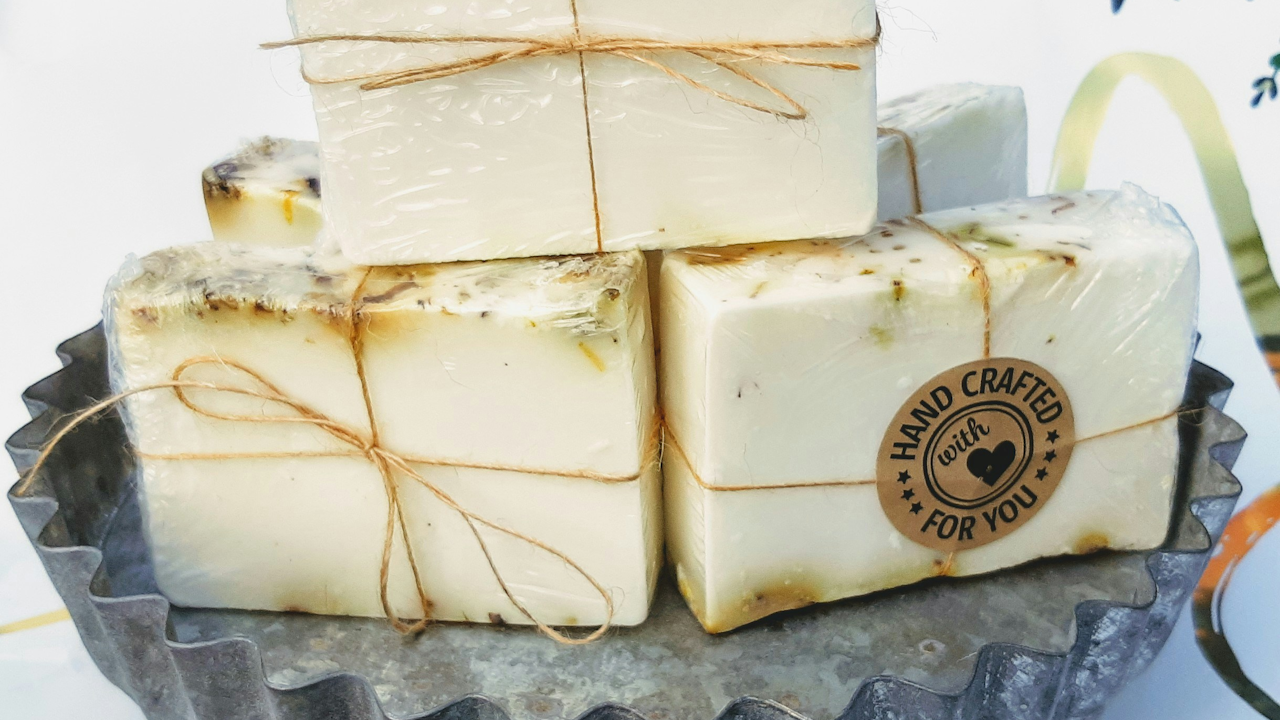
Making your own soap bars at home is a rewarding hobby that allows you to create personalized, natural cleaning products. Whether you want to avoid harsh chemicals found in commercial soaps, experiment with scents and colors, or produce gifts for friends and family, homemade soap offers endless possibilities. The process involves basic chemistry known as saponification, where fats or oils react with a strong base to form soap and glycerin. This article provides a comprehensive guide to getting started, focusing primarily on the cold process method, which is popular for producing solid bars. We will also touch on the hot process and other variations.
Understanding the Basics
Soap making dates back thousands of years, but modern techniques make it accessible for beginners. The key reaction is saponification: sodium hydroxide (lye) mixed with water creates a solution that combines with oils or fats to produce soap. This reaction generates heat and requires careful handling. The resulting soap contains glycerin, a natural moisturizer that many commercial manufacturers remove.
There are two main methods for bar soap: cold process and hot process. Cold process involves mixing ingredients at lower temperatures and allowing the soap to cure over weeks. Hot process cooks the mixture to speed up saponification. Melt and pour soap uses a pre-made base, which is simpler but less customizable at the molecular level.
Safety Precautions
Safety is paramount because lye is highly caustic and can cause severe burns or eye damage. Always work in a well-ventilated area, preferably outdoors or near an open window. Wear protective gear including safety goggles, long sleeves, gloves, and closed-toe shoes. Keep vinegar nearby to neutralize lye spills on skin. Never leave lye or the soap mixture unattended, especially around children or pets.
Measure all ingredients precisely using a digital scale. Lye and water should be weighed separately, and oils by weight. Adding water to lye generates intense heat and fumes; always add lye slowly to water, never the reverse. If you feel unwell or experience irritation, stop immediately and seek fresh air or medical help.
Materials and Equipment Needed
Gather these supplies before starting:
- Digital scale accurate to 0.1 grams
- Stainless steel or heat-safe plastic containers for mixing
- Immersion blender (stick blender)
- Soap molds (silicone molds work best for easy release)
- Thermometer
- Spatula and whisk
- Protective gear (goggles, gloves)
- pH strips or testing kit
For ingredients in a basic batch (yields about 8-10 bars):
- 16 ounces olive oil
- 8 ounces coconut oil
- 8 ounces palm oil (or substitute with more olive oil)
- 3.5 ounces sodium hydroxide (lye)
- 9 ounces distilled water
- Essential oils for scent (optional, 1-2 ounces)
- Natural colorants like spirulina or cocoa powder (optional)
Use high-quality oils. Coconut oil provides lather, olive oil adds moisturizing properties, and palm oil contributes hardness. Always use distilled water to avoid minerals that can interfere with the reaction.
The Science of Saponification
When lye solution mixes with oils, the mixture undergoes saponification. This process takes 24-48 hours to complete in cold process soap, but full curing takes 4-6 weeks. During curing, excess water evaporates, and the soap becomes milder and harder. A soap calculator tool (available online) helps determine exact lye amounts for different oils. Superfatting means using extra oil beyond what reacts with lye, resulting in a milder, more moisturizing bar. Aim for 5-8 percent superfat for beginners.
Cold Process Soap Making: Step by Step
- Prepare the Workspace: Clear and sanitize your area. Line molds with parchment paper if needed. Weigh all oils and set them aside.
- Make the Lye Solution: In a well-ventilated spot, slowly add lye to the distilled water in a heat-safe container. Stir gently until dissolved. The mixture will heat up to about 200 degrees Fahrenheit. Set it aside to cool to around 100-110 degrees Fahrenheit.
- Melt the Oils: Combine oils in a stainless steel pot and melt over low heat or in a double boiler. Cool to 100-110 degrees Fahrenheit. Matching temperatures between lye solution and oils prevents seizing or uneven reactions.
- Mix the Batter: Pour the lye solution into the oils. Use the immersion blender in short bursts to blend until trace. Trace occurs when the mixture thickens like thin pudding and leaves a faint trail on the surface when drizzled.
- Add Fragrance and Color: At trace, stir in essential oils, colorants, herbs, or exfoliants like oatmeal. Work quickly as the mixture thickens.
- Pour into Molds: Pour the batter into prepared molds. Tap gently to release air bubbles. Cover with plastic wrap and insulate with a towel to retain heat for gel phase, which enhances colors and hardness.
- Unmold and Cut: After 24-48 hours, unmold the soap. It should be firm but soft enough to cut. Use a sharp knife or soap cutter to slice into bars.
Curing the Soap
Place bars on a drying rack in a cool, dry area with good airflow. Allow them to cure for at least four weeks. During this time, the pH drops to around 9-10, making the soap gentle on skin. Test with pH strips: aim for 8-10. Weigh bars before and after curing to track water loss. Properly cured soap lasts longer and produces better lather.
Popular Recipes and Variations
Basic Moisturizing Bar:
- 40% olive oil
- 30% coconut oil
- 30% palm oil or shea butter
- 5% superfat
- Lavender essential oil
Gentle Baby Soap:
- Higher olive oil or avocado oil content
- No strong scents
- Add chamomile or calendula for soothing properties
Exfoliating Bar:
- Add coffee grounds or poppy seeds at trace
- Use activated charcoal for color and detoxifying effects
Experiment with additives like honey for humectant properties, goat milk for creaminess (substitute part of the water), or beer for better lather. For vegan options, stick to plant-based oils and omit milk.
Hot Process Method
Hot process speeds up the timeline. Follow steps 1-5 of cold process until trace. Then cook the mixture in a slow cooker on low, stirring occasionally. It will go through stages: vaseline-like, then applesauce, and finally a mashed potato consistency when fully saponified. This takes 1-2 hours. Add fragrance after cooking to preserve scents. Scoop into molds and allow to cool. Hot process soap is usable sooner but has a rustic appearance.
Melt and Pour Soap
For beginners wary of lye, melt and pour bases are available. Cut the base into cubes, melt in the microwave or double boiler, add scents and colors, and pour into molds. It hardens in hours. This method skips saponification but limits creativity with oils.
Troubleshooting Common Issues
- Soap Seizes: Mixture thickens too fast. This can happen with certain fragrances or temperature mismatches. Pour immediately into molds.
- Separation: Oils and lye do not emulsify. Blend longer or check temperatures.
- Cracking: Overheating during gel phase. Insulate less or use a cooler environment.
- Soda Ash: White film on top. Mist with alcohol or accept it as cosmetic; it rinses off.
- Soft Soap: Insufficient curing or wrong lye amount. Recheck calculations.
- No Lather: High superfat or soft oils. Adjust recipe for more coconut oil.
Always test a small batch first. If soap does not trace or behaves strangely, discard it safely by neutralizing with vinegar and disposing according to local regulations.
Tips for Success
- Start small to minimize waste and risk.
- Label everything clearly, especially lye containers.
- Keep a soap journal noting recipes, dates, and observations.
- Source ingredients from reputable suppliers to ensure purity.
- Customize for skin types: dry skin benefits from more oils, oily skin from higher coconut content.
- Package finished bars in paper or fabric to allow breathing.
- Consider selling or gifting: many makers start small businesses after mastering the craft.
Advanced Techniques
Once comfortable, try layering colors, swirling patterns with different batters, or embedding objects. Create shampoo bars by adjusting recipes with castor oil for conditioning. Explore rebatching, which grates and remelts old soap for new uses.
Environmental benefits include reducing plastic packaging and controlling ingredients. Many homemade soaps are biodegradable and gentle on sensitive skin.
Conclusion
Creating your own soap bars combines creativity, science, and self-sufficiency. With practice, you will develop signature recipes tailored to your preferences. Always prioritize safety and precision, and enjoy the process of turning simple oils and lye into luxurious bars. Over time, soap making can become a fulfilling tradition that connects you to historical craftspeople while meeting modern needs for natural products. Gather your supplies, follow the steps carefully, and soon you will have beautiful, functional soap bars ready for use or sharing.