

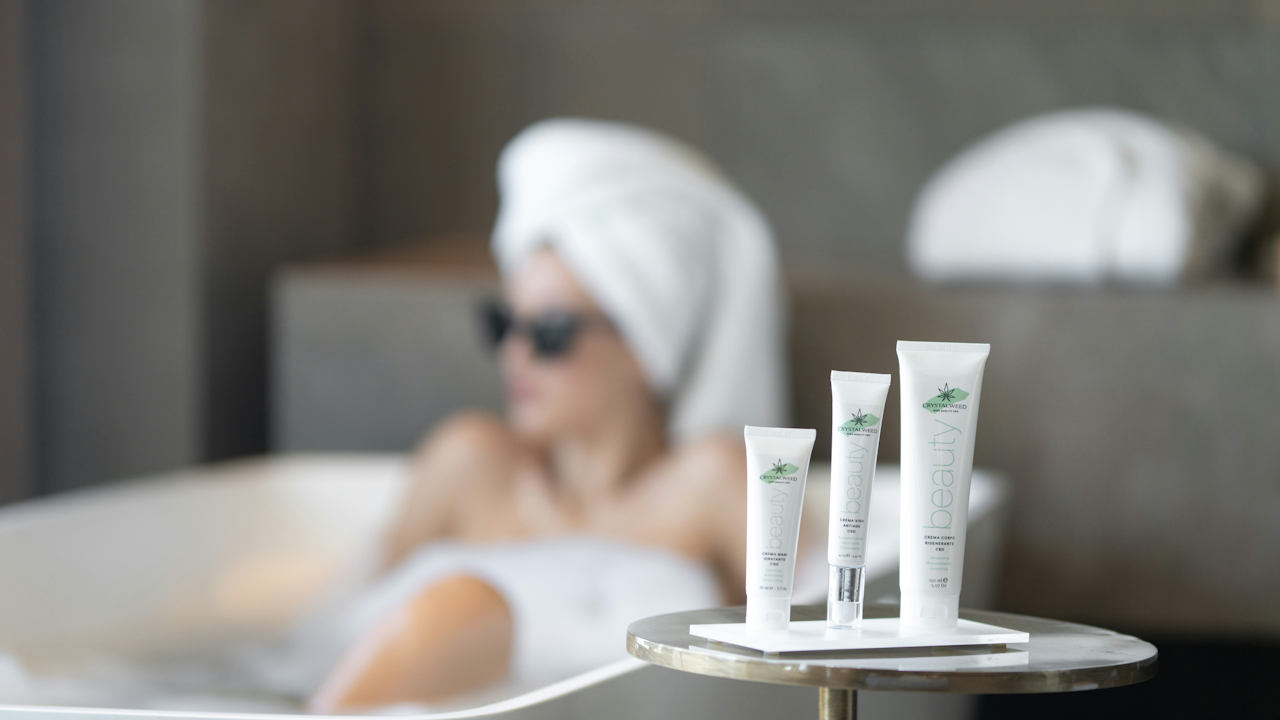
A spa day at home offers a wonderful way to relax, rejuvenate, and pamper yourself without the need to travel or spend a lot of money. In our busy lives full of responsibilities and stress, carving out time for self-care can improve mood, reduce tension, and promote better skin health and overall wellness. Creating a spa experience in your own space allows you to customize every detail to your preferences, from the scents to the sequence of treatments. Whether you have a full day to spare or just a few hours, this guide will walk you through the steps to transform your home into a personal sanctuary of calm and luxury.
Benefits of a Home Spa Day
Before diving into the how-to, it is helpful to understand why this practice matters. A home spa day can lower cortisol levels, the hormone associated with stress, while boosting feelings of happiness through simple sensory pleasures. It gives your skin a chance to receive deep nourishment, your muscles time to unwind, and your mind an opportunity to reset. Regular home spa sessions may also encourage healthier habits, such as drinking more water and paying closer attention to personal hygiene routines. For many people, these days become small acts of kindness toward themselves that build resilience against daily pressures.
Planning Your Spa Day
Start by choosing a date and time when you can fully disconnect. Turn off notifications on your phone or place it in another room. Inform family members or roommates about your plans so they respect your boundaries. Aim for at least three to four hours for a satisfying experience, though even a single hour can provide noticeable benefits.
Next, prepare the environment. Select a quiet room with comfortable seating or a bathroom for water-based treatments. Dim the lights or use lamps with soft bulbs. Play gentle music such as nature sounds, classical pieces, or ambient tracks. Essential oils like lavender, chamomile, or eucalyptus can enhance the atmosphere when diffused or added to a spray bottle with water. Clean the space thoroughly beforehand so you begin with a fresh canvas. Lay out soft towels, a robe, and comfortable slippers to make the transition feel special.
Gather your supplies in advance. Basic items include candles, a yoga mat, clean towels, a hair wrap or shower cap, and comfortable clothing. For skincare, collect gentle cleansers, exfoliators, masks, moisturizers, and eye creams. Natural ingredients from your kitchen often work well and keep costs low.
Setting the Atmosphere
Atmosphere plays a key role in making your home spa feel authentic. Begin by adjusting the temperature to a warm and cozy level. Light several unscented or lightly scented candles placed safely away from fabrics. If you prefer no open flames, battery-operated candles offer a similar glow.
Incorporate aromatherapy by simmering herbs or citrus peels on the stove or using a diffuser. Fresh flowers or plants can add a touch of nature. Keep a pitcher of infused water nearby with slices of cucumber, lemon, or mint to stay hydrated throughout the day.
Dress in loose, breathable fabrics. Many people find that changing into spa-appropriate attire helps signal to the brain that it is time to relax.
Step-by-Step Spa Treatments
Begin with a warm shower or bath to open pores and relax muscles. Use a gentle body wash and take your time. This initial cleanse prepares the skin for deeper treatments.
Hair Care Routine
Start with your hair since many masks need time to set. Brush your hair gently to remove tangles. Apply a deep conditioning treatment or a DIY hair mask. For a simple recipe, mix one ripe avocado, two tablespoons of olive oil, and one tablespoon of honey. Apply to damp hair, cover with a shower cap, and leave on for 20 to 30 minutes before rinsing. This combination nourishes dry strands and adds shine. For oily hair, try a mixture of yogurt and lemon juice instead.
After the mask, shampoo and condition as usual. Finish with a cool rinse to seal the cuticle. If you enjoy nail care, trim and file your nails during this phase while the mask works.
Facial Treatment Sequence
Facial care forms the heart of many spa days. Begin by cleansing your face with a mild product suited to your skin type. Follow with an exfoliator to remove dead skin cells. A homemade scrub can include sugar or oatmeal mixed with honey or yogurt. Massage gently in circular motions for one to two minutes, then rinse.
Next comes steaming. Boil water, pour it into a bowl, and lean over it with a towel draped over your head for five to ten minutes. Add a few drops of essential oil if desired. Steaming softens the skin and helps release impurities.
Apply a face mask tailored to your needs. For hydration, use mashed banana with a splash of milk. For brightening, combine turmeric, yogurt, and a few drops of lemon juice. For calming irritated skin, aloe vera gel mixed with cucumber puree works nicely. Leave the mask on for 15 to 20 minutes while you relax. Remove it with warm water and pat your skin dry.
Follow with toner, serum, eye cream, and moisturizer. A jade roller or gua sha tool can enhance absorption and provide a gentle massage. Finish the facial with a lip scrub made from sugar and coconut oil to smooth chapped lips.
Body Scrub and Exfoliation
Move to body treatments after completing your facial. Mix a body scrub using sea salt or brown sugar combined with coconut oil and a few drops of your favorite essential oil. In the shower or over a towel, massage the scrub onto damp skin using upward strokes. Focus on rough areas like elbows, knees, and heels. Rinse thoroughly.
A bath comes next if your setup allows. Fill the tub with warm water and add Epsom salts, baking soda, or oatmeal for soothing effects. Drop in bath bombs or essential oils. Soak for 20 to 30 minutes, reading a book or listening to music. If a bath is not possible, a long shower with a body oil application afterward provides similar benefits.
Massage Techniques
Self-massage helps release muscle knots. Use a body oil or lotion and start at your feet, working upward toward the heart to encourage circulation. Apply moderate pressure on calves and thighs. For shoulders and neck, use your fingertips in small circles. If you have a foam roller or massage balls, incorporate them for deeper relief.
Hand and foot care deserve attention too. Soak feet in warm water with Epsom salts, then scrub and moisturize. Massage each toe and the soles. Do the same for your hands.
Relaxation and Mindfulness
Incorporate moments of stillness. Practice deep breathing by inhaling for four counts, holding for four, and exhaling for four. Meditation apps or guided sessions can help if your mind wanders. Gentle yoga poses such as child’s pose, cat-cow, or legs-up-the-wall promote flexibility and calm.
Sip herbal tea or infused water between treatments. Prepare light snacks like fresh fruit, nuts, or vegetable sticks with hummus to maintain energy without heaviness.
Special Touches for a Memorable Experience
To elevate your day, create a playlist dedicated to relaxation. Consider aromatherapy beyond diffusers by making a room spray with distilled water, witch hazel, and essential oils.
If sharing the experience with a partner or friend, take turns performing treatments for each other. Couples massages or joint face masks can strengthen bonds while providing pampering.
For a luxurious finish, apply body lotion or oil all over and slip into fresh, soft clothing. Avoid heavy makeup or tight hairstyles afterward to let your skin breathe.
Common Mistakes to Avoid
Rushing through steps diminishes the benefits, so allocate enough time. Using products that irritate your skin can cause setbacks, so always patch-test new mixtures. Over-exfoliating leads to sensitivity, particularly for those with dry or sensitive skin types.
Stay hydrated throughout the day. Drink water before, during, and after treatments to support detoxification and skin plumpness.
Maintaining Your Home Spa Habit
A single spa day feels wonderful, but repeating the practice monthly creates lasting improvements. Keep a dedicated basket with spa supplies to make future sessions easier to start. Track how you feel after each day in a journal to notice patterns in energy or skin quality.
Seasonal adjustments keep things interesting. In winter, focus on hydrating masks and warm oils. During summer, emphasize cooling ingredients like aloe and mint.
Conclusion
Creating a spa day at home is an accessible form of self-care that delivers both immediate relaxation and longer-term wellness benefits. By preparing thoughtfully, following a logical sequence of treatments, and embracing the sensory elements around you, you can achieve results that rival professional spas. The most important ingredient is your intention to slow down and nurture yourself. Start small if a full day feels overwhelming, and build from there. Your body and mind will thank you for the investment in peace and vitality. Over time, these home rituals may become one of your favorite ways to honor the balance between daily demands and personal restoration.